



Botulinum Toxin Market Size, Share, and Trends 2026 to 2035
Botulinum Toxin Market (Product Type: Type A, Type B; By Application: Therapeutic, Aesthetic; By End-Use: Hospitals, Dermatology Clinics, Spas & Cosmetic Centres) - Global Industry Analysis, Size, Trends, Leading Companies, Regional Outlook, and Forecast 2026 to 2035
Source: https://www.precedenceresearch.com/botulinum-toxin-market
 Get a Sample
 Table Of Content


What is the Botulinum Toxin Market Size?
The global botulinum toxin market size was estimated at USD 9.48 billion in 2025 and is predicted to increase from USD 10.39 billion in 2026 to approximately USD 23.34 billion by 2035, expanding at a CAGR of 9.43% from 2026 to 2035. The growth of the market is driven by growing acceptance of minimally invasive cosmetic procedures, expanding therapeutic indications, and growing research in botulinum toxin.
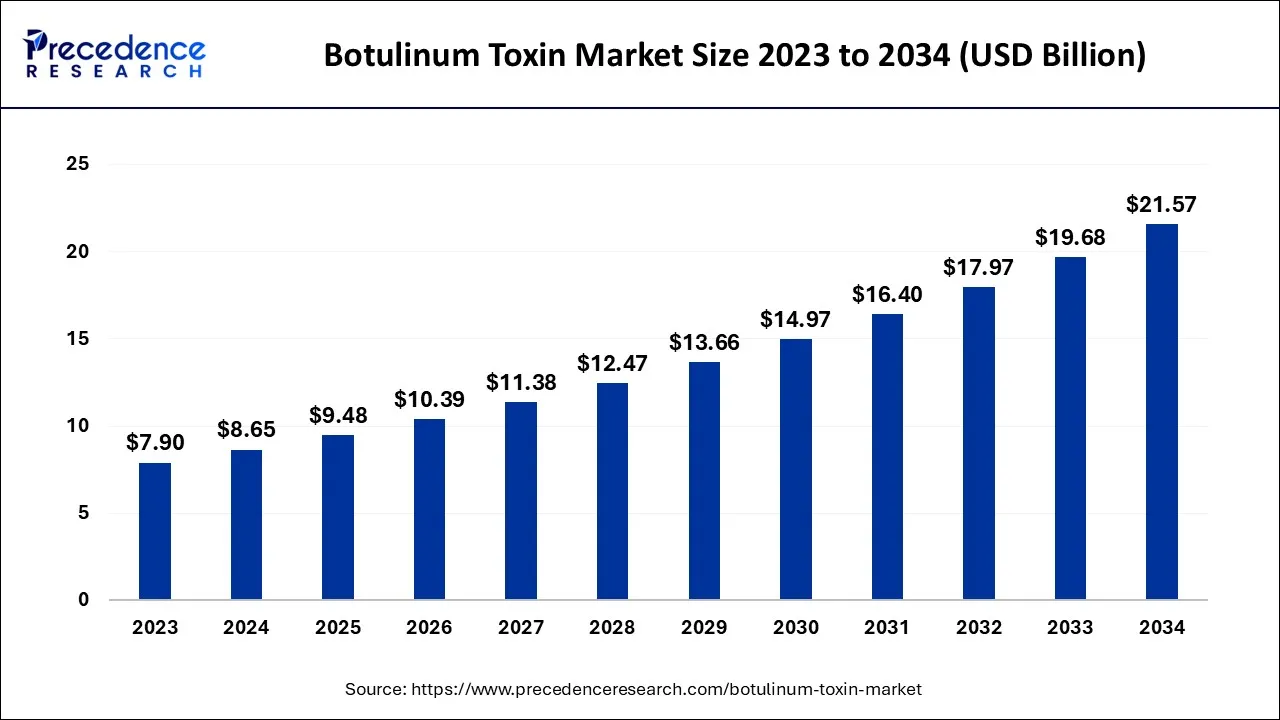
Botulinum Toxin Market Key Takeaways
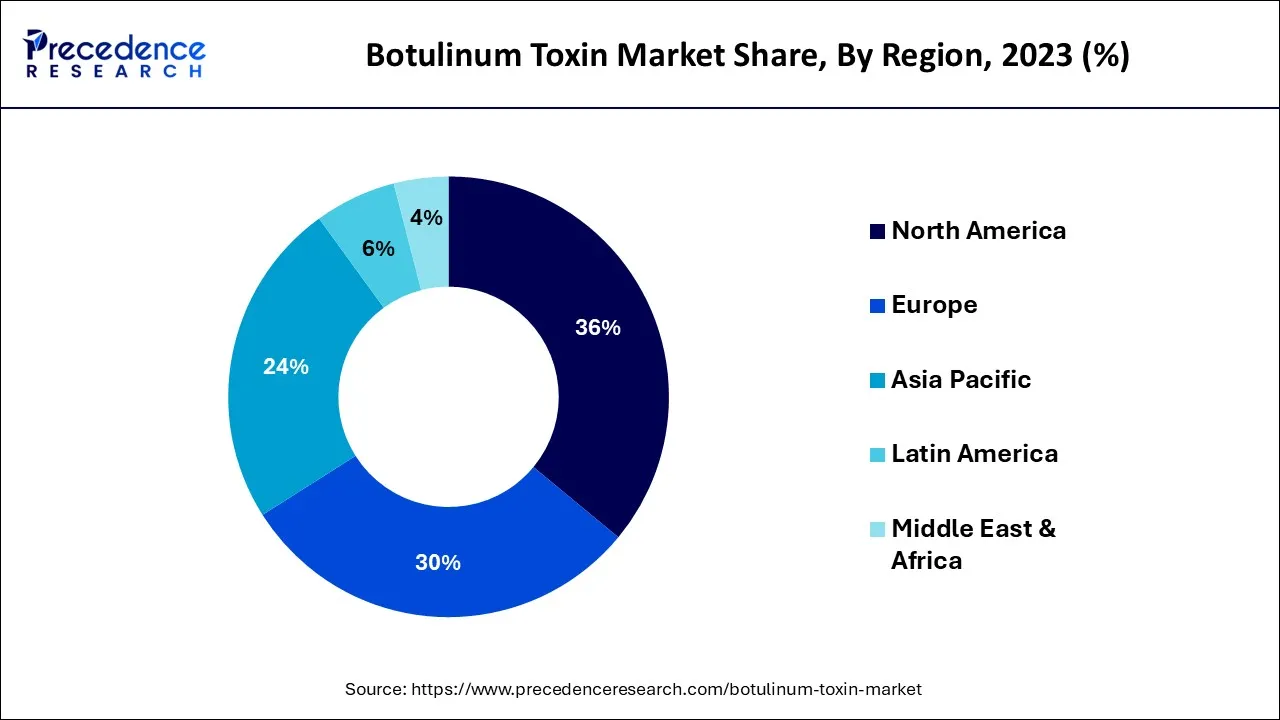
- The North American market captured significant revenue of around 36% in 2025.
- The product type A segment captured more than 96% of the revenue share in 2025.
- The aesthetic application segment will experience a profitable CAGR from 2026 to 2035.
- The dermatological clinic end-use segment will dominate the market in 2025.
Botulinum Toxin Market Overview
Botulinum toxin is a medication used for both therapeutic and cosmetic purposes. Its medicinal applications include treating chronic migraines, spastic disorders, cervical dystonia, and detrusor hyperactivity. The growth of the botulinum toxin market is attributed to various factors, including increasing research and development initiatives aimed at expanding its therapeutic applications and the rising incidence of aesthetic concerns such as lateral canthal lines and crow's feet. Additionally, the availability of different botulinum toxin products, such as Botox, Xeomin, and Dysport, is expected to accelerate market growth.
Botulinum Toxin Market Growth Factors
- The adoption of botulinum toxin in cosmetology has surged, making it one of the most commonly performed aesthetic procedures worldwide. The growing concern for aesthetic features in both developed and developing regions has led to a rise in the number of cosmetic procedures being performed.
- Consumers increasingly prefer non-invasive procedures that involve minimal pain, quick recovery, and natural-looking results. Botulinum toxin injections align perfectly with this preference, providing a non-surgical alternative for cosmetic and medical treatments, which drives their demand in the market.
- Advancements in product formulations that offer longer-lasting results and minimal side effects, along with greater social acceptance and accessibility of aesthetic treatments, are contributing to the market's expansion globally. The benefits of these procedures include no blood loss, minimal pain, and a lack of scarring during the process.
- Various commercially available botulinum toxin A products, including Botox and Dysport, have been clinically proven to be effective, safe for long-term use, and associated with minimal side effects.
What are the Major Trends in the Revamp Botulinum Toxin Market?
- Expansion into therapeutic applications beyond aesthetics: Botulinum toxin is increasingly being used for chronic conditions such as migraines, cervical dystonia, hyperhidrosis, overactive bladder, and spasticity. This shift is significantly broadening the market beyond cosmetic wrinkle reduction into mainstream neurology and urology treatments.
- Rising demand for minimally invasive aesthetic procedures: Cosmetic use continues to dominate growth as patients prefer quick, non-surgical anti-aging treatments with minimal downtime. Preventive Botox (“prejuvenation”) among younger consumers is also becoming a strong driver of repeat demand.
- Development of next-generation and longer-lasting formulations: Companies are investing in new formulations with faster onset, longer duration, and improved diffusion control. These innovations aim to reduce injection frequency and improve patient convenience and treatment precision.
Botulinum Toxin Market Scope
| Report Coverage | Details |
| Market Size in 2025 | USD 9.48 Billion |
| Market Size in 2026 | USD 10.39 Billion |
| Market Size by 2035 | USD 23.34 Billion |
| Growth Rate from 2026 to 2035 | CAGR of 9.43% |
| Base Year | 2025 |
| Forecast Period | 2026 to 2035 |
| Segments Covered | Product Type, Application, End-Use, and Region |
| Regions Covered | North America, Europe, Asia-Pacific, Latin America and Middle East & Africa |
Market Dynamics
Key Market Drivers
Increased efficiency and changes to the financing procedures
- Over the past ten years, consumers have chosen quick, painless alternatives to intrusive cosmetic surgery to seem healthy and young. The demand for plastic surgery and minimally surgical surgery is rising as a result, which is fueling the development of botulinum toxin therapy. One of the key elements fostering market expansion is the increase in demand for aesthetic procedures.
- The market for botulinum toxin is expanding as a result of the rise in spasticity, cervical rigidity, and chronic migraine occurrences. The market for treating spasticity is expanding at an accelerated rate due to rising accessibility and changes made to reimbursement policies to enhance the advantages of botulinum injections.
Botulinum toxin medicinal uses in cosmetic procedures that open the door for further advancement in the application area
- According to studies, people who had botulinum toxin injection could maintain their freedom for as long as 11 months. Botulinum toxin also is frequently used in beauty treatments to treat conditions like crown feet, forehead lines, masseter brown lines / square jaw / Bellar, among others. The market for botulinum toxin for such therapy of muscle spasms, on the other hand, is forecast to rise enormously in the next years or to expand quickly in the medical sector.
Highly efficient when used therapeutically
- The excellent therapeutic efficacy of botulinum toxins has greatly fueled the expansion of the botulinum toxin industry. Numerous potentials for expansion will arise as a result of the increased knowledge of the negative impacts of botulinum toxin in both developed and developing countries. Botulinum toxin is frequently used to cure frown lines and enhance the structures of the face. The United States has a high rate of botulinum acceptance, which will help the botulinum North American market grow.
Minimally invasive medical surgery is in high demand, which will help the market grow
- Over the past ten years, there has been a significant rise in the short supply of cosmetic surgery and non-invasive treatments like botulinum toxin and cosmetic filler injections. The producers of dermatology preparation and other non-invasive techniques have also been significantly impacted by the growth in demand for this approach. To fulfill the rising demand for such medications, several pharmaceutical businesses active in this industry are constantly developing new
Key Market Challenges
The effects of botulinum toxin on the body are quite harmful
- The administration of these poisons as injections has the potential to have negative effects. The probable negative effects of botulinum toxin injection include swelling or bruising at the site of injection, discomfort, fever, or common cold sensations, a crooked smiling or drooping eye or cross-eyed eyebrow, as well as eye moisture or excess tears. The effects of botulinum on the organism are quite detrimental. The botox industry's growth is anticipated to be constrained by the botulinum toxin industry's subpar compensation practices.
Key Market Opportunities
The rise in drugs approved and products launched
- The next ten years are expected to bring several lucrative prospects for botulinum toxin producers worldwide. The production of botulinum toxins is monopolized by a small number of significant companies. Over the past few years, developing markets have begun to challenge established market giants. In the upcoming years, there will be a wide range of chances for botulinum toxin providers due to the expanding impact of the design and cosmetics industries. In the upcoming years, it is anticipated that the increasing number of product releases and approvals by influential major players would hasten the expansion of botulinum treatment.
Segment Insights
Product Type Insights
The Type A segment dominated the botulinum toxin market in 2025 and is expected to grow at the fastest rate during the forecast period. This is because Type A has gained significant popularity for treating facial lines and wrinkles, driven by the increasing demand for minimally invasive cosmetic procedures worldwide. Botulinum toxin type A products are utilized for a range of therapeutic and aesthetic applications. With the increasing demand for aesthetic beauty, the segment is likely to boost further in the forecast period.
The Type B segment is expected to grow at a significant rate during the forecast period, due to its novel mechanism of action, which enables effective management of multiple disorders in neurology and dermatology, and given the growing interest in alternative medicine, it is expected to experience rapid development in both therapeutic and beauty treatments soon. Recently, botulinum toxin type B has also been developed in liquid form to avoid the processes of lyophilization (vacuum-drying) and reconstitution, which can decrease the potency and stability of current type A toxin preparations.
Application Insights
The aesthetic segment dominated the market in 2025. This is mainly due to the rising demand for minimally invasive treatments and rising awareness of these products for cosmetic purposes. Their ability to provide fast-acting, noticeable results with minimal downtime and relatively low risk of complications makes them appealing to a broad range of consumers across different age groups. As appearance becomes increasingly important in social and professional contexts, more individuals are prioritizing facial aesthetics as part of their personal and professional image management.
The therapeutic segment is seen to grow at a notable rate during the predicted timeframe, driven by the rising prevalence of neurological and chronic conditions, such as migraines, spasticity, and movement disorders. Botulinum toxin injections are widely used to address conditions involving abnormal muscle activity or nerve signaling. Additionally, expanding therapeutic indications, growing awareness among patients and healthcare providers, and improved access to treatments are further boosting this segment.
End User Insights
The dermatology clinics segment held the largest share of the botulinum toxin market in 2025, driven by the increasing awareness of cosmetic procedures. High patient preference for dermatology clinics for cosmetic surgeries and their state-of-the-art facilities significantly contribute to this segment's growth. The demand for aesthetic procedures is likely to lead to an increase in dermatological clinics in both developing and developed nations.
The spas & cosmetic centers segment is projected to grow at the fastest rate during the forecast period. This growth is driven by a rising preference for non-invasive aesthetic procedures in comfortable and accessible settings. These facilities often provide specialized services, personalized care, and more affordable prices compared to hospitals or dermatology clinics. The demand for quick, walk-in treatments like wrinkle reduction and facial contouring has made medical spas a popular choice among consumers.
Regional Insights
What is the U.S. Botulinum Toxin Market Size?
The U.S. botulinum toxin market size was exhibited at USD 2.39 billion in 2025 and is expected to be worth around USD 6.03 billion by 2035, growing at a CAGR of 9.70% from 2026 to 2035.
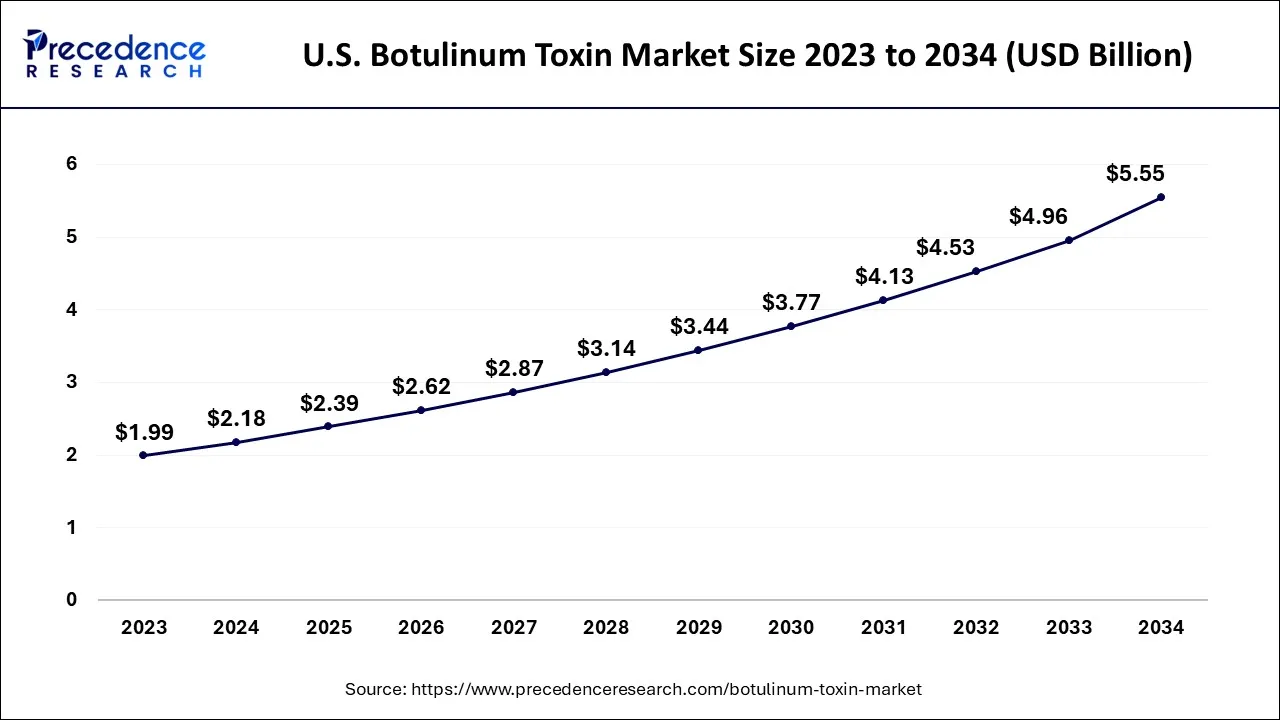
What Made North America the Dominant Region in the Botulinum Toxin Market?
North America dominated the botulinum toxin market with the largest share in 2025, driven by the growing demand for cosmetic procedures, particularly botulinum toxin type A, commonly known as Botox. The U.S. is the largest contributor to this market due to a high prevalence of aesthetic treatments and a well-established healthcare sector. Factors driving market growth in this region include increasing disposable income, heightened awareness of non-surgical cosmetic procedures, and a desire for a youthful appearance.
U.S. Market Trends
The growth of the U.S. botulinum toxin market is attributed to several factors, such as a strong healthcare infrastructure, high disposable income, and a growing focus on aesthetics and wellness. The U.S. has a well-established network of specialized clinics and medical professionals offering botulinum toxin treatments, making these services easily accessible to a wide range of consumers. Additionally, there is an increased interest in preventive treatments among younger demographics and a rising trend of personalized skincare, further fueling market demand.
Asia Pacific: The Fastest-Growing Region
Asia Pacific is expected to grow at the fastest rate during the forecast period. Key factors driving market growth include the growing disposable income of consumers, increasing penetration of major players, and a high preference for medical tourism among Asian countries. Over the past few decades, the adoption of cosmetic surgeries has risen. A significant portion of the population prefers easy and effective methods to appear healthy and youthful. The rapidly expanding middle class in developing economies like China, India, and South Korea is enabling more people to afford premium cosmetic and anti-aging treatments. Moreover, a considerable aging population in countries like Japan and China, along with younger consumers increasingly adopting baby Botox as a preventive measure, is contributing to market growth.
India Market Trends
India botulinum toxin market is experiencing significant growth due to the widespread adoption of aesthetic treatments and non-surgical cosmetic procedures. In metropolitan areas, consumers are showing increased interest in minimally invasive treatments to address signs of aging, such as wrinkles and fine lines, while restoring contoured features. Although aesthetic applications remain a primary driver, the Indian botulinum toxin market is also seeing growth due to its expanding use in treatments.
How is the Opportunistic Rise of Europe in the Botulinum Toxin Market?
Europe is expected to grow at a significant rate during the projection period, driven by rising product developments by botulinum toxin companies and a rising awareness of modern beauty standards across various age groups in countries like Germany, the UK, France, and Italy. Additionally, advancements in healthcare systems are likely to boost the demand for botulinum toxin in the coming years. Continuous improvements in formulation, delivery methods, and treatment safety are enhancing consumer confidence. Furthermore, supportive regulatory frameworks and increased R&D investment from leading pharmaceutical companies are expected to sustain a positive market outlook.
Germany Market Trends
Germany botulinum toxin market is expanding rapidly due to its advanced healthcare infrastructure and strong demand for aesthetic procedures. The rising aging population and increasing consumer awareness regarding preventive anti-aging treatments continue to support market growth. Dermatology clinics and specialized aesthetic centers are expanding rapidly in major German cities to meet the growing demand for cosmetic injectables.
What Drives the Market Within the Middle East & Africa?
The market within the Middle East & Africa is driven by rising disposable incomes, aggressive beauty standards, and expanding therapeutic applications. Numerous key players are entering strategic partnerships and launching products to establish a presence in the Middle Eastern and African markets. Additionally, the surge in awareness driven by advertisements on social media platforms is expected to contribute to market growth. The increasing focus on dermatology clinics, cosmetic centers, and specialty hospitals is further aiding market expansion.
UAE Market Trends
The UAE botulinum toxin market is experiencing rapid growth. The UAE is establishing itself as a premier global hub for medical tourism in luxury aesthetics, supported by government initiatives and advanced training centers. For example, in January 2025, the United Arab Emirates approved Hugel Inc.'s botulinum toxin product, Botulax. This approval covering 50IU, 100IU, and 200IU formulations addresses five aesthetic and medical indications, such as glabellar lines, crow's feet, eyelid spasms, upper extremity muscle spasticity following a stroke, and cerebral palsy adduction deformity in children.
Why is the Market Within Latin America Gaining Momentum?
The botulinum toxin market in Latin America is growing, owing to the availability of medical procedures at significantly lower costs relative to North America and Europe. Moreover, a heightened focus on physical aesthetics, in conjunction with widespread acceptance of facial treatments, has precipitated a robust demand for botulinum toxin applications within the region.
Brazil Market Trends
Brazil's botulinum toxin industry has evolved from being primarily therapeutics-oriented to establishing itself as a formidable force in global aesthetics, primarily driven by burgeoning demand in cities such as São Paulo, Rio de Janeiro, and Belo Horizonte. Within Brazil, both minimally invasive and non-invasive cosmetic procedures are being implemented to address a broad spectrum of medical indications. Formulations such as BOTOX, Xeomin, Dysport, Botulift, and Prosigne are prevalent in the Brazilian market.
Competitive Landscape
The global botulinum toxin market is highly concentrated, with a competitive landscape dominated by major players such as AbbVie Inc., Ipsen Pharma, and Galderma. These leading companies continue to strengthen their market positions through strategic initiatives including product innovation, new product launches, partnerships, collaborations, joint ventures, and enhanced service offerings.
Key stakeholders in the market are heavily focused on continuous research and development to expand their product portfolios and improve both aesthetic and therapeutic outcomes. By emphasizing product quality, technological innovation, and comprehensive training and education programs for healthcare professionals, these companies play a crucial role in shaping market dynamics and sustaining competitive intensity.
Botulinum Toxin Market Companies
- Eisai Co., Ltd
- Evolus, Inc.,
- Galderma laboratories.
- HUGEL, Inc. (Korea)
- Hugh Source (International) Ltd.
- Ipsen Pharma
- Lanzhou Institute of Biological Products Co., Ltd. (China)
- Medy-Tox, Inc.
- Merz Pharma GmbH & Co. KGaA
- Metabiologics, Inc.
- Pfizer Inc
- Revance Therapeutics, Inc. (U.S.)
- Teijin Pharma Ltd
- US WorldMeds, LLC
Recent Developments
- In April 2026, Chongqing Claruvis Pharmaceutical Co., Ltd. announced that the National Medical Products Administration (NMPA) of China granted approval for its Retoxin (recombinant botulinum toxin type A, project code YY001) for the temporary amelioration of moderate-to-severe glabellar lines in adult patients.
- In April 2026, AbbVie received a Complete Response Letter (CRL) from the U.S. Food and Drug Administration (FDA) regarding its Biologics License Application (BLA) for trenibotulinumtoxinE (TrenibotE), which is distinguished as a first-in-class botulinum neurotoxin serotype E noted for its rapid onset of effect and short duration.
- In September 2025, Hugel Inc., a leading global entity in medical aesthetics under the chairmanship of Suk Cha, is bolstering its presence in Brazil, a critical market in Latin America, through a distribution partnership with Derma Dream for its botulinum toxin product, Letybo.
Segments Covered in the Report
Product Type
- Type A
- Botox
- Dysport
- Xeomin
- Others
- Type B
By Application
- Therapeutic
- Chronic Migraine
- Overactive Bladder
- Cervical Dystonia
- Spasticity
- Others
- Aesthetic
- Glabellar Lines
- Crow's Feet
- Forehead Lines
- Others
By End-Use
- Hospitals
- Dermatology Clinics
- Spas & Cosmetic Centres
By Geography
- North America
- Europe
- Asia-Pacific
- Latin America
- The Middle East and Africa
For inquiries regarding discounts, bulk purchases, or customization requests, please contact us at sales@precedenceresearch.com
Frequently Asked Questions
Tags





Ask For Sample
No cookie-cutter, only authentic analysis – take the 1st step to become a Precedence Research client
 Get a Sample
.webp)



 sales@precedenceresearch.com
 Schedule a Meeting
