



Anti-Aging Market Revenue, Leading Companies, Company Technology / Innovation, Treatment Adoption Rates, Pricing Metrics, Supply Chain Performance, Competitive Positioning, and Industry Trends
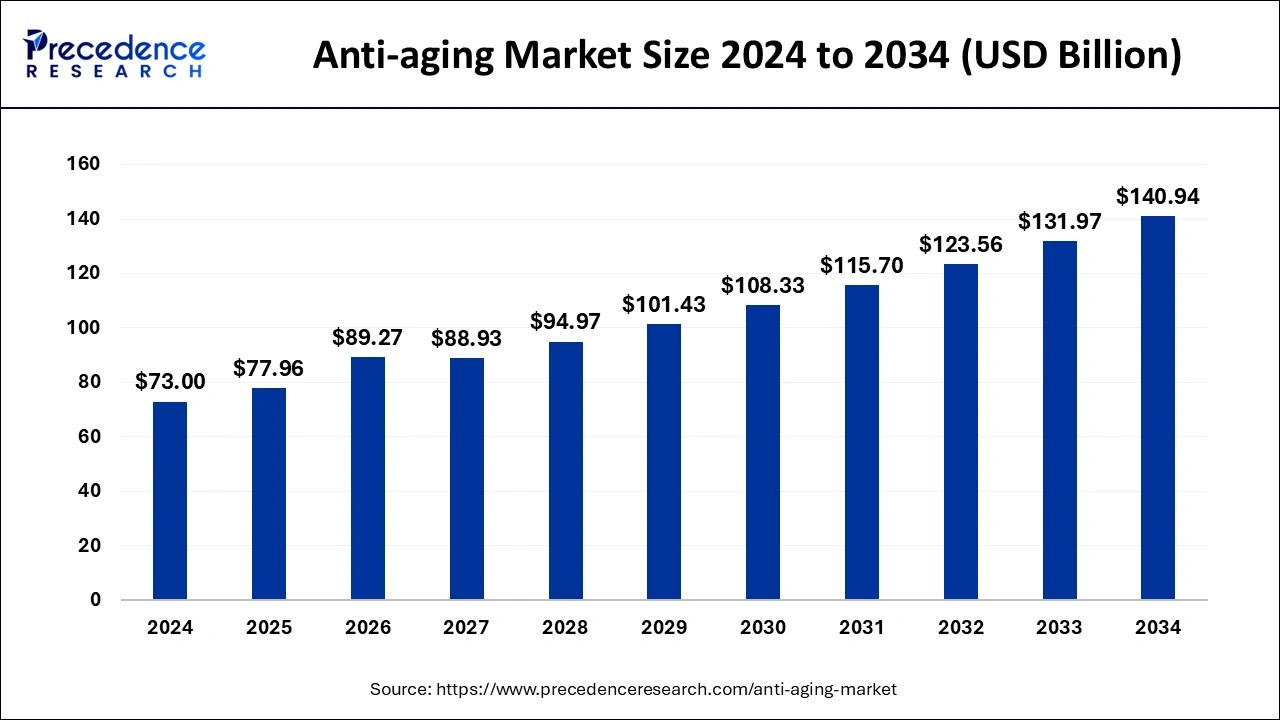
The global Anti-Aging Market was valued at USD 77.96 billion in 2025 and is projected to grow from USD 83.21 billion in 2026 to USD 149.54 billion by 2035, expanding at a CAGR of 6.73% from 2026 to 2035. Growth is driven by rising beauty consciousness, an aging population, technological advancements, personalized skincare, and increasing demand for non-invasive treatments. North America held the largest share of 40% in 2025, while Asia Pacific is expected to grow at the fastest rate.
Source: https://www.precedenceresearch.com/anti-aging-market
 Get a Sample
 Table Of Content


What is the Anti-aging Market Size?
The global anti-aging market size is calculated at USD 77.96 billion in 2025 and is predicted to increase from USD 83.21 billion in 2026 to approximately USD 149.54 billion by 2035, expanding at a CAGR of 6.73% from 2026 to 2035. The global anti-aging market growth is attributed to the rising technological advancements through biotechnology and genomics.
Market Highlights
- North America dominated the global anti-aging market with the largest market share of 40% in 2025.
- By region, Asia Pacific is expected to grow fastest during the forecast period.
- By products, the anti-wrinkle segment held the largest market share in 2025.
- By products, the anti-stretch mark segment is expected to grow fastest during the forecast period.
- By treatment, the hair restoration segment captured the biggest revenue share in 2025.
- By treatment, the adult acne therapy segment is expected to grow fastest during the forecast period.
- By devices, the microdermabrasion devices segment registered the maximum market share in 2025.
- By devices, the laser aesthetic devices segment is expected to grow fastest during the forecast period.
What is the Anti-Aging Industry?
The anti-aging market deals with cosmeceutical skin care products that are marketed with the claim that they make users seem younger by preventing, concealing, and minimizing signs of aging. Beauticians and health professionals find answers to age-related problems and have sought to restore a youthful appearance for decades. To help people recover their young appearance, various services and products are continuously provided in the anti-aging industry.
In addition, new anti-aging services, tools, and products have emerged due to technological development. The growing aging population, the increasing need for consumers to spend on expensive anti-aging treatments and increasing consumer awareness are further anticipated to drive the growth of the anti-aging market.
How AI is Transitioning the Anti-aging Industry?
Artificial Intelligence is significantly enhancing the anti-aging industry via advancements in several major areas, including drug discovery, personalized medicine, and lifestyle optimization. AI algorithms can detect various data points such as genomics, proteomics, along with metabolomics to accurately estimate an individual's biological age, offering insights into their aging trajectory. AI can analyze huge datasets of biological data to identify potential drug targets for age-associated diseases and anti-aging interventions. AI-powered tools can detect data from wearables and other sources to offer personalized recommendations for sleep, exercise, and nutrition, assisting individuals optimize their lifestyle for healthy aging.
Anti-aging Market Growth Factors
Skin aging is a complicated biological process that is impacted by a variety of internal and external variables. The anti-aging products are mainly popular among women. The reason being, women highly focus on their health and skin beauty. Thus, variety of products and techniques of anti-aging have been launched since a decade. Nowadays, people are becoming more aware of their skin and health. Also, utmost importance is given to the physical appearance. In addition, a person with good personality is cherished by everyone. As a result, all of these aforementioned factors are creating need for the anti-aging products in the market. Furthermore, the key market players are adopting innovative technologies for the production of anti-aging products. Thus, the growing demand for anti-aging techniques and products is driving the growth of the global anti-aging market during the forecast period.
The effects of aging are observed as skin elasticity loss, collagen, hair follicles, and melanin synthesis. This is mostly seen in women. As a result, the concept of anti-aging is gaining momentum in the market during the projection period. One of the latest techniques in the anti-aging market is cosmetic surgeries. These surgeries help the people to change their appearance with accurate and effective measures.
The consumers are typically cautious of the products and services offered by the anti-aging market, which is still considered to be in its early stages. However, due to significant technical developments of strict restrictions for these items, the issues have been minimized to some extent. To a large extent, this has re-established customer trust.
The rise in average life expectancy has resulted in the emergence of the geriatric population. The rise of beauty consciousness among the general public has aided the expansion of this massive industry, which caters to a variety of issues that people may have with their looks. The safer and more efficient services have been provided as a result of technological advancements, and they have become quite popular.
The anti-aging market is predicted to grow due to technological developments and increased investment in research and development by major companies for the creation of extremely safe and effective skin care treatments. As a result, there is a potential market for anti-aging gadgets and cosmetic plastic surgery operations over the projection period, due to rising awareness and acceptance of anti-aging remedies. On the other hand, over the projected period, the anti-aging market is expected to be hampered by strict regulatory standards for devices and societal stigma in particular populations.
Previously, expensive anti-aging products were only sold at department stores, but specialist companies have made them more widely available and accessible. The online retailers, specialty retail shops, spas, salons, and direct response television such as home shopping channels and infomercials are now selling these products. The high expense of anti-aging goods and treatments as well as the prevalence of counterfeit products containing harmful ingredients, provide a significant barrier to the anti-aging market expansion.
Strategic Growth Opportunities
High-Growth Commercial Opportunities
These opportunities mainly involve multipurpose cosmetics infused with anti-aging compounds like SPF, peptides, and hyaluronic acid, which appeal to consumers looking for aesthetic and therapeutic benefits. Furthermore, cosmeceutical serums and concentrates leveraging high-concentration active delivery systems yield faster, clinically observable results with improved consumer retention. Non-invasive aesthetic procedures, including botulinum toxin, fillers, and energy-based skin tightening, make it a preferred choice over traditional surgical methods due to reduced downtime.
Emerging Technology Opportunities
These opportunities prioritize key advancements including senotherapeutics targeting aging hallmarks with senolytics, mTOR inhibitors, and NAD+ boosters. Additionally, nanotechnology is employing advanced encapsulation methods to accelerate the stability and targeted penetration of antioxidants. AI-driven personalization enables highly customized topical regimens based on individual skin and metabolic profiles. With a growing aging population and chronic disease pressures, preventive lifestyle interventions remain critical, with lifestyle-independent treatments providing additional benefits against aging.
Geographic Expansion Opportunities
These opportunities mainly involve rapid market growth seen in regions with innovation-friendly regulations, rising incomes, and digitally savvy consumers. Expanding e-commerce infrastructure in developing economies is also accelerating access to premium anti-aging products previously limited to luxury retailers.
White Space Analysis
There is a significant opportunity in prejuvenation, targeting younger demographics including Gen Z and younger millennials for preventive aging over reactive treatments. The gut-skin axis and microbiome-based topicals represent an under-explored market with strong clinical potential. Additionally, there is a strong demand for standardized and long-term clinical trials to validate epigenetic and regenerative interventions amid counterfeit products.
Market Trends
- The anti-aging market is predicted to grow due to technological developments and increased investment in research and development by major companies for the creation of extremely safe and effective skin care treatments.
- The key market players are adopting innovative technologies for the production of anti-aging products. Thus, the growing demand for anti-aging techniques and products is driving the growth of the global anti-aging market during the forecast period.
- The increasing women's focus on their skin beauty and health, the rise in average life expectancy, and the rise of beauty consciousness among the general public are expected to drive the growth of the anti-aging market.
- The increasing use of machine learning and artificial intelligence (AI) technologies to develop personalized functional formulations and regimes for skin and aging concerns is expected to accelerate the demand for the anti-aging market.
Anti-Aging Market Outlook
- Market Growth Overview: The anti-aging market is expected to grow significantly between 2026 and 2035, driven by the expanding aging population, rising aesthetic awareness, and increasing demand for non-invasive procedures.
- Sustainability Trends: Sustainability trends involve clean beauty & sustainable ingredients, biotechnology and green sciences, and eco-friendly and circular packaging, and ESG integration and corporate responsibility.
- Major Investors: Major investors in the market include L'Oréal S.A., The Estée Lauder Companies Inc., Procter & Gamble Co., Unilever Group, and AbbVie Inc.
- Startup Economy: The startup economy is focused on biotechnology & longevity science, clean beauty & sustainable product innovation, and AI-powered personalization & diagnostics.
Future Outlook and Strategic Recommendation
Long-Term Industry Outlook
The long-term outlook prioritizes a strong shift from cosmetic solutions to gerotherapeutics with addressing core aging issues like cellular senescence and mitochondrial dysfunction. Conditional regulatory approval for anti-aging therapies may be supported by surrogate endpoints, such as validated biological age reduction. Economic evaluations are crucial, highlighting the healthcare savings from extending health span. Many developing regions are experiencing rapid growth due to aging populations and tech adoption, resulting in increased demand for evidence-based ingredients.
Emerging Business Models
These emerging business models prioritize AI diagnostics and personalized skincare regimens through direct-to-consumer subscription services that incorporate biomarker tracking. Integrating biotechnology like exosomes and stem cells into clinical dermatology could significantly lower aging-related healthcare costs. Many genes and pathways that influence aging have been identified, giving rise to a variety of anti-aging companies.
Strategic Recommendations for Stakeholders
These recommendations prioritize that formulators and brands should invest in rigorous clinical trials to validate product efficacy. Whereas, clinicians should implement multimodal treatment approaches that integrate various therapies rather than single treatments, and investors should emphasize scalable biotech platforms and AI-driven diagnostics that combine skincare with longevity research.
Market Scope
| Report Coverage | Details |
| Market Size in 2025 | USD 77.96 Billion |
| Market Size in 2026 | USD 83.21 Billion |
| Market Size by 2035 | USD 149.54 Billion |
| Growth Rate from 2026 to 2035 | CAGR of 6.73% |
| Largest Market | North America |
| Base Year | 2025 |
| Forecast Period | 2026 to 2035 |
| Segments Covered | Product, Treatment, Demography, Devices, End User, and Region |
| Regions Covered | Asia Pacific, North America, Europe, Latin America, Middle East and Africa |
Market Dynamics
Drivers
The increasing consumer knowledge of age-related skin issues such as dullness, wrinkles, and fine lines and consumer willingness to spend on good quality and innovative products that keep skin young are the major drivers boosting the market growth. Various anti-aging services and products are continuously being offered in the market to help people recover their young appearance. The rising major investments and technological advancements in research and development have led to the introduction of anti-aging products and treatments. In addition, to satisfy the increasing customer demand, various producers in the market are focusing on providing organic and herbal anti-aging products, further expected to drive the growth of the anti-aging market.
Restraint
The expensive anti-aging products were only sold at department stores, but specialist companies have made them more widely available and accessible. Online retailers, specialty retail shops, spas, salons, and direct response television such as home shopping channels and infomercials are now selling these products. The high expense of anti-aging goods and treatments as well as the prevalence of counterfeit products containing harmful ingredients, provide a significant challenge to the anti-aging market expansion.
Opportunity
The introduction of novel products
To increase their research and development expenditure to create new solutions that are more affordable, sophisticated, and effective, the rising demand for facial injectables has inspired market leaders and created major opportunities. The introduction of new products, which act as skincare, are more affordable, natural, and long-lasting and make them more convenient and accessible in the market, thus increasing the consumer base. Hence, these advanced factors are expected to enhance the growth of the anti-aging market.
Anti-Aging Market Segments Insights
Products Insights
Why Did Anti-Wrinkle Products Lead the Anti-Aging Market in 2025 While Anti-Stretch Mark Solutions Emerged as the Fastest-Growing Segment?
The anti-wrinkle segment dominated the anti-aging market in 2025. Due to rising awareness of product availability and an aging population, anti-wrinkle products are expected to expand at a significant rate.
The anti-stretch mark segment, on the other hand, is predicted to develop at the quickest rate in the future years. The rising demand for anti-stretch mark products, due to the rising incidence of obesity, particularly among the elderly and key firms' increased focus on the production of new equipment and products for the treatment of stretch marks are expected to propel the segment forward.
Treatment Insights
Why Did Hair Restoration Lead the Anti-Aging Market While Adult Acne Therapy Emerged as the Fastest-Growing Segment?
The hair restoration segment dominated the anti-aging market in 2025. The increase in the number of hair treatments due to the rise in prevalence of hair loss and baldness among adults will be the primary cause.
The adult acne therapy segment is fastest growing segment of the anti-aging market in 2024. The inflammation and blocked pores are the root causes of nearly all adult acne. This factor is boosting the adoption of adult acne therapy as anti-aging treatment.
Demography insights
Why Did Baby Boomers Dominate the Anti-Aging Market While Generation Z Emerged as the Fastest-Growing Segment?
The baby boomers segment dominated the anti-aging market in 2025. Baby Boomers represent a large cohort with remarkable buying power. This generation actively seeks a path to mitigate the effects of aging, driving requirement for anti-aging products and services. They are increasingly aware of skincare and the significance of preventative care, fueling the need for anti-aging skincare products. Baby Boomers even have a higher disposable income as well as are willing to invest in goods that promise to aid them look and feel younger.
- In September 2023, Galderma, the emerging pure-play dermatology category leader, declared the launch of another scientific innovation, Cetaphil Healthy Renew, which is the first-ever healthy aging skincare line in its dermatologist-suggested skincare range.
The generation Z segment is the fastest growing in the anti-aging market during the forecast period. This is largely due to a change in user perception, with younger generations increasingly viewing anti-aging goods as a form of preventative self-care instead of a response to visible signs of aging. Gen Z is starting to implement anti-aging products into their procedures much earlier than previous generations, usually in their early to mid-20s. Social media plays a remarkable role in driving this trend, with online communities and influencers encouraging the idea of preventative skincare along with an early adoption of anti-aging products.
Devices Insights
Why Did Microdermabrasion Devices Lead the Anti-Aging Market While Laser Aesthetic Devices Emerged as the Fastest-Growing Segment?
The microdermabrasion devices segment dominated the anti-aging market in 2025. The consumers can perform microdermabrasion at home using microdermabrasion devices. People can benefit from the benefits of microdermabrasion at a lesser total cost by using such equipment in the comfort of their homes.
The laser aesthetic devices segment is fastest growing segment of the anti-aging market in 2024. Many people who want to nurture or renew their appearance utilize these gadgets to improve the physiology of wrinkled and ageing skin. There is variety of technical approaches used to correct the aesthetic therapy process.
End user insights
Why Did Clinics Dominate the Anti-Aging Market While Home Healthcare Emerged as the Fastest-Growing Segment?
The clinics segment dominated the anti-aging market in 2025. This supremacy is attributed to their capacity to provide complex procedures such as injectables and laser therapies, usually facilitated by specialists along with equipped with necessary infrastructure such as anesthesia. These clinics provide a bridge between the clinical together with lifestyle aspects of anti-aging, offering expert-guided regimens along with tele-follow-ups that combine efficacy with convenience.
The home healthcare segment is the fastest growing in the anti-aging market during the forecast period. Home healthcare provides comfortable and cost-effective options to prolong hospital stays for this demographic, encouraging independence and personalized care. It can be remarkably more affordable than conventional hospital or clinic-based care, mainly for chronic disease management as well as post-operative care. Governments globally are increasingly recognizing the potential of home healthcare to decrease healthcare costs and enhance patient outcomes. This has contributed to supportive policies and initiatives targeted at promoting the acceptance of home-based care models.
Anti-Aging Market Regional Insights
Why Does North America Continue to Dominate the Global Anti-Aging Market with a 40% Share in 2025?
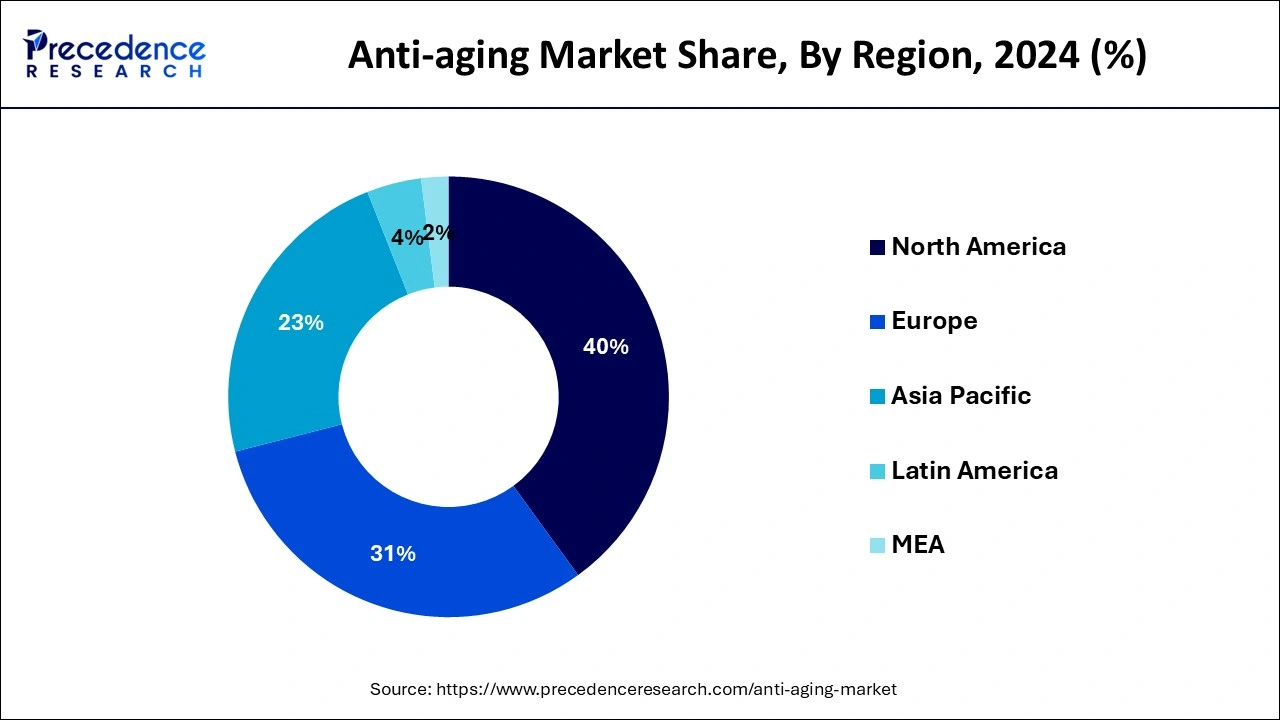
North America dominated the global anti-aging market with the largest market share of 40% in 2025. This is attributed to the increased awareness of ageing indications, sedentary lifestyles, and rising obesity.
North America is a powerhouse in the global anti-aging market, driven by several compelling factors that bolster its dominance. Notably, the region boasts a well-established skincare industry, characterized by a vast array of brands and high-quality products that cater to diverse consumer needs. The high purchasing power of consumers in North America significantly contributes to elevated spending on premium skincare products and innovative treatments.
Technological advancements play a pivotal role in North America's anti-aging sector. The region stands at the forefront of innovations, particularly in non-invasive procedures and personalized skincare offerings that leverage cutting-edge research. Moreover, the region is witnessing a demographic shift, with an increasingly aging population that fuels demand for effective anti-aging solutions. The dynamic focus on preventative treatments has further entrenched North America's leadership in the market.
What is the U.S. Anti-aging Market Size?
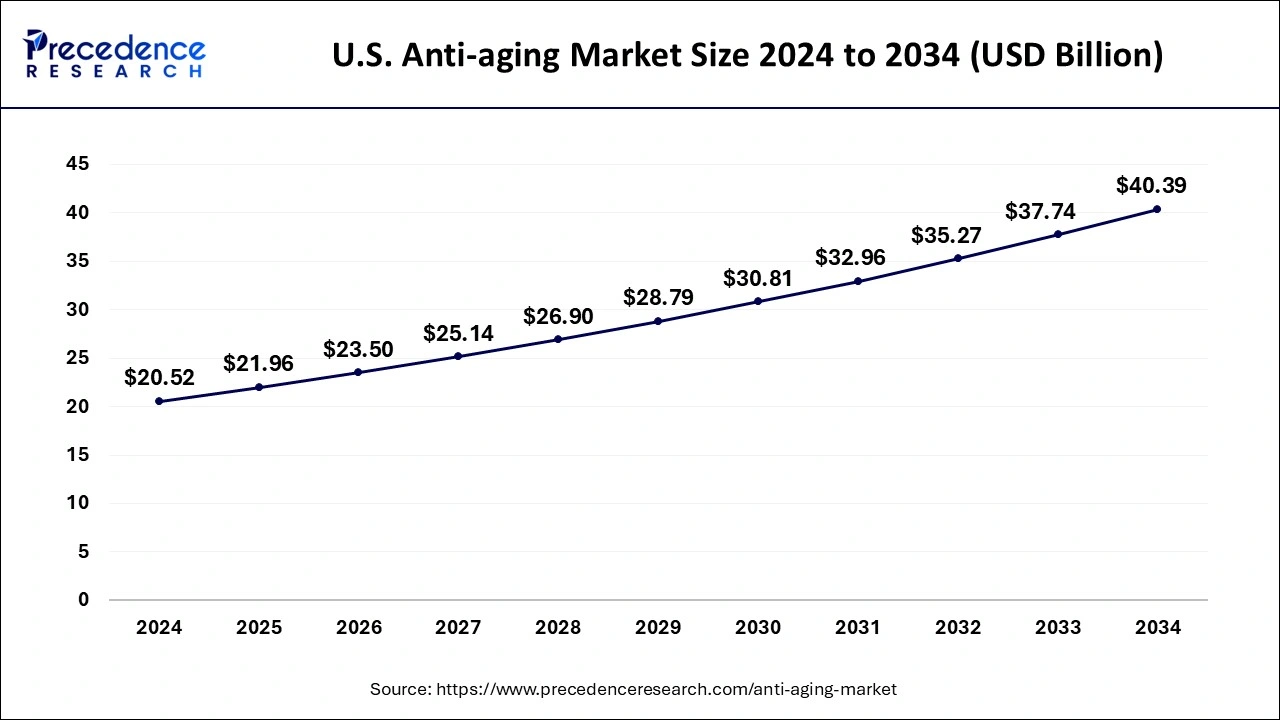
The U.S. anti-aging market size is estimated at USD 21.96 billion in 2025 and is predicted to be worth around USD 42.92 billion by 2035, at a CAGR of 6.93% from 2026 to 2035.
U.S. Anti-aging Market Trends
The U.S. market growth is driven by the younger consumers adopting preventive skincare routines and strong investment in science-backed, biotech-driven formulations. The narrative has shifted from reversing aging to promoting "skin longevity" through holistic wellness approaches. E-commerce and digital tools are dominant distribution channels, enabling highly personalized product recommendations via AI diagnostics.
Why Is Asia-Pacific Expected to Be the Fastest-Growing Region in the Global Anti-Aging Market During the Forecast Period?
Asia-Pacific is expected to develop at the fastest rate during the forecast period. This is due to an increase in the number of cosmetic treatments performed, surge in the number of seminars and conferences held to promote consumer awareness, and an increase in the older population. Asia Pacific is experiencing remarkable growth in the anti-aging market, spurred by a rising population that is increasingly aware of skincare's significance. With a burgeoning middle class enjoying heightened disposable incomes, consumers are more inclined to invest in skincare routines that focus on prevention and long-term beauty. This area showcases a robust demand for anti-aging products fueled by innovation, as brands adapt to the changing preferences and needs of an informed consumer base. The rapid proliferation of social media and digital platforms significantly influences skincare habits and product recommendations, accelerating market growth. As awareness of early signs of aging intensifies, consumers are increasingly turning to preventive skincare solutions to maintain their youthful appearance.
China Anti-aging Market Trends
China's market is growing by a blend of Traditional Chinese Medicine (TCM) with modern biotechnology and the significant influence of e-commerce and social media marketing. Consumers are increasingly knowledgeable about active ingredients and are seeking scientifically backed products, including aesthetic treatments and at-home devices.
What are the Key Trends in the Anti-aging Market in Latin America?
Latin America's footprint in this sector is a never-ending contribution to the anti-aging treatment and other suitable areas. Brazil is at the forefront of analysing its target audience appropriately and attracting more women engagement (aged 35-45). Its qualified anti-wrinkle technologies, like molecule A-F33 is gaining the highest profit.
The lavish beauty culture has kept the region experimenting with new approaches, each aligning with the elderly community's skin health needs. Apart from this, the BrainLat and ReDLat are popular research area that speaks about the impact of social disparities on cognitive aging and overall brain health. This is a kind of awareness program for all age groups.
Brazil Anti-aging Market Trends: The country is seeing significant economic growth in recent years, allowing consumers to spend more on personal care and beauty products. This financial ability has made premium and high-end skincare brands more accessible to a larger segment of the population.
What are the Advancements in the Anti-aging Market in Europe?
Europe is a game-changer as the company is busy in unifying the longevity-targeted pharmacology. This is a smart stroke with the science satisfaction to the core, proving its enhancement skill. The region adopted the specialised clinics trend mainly in Italy and Switzerland. The popular brands are gaining more recognition and success with their AI foundation models, promoting personalised treatments.
This eventually bolstered the cosmetic sector as well. Alongside, Switzerland and the Netherlands' AI platform idea is attracting more brands and the elderly population, strengthening trust in the proven enhancement.
Germany Anti-aging Market Trends: Consumer spending on anti-wrinkle products has witnessed a significant rise in the country. Consumers are more willing to invest in premium skincare products that deliver visible improvements rather than relying solely on traditional or generic moisturizers. The rise of luxury skincare brands and medical-grade skincare treatments has also fueled the trend of high-end anti-aging products.
How is the Anti-aging Market Growing in the Middle East and Africa Region?
MEA's contribution so far in this sector is its promising products like lotions, moisturisers, creams, and facial serums. The UAE and Saudi Arabia are at the top with the highest investment in the healthcare infrastructure. MEA is leading with its natural ingredients, which expand the essence of natural care to the skin. The demand in this sector perfectly meets the number of contributions the region has made to revive the old skin with new solutions via the strong product pipeline.
The traditional spectacular anti-aging oils mixture with the advanced bioactive compounds bolsters the appealing nature of the treatment or product. This region's natural heritage is a boon to the anti-aging industry.
Saudi Arabia Anti-aging Market Trends: There is an increasing consumer awareness regarding skin health and the rising demand for natural and organic products. The region is also witnessing a significant shift towards anti-aging solutions, driven by a growing aging population and changing lifestyle patterns.
Anti-aging Market Value Chain Analysis
- Ingredient Sourcing and R&D: This initial stage involves the research and development of potent anti-aging actives, along with the sourcing of natural and synthetic ingredients.
Key Players: Merck KGaA - Manufacturing and Formulation: This stage involves formulating the raw ingredients into finished anti-aging products, such as creams, serums, and lotions, and manufacturing the devices used in anti-aging treatments.
Key Players: L'Oreal S.A., The Estee Lauder Companies Inc., Procter & Gamble Co., and Shiseido Company - Distribution and Logistics: After manufacturing, products are transported to various distribution channels, including warehouses, retail stores, and fulfillment centers for online orders.
- Marketing and Retail: This final stage encompasses promoting and selling anti-aging products to consumers.
Key Players: L'Oreal, Estee Lauder, and Olay
Global Competitor Analysis
Innovation in product formulations is a key trend shaping the Global Anti Aging Market. Companies all over the world are increasingly investing in research and development activities in order to create advanced formulations that can deliver superior results. Additionally, sustainability is becoming a point of focus for many brands, with a high emphasis being given to eco-friendly packaging and ethical sourcing of ingredients. Digitalization is also transforming the industry, with e-commerce platforms gaining traction as consumers seek convenient shopping options for their anti-aging products.
Several key trends are defining the anti-aging market, including the shift towards organic and natural ingredients. This is primarily due to consumer awareness and the pursuit of chemical-free skincare solutions and procedures. Additionally, the increasing use of artificial intelligence and machine learning technologies to develop personalized functional formulas and products skin and aging concerns are gaining traction, propelling the market growth.
Key Players in Anti-aging Market & Their Offerings
- Unilever Group: Unilever contributes to the anti-aging market through its extensive portfolio of personal care brands like Dove, Pond's, and Vaseline, which offer a range of products addressing skin health and aging concerns.
- GALDERMA LABORATORIES L.P.: Galderma is a major player in medical aesthetics and dermatology, contributing through science-based solutions like PLLA fillers (e.g., Sculptra) and hyaluronic acid fillers.
- Procter & Gamble (P&G) Company: P&G contributes significantly via its Olay brand, which is a leading name in mass-market anti-aging skincare with products like the Regenerist line.
- Nu Skin Enterprises Inc.: Nu Skin contributes through its direct-selling model, offering a range of anti-aging products and nutritional supplements marketed as anti-aging solutions.
- Hologic Inc.: Hologic primarily contributes via its medical aesthetics division, focused on women's health technologies, including advanced body contouring and skin treatment devices used in clinical settings.
- Pierre Fabre S.A: As a pharmaceutical and dermo-cosmetic group, Pierre Fabre contributes through brands like Eau Thermale Avène and Ducray, focusing on anti-aging products for sensitive skin that bridge the gap between cosmetics and healthcare.
- Shiseido Company Limited: Shiseido is a global beauty giant that contributes heavily with premium anti-aging skincare lines such as Benefiance and Vital Perfection, known for innovative Asian-inspired formulations.
- Candela Corporation: Candela contributes to the professional anti-aging market by manufacturing energy-based medical aesthetic devices, such as lasers and radiofrequency machines, used by clinicians for skin tightening, wrinkle reduction, and resurfacing.
- Home Skinovations Ltd.: This company focuses on the burgeoning at-home device market, contributing with consumer-friendly anti-aging tools like the Silk'n line, which uses technologies such as LED and radiofrequency. They enable consumers to perform professional-grade anti-aging treatments conveniently and affordably at home.
- Estee Lauder: A major player in luxury beauty, Estee Lauder contributes significantly through its extensive portfolio of premium anti-aging brands like Estée Lauder (Advanced Night Repair), Clinique, and La Mer.
Recent Developments
Neutrogena
- In August 2024, Neutrogena introduced its groundbreaking Visible Repair range, designed specifically to address early signs of aging with innovative formulas that promise visible results.
Chemyunion
- In April 2025, Chemyunion made headlines with the launch of Peptid4 B-Like, an eco-friendly anti-wrinkle active that combines sustainability with effective skincare.
Perbelle Cosmetics
- In April 2025, Perbelle Cosmetics unveiled a new multi-benefit tightening cream that integrates essential anti-aging ingredients, aiming to provide comprehensive skincare solutions.
- In August 2024, the launch of its innovative skincare line dedicated to Age Balance was announced by Purple Pompa. This novel approach offers a refreshing alternative to traditional anti-aging products and harmonizes natural aging with skin rejuvenation.
- In November 2024, Amazon introduced low upfront pricing for a telehealth visit with a treatment plan and fast, free medication delivery for motion sickness, anti-aging, ED, eyelash growth, and men's hair loss for Prime members.
To strengthen their product portfolio across all sectors, the major market players are focusing on research and development by producing organic and natural anti-aging products in product portfolio with changing consumer demands. Additionally, the key market players are collaborating and forming strategic alliances to expand their online and offline distribution networks. The market players are also implementing unique strategies to educate customers and raise consumer knowledge about anti-aging products.
Anti-aging Market Segments Covered in the Report
By Products
- Anti-wrinkle
- Hair color
- Ultraviolet absorption
- Anti-stretch mark
By Treatment
- Hair restoration
- Anti-pigmentation
- Adult acne therapy
- Breast augmentation
- Liposuction
- Chemical peel
By Demography
- Generation X
- Baby Boomers
- Generation Y
- Generation Z
By Devices
- Anti-cellulite treatment
- Laser aesthetic devices
- Microdermabrasion devices
- Radio frequency devices
- Others
By End User
- Hospitals
- Clinics
- Home healthcare
By Region
- North America
- Latin America
- Europe
- Asia-pacific
- Middle and East Africa
For inquiries regarding discounts, bulk purchases, or customization requests, please contact us at sales@precedenceresearch.com
Frequently Asked Questions
Tags





Ask For Sample
No cookie-cutter, only authentic analysis – take the 1st step to become a Precedence Research client
 Get a Sample
.webp)



 sales@precedenceresearch.com
 Schedule a Meeting
