



Glucose Market Size, Key Companies, Company Product Portfolio, Manufacturing Output, Raw Material Cost, Consumer Demand, Supply Chain Analysis, Company Market Share, and Competitive Landscape
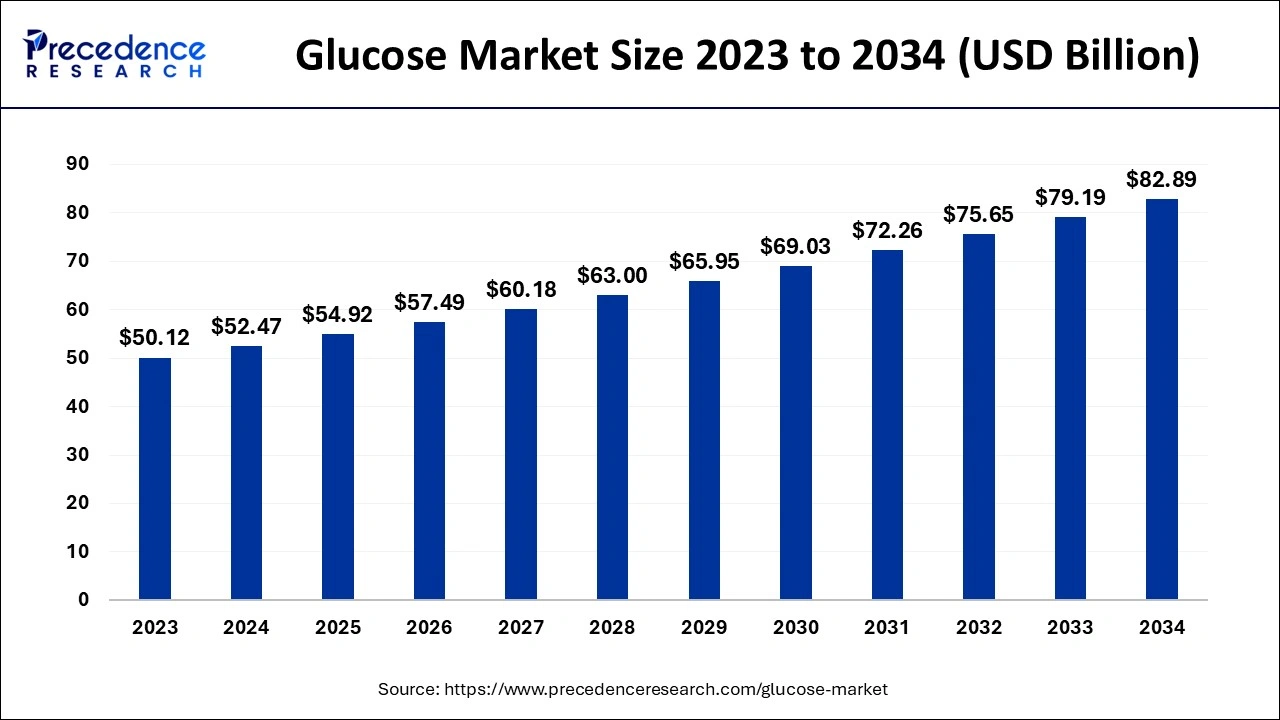
Food and beverage specialist vidyesh swar puts the glucose market at USD 57.49 billion in 2026, with the market expected to reach USD 86.48 billion by 2035 at a CAGR of 4.65%. Major glucose market companies such as Roquette Freres, Gulshan Polyols, Tate & Lyle PLC, are responding to changing consumer demand across segments including by form, by application.
Source: https://www.precedenceresearch.com/glucose-market
 Get a Sample
 Table Of Content


What is the Glucose Market Size?
The global glucose market size is calculated at USD 54.92 billion in 2025 and is predicted to increase from USD 57.49 billion in 2026 to approximately USD 86.48 billion by 2035, expanding at a CAGR of 4.65% from 2026 to 2035. Glucose is a critical source of energy for cells in the human body, and any disruptions in glucose regulation can cause serious health problems, including diabetes.
Glucose Market Key Takeaway
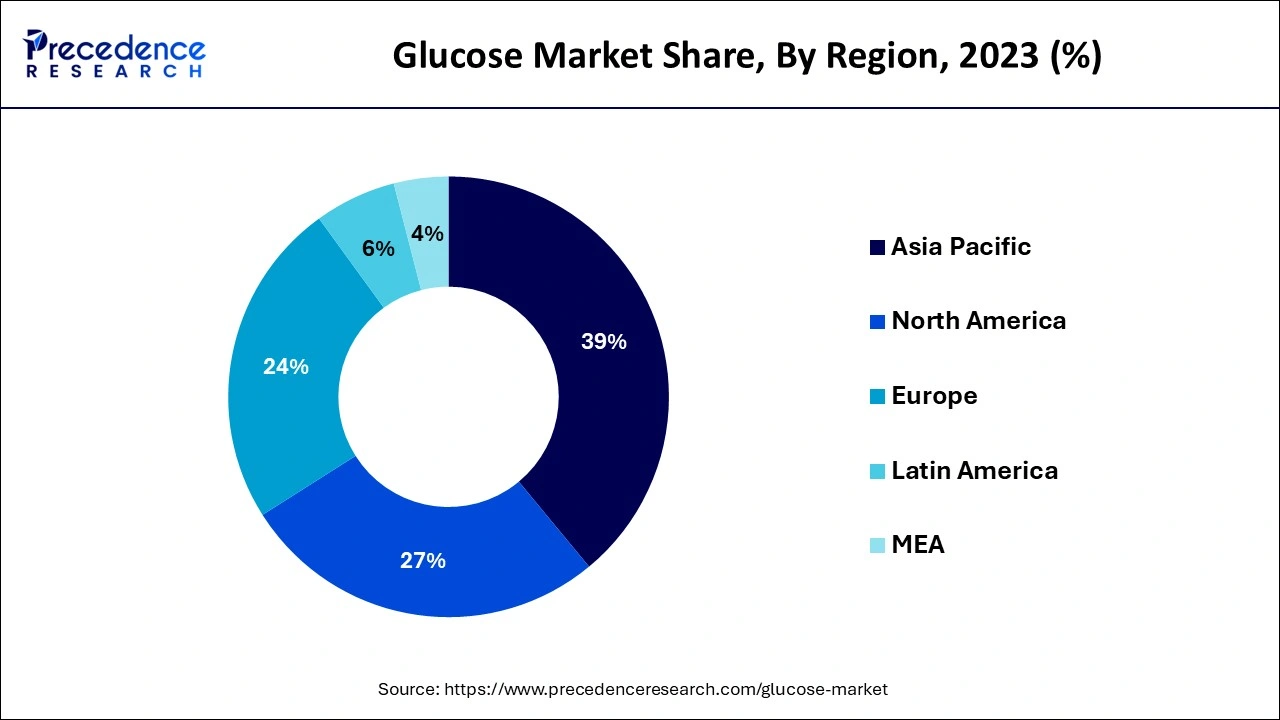
- Asia Pacific captured more than 39% of the revenue share in 2025.
- By form, the syrup sector leads the market and generated more than 72% of the revenue share in 2025.
- By form, the solid sector is expected to expand at a remarkable CAGR from 2026 to 2035.
- By application, the food and beverages segment dominated the market and generated more than 55% of the revenue share in 2025.
- By application, the cosmetic & personal care segment is expected to grow rapidly during the forecast period.
Market Overview
Rising sales of soft drinks, confectionery, as well as bakery products are boosting the glucose market. Glucose is utilized in a variety of industries, including pharmaceuticals, food and beverages, pulp and paper, and cosmetics and personal care. Apart from imparting sweetness, glucose functions as a stabilizer, flavor enhancer, texture enhancer, adjunct, humectant, coating & bulking agent, and preservative. One of the most significant benefits of glucose is that it inhibits sugar from crystallizing in sweets.
Glucose is primarily obtained from corn starch. Glucose is used in cosmetics and personal care for various product formulations, such as hair care and skin care products, cleaning products, makeup products, and bath products. It works as a humectant and skin-conditioning agent. The rising demand from the pharmaceutical industry boosts the market. Pharmaceutical companies are now selling medicines and supplements containing glucose, dextrose, and maltodextrin, which are beneficial to treat a variety of health problems.
What are the Primary Factors Helping AI in the Expansion of the Glucose Market?
AI is redefining the future of the glucose industry, emerging as a strategic tool to optimize crop management, boost energy efficiency, and drive sustainable production. AI applications revolve around sugar processing plants, and AI-powered systems enable operations to self-adjust for minimal waste and maximum efficiency and to analyze this data instantly. AI is impacting the entire sugar production chain, including real-time industrial monitoring and precision agriculture in sugarcane fields.
Growth Factors
- The rising production of sweeteners contributes to the growth of the market in the coming years.
- The rising demand for confectionery and bakery items and the expansion of the food and beverage industry are expected to boost the market during the forecast period.
- Increasing adoption of glucose in a range of industries, including pharmaceuticals, cosmetics, pulp and paper, and personal care, accelerates the growth of the glucose market.
- The rising demand for convenience meals is anticipated to boost the growth of the glucose market in the coming years.
Market Outlook
- Market Growth Overview: The glucose market is growing rapidly due to rising demand in food and beverages, pharmaceuticals, and biofuel production. Increasing consumption of sweeteners, energy drinks, and glucose-based formulations, along with industrial applications, is also driving market growth.
- Global Expansion: Worldwide growth is fueled by the expanding food processing, pharmaceutical, and bioenergy industries, along with rising awareness of energy-boosting products. Emerging regions such as Asia-Pacific, Latin America, and the Middle East & Africa offer opportunities due to growing population, increasing urbanization, and rising disposable income, driving consumption of glucose-based products.
- Major Investors: Major investors include food and beverage manufacturers, pharmaceutical companies, and venture capital firms focused on biotechnology and industrial ingredients. They contribute by funding R&D for new glucose applications, expanding production capacity, and supporting market adoption through strategic partnerships and global distribution networks.
Market Scope
| Report Coverage | Details |
| Market Size in 2025 | USD 54.92 Billion |
| Market Size in 2026 | USD 57.49 Billion |
| Market Size by 2035 | USD 86.48 Billion |
| Growth Rate from 2026 to 2035 | CAGR of 4.65% |
| Largest Market | Asia Pacific |
| Base Year | 2025 |
| Forecast Period | 2026 to 2035 |
| Segments Covered | By Form and By Application |
| Regions Covered | North America, Europe, Asia-Pacific, Latin America and Middle East & Africa |
Market Dynamics
Drivers
Increasing use in the bakery and confectionery industry
The increasing use in the bakery and confectionery industry is driving the growth of the market during the forecast period. Glucose is generally produced commercially by the enzymatic hydrolysis of starch. The starch is obtained from a wide variety of plants such as rice, wheat, potato, cassava, corn, arrowroot, and others. In the United States, corn starch is the most common source of glucose. It is commonly used to manufacture homogeneous confectionery items such as chewing gum and chocolates. Dextrose monohydrate is being used as an alternative to sucrose by confectionery manufacturers all over the world. Glucose or dextrose also serves as a flavour enhancer and texture-creating agent. It prevents sugar crystallization, a desirable feature in confectionery products, which increases its use in the confectionery industry significantly. Moreover, several food and beverage companies used these ingredients owing to the several benefits associated with them, including their use as sweeteners, binders, emulsifiers, and thickening agents.
Restraints
Diabetes is a significant impediment to market growth.
Many doctors believe fructose is better for people with diabetes than sugar, but glucose is absorbed by every cell in the body. The liver, on the other hand, is in control of fructose metabolism. Diabetes has been linked to the intake of high fructose corn syrup, which includes an abundance of free-floating fructose. In comparison to fruit, which contains fructose, fiber, and nutrients to aid digestion, glucose syrup has little nutritional value. There are only calories and sugar.
Opportunities
Increased R&D activity.
Rising R&D activities in a variety of industries, including pharmaceuticals, food and beverage, and others, as well as a strategy to track the untapped market, are expected to open up new opportunities for manufacturers in the glucose, dextrose, and maltodextrin markets.
The launch of low-sugar syrup has become a significant trend in the glucose industry, gaining popularity. To meet consumer demand and strengthen their position, significant players in the glucose industry are focusing on the launch of low-sugar syrups. For example, the ingredion launched a stable sweet low-sugar syrup in November 2020. It is produced with the support of corn.
The company intended to market these stable sweet low, sugar-glucose syrups in a variety of forms, including lollipops, chewy sweets, hard-boiled candy, gummies, and jellies. This reduces sugar recrystallization and stickiness in the finished product while improving shelf-life and color stability.
Segments Insighst
Form Insights
The syrup segment accounted for the largest share in 2023 due to its high usage in various for & beverages. Syrup is liquid glucose commonly derived from corn as well as cereal grains such as wheat, barley, rice, cassava, and potato. For instance, various glucose syrup was provided by AGRANA under the label AGENABON. Most of them are produced from wheat and corn. According to the culture of the region, it is generally used in the manufacture of a diverse range of beverages and food products.
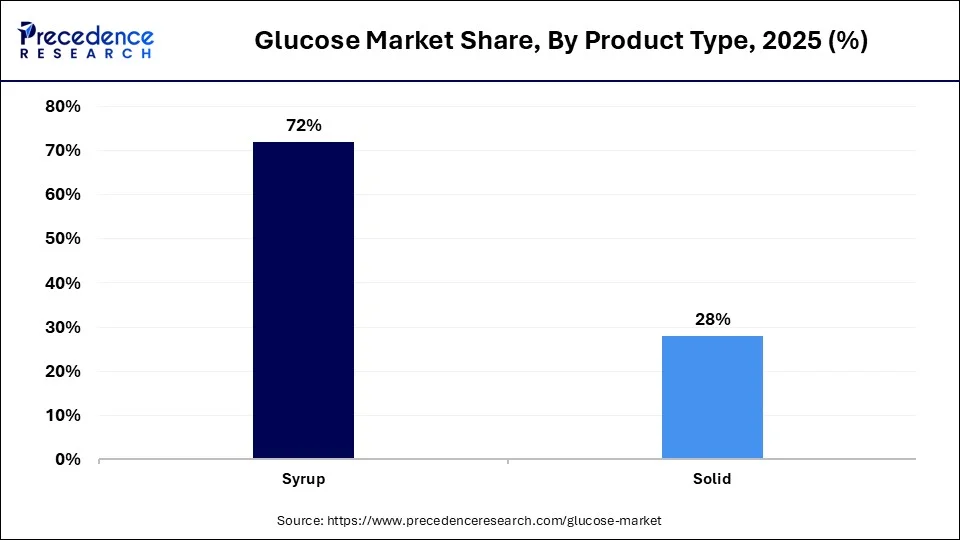
The rising demand for convenience foods, as well as the increased use of such syrups in bakery products such as desserts, are the factors propelling the segmental growth. Furthermore, as the demand for sugar substitutes increases, such syrups are used in the production of chewing gum, ice cream, canned meals, and chocolates.
Non-GMO, organic, vegan, and low-sugar syrups are among the current developments in the market. AGENABON, for example, aids in the reduction of microbiological decay during storage as well as the decrease of syneresis. AGENABON organic syrup is a preferred ingredient for non-GMO and organic products like spices, ice cream, meat products, ketchup, barbecue sauces, and liqueurs.
- The Food and Drug Administration (FDA) permits Glucose syrup and dried Glucose syrup to be used as sweeteners in food.
The solid segment is expected to expand at the fastest rate in the coming years. Glucose powder, or solid form, is widely used in food and beverages due to its adaptability. The rising demand for natural glucose powder is projected to contribute to segmental growth. Moreover, the longer shelf life of powder glucose contributes to its increased demand.
Application Insights
The food & beverages segment held the largest segment of the glucose market in 2023. This is mainly due to the rising demand for sweeteners in various food items. Glucose is mainly used in confectionery products like chocolates and chewing gum. Due to changing diet habits and urbanization, the demand for bakery products has increased. The application of glucose in baked goods has advantages; it's simply fermentable, promotes browning in buns and bread making, and avoids syrup crystallization. This makes it a suitable component in bakery goods.
The cosmetic & personal care segment is expected to grow rapidly during the forecast period. In cosmetics and personal care products, glucose is widely used in the formulation of bath products, eye makeup, cleansing products, skincare products, and hair care products. The demand for cosmetics and personal care products is increasing due to the growing awareness about hygiene, contributing to segmental growth.
Regional Insights
Asia Pacific Glucose Market Size and Growth 2026 to 2035
The Asia Pacific glucose market size accounted for USD 21.42 billion in 2025 and is expected to be worth around USD 34.28 billion by 2035, expanding at a CAGR of 4.81% between 2026 and 2035.
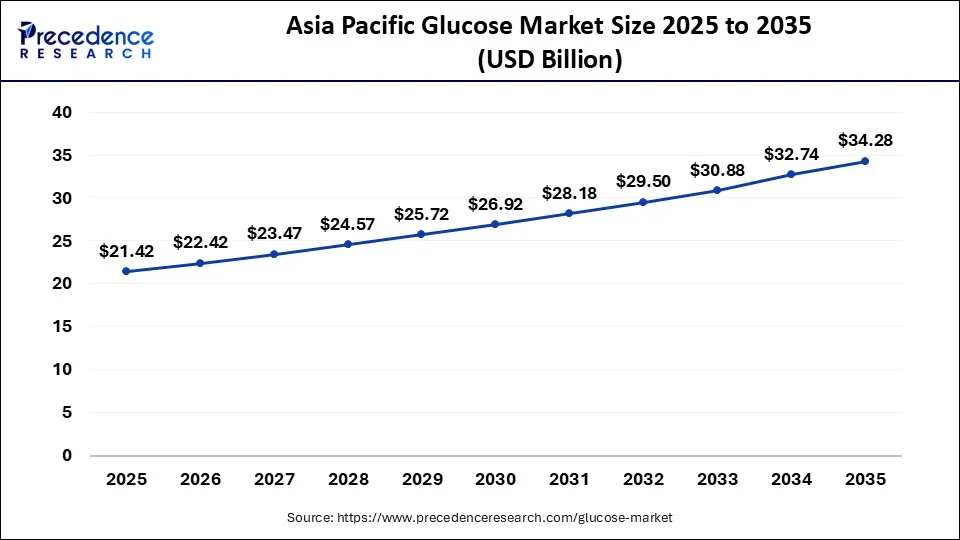
Asia Pacific led the glucose market in 2025 and generated for more than 39% of total revenue. The region is expected to maintain its dominance during the predicted period of 2024 to 2034. The existence of large customer support is the most important factor in determining the highest regional industry value. The region's major economies, including China and India, contribute significantly to revenue. The region's market is being driven by the rising need for food and beverage products in these countries as a result of large customers and prompt economic development.
India Market Analysis
The glucose market in India is growing due to rising demand from the food and beverage sector, particularly for confectionery, bakery products, and energy drinks. Increasing consumption of pharmaceuticals, nutritional supplements, and ready-to-eat meals further drives market expansion. Additionally, rapid urbanization, growing disposable incomes, and expanding industrial applications in biofuels and fermentation processes are contributing to the market's steady growth.
Why is the Market in Europe Growing?
Europe is gaining momentum due to its significant economies, which include the United Kingdom, Italy, and Germany. Organic, natural, and clean-label products are currently important factors driving demand in European industry. Due to the aging population's emphasis on health, European customers are opting for healthy options like fresh, artisanal, ethnic, and organic food products. As it has been manufactured in the region for over a century, glucose syrup dominates over solid form.
Germany Market Analysis
Germany is a major contributor to the European glucose market, supported by a strong food processing sector, advanced pharmaceutical manufacturing, and robust starch-processing capabilities. The demand for glucose in the country is driven by increasing consumption of confectionery, fermented beverages, and medical-grade glucose. Strict quality standards and technological efficiency further strengthen Germany's position within the regional market.
How is the Opportunistic Rise of North America in the Glucose Market?
North America is experiencing an opportunistic rise in the market, driven by strong demand from the food & beverages, pharmaceuticals, and nutraceuticals industries. High prevalence of diabetes, extensive use of glucose in IV solutions, and advanced corn wet-milling infrastructure support steady growth. Additionally, innovation in glucose-based products and regulatory support for food safety and health supplements bolster opportunities in the region.
U.S. Market Analysis
The U.S. dominates the North American glucose market due to abundant corn availability, large-scale wet milling operations, and strong demand from the food processing, pharmaceuticals, and nutraceutical sectors. High healthcare spending and widespread use of dextrose in clinical applications further drive consumption. Additionally, rising consumption of bakery products and energy drinks is likely to contribute to the market growth in the U.S.
Which Major Growth Factors Drive the Notable Growth of the Glucose Market in Latin America?
Latin America is expected to grow at a notable rate in the market during the predicted timeframe, driven by booming food and beverage processing, expansion of pharmaceutical and medical sectors, industrial bio-refining and fermentation trends, trade resiliency, and macroeconomic stability. Government initiatives across this region focus on two major areas such as agricultural trade modifications and aggressive public health regulations to curb sugar intake. Latin American governments make efforts to combat high rates of obesity and diabetes by introducing strict fiscal policies and encouraging food manufacturers to reformulate products.
How can the Glucose Market Expand in Brazil?
Brazil is transitioning toward abundant agricultural raw materials, industrial and pharmaceutical diversification, clean-label and processing innovations, and adoption of advanced tech. In May 2026, Brazil approved a new genetically modified sugarcane variety to improve field yields and curb borer damage.
How does the Glucose Market Majorly Impact the Significant Growth of MEA?
MEA is expected to grow significantly in the market in the coming years, propelled by the expansion of rapid soft drink and confectionery, urbanization, lifestyle shifts, localization of supply chains, integration of digital infrastructure, and rising healthcare spending. Government initiatives across this region are expanding industrial glucose or fructose agro-processing to substitute imports and boost the medical glucose monitoring and diabetes care market. Governments in the UAE and Saudi Arabia are driving digital health integration by integrating real-time smart glucose sensors into public health programs.
What is the Major Footprint of Saudi Arabia in the Glucose Market?
Saudi Arabia is transforming due to the national transformation program, localization of manufacturing, AI-powered diagnostics, e-pharmacy legislation, patient autonomy, and preference for home testing. The Saudi Food and Drug Authority (SFDA) announced that it has granted marketing authorization for the novel and versatile medical device that utilizes next-generation biosensor technology.
Government Initiatives in the Glucose Market
China
- In June 2025, seven major government agencies, including the Ministry of Education, the Ministry of Industry and Information Technology, People's Bank of China, the Ministry of Human Resources and Social Security, National Development and Reform Commission, National Food Safety Regulation Authority, and State Administration for Market Regulation, published the Implementation Plan for the Food Industry Digital Transformation. It was released with the aim of boosting industry competitiveness and securing food supplies. (Source: https://chinaobservers.eu)
United States
- In December 2025, the American Diabetes Association introduced standards of care in diabetes, which include updates and evidence-based guidelines to diagnose and manage diabetes and prediabetes. It also includes strategies to diagnose and treat diabetes in adults, children, and adolescents, which are based on recent scientific research and clinical trials. The notable updates cover information about glucose-lowering medications, new guidance on glucose-lowering therapies, and the use of continuous glucose monitoring. (Source: https://diabetes.org)
Germany
- In April 2026, Germany planned to introduce a sugar tax as part of efforts to address the budget deficit. The proposed sugar tax follows similar measures launched and implemented by several other countries, including France, Saudi Arabia, and the United Kingdom. (Source: https://www.chinimandi.com)
Brazil
- In May 2026, Brazil approved a new genetically modified sugarcane variety to help farmers raise its sugar content and increase overall field yield. It will also deliver productivity benefits, and this variety addresses one of the most prominent threats to cane cultivation in Brazil. (Source: https://www.chinimandi.com)
Saudi Arabia
- In August 2026, the Saudi Food and Drug Authority (SFDA) granted marketing authorization for an innovative dual glucose and ketone monitoring device. This innovative medical device utilizes next-generation biosensor technology. This device enables accurate, real-time monitoring of blood glucose and ketone levels. It boosts clinical response times for critical cases and supports improved diabetes management. (Source: https://saudigazette.com)
Glucose Market: Value Chain Analysis
- Production & Processing
Glucose is produced via starch extraction, enzymatic hydrolysis, saccharification, purification, and crystallization or syrup formulation for food, pharmaceutical, and industrial applications.
Key Players: Cargill Incorporated, Archer Daniels Midland (ADM), Ingredion Incorporated, Roquette Frères. - Quality Testing & Certification
Glucose products require certifications ensuring purity, safety, food-grade compliance, and pharmaceutical suitability.
Key Players: ISO (International Organization for Standardization), FDA (U.S. Food and Drug Administration), FSSAI (India), USP (United States Pharmacopeia). - Distribution to End-Use Industries
Glucose is distributed to food and beverage manufacturers, pharmaceutical companies, nutraceutical producers, and animal feed manufacturers.
Key Players: Tate & Lyle, Roquette Frères, AGRANA Group.
Competitive Landscape
The glucose market is driven by surging demand for bakery and confectionery, clinical applications, a rising incidence of medical emergencies, chronic care, and surgeries, and accelerated need for solid and liquid glucose. The top industries in the industrial glucose and sweetener sector are Cargill, Incorporated, Ingredion Incorporated, Archer Daniels Midland (ADM), Tate & Lyle PLC, and Tereos SA. Moreover, the leading players in the medical glucose monitoring and management are Abbott Laboratories, Dexcom, Inc., Medtronic plc, F. Hoffmann-La Roche Ltd, and Senseonics Holdings, Inc.
The core product offerings are Omnipod 5 automated insulin delivery system, Accu-Chek Guide & Accu-Chek Instant, Roche digital health suite, Cleardex & IsoClear syrups, functional texturizers, corn-derived glucose syrups, Claria functional carbs, Staley glucose syrups, Promitor soluble gluco-fibre, Meritose dextrose, and liquid glucose blend portfolios. R&D investments are driven across over-the-counter wellness platforms, advanced continuous glucose monitoring systems, and AI-driven metabolic algorithms.
Top Companies in the Glucose Market and Their Offerings
- Roquette Freres: Standard glucose syrups, maltodextrins, dried glucose syrups, dextrose, a combination of standard glucose syrups with digestive-tolerant fibers, NUTRIOSE soluble fiber, etc.
- Gulshan Polyols: Primary glucose syrups and liquids, liquid glucose, brown rice syrup, glucose derivatives, rice syrup solids, dextrose monohydrate, maltodextrin powder, native starch powder, and sorbitol.
- Sigma Aldrich Corporation: Diagnostic and quantitation kits, high-purity glucose reagents and standards, cell culture media supplements, etc.
- Atn Investments Pty Ltd.: Glucose syrup, dextrose monohydrate, food and beverages, pharmaceuticals, etc.
- Tate & Lyle PLC: Liquid glucose syrups, MALTOSWEET dried glucose syrups, maltodextrins, blood glucose management solutions, sugar reduction solutions, next-generation non-nutritive sweeteners, etc.
Glucose Market Companies
- Roquette Freres
- Gulshan Polyols
- Sigma Aldrich Corporation
- Atn Investments Pty Ltd.
- Tate & Lyle PLC
- Cargill, Inc.
- Archer Daniels Midland Company
- Pfizer, Inc.
- Ingredion, Inc.
- ProAgro GmbH
- Grain Processing Corporation
- Tereos SCA
- Avebe Group
- Global Sweeteners Holdings
- AGRANA
- Fooding Group Limited
Recent Developments
- In August 2026, Abbott Laboratories and Google announced the launch of a first-of-its-kind partnership to drive transformation of everyday health through AI and glucose insights. This partnership covers a large-scale research study to better inform AI coaching available in future Lingo product features and the Google Health app. (Source: https://abbott.mediaroom.com)
- In June 2026, Ultrahuman launched the M2 Live glucose platform in the U.S. with Abbott's continuous glucose monitor, which is referred to as Lingo. M2 Live will remove barriers that have kept metabolic health out of reach for many people in the U.S. (Source: https://cyborg.ultrahuman.com)
Segments Covered in the Report
By Form
- Solid
- Syrup
By Application
- Food & Beverages
- Bakery & Confectionery
- Dairy
- Soups, Dressings & Sauces
- Beverages
- Others
- Pharmaceutical
- Cosmetic & Personal Care
- Pulp & Paper
- Others
By Geography
- North America
- Europe
- Asia-Pacific
- Latin America
- The Middle East and Africa
For inquiries regarding discounts, bulk purchases, or customization requests, please contact us at sales@precedenceresearch.com
Frequently Asked Questions
Tags





Ask For Sample
No cookie-cutter, only authentic analysis – take the 1st step to become a Precedence Research client
 Get a Sample




 sales@precedenceresearch.com
 Schedule a Meeting
