



Human Meets Machine: How AI is Redefining HR Operations in Behavioral Healthcare?
Published: 05 Feb 2026
Author: Precedence Research



Under the leadership of Ramesh Mola, Summit Behavioral Healthcare has transformed its HR operations through AI-driven automation, reducing manual tasks by 57%, achieving annual savings of $900,000, and enhancing employee support through predictive scheduling, intelligent onboarding, and real-time digital assistance.
In the field of behavioral healthcare, managing staff presents a unique challenge because the workforce is deeply intertwined with the people they care for; employees are not only responsible for delivering compassionate care but are also themselves central to the organization’s mission. Striking a balance between operational efficiency and maintaining a human-centered approach is critical, yet often difficult to achieve.
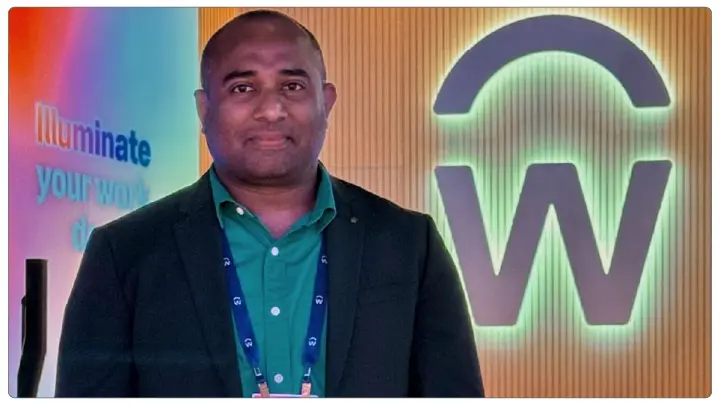
At Summit Behavioral Healthcare, this delicate balance is being transformed through the strategic use of technology. Under the leadership of Ramesh Mola, the organization’s Director of HRIS, the organization is leveraging advanced digital solutions to streamline HR processes, reduce administrative burdens, and support staff more effectively, allowing caregivers to focus on what matters most: delivering high-quality, compassionate care.
Ramesh Mola spearheads Summit Behavioral Healthcare’s initiative to integrate artificial intelligence and automation into daily HR operations. His approach is both straightforward and impactful: he focuses on using technology to support and empower employees, rather than replace them. As Mola explains, “The key is designing automation that serves people, not the other way around. Technology should amplify human potential, not obscure it.” By keeping this philosophy at the core of Summit’s HR transformation, he ensures that automation enhances efficiency and reduces administrative burdens while preserving the human-centered culture that is essential in behavioral healthcare.
Summit Behavioral Healthcare operates 44 facilities across the United States, employing thousands of clinicians, nurses, and support staff. Managing such a large and complex workforce brought ongoing challenges, from scheduling shifts and processing payroll to onboarding new employees, all while ensuring accuracy, consistency, and efficiency. To address these issues, Ramesh Mola and his team set out to create a connected, intelligent HR ecosystem by integrating disparate systems into a single, AI-enabled network.
Their workforce automation framework now seamlessly links Workday HCM, ShiftWizard, and payroll systems in real time, streamlining operations across the organization. This transformation has reduced manual HR work by 57%, improved task turnaround times by 42%, and resulted in annual savings of over $900,000, while freeing HR staff to focus on supporting employees and enhancing the overall workplace experience.
The impact goes beyond numbers. With AI handling routine tasks, HR can focus on supporting employees, especially new hires and frontline staff. AI-driven onboarding reduced time-to-job-readiness by 38%, a predictive scheduling model helps balance staffing and reduce burnout, and the Workday Assistant chatbot has cut support requests by nearly 50%.