



Fox ESS Launches CQ6 High-Voltage Battery, Expanding Scalable Energy Storage Options for Homes and Businesses
Published: 07 Jan 2026
Author: Precedence Research



Fox ESS, a multinational energy technology manufacturer, has launched the latest high-voltage battery energy storage system, the CQ6. This is also a breakthrough in battery design in Australia, which can be easily scaled and modular in design.
The new CQ6 system provides a capacity of 5.99 kWh per unit, which can provide useful capacity. They are capable of providing a great variety of applications, including residential rooftops and rural homes, as well as commercial and light industrial facilities. Fox ESS offers CQ6 as a future-proofed provision for changing policy, climate, and grid conditions.
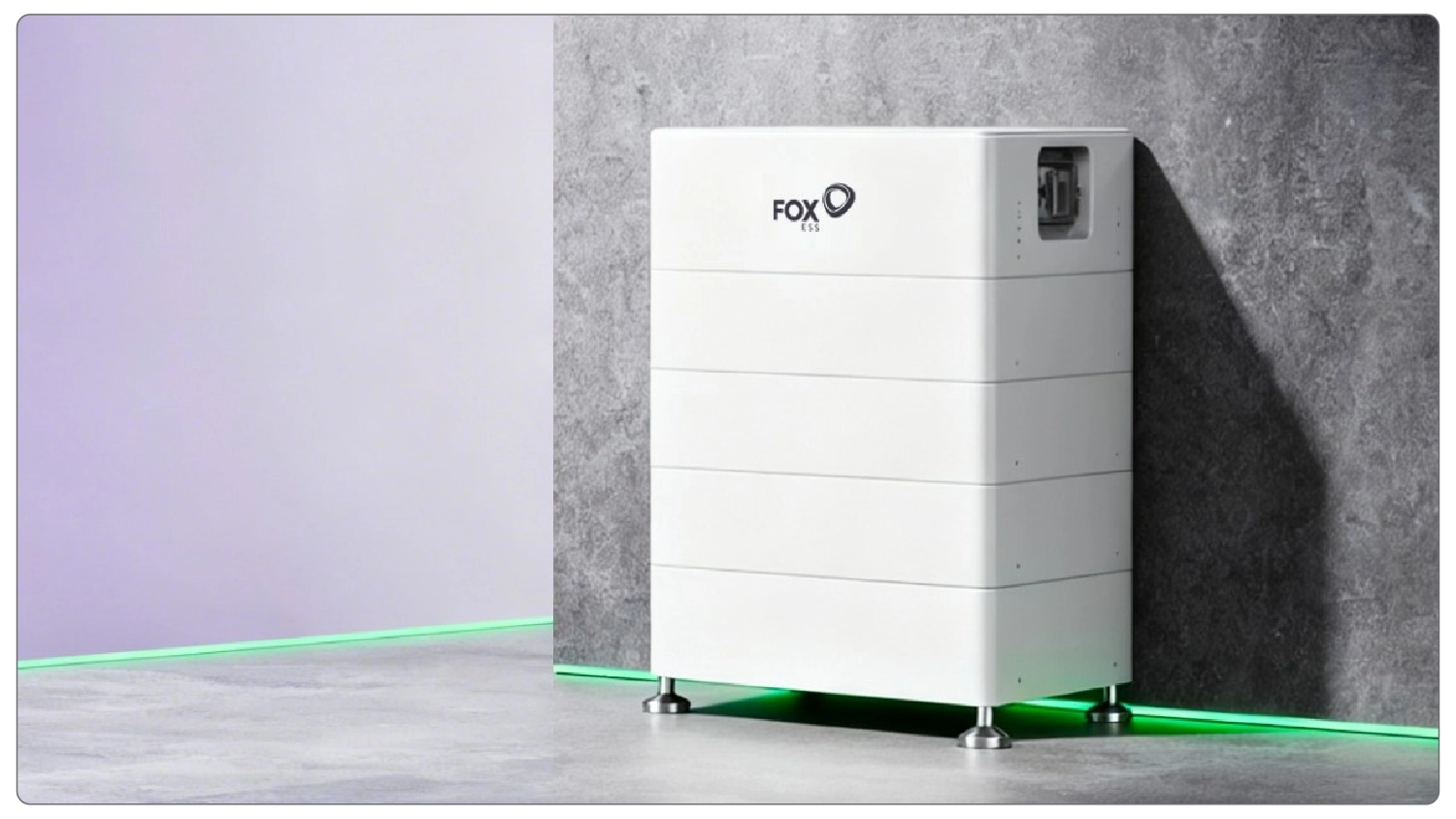
The introduction of the CQ6 is timely as Australia is still trying to perfect its energy incentives and storage supportive schemes, such as the Cheaper Home Batteries Program by the federal government. Fox ESS stressed that the CQ6 has been intentionally crafted to keep pace with these policy changes. This further provides homeowners and businesses with a battery system that strikes a balance between energy density and regulatory compliance. By allowing up to 48 kWh in one stack of eight units, the CQ6 fits well in the upper limits of the existing incentive programs. Offering significant storage capabilities to optimize solar self-consumption and energy independence.
In addition to being compliant with incentive programs, the CQ6 is characterized by a wide scale. Fox ESS assured that the battery system was capable of supporting as many as 14 units stacked together, providing a total storage capacity of 83.86 kWh per stack.
With the H3 Plus inverter used by the company, the installations can be further extended into three stacks, which can give the maximum system capacity of 251.58 kWh. This degree of modular growth enables the CQ6 to be as effective in both households eager to secure their solar investments in the future. Furthermore, the Fox ESS thinks the CQ6 places the company in an excellent position as Australia transitions to a more electrified and more rooftop solar penetration, as well as more demand for distributed storage.