



GoodWe Launches Three-Phase ESA All-in-One System for Residential and Small Commercial Use
Published: 04 Feb 2026
Author: Precedence Research



GoodWe announced the launch of its new three-phase ESA All-in-One energy storage solution. This is a major step forward in the company’s strategy to deliver integrated, intelligent, and scalable clean energy systems. Building on the success of its single-phase ESA Series in the market. The new three-phase system is offered to meet the changing demands of residential users and small commercial and industrial (C&I) users who need high power, increased flexibility, and energy resilience.
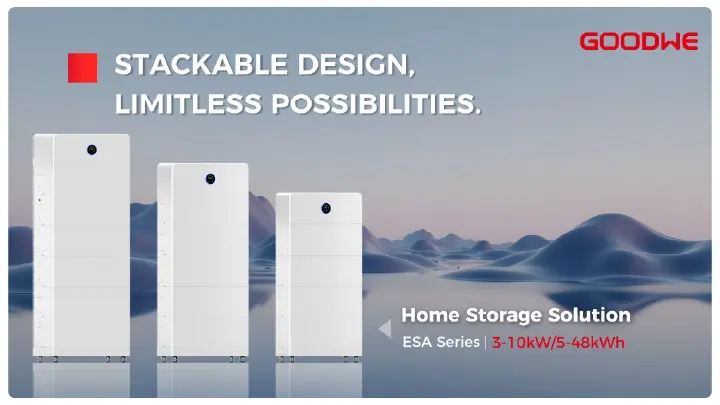
GoodWe states that the three-step ESA system is the direct response to the growing demands of the future-oriented energy solutions. The system is capable of keeping up with shifting consumption trends, the growing cost of electricity, and the growing instability of the grid. The new system is presented as a turnkey solution to streamline the complexity of the system and give them more efficiency and a sense of security. The company claims that by combining several elements into one. Users can enjoy the advantages of simplified installation, reduced lifecycle expenses, and enhanced system dependability. Furthermore, the solution can be used both by households and by small commercial enterprises.
The three-phase ESA system has the potential of supporting 12 battery modules, making it possible to provide a maximum storage capacity of 108 kWh in one system. In bigger applications, up to six systems may be linked in parallel, with an option of running both on and off-grid. This solution can be used in a wide variety of situations, including high-consumption residential real estate and small commercial facilities, like offices, retail spaces, and light industrial facilities. GoodWe observes that such parallel capability gives the freedom to users in scaling their energy infrastructure without affecting performance and reliability.
The three-stage ESA works in harmony with the SEMS Plus intelligent energy management platform. GoodWe, which implements algorithms based on artificial intelligence and predicts solar output on the basis of real-time weather conditions. The system heuristically optimizes the processes of charging and discharging to maximize the use of energy and economic benefits. Furthermore, the company restated its focus on intelligent sustainable energy technology investment in its long-term vision to help in the global shift to low carbon energy future.