



Now Ultra-Sensitive Imaging Could Revolutionize Early Cancer Detection
Published: 24 Dec 2025
Author: Precedence Research



Researchers have created an extremely sensitive imaging system that can identify cancer earlier than existing techniques, potentially revolutionizing cancer screening and diagnosis. Conventional methods frequently call for microscopic inspection and tissue staining, which can be laborious and occasionally overlook early indicators. This novel method described in a study published on Optica makes use of sophisticated light detection to detect cancer cells using incredibly weak optical signals that are normally impossible to detect cancer cells using incredibly weak optical signals that are normally impossible to detect with current instruments.
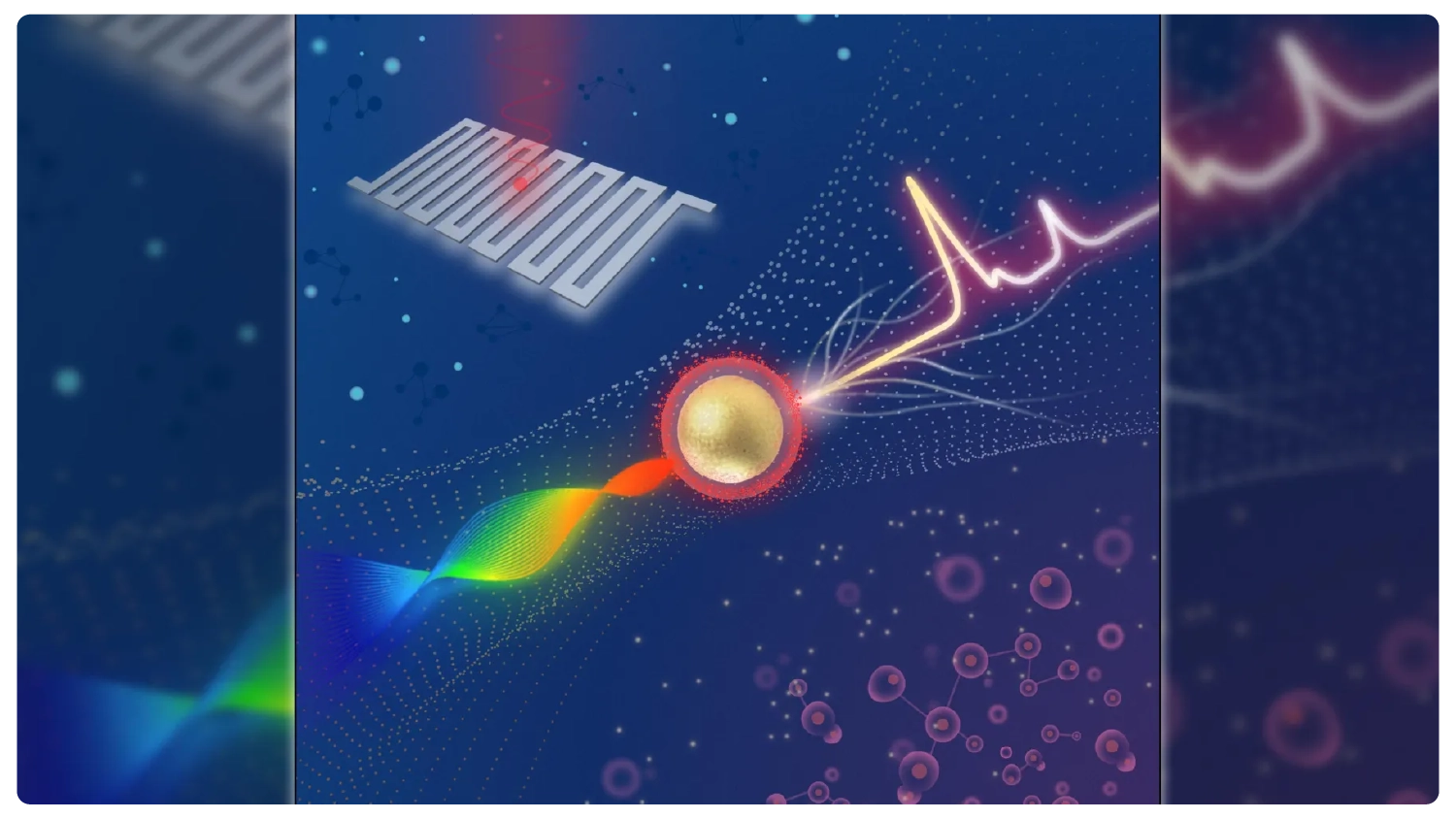
The system uses surface-enhanced Raman scattering nanoparticles that bind to cell markers specific to the tumor. The system can identify the unique light patterns that these particles produce when exposed to the laser of the device. The new technology amplifies even the weakest signals, making cancerous cells easily distinguishable from healthy tissue. Previously, these signals were too weak for standard devices to reliably register.
The combination of a superconducting nanowire single photon detector and a swept source laser is a key component of this innovation. With this configuration, the system can detect signals that are about four times weaker than those currently detected by commercial imaging systems. The increased sensitivity may eventually allow use in clinical or even portable settings, facilitate more accurate biopsies, and allow for early detection of tumors.
Testing in the lab has produced encouraging findings. Tumor cells in culture, breast cancer samples, and mouse tumors were successfully highlighted by the system, which produced a striking contrast between healthy and diseased tissue. This illustrates the possibility of detecting tumors at very early stages, accelerating diagnostics, and ultimately improving patient outcomes.
Even though technology has a lot of potential, more research is required before it can be used in clinical settings. Increasing imaging speed, extending testing to additional biomarkers, and investigating nanoparticles that target several cancer indicators at once are the goals of research. With these enhancements, the system may become a flexible tool for early cancer detection, providing hope for earlier intervention and increased survival rates. The team also plans to conduct extensive human trials and collaborate with hospitals to integrate this technology into routine screening. If successful, this system could significantly reduce cancer mortality rates worldwide.