



Hormone Replacement Therapy Market Size, Key Companies, Company Market Share, Patient Volume, Treatment Adoption Rates, Pricing Analysis, Regulatory Landscape, Clinical Trial Trends, Market Share, and Demand Forecast
Hormone Replacement Therapy Market (By Product: Oestrogen Hormone Replacement Therapy, Human Growth Hormone Replacement Therapy, Thyroid Hormone Replacement Therapy, Testosterone Hormone Replacement Therapy; By Route of Administration: Oral, Parenteral, Transdermal, Others; By Indication: Menopause, Hypothyroidism, Male Hypogonadism, Growth Hormone Deficiency, Others; By Distribution Channel) – Global Industry Analysis, Size, Trends, Leading Companies, Regional Outlook, and Forecast 2026 to 2035
Source: https://www.precedenceresearch.com/hormone-replacement-therapy-market
 Get a Sample
 Table Of Content


What is the Hormone Replacement Therapy Market Size?
The global hormone replacement therapy market size is valued at USD 39.64 billion in 2025 and is predicted to increase from USD 42.02 billion in 2026 to approximately USD 70.63 billion by 2035, expanding at a CAGR of 5.95% from 2026 to 2035. The hormone replacement therapy market is driven by the increasing prevalence of hormonal disorders and an aging population.
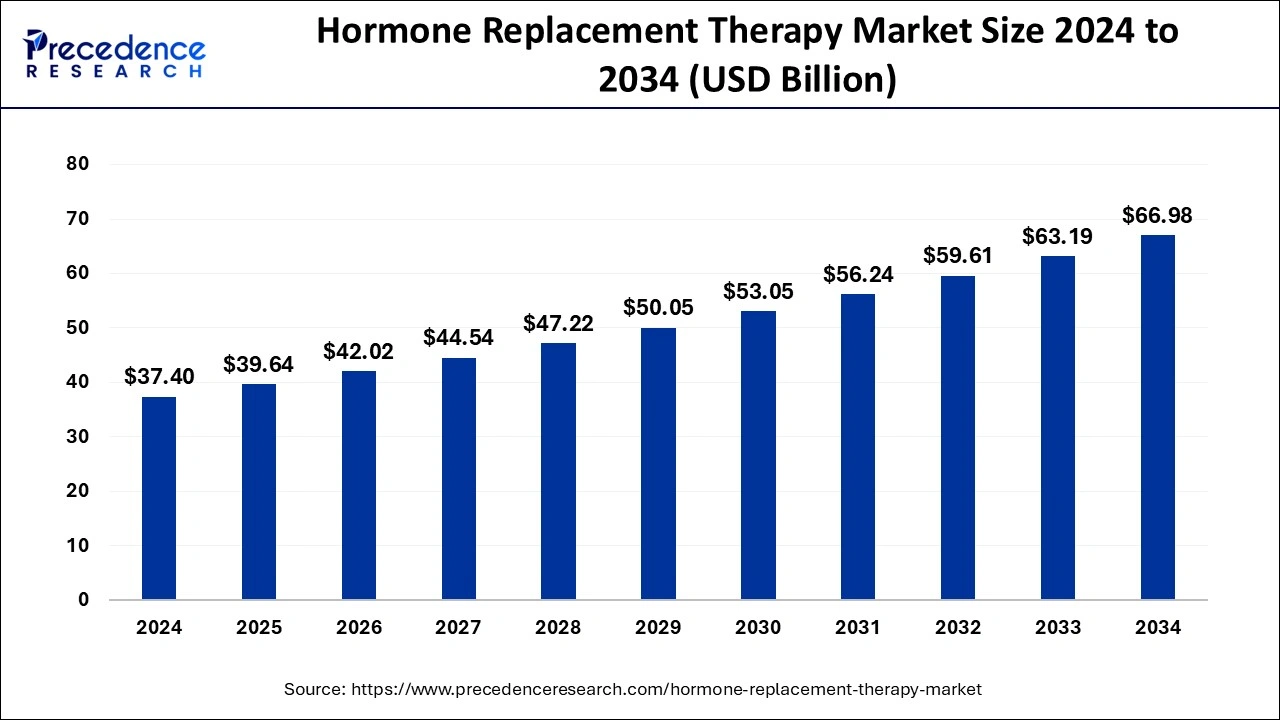
Hormone Replacement Therapy Market Key Takeaways
- By Region, North America held a majority revenue share of the hormone replacement therapy market in 2025.
- By Region, Asia Pacific is expected to grow at the fastest CAGR in the market during the forecast period.
- By product, the oestrogen hormone replacement therapy segment held a dominant position in the market in 2025.
- By product, the human growth hormone replacement therapy segment is expected to grow at the fastest CAGR in the market between 2026 and 2035.
- By route of administration, the parenteral segment accounted for a considerable revenue share in the market in 2025.
- By route of administration, the oral segment is expected to grow with the highest CAGR in the market during the studied years.
- By indication, the menopause segment led the global market in 2025.
- By indication, the growth hormone deficiency segment is expected to expand rapidly in the market with a CAGR in the coming years.
- By distribution channel, the hospitals & pharmacies segment registered its dominance over the global market in 2025.
- By distribution channel, the retail pharmacies & stores segment is expected to witness the fastest growth in the market with a CAGR over the forecast period.
Market Overview
This hormone replacement therapy market comprises therapies based on estrogen and other combined therapies. Deficiency of hormones can show symptoms such as mood swings, hot flashes, and night sweats, which can result in cardiovascular diseases and osteoporosis in the long run. It can help people with endometrial cancer in the uterus in women by incorporating progesterone.
The major reason influencing the growth of the hormone replacement therapy market is the huge number of growing population. The growing awareness among people regarding menopause-related issues and the advantages of hormone replacement therapy to enhance the quality of life. This market includes therapies such as combined therapy and estrogen therapy its administration route that can be transdermal, topical, oral, and injectable.
AI Integration in the Hormone Replacement Therapy Market
AI technology helps notify several ongoing challenges in the market which can be resolved for the expansion of the market. With the enhancement in safety and efficiency of this treatment, it plays a vital role in the growth of the hormone replacement therapy market. With the incorporation of AI personalized plans, a better understanding of patients' requirements can be designed which can help in enhanced care of patients, innovative customized medicines, and augmenting handling outcomes. By gathering entire data about the medical history of the patients the treatment becomes safe and effective which is helpful in the speedy recovery of the patient. Regular monitoring facilities and early detection of diseases due to AI increase the chances of effective treatment.
Hormone Replacement Therapy Market Growth Factors
- Growing focus on improving women's health and wellness, leading to more hormone replacement options to address various hormonal imbalances.
- Growing trend towards personalized HRT based on genetic, hormonal, and lifestyle factors, offering customized solutions for individual patients.
- Development of bioidentical hormones, transdermal patches, and long-acting injections offering safer, more effective, and less invasive alternatives to traditional HRT options.
- Enhanced safety profiles and reduced risks of side effects, making HRT more attractive to patients and healthcare providers.
Recent Trends
- There's growing demand for HRT as more people recognise hormonal‑imbalance issues (like menopause in women, and low hormone levels in men) and seek relief.
- Treatments are becoming more personalised, with bio‑identical hormones, combination therapies, and tailored delivery methods (patches, gels, implants) rising in popularity.
- Digital health and telemedicine are enabling easier access to HRT; more patients are getting consultations and prescriptions online.
- Sustainability and consumer interest in “natural” options are influencing the market, with greater interest in plant‑based hormones, eco‑friendly packaging, and cleaner formulations.
- Regulatory and reimbursement changes are helping expand access: for instance, governments are subsidising HRT in some regions, making it more affordable and available.
- Shift Towards Bioidentical Hormones: There is a growing preference for bioidentical hormones (structurally identical to those naturally produced by the body) due to the perception of fewer side effects compared to traditional synthetic options.
Market Outlook
- Industry Growth Overview: The hormone replacement therapy market is witnessing growth driven by aging populations, growing awareness of menopausal health and growing health, growing demand for individualized care. Hormonal imbalances, menopausal symptoms, and associated conditions are commonly treated with hormone replacement therapy. Gel patches and oral formulations are examples of delivery method advancements that are encouraging adoption.
- Sustainability Trends: To reduce side effects, manufacturers are concentrating on safer bio-identical plant-based hormone treatments. Additionally, efforts are being made to lessen the environmental impact of production and packaging while simultaneously increasing the safety and effectiveness of treatments.
- Startup Ecosystem: Personalized hormone replacement therapy (HRT) bio bio-identical hormone formulations, and digital patient management platforms are some of the innovative ideas being developed by startups. Many works with medical professionals are research facilities to improve the effectiveness and accessibility of treatments. Additionally, new companies are investigating specialized uses like telemedicine-based monitoring and low-dose treatments.
Strategic Growth Opportunities
- High-Growth Commercial Opportunities: There is a commercial opportunity due to the increasing demand for bioidentical hormone replacement therapy (HRT) and individuals' demand for therapy. This is due to the fact that there is no access to diagnosis or treatment of endocrine disorders and menopause in developed countries, which is expected to boost the market size.
- Emerging Technology Opportunities: Due to the progress of technology over time, and the new and powerful features in drugs and diagnostics, the future of HRT is brighter than ever. Personalized treatment and patient monitoring are improved with digital health platforms and diagnostics based on biomarkers.
- Geographic Expansion Opportunities: The Middle East & Africa and Latin America are potential growth markets on the back of growing disease awareness and advanced healthcare frameworks. Global partnerships and growing distribution chains are paving the way for market expansion in the region.
- White Space Analysis: Innovative opportunities for new market entrants in less market-penetrated patient segments and the development of safer hormone therapy could generate significant revenue. Better access to affordable therapies and AI-driven, personalised treatment will continue to help drive market growth.
Market Scope
| Report Coverage | Details |
| Market Size by 2035 | USD 70.63 Billion |
| Market Size in 2026 | USD 42.02 Billion |
| Market Size in 2025 | USD 39.64 Billion |
| Growth Rate from 2026 to 2035 | CAGR of 5.95% |
| Largest Market | North America |
| Base Year | 2025 |
| Forecast Period | 2026 to 2035 |
| Regions Covered | North America, Europe, Asia-Pacific, Latin America, and Middle East & Africa |
Market Dynamics
Driver
Rising aging population
The global population is aging, and the number of individuals going through menopause or experiencing age-related hormonal imbalances is increasing. As women age, they often face symptoms such as hot flashes, mood swings, and vaginal dryness, which can significantly impact quality of life. HRT provides effective relief from these symptoms. The growing aging population, particularly in developed countries, is a major driver of the Hormone Replacement Therapy (HRT) market. The rising awareness and acceptance of HRT as a treatment for managing menopause symptoms and other hormone-related conditions are contributing to its widespread use.
Restraint
Concerns related long-term safety
Despite its benefits, Hormone Replacement Therapy (HRT) has faced criticism due to concerns over its long-term safety and potential health risks. Studies have linked certain forms of HRT, particularly those with synthetic hormones, to an increased risk of breast cancer, blood clots, and stroke. These concerns, especially among women who are cautious about side effects, have led to hesitation in adopting HRT. As a result, some women opt for alternative treatments, or choose to avoid HRT altogether. This skepticism surrounding the safety profile of certain HRT treatments is a significant restraint for the market's growth.
Opportunity
Demand for bioidentical hormones
One of the most promising opportunities in the HRT market is the growing demand for bioidentical hormones, which are structurally identical to the hormones naturally produced by the human body. These hormones are considered safer and have fewer side effects compared to traditional synthetic hormones. Additionally, with the rise of personalized medicine, there is an opportunity to tailor hormone therapies based on an individual's unique genetic makeup, lifestyle, and specific hormonal needs. By customizing HRT treatments, healthcare providers can improve the efficacy and safety of the therapy, making it more appealing to patients who may be hesitant to use conventional HRT products. This trend toward personalized and bioidentical hormone therapies is expected to drive growth and innovation in the market.
Segments Insight
Product Insights
Which Oestrogen Hormone Replacement Therapy Segment Dominated the Hormone Replacement Therapy Market?
The oestrogen hormone replacement therapy segment held a dominant position in the market in 2025 as it is a popular therapy for the treatment of menopausal symptoms. Rising knowledge of the management of menopause has helped drive the adoption of menopause therapy. A common physiological intervention performed in eligible patients is prescribing oestrogen therapy. It's clinically effective, and this is strengthening market demand.
The human growth hormone replacement therapy segment is expected to witness strong growth during the forecast period due to the rising diagnosis of growth hormone deficiency. Better diagnosis and heightened awareness are helping to increase adoption of treatment. Growing availability of recombinant hormone therapies is further driving market growth. Growth in specialized endocrinology care is stimulating demand.
The thyroid hormone replacement therapy segment is projected to grow at a notable pace as a result of the rising trend of hypothyroidism. There is increasing recognition of thyroid disorders leading to earlier diagnosis and treatment. Enhanced or closer access to healthcare services is helping to drive the growth of adoption of therapy. Persistent treatment needs are a component of persistent demand. The rising expenditure in healthcare is likely to sustain the market.
The testosterone hormone replacement therapy segment is expected to witness steady growth during the forecast period, driven by an increasing number of men with male hypogonadism, which is likely to provide an opportunity for a steady increase in Testosterone hormone replacement therapy. There is a growing focus on men's health, encouraging adoption of treatment. Improvements are being made in the delivery of these drugs to make them more convenient for patients.
Route of Administration Insights
Why Did the Parenteral Segment Dominate the Hormone Replacement Therapy Market?
The parenteral segment dominated the market in 2025 owing to its high bioavailability and speedy therapeutic action. Substance used in injection dosage is more accurate, and the results will be more consistent. Most commonly used for growth hormone and testosterone replacement therapy. In certain clinical situations, parenteral administration is preferred by healthcare practitioners.
The oral segment is expected to grow significantly during the forecast period as it is both convenient and easy to use by the patients. Oral formulations will be administered with little effort; no medical assistance is needed. They are often given as a treatment for thyroid and menopause. The oral hormone medications are becoming more readily available, which enhances the market.
The transdermal segment is projected to grow at a notable pace as it can ensure controlled release of hormones. The use of transdermal patches and gels will make treatment more convenient for the patient and more likely to get them on board. These formulations are designed to decrease side effects at the gastrointestinal level caused by drugs taken by mouth.
Disease Insights
In the kind of illness fragment, menopause is supposed to be the quickest developing section over the gauge period from 2026 to 2035. As per the measurements given by the American Congress of Obstetricians and Gynecologists, around 6,000 ladies arrive at menopause every day.
The presence of different marked and nonexclusive medications and expanding mindfulness among ladies are expected to be the essential effect of delivering drivers. Rising number of ladies who are going to arrive at menopause and enlarging menopausal window from 40 to 55 years is driving the portion.
Indication Insights
How the Menopause Segment Dominated the Hormone Replacement Therapy Market?
The menopause segment dominated the market in 2025, as older women suffer from menopausal symptoms; menopause remains on the top priority list. Vasomotor and other menopausal symptoms are naturally relieved by hormone replacement therapy. The increasing attention and availability of women's healthcare are fueling the adoption.
The growth hormone deficiency segment is expected to grow steadily during the forecast period. There are more advances in diagnostic technologies, which are helping to detect the disease early. Recombinant growth hormone therapies are enhancing and improving treatment outcomes. The increasing uptake of endocrine therapies matches up with the increasing access to these therapies.
The hypothyroidism segment is projected to grow at a healthy pace due to the rising occurrence of several thyroid-related problems. There is better detection and screening of the thyroid and better treatment rates. The primary course of action for hypothyroidism continues to be sex hormone replacement treatment. Patients' increasing recognition facilitates long-term adherence in therapy.
The male hypogonadism segment is expected to experience considerable growth during the forecast period. As more people are aware of the problem of testosterone deficiency, more men are getting diagnosed. A rapidly growing population of aging men increases the treatment pool. New-generation testosterone replacement drugs are making better patients. The rising interest in men's health will have an impact on the market.
Distribution Channel Insights
Which Hospitals and Pharmacies Segment Led the Hormone Replacement Therapy Market?
The hospitals and pharmacies segment dominated the market in 2025, as a large number of hormones were being prescribed in hospitals. Hospitals have specialists in different fields of medicine such as endocrinology and women's health care. Consumers want to have prescription drugs easily available from hospital pharmacies. Physician supervision is also very vital to ensure adherence to the treatment devised.
The retail pharmacies & stores segment is projected to show exceptional growth due to the convenience it provides and the increasing pharmacy network. People appreciate retail convenience as patients, and they can see their practitioner when needed to collect the prescription. Favourable availability of hormone replacement drugs increases demand. Pharmacist counselling contributes to patients' trust and compliance with treatment.
The online pharmacies segment is anticipated to witness robust growth due to the rising penetration of digital knowledge, and home delivery in healthcare. Online prescription fulfillment is appreciated for its convenient customer service. Competitive pricing and subscription-based medicines are available to support this. Telemedicine is driving an expansion of online pharmacy use.
Regional Insights
North America Dominated the Hormone Replacement Therapy Market
North America ruled the general market for hormone replacement therapy as far as income share in 2025. Calculates like advancement the medication conveyance frameworks, improvement of new details, and rising objective populace inside North America are supposed to keep up with its strength over the estimate period. The NIH expresses that portion of the postmenopausal ladies have utilized HRT something like once. Asia Pacific, then again, is supposed to observe the quickest development over the gauge period from 2026 to 2035. Expanding mindfulness levels and rising focal point of medical services suppliers on the destruction of hormonal lacks are supposed to help the development of the market inside the locale.
In North America, the U.S. led the market owing to the surge in awareness of menopause management, increasing demand for effective disease treatments, and the growing prevalence of hormonal imbalances in the country. In addition, the market in the U.S. is witnessing innovation in product development, such as new drug delivery methods and bioidentical hormone therapy combinations.
Additionally, North America is having more market for Hormone Replacement Therapy. In North America, the U.S. addresses the biggest market as a result of expanding utilization of Hormone Replacement Therapy among patients matured 35 years and over. The accessibility of intensified drugs for example drugs in changed qualities, measurement structures, and so on - is a central point, which will in general lift the income development of this very famous therapy market. Beginning stage of maturing combined with rising extra cash levels are other significant elements fuelling market income development.
U.S. Hormone Replacement Therapy Market Size and Growth 2026 to 2035
The U.S. hormone replacement therapy market size is calculated at USD 11.38 billion in 2025 and is predicted to reach around USD 20.77 billion by 2035, growing at a CAGR of 6.20% from 2026 to 2035.
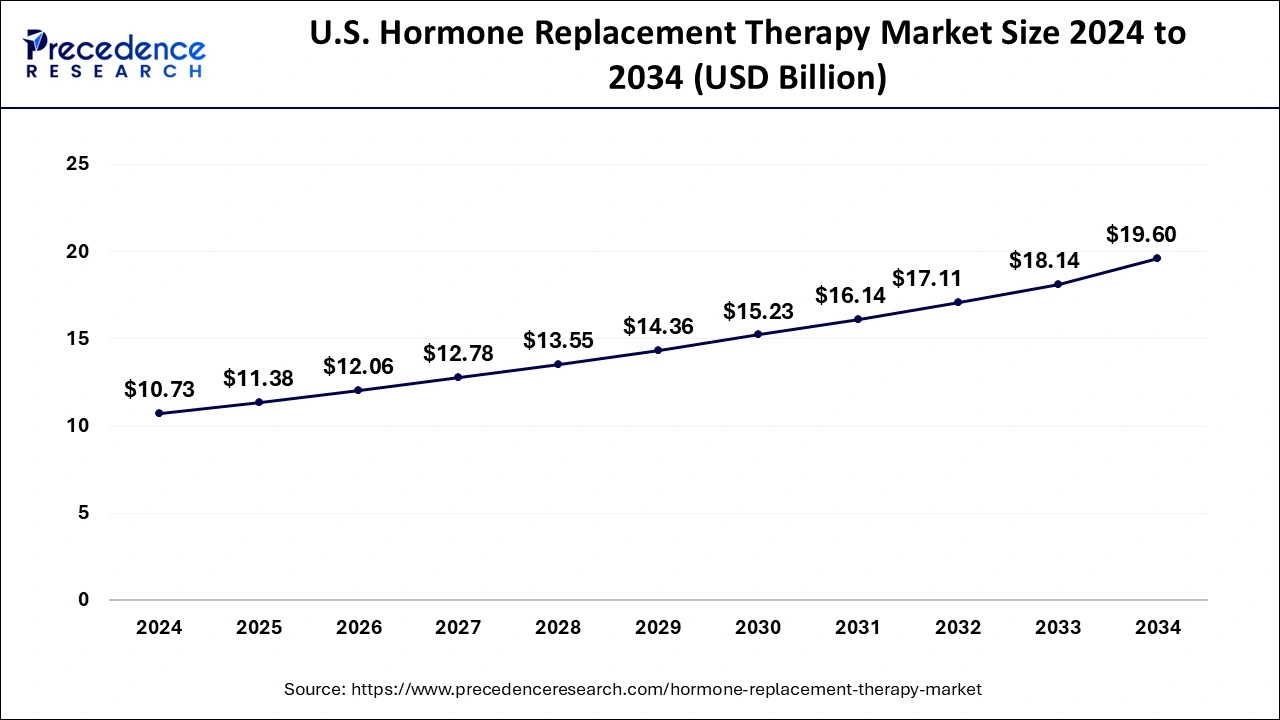
Asia district is supposed to have more development rate in forthcoming years due to expanding mindfulness about Hormone Replacement Therapy around here. In Asia locale India, China, Japan are supposed to have more development rate for Hormone Replacement Therapy.
In Asia Pacific, China dominated the market by holding the largest market share due to a rapid surge in the population which leads to a higher prevalence of chronic diseases. The country is also witnessing a rapid increase in the aging population with a higher incidence of health issues and hormonal imbalances like menopause in women and andropause in men.
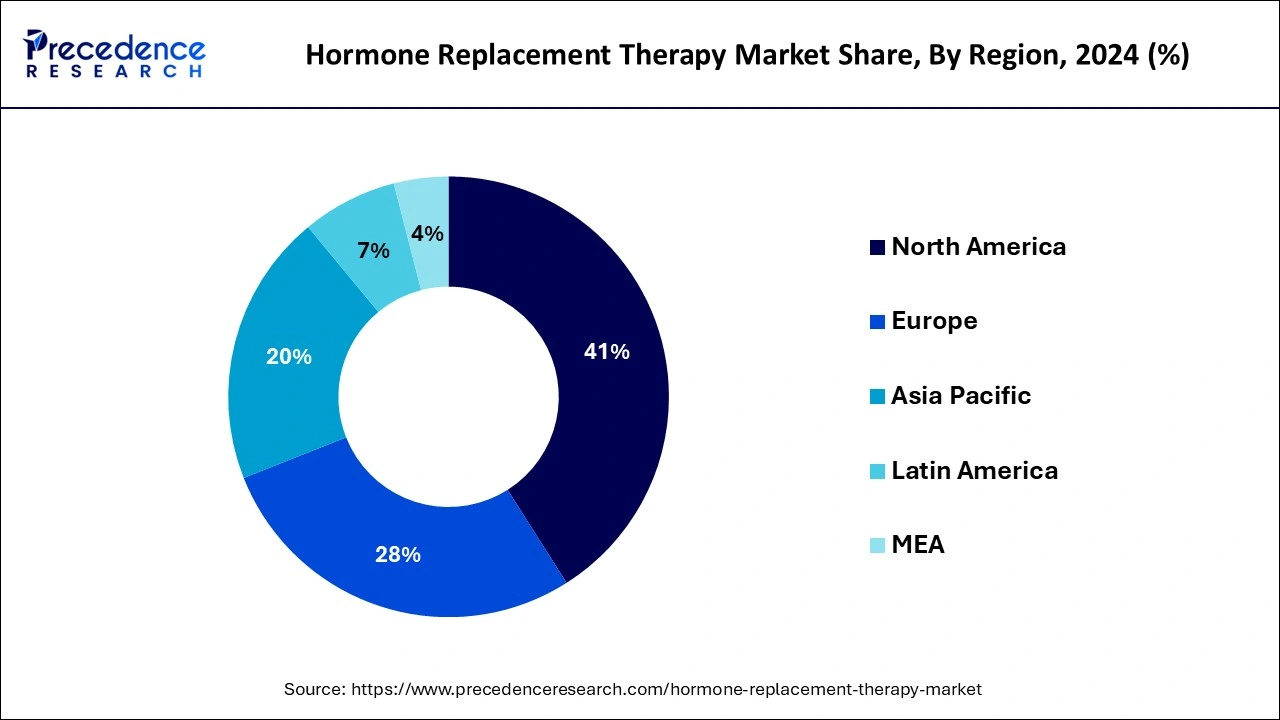
Europe is expected to grow at a notable rate over the forecast period. The growth of the region can be credited to the surge in awareness of hormone-related disorders, innovations in treatment options, and the rapidly growing aging population. Also, advancements such as new delivery methods and formulations are improving overall treatment efficacy and safety, further fuelling market expansion in the region.
Will the Middle East and Africa Grow in the Hormone Replacement Therapy Market?
The Middle East and Africa region is expected to grow at a considerable CAGR in the upcoming period, driven by the growing prevalence of hormonal disorders and high accessibility to specialized healthcare services. The marketing of women's health programs and the development of endocrinology treatment services continue to be supported by increasing investments in the region. The rising cost of health care and the better diagnosis of hormone-related conditions are also driving demand for hormone replacement therapies. Moreover, changing healthcare structures and an increasing emphasis on preventative healthcare are contributing to long-term growth opportunities in the market.
UAE Market Analysis
UAE is the leading player in the region due to high investments in healthcare, rising awareness about women's health, and the use of advanced hormonal treatment methods. The shifting trend towards personalized hormone therapy, growing specialty clinics, and the modernization of healthcare also contribute to market growth.
How is Latin America Growing in the Hormone Replacement Therapy Market?
Latin America is considered to be a significantly growing area, due to the increasing incidence of hormonal disorders, menopause-related symptoms, and increasing life expectancy. There is a push underway by governments and health providers to improve access to women's healthcare services and encourage the use of HRT. The region's market is also growing due to the increase in private healthcare facilities and disposable income.
Brazil Market Analysis
Brazil leads the market in Latin America, as it boasts the presence of a large patient population, the presence of a well-established pharmaceutical industry, and awareness regarding the treatment options for menopause. The provision of greater access to healthcare, growing demand for women's health products, and more physicians practicing modern hormone therapy are also driving market growth.
Government Initiatives
United States
- In 2025, the USA FDA once again changed its plans to revoke the wide-ranging boxed warnings previously issued in media articles concerning HRT as a menopausal treatment when re-examining new clinical information. (Source: https://www.fda.gov)
Competitive Landscape
The hormone replacement therapy market is moderately consolidated and is driven by a mix of differentiation among key players in the pharmaceutical industry and specialty endocrinology product manufacturers, with a focus on novel product formulations, delivery systems, and therapeutic indications. Top players like Pfizer, AbbVie, Novo Nordisk, and Theramex enjoy competitive positions in the market with well-established product lines, a strong clinical research pipeline, and a wide geographical presence.
To enhance treatment adherence and therapeutic outcomes, drug delivery companies are increasingly developing transdermal patches, topical gels, bioidentical hormone formulations, and patient-friendly delivery systems. Product launches, regulatory approval, agreements, acquisitions, and investments in women's health and endocrine therapies are driving the competition. Businesses are looking to enhance innovation and patient engagement strategies, as personalized medicine and digital health solutions for monitoring hormones gain traction.
Value Chain Analysis
- R&D: HRT products are developed through extensive research to create safe and effective hormone formulations. Focus areas include bio-identical hormones, delivery methods, and personalized therapy solutions.
- Clinical Trials and Regulatory Approvals: Strict clinical trials are conducted to evaluate the safety and effectiveness of HRT treatments. Health authorities' regulatory approvals guarantee adherence to international standards before market introduction.
- Packaging and Serialization: Proper packaging and sterilization are critical to maintain product stability and safety. HRT products are often packaged in sealed, sterile forms such as gels, patches, or vials to ensure quality during distribution and use.
Hormone Replacement Therapy Market Companies
- Novo Nordisk A/S
- Pfizer Inc.
- Endo International Plc
- Allergen Plc
- Janssen NV
- Novartis AG
- Bayer AG
- Merck KGaA
- Mithra Pharmaceuticals
- Teva Pharmaceuticals
- Mylan N.V
- Other Market Players
Collaboration Landscape
- In November 2025, the U.S. FDA worked with hormone therapy manufacturers to update the information on the labels of these products to incorporate the most current clinical data. The objective was to increase patients' accessibility and to be able to give correct benefit-risk feedback. (Source: https://www.fda.gov)
- In May 2025, Bayer AG continued to engage in regulatory conversations throughout the world with a view to developing and commercializing elinzanetant for the treatment of menopausal vasomotor symptoms. This collaboration focused mainly on improving the availability of treatment centers in key markets. (Source: https://www.bayer.com)
Recent Developments
- In February 2025, The HRT Club launches to expand access to hormonal care. The HRT Club provides access to a network of over 700 healthcare providers who can prescribe hormone replacement therapies. The HRT Club bypasses pharmacy benefit managers and has direct agreements with drug manufacturers and independent wholesalers. (Source: https://medcitynews.com)
- In December 2024, Checkpoint Therapeutics, Inc. announced that the U.S. Food and Drug Administration (“FDA”) has approved UNLOXCYT™ (cosibelimab-ipdl) for the treatment of adults with metastatic cutaneous squamous cell carcinoma (“cSCC”) or locally advanced cSCC who are not candidates for curative surgery or curative radiation. (Source: https://www.globenewswire.com)
- In May 2024, Jagsonpal announced the launch of MemUp, India's first hormone replacement therapy (HRT) featuring a USFDA-approved combination of bio-identical estradiol and bio-identical progesterone in a single daily oral capsule.
- In September 2024, Otsuka Pharmaceutical Co., Ltd. (Otsuka) collaborated with Bonafide Health, LLC (Bonafide Health) and announced the launch of "Thermella™". It is a plant-based supplement that contributes to women's health during menopause. Thermella was launched on Bonafide Health's website on September 23, 2024 (EST).
- In Apr 2024, Theramex announced the acquisition of UK & European rights to Duphaston and Femoston from Viatris; the UK competition authority identified possible risks of reduced treatment options and higher prices. Source - Reuters
- In May 2024, Jagsonpal Pharmaceuticals Limited launched “MemUp”, billed as India's first bio‑identical HRT single‑pill combining estradiol and progesterone. Source - Jagsonpal
Latest Announcements by Market Leaders
- In November 2024, GOJO Industries President and CEO, Carey Jaros and Corporate Sales Director Moshe Lewis and National Sales VP, Ashley Fubini received top honors from ISSA for industry leadership. Joras expressed her gratitude by saying that it is her honor to accept this award but it wouldn't have been possible with her Team GOJO.
Segments Covered in the Report
By Product
- Oestrogen Hormone Replacement Therapy
- Human Growth Hormone Replacement Therapy
- Thyroid Hormone Replacement Therapy
- Testosterone Hormone Replacement Therapy
By Route of Administration
- Oral
- Parenteral
- Transdermal
- Others
By Indication
- Menopause
- Hypothyroidism
- Male Hypogonadism
- Growth Hormone Deficiency
- Others
By Distribution Channel
- Hospitals Pharmacies
- Retail Pharmacies & Stores
- Online Pharmacies
By Geography
- North America
- Latin America
- Europe
- Asia-pacific
- Middle and East Africa
For inquiries regarding discounts, bulk purchases, or customization requests, please contact us at sales@precedenceresearch.com
Frequently Asked Questions





Ask For Sample
No cookie-cutter, only authentic analysis – take the 1st step to become a Precedence Research client
 Get a Sample
.webp)



 sales@precedenceresearch.com
 Schedule a Meeting
