



Transcatheter Aortic Valve Replacement Market Size, Key Companies, Company Market Share, Patient Volume, Treatment Adoption Rates, Pricing Analysis, Regulatory Landscape, Competitive Positioning, and Demand Forecast
Transcatheter Aortic Valve Replacement Market (By Implantation Procedure: Transfemoral, Transapical, Transaortic, Stainless Steel, Nitinol, Cobalt Chromium, Others; By Material: Stainless Steel, Nitinol, Cobalt Chromium, Others; By Mechanism: Balloon-expanding Valve, Self-expanding Valve; By End-Use: Hospitals, Ambulatory Surgical Centers, Others) - Global Industry Analysis, Size, Trends, Leading Companies, Regional Outlook, and Forecast 2026 to 2035
Source: https://www.precedenceresearch.com/transcatheter-aortic-valve-replacement-market
 Get a Sample
 Table Of Content


What is the Transcatheter Aortic Valve Replacement Market Size?
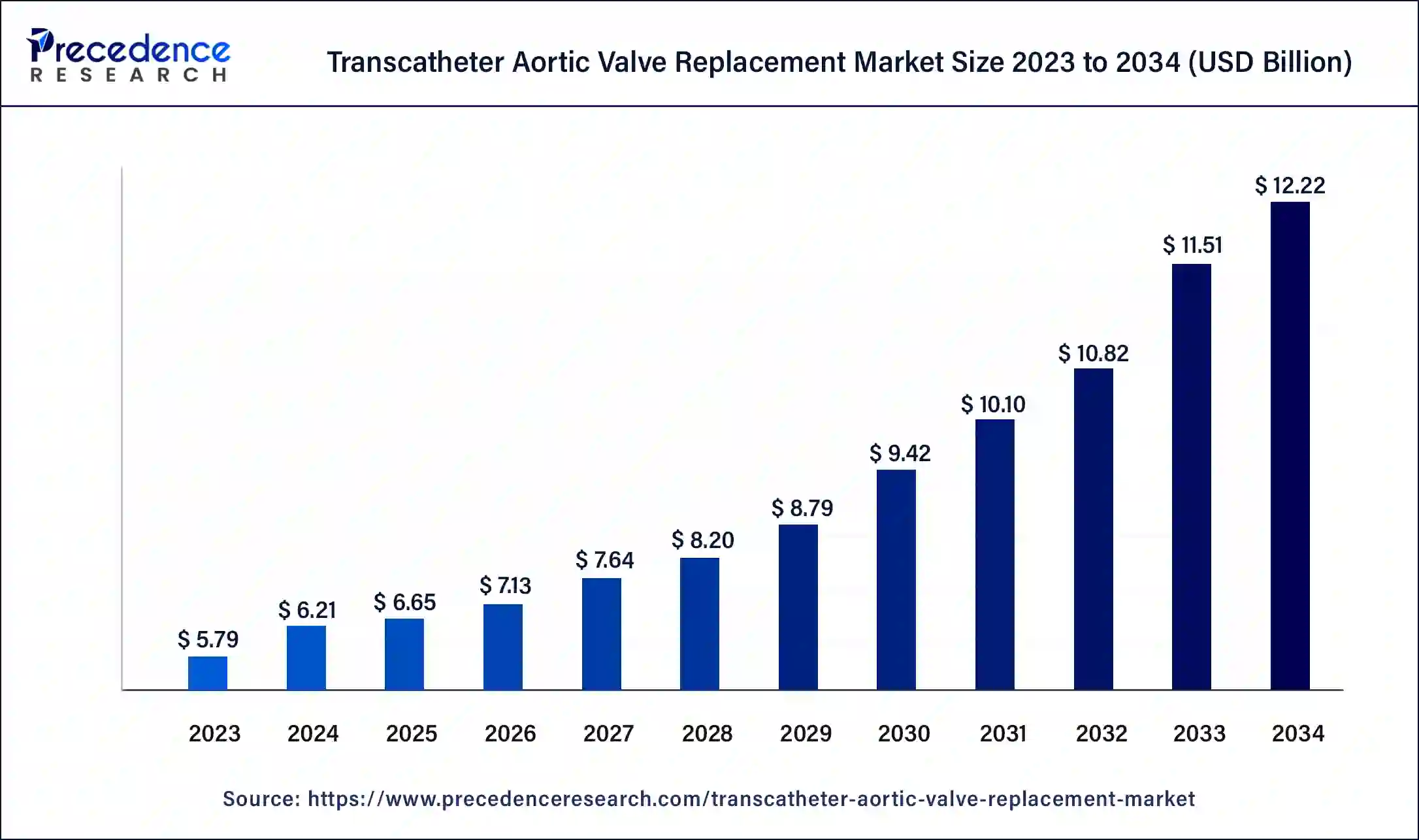
The global transcatheter aortic valve replacement market size is calculated at USD 6.65 billion in 2025 and is predicted to increase from USD 7.13 billion in 2026 to approximately USD 12.92 billion by 2035, expanding at a CAGR of 6.87% from 2026 to 2035. Due to rising cardiovascular disease prevalence, ageing populations, minimally invasive treatment adoption, and continuous advancement in valve technologies worldwide.
Market Highlights
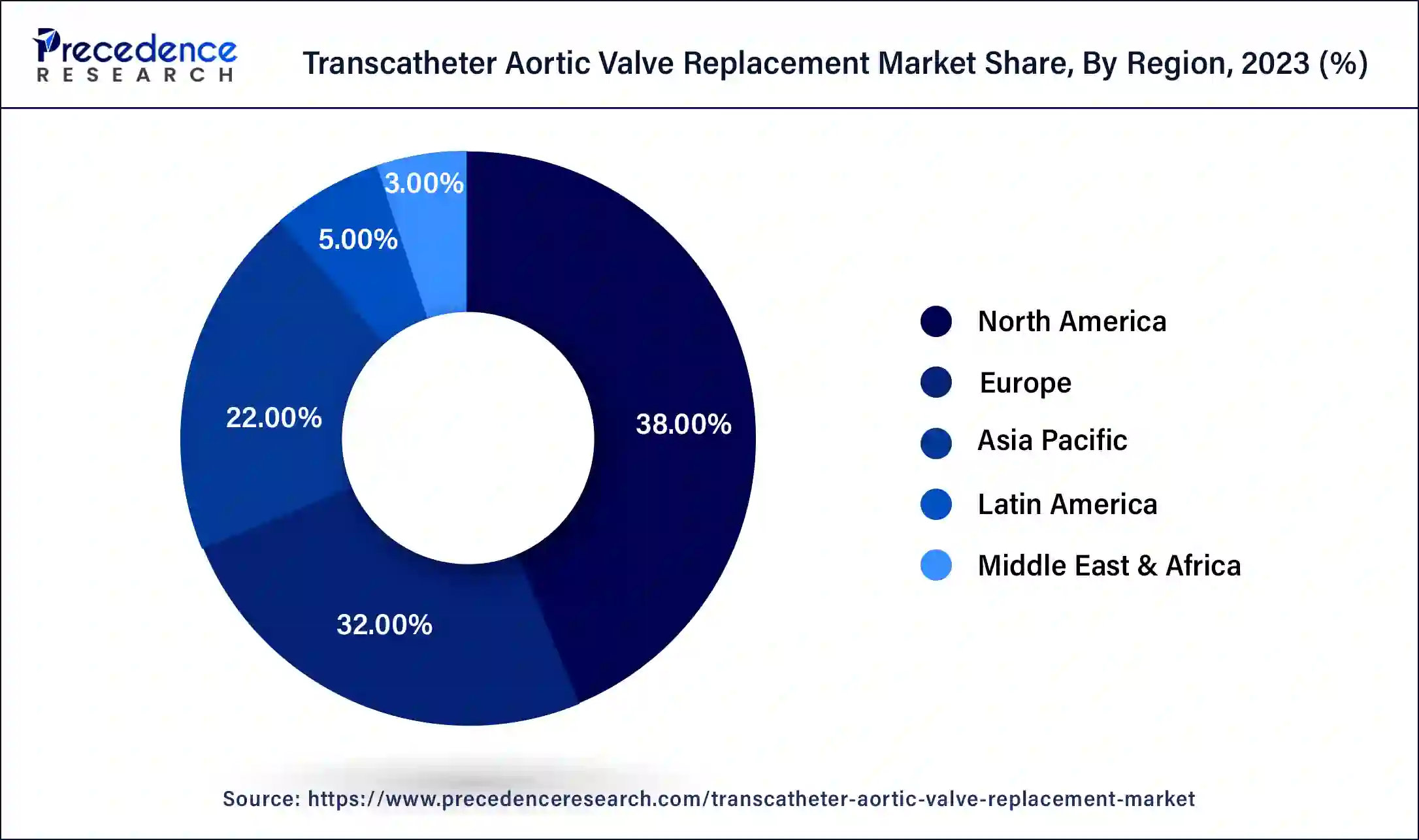
- North America has held a major revenue share of 38% in 2025.
- Europe is expected to observe the fastest expansion during the forecast period.
- By Implantation Procedure, the transfemoral segment has held the highest revenue share 54% in 2025.
- By Implantation Procedure, the transapical segment is estimated to expand at a remarkable CAGR of 8.1% during the projected period.
- By Material, the nitinol segment contributed more than 40% of revenue share in 2025.
- By Material, the cobalt-chromium segment is anticipated to grow at the fastest CAGR over the projected period.
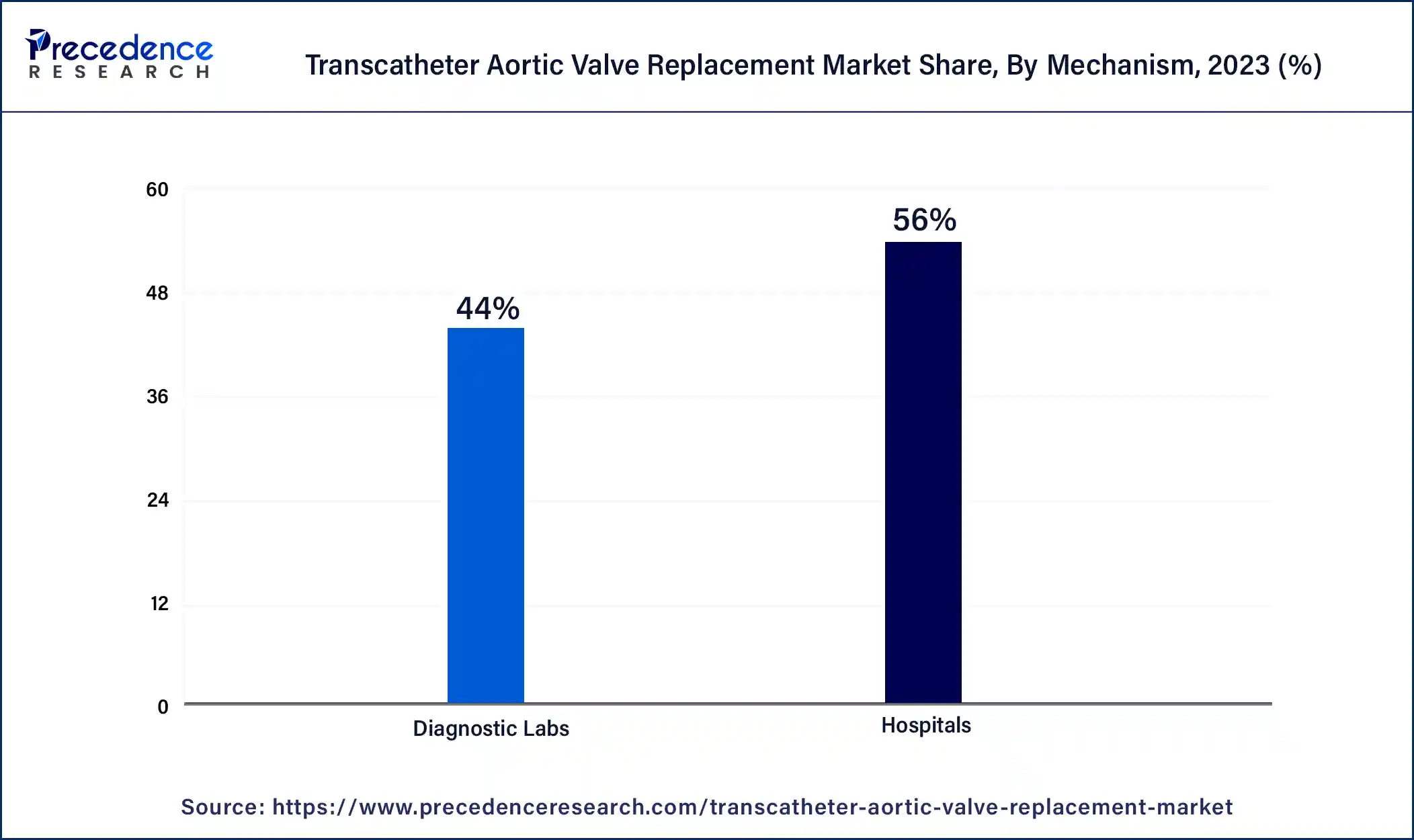
- By Mechanism, the balloon-expanding segment held the maximum revenue share of 56% in 2025.
- By Mechanism, the self-expanding valve segment is anticipated to expand at a faster CAGR of 9.9% over the predicted period.
- By End-use, the hospitals segment has contributed more than 88% of revenue share in 2025.
- By End-use, the ambulatory surgical centers segment is expanding at a CAGR of 7.8% over the predicted period.
Market Overview
Transcatheter aortic valve replacement industry is witnessing unprecedented growth due to increasing incidences of aortic stenosis, incidences of aortic stenosis are increasing at an alarming rate particularly among the geriatric population. TAVR has been considered a better choice for valve replacement compared to the conventional method of valve replacement.
Technical development such as improved valves, smaller delivery systems, and better imaging techniques have contributed to the market's growth, increased awareness among medical professionals and consumers, along with increased use of minimally invasive heart operations, has further contributed to the demand for TAVR products.
Additionally, the growth of the market has been enhanced by increased investment in healthcare, expansion of the facilities providing cardiovascular care, and approval of new transcatheter heart valves, the major players in the market of medical devices are engaged in innovation and research in order to increase accessibility and enhance their position in the market.
What is Transcatheter Aortic Valve Replacement?
The transcatheter aortic valve replacement (TAVR) market has been undergoing substantial growth within the realm of medical devices. TAVR serves as a minimally invasive solution for addressing aortic valve ailments, particularly among elderly or high-risk patients. This surge can be attributed to its less intrusive nature, abbreviated recovery periods, and favorable patient outcomes. Factors propelling this expansion include a burgeoning aging demographic, heightened awareness of TAVR as a viable treatment avenue, and the continuous evolution of device technology.
What is the Use of AI in the Transcatheter Aortic Valve Replacement Market?
The use of artificial intelligence in transcatheter aortic valve replacement is wide-ranging, including the automation of CT-based anatomical measurements, imaging quality improvement, patient risk prediction, real-time procedural guidance, and post-implantation monitoring optimization. Consequently, the process becomes more accurate, efficient, and personalized in terms of clinical outcomes along the patient care pathways.
- In October 2025, Medtronic partnered with DASI Simulations. This partnership is aimed at deploying AI algorithms to transcatheter aortic valve replacement (TAVR) programs across the U.S. (Source: https://cardiovascularbusiness.com )
Transcatheter Aortic Valve Replacement Market Growth Factors
- The transcatheter aortic valve replacement (TAVR) sector is currently experiencing robust expansion within the sphere of medical devices. TAVR, a groundbreaking minimally invasive procedure tailored for aortic valve ailments, is gaining prominence, especially among elderly and high-risk patients. This burgeoning market's growth is underpinned by several distinct factors.
- One prominent trend fueling the TAVR market is the global aging demographic. As the elderly population continues to grow, so does the prevalence of aortic valve diseases, creating a heightened demand for innovative treatments like TAVR. Moreover, TAVR has emerged as the preferred choice over traditional open-heart surgery due to its less invasive approach, quicker recovery periods, and reduced mortality rates, thus galvanizing its adoption and propelling market expansion.
- In tandem with its rapid growth, the TAVR market grapples with certain challenges. Navigating intricate regulatory pathways and approval processes can be arduous and time-consuming, impacting the introduction of novel TAVR devices. Furthermore, variations in reimbursement policies and healthcare funding across regions pose hurdles, affecting patient access to TAVR procedures. Addressing these regulatory and reimbursement challenges while ensuring device safety and efficacy remains paramount within the industry.
- Within the dynamic TAVR landscape, numerous lucrative business opportunities await. Ongoing technological advancements continually enhance device design, elevating procedural outcomes and broadening the pool of eligible candidates for TAVR. Increasing awareness of TAVR as a viable treatment option, both among healthcare providers and patients, presents an opportunity for expanded market penetration. Additionally, venturing into emerging markets with burgeoning healthcare infrastructure offers companies fresh avenues for growth and revenue diversification.
- In summation, the TAVR market is experiencing impressive expansion due to demographic shifts, increased consciousness, and continuous technological evolution. While contending with intricate regulatory and reimbursement challenges, the sector is brimming with opportunities for creativity, market enlargement, and the augmentation of patient welfare. As the healthcare community further acknowledges the benefits of TAVR, this minimally invasive intervention is primed to take on an even more central role in the care of aortic valve disorders in the foreseeable future.
Market Outlook
- Industry Growth Overview: The aging populations and the increasing demand for minimally invasive cardiac interventions are the main drivers of market growth.
- Sustainability Trends: The innovation is all about the patient, not only in terms of quality but also in terms of quantity, with the use of durable valve materials, the efficiency of the whole procedure, and the optimization of long-term outcomes.
- Global Expansion: North America is at the forefront of adoption, while the Asia Pacific is progressively becoming a key player, thanks to the unmet clinical needs and its expansion.
- Major Investors: Among the main innovators, there are the following: Edwards Lifesciences, Medtronic, Abbott Laboratories, and Boston Scientific.
Market Scope
| Report Coverage | Details |
| Market Size in 2025 | USD 6.65 Billion |
| Market Size in 2026 | USD 7.13 Billion |
| Market Size by 2035 | USD 12.92 Billion |
| Growth Rate from 2026 to 2035 | CAGR of 6.87% |
| Largest Market | North America |
| Base Year | 2025 |
| Forecast Period | 2026 to 2035 |
| Segments Covered | By Implantation Procedure, By Material, By Mechanism, and By End-Use, and region |
| Regions Covered | North America, Europe, Asia-Pacific, Latin America, and Middle East & Africa |
Market Dynamics
Drivers
Less invasive approach
The less invasive approach offered by transcatheter aortic valve replacement (TAVR) is a pivotal driver of market growth. This minimally invasive alternative to traditional open-heart surgery has revolutionized the treatment of aortic valve diseases. Its impact on market expansion can be elucidated in several ways.
Firstly, TAVR significantly reduces the physical trauma associated with surgery, resulting in shorter hospital stays and quicker recovery times for patients. This not only enhances the patient experience but also increases the overall capacity of healthcare facilities to accommodate more procedures, driving market growth.
Secondly, the less invasive nature of TAVR attracts a broader patient demographic, including those deemed high-risk or inoperable for traditional surgery. This expanded patient pool amplifies the demand for TAVR procedures and fosters market expansion. Additionally, healthcare providers favor TAVR due to its reduced morbidity and mortality rates compared to surgical alternatives. This preference further encourages its adoption, and as more physicians become adept at performing TAVR procedures, its utilization continues to grow. In conclusion, the less invasive approach of TAVR not only benefits patients but also propels market growth by broadening its applicability, enhancing healthcare capacity, and garnering support from healthcare professionals.
Restraints
Limited data for specific patient groups
Insufficient data for specific patient groups presents a noteworthy impediment to the burgeoning transcatheter aortic valve replacement (TAVR) market. Although TAVR has exhibited remarkable efficacy in managing aortic valve conditions in select demographics, such as the elderly and high-risk patients, there exists a conspicuous paucity of robust clinical information concerning other distinct cohorts, notably those with bicuspid aortic valves or younger individuals.
This shortage of comprehensive clinical insights raises legitimate concerns regarding the safety, effectiveness, and long-term consequences of employing TAVR in these unique patient subsets. Both healthcare practitioners and patients may exhibit hesitance in favoring TAVR over conventional surgical alternatives due to the absence of tailored data pertinent to their specific requirements.
Furthermore, regulatory authorities often necessitate substantial clinical substantiation for device approvals, and the deficiency of such data may hinder the timely introduction of TAVR devices for these particular patient categories. To surmount this challenge, concerted efforts in research and the initiation of clinical trials tailored to these populations are imperative to furnish the essential evidence base and broaden the scope of TAVR, thereby catalyzing its expansion within the market.
Opportunities
Patient and physician education
Patient and physician education plays a pivotal role in creating opportunities within the transcatheter aortic valve replacement (TAVR) market. By increasing awareness and understanding of TAVR's benefits, safety, and appropriateness, education facilitates market growth. For patients, comprehensive information about TAVR empowers them to make informed decisions regarding their treatment options. Greater awareness can lead to more patients considering and choosing TAVR, expanding the potential patient pool and driving demand for the procedure.
Physician education is equally critical. Training programs and continuous medical education initiatives ensure that healthcare providers are well-versed in the latest TAVR techniques and technologies. This not only enhances patient safety but also boosts physician confidence in recommending and performing TAVR procedures, further driving its adoption. Overall, patient and physician education fosters trust, acceptance, and increased utilization of TAVR, ultimately creating substantial growth opportunities within the market.
Segments Insights
Implantation Procedure Insights
Why the Transfemoral Segment Dominates the Transcatheter Aortic Valve Replacement Market?
The transfemoral segment dominated the transcatheter aortic valve replacement market in 2025. Due to its minimally invasive nature and being the favoured implantation method among others, the process involves the insertion off the device via the femoral artery, thus minimising the trauma, duration of hospital stay, and recovery period, the high success rate of the technique is one of the reasons for its leadership in the TAVR market.
Transapical segment expects the fastest growth in the market during the forecast period. Because it offers another way of performing the procedure for patients that are unsuitable for a transfemoral procedure, there have been in surgery technology, increasing complexity of cardiovascular conditions, and clinical settings leading to an increase in TAVR Procedures.
Material Insights
Why the Nitinol Segment Dominates the Transcatheter Aortic Valve Replacement Market?
The nitinol segment dominated the transcatheter aortic valve replacement market in 2025. because owing to these special characteristics of nitinol, such as shape memory and super elasticity that ensures proper expansion and fitting of the frame of the patient's anatomy, due to the high quality provided by the nitinol frames, they have become very popular for the new generation of TAVR Devices.
Cobalt-chromium segment expects the fastest growth in the market during the forecast period. Due to the high strength, anti- corrosive nature, and durability offered by the material, this leads to the production of thin but highly durable valve frames, thereby enhancing the performance and ease of delivery of the devices.
Mechanism Insights
Why The Balloon-Expanding Segment Dominates the Transcatheter Aortic Valve Replacement Market?
The balloon-expanding segment dominated the transcatheter aortic valve replacement market in 2025. Due to its clinical efficacy, accurate positioning of the valve, end popularity in cardiac facilities, the balloon- expandable valves are characterised by high radial force and good deployment, there is also abundant clinical experience and continuous advancement in technology in the market segment.
Self-expanding valve segment expects the fastest growth in the market during the forecast period. Due to their flexibility and capability to adjust to different anatomical structures, they help offer easy placement and better performance, advancement in technology and growing preference of physicians towards flexible valve systems are expected to boost the segment's growth.
End-use Insights
Why the Hospitals Segment Dominates the Transcatheter Aortic Valve Replacement Market?
The hospitals segment dominated the transcatheter aortic valve replacement market in 2025. Due to the high requirement four facilities with cardiac care capabilities, well-equipped cath labs, and experience to hard teams among other requirements, hospitals deal with many cases of cardiovascular illnesses while providing complete pre and post- procedure care, they also have access specialist doctors and advanced imaging technology.
Ambulatory surgical centres segment expects the fastest growth in the market during the forecast period. Due to significant growth within the transcatheter aortic valve replacement market as a result of rising demands for economical and non-invasive procedures, development in TAVR technology, reduced recovery periods, and increased efficiencies have allowed it certain patients to undergo treatments within ambulatory surgical centres.
Regional Insights
Why North America is Dominating the Transcatheter Aortic Valve Replacement Market?
North America Dominate Transcatheter Aortic Valve Replacement Market, due to the high incidence of aortic stenosis, well- established healthcare system, presence of major players, and early acceptance of minimally invasive cardiac procedures, the other factors that further contribute towards the dominant position of the region are favourable reimbursement regulations and continuous advancement in the technology.
U.S. Transcatheter Aortic Valve Replacement Market Trends
Due to state-of-the-art cardiac care centres, increased use of minimally invasive surgical techniques, and the rising number of older patients suffering from aortic stenosis, the key factor supporting market development in the country include robust reimbursements, developments in clinical practises, and the presence of large medical devices manufacturers.
U.S. Transcatheter Aortic Valve Replacement Market Size and Growth 2026 to 2035
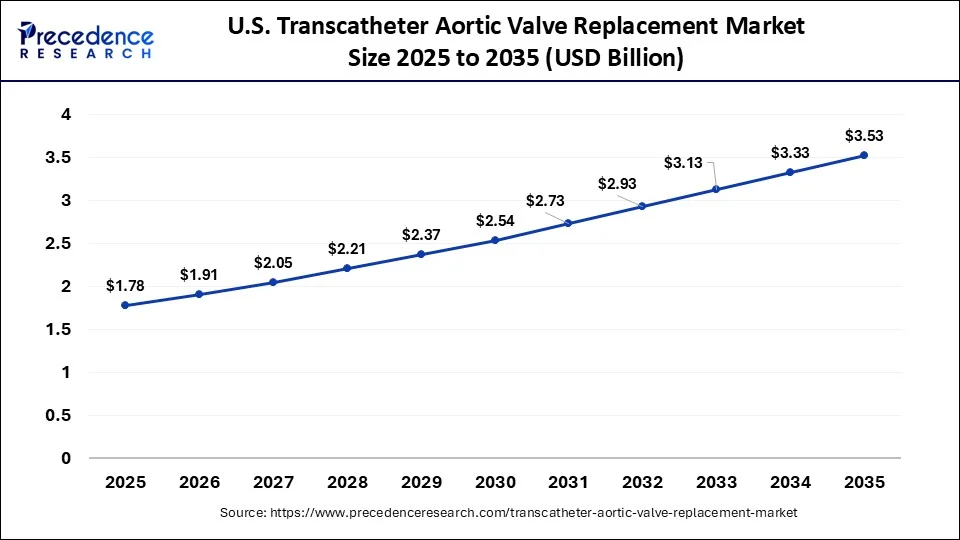
The U.S. transcatheter aortic valve replacement market size was valued at USD 1.78 billion in 2025 and is estimated to reach around USD 3.53 billion by 2035, growing at a CAGR of 7.09% from 2026 to 2035.
Europe Transcatheter Aortic Valve Replacement Market Trends
Europe expects the fastest growth in the market during the forecast period, Due to the increased prevalence of heart diseases, aging population, and increasing uptake of minimally invasive cardiac procedures, favourable health care policies, availability of advanced medical technologies, and innovations in products offered by major players have been adding fuels to the growth of the transcatheter aortic valve replacement market in the region.
Germany Transcatheter Aortic Valve Replacement Market Trends
Due to contributing to the market for transcatheter aortic valve replacement in Europe because of its sophisticated health care and adoption of advanced cardiac technologies along with an ageing population, awareness regarding minimally invasive surgery is helping in the growth of TAVR in Germany.
Asia Pacific Expects the Significant Growth in the Market
Due to significantly owing to the increasing incidence of cardiovascular diseases, growing ageing population, and improved healthcare facilities in the region, adoption of manually invasive procedures, growing health care spending, and increased access to cardiac care technologies are driving market growth in countries like China, Japan and India.
China Transcatheter Aortic Valve Replacement Market Trends
Because of increasing cases of cardiovascular disease and ageing population as well as the rising demand for manually invasive cardiac surgeries, the country's developing healthcare system, investment in advanced medical devices by the government, and presence of local and international players in the valve industry is helping drive TAVR adoption.
Middle East Expects the Significant Growth in the Market
Due to the rise in cardiovascular disease cases, healthcare investments, and availability of sophisticated cardiac treatment facilities in the region, the improvement in hospital infrastructure, the practise of minimally invasive techniques, and increasing awareness of both patients and healthcare providers about TAVR devices are factors driving the demand in the region.
UAE Transcatheter Aortic Valve Replacement Market Trends
Due to the rise in the number of heart disorders, healthcare infrastructure advancements, and the adoption of minimally invasive heart surgeries, the government efforts, investments in cardiac centres, development of medical tourism, and availability of innovative valve technology solutions are contributing to the growth of the market in the region.
South America Expects the Significant Growth in the Market
Due to increase in the number of patients suffering from cardiovascular diseases, rise in ageing population, add improved availability of sophisticated cardiac care facilities, increase in healthcare expenditure, improvement in hospital infrastructure, add increased awareness of minimally invested procedures in propelling the use of TAVR procedures, especially in developing nations.
Brazil Transcatheter Aortic Valve Replacement Market Trends
Because of the increasing number of heart valve Diseases, Ageing population, And Availability Of advanced treatment options of heart disease in Brazil, Growth in health facilities, Adoption of minimal invasive techniques, And focus on cardiovascular care at driving the adoption of TAVR Solutions in leading hospitals and specialised institutes in Brazil.
Competitive Landscape
Transcatheter Aortic Valve Replacement Market competitive forces, Transcatheter Aortic Valve Replacement is characterised by intense competition among key participants, who concentrate on innovation, product development, and partnering in order to boost their competitive position in the market, the leading companies are developing new designs of valves, perfecting their delivery methods, and conducting research for achieving better treatment results, regulatory approval and international growth strategy are among other issues that are important for meeting the rising demand for minimally invasive procedures in the field of cardiology, growing competition forces participants of the TAVR market to keep pace with innovations.
Transcatheter Aortic Valve Replacement Market Companies
- Medtronic plc: Medtronic's offering includes Evolut FX and Evolut FX Plus systems, which assure the predictable deployment, better access to the coronary area, and better outcomes.
- Abbott Laboratories: Abbott's portfolio includes the Navitor TAVI system, which provides non-invasive treatments and helps to minimize the risk of paravalvular leaks.
- Boston Scientific Corporation: Boston Scientific has the two-system ACURATE neo system that allows to deployment that is controlled and without the need for predilation.
Other Major Key Players
- Medtronic plc
- Abbott Laboratories, Inc.
- Boston Scientific Corporation
- Meril Life Sciences Pvt. Ltd., Inc.
- Edwards Lifesciences Corporation
- St. Jude Medical, Inc.
- JenaValve Technology, Inc.
- Bracco SpA
- Transcatheter Technologies GmbH
Recent Developments
- In October 2025, Medtronic launched a new range of guidewires. These guidewires are designed to enhance the capabilities of transcatheter aortic valve replacement (TAVR) systems. (Source: https://cardiovascularbusiness.com)
- In September 2025, Edwards Lifesciences launched the next-gen transcatheter valve platform. This platform is designed for heart patients suffering from aortic stenosis across India. (Source: https://health.economictimes.indiatimes.com )
- In January 2025, Abbott launched Navitor Vision, a transcatheter aortic valve implantation/replacement (TAVI/TAVR) system designed for patients in India.
(Source: https://etedge-insights.com ) - In October 2025, Medtronic launched the Stedi Extra Support guidewire to enhance transcatheter aortic valve replacement (TAVR) systems' performance. TAVR offering improved stability, safety, and predictability without changing valve implant techniques. (Source: https://cardiovascularbusiness.com )
- In 2020, Boston Scientific secured the CE Mark approval in Europe for its advanced LOTUS Edge Aortic Valve System, marking a significant milestone for the company in expanding its presence in the European market.
- In 2020, Edwards Lifesciences made a noteworthy announcement by introducing the SAPIEN 3 Ultra system in the United States. This innovative system was designed to elevate the quality of outcomes in transcatheter aortic valve replacement (TAVR) procedures, representing a substantial advancement in the field.
- In 2020, saw Medtronic achieve FDA approval for its Evolut PRO+ TAVR system. This system featured critical design improvements aimed at enhancing valve sealing and durability, a development with the potential to significantly benefit patients undergoing TAVR procedures.
Segments Covered in the Report
By Implantation Procedure
- Transfemoral
- Transapical
- Transaortic
- Stainless Steel
- Nitinol
- Cobalt Chromium
- Others
By Material
- Stainless Steel
- Nitinol
- Cobalt Chromium
- Others
By Mechanism
- Balloon-expanding Valve
- Self-expanding Valve
By End-Use
- Hospitals
- Ambulatory Surgical Centers
- Others
By Geography
- North America
- Europe
- Asia-Pacific
- Latin America
- Middle East and Africa
For inquiries regarding discounts, bulk purchases, or customization requests, please contact us at sales@precedenceresearch.com
Frequently Asked Questions





Ask For Sample
No cookie-cutter, only authentic analysis – take the 1st step to become a Precedence Research client
 Get a Sample
.webp)



 sales@precedenceresearch.com
 Schedule a Meeting
