



APIC 2026 Study Highlights Impact of Hands-On Catheter Training on CAUTI Reduction
Published: 30 Jun 2026
Author: Towards Healthcare



New Findings Reinforce the Importance of Practical Education
Research presented at the Association for Professionals in Infection Control and Epidemiology (APIC) 2026 conference has highlighted the value of hands-on urinary catheter training in reducing catheter-associated urinary tract infections (CAUTIs). The study found that healthcare facilities that reinstated in-person competency training achieved significant improvements in infection prevention outcomes compared to facilities relying primarily on virtual education methods. The findings have attracted attention from healthcare providers seeking effective strategies to improve patient safety and reduce healthcare-associated infections.
Significant Reduction in Infection Rates Observed
According to the study, the return of practical urinary catheter training was associated with a 46% reduction in CAUTI rates. Researchers noted that hands-on education helped healthcare professionals strengthen their understanding of catheter insertion, maintenance, and removal procedures. Improved adherence to best practices contributed to better patient outcomes and enhanced infection-control performance across participating healthcare facilities. The results underscore the critical role that proper catheter management plays in minimizing complications associated with urinary catheterization.
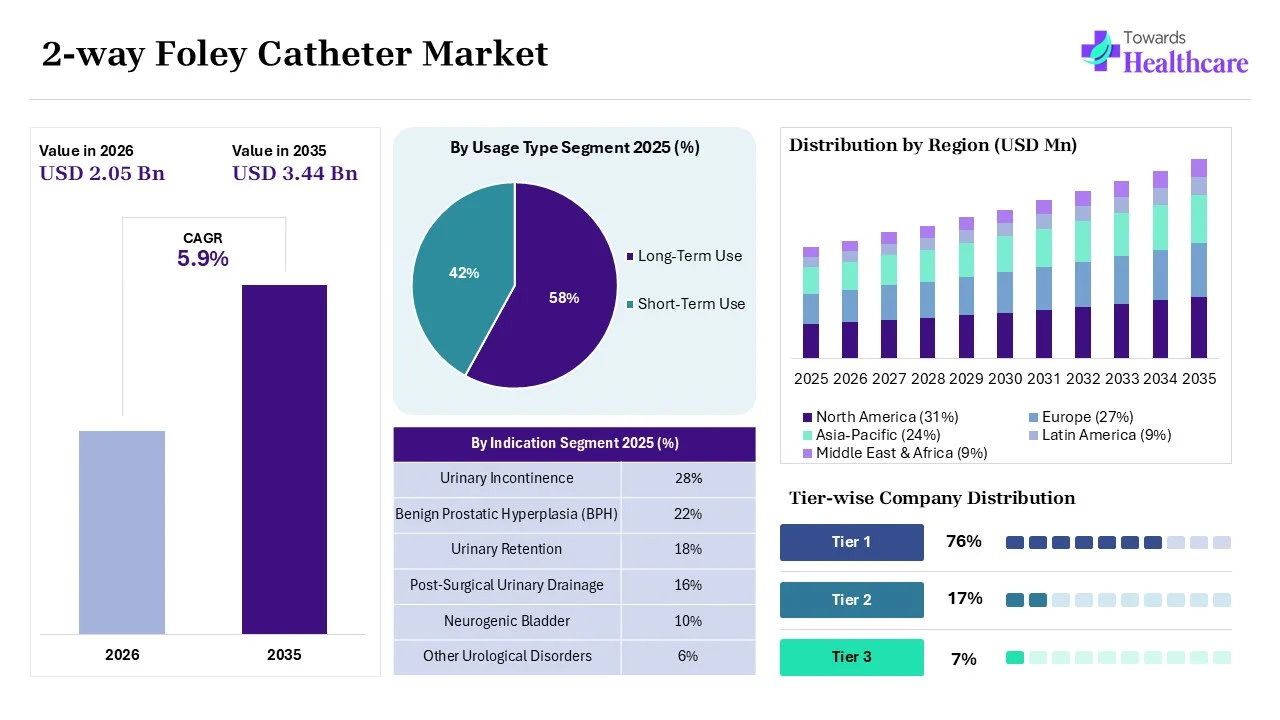
According to Towards Healthcare, the 2-way Foley catheter market is projected to experience significant growth, with estimates suggesting the market size will increase from USD 2.05 billion in 2026 to approximately USD 3.44 billion by 2035, representing a compound annual growth rate (CAGR) of 5.9% from 2026 to 2035. Market expansion is driven by the growing prevalence of urinary disorders, rising surgical procedures, an aging population, and increasing demand for effective long-term urinary drainage solutions across healthcare settings.
Implications for Foley Catheter Utilization
The findings are particularly relevant to the 2-way Foley catheter market, as these devices remain among the most widely used indwelling urinary catheters in hospitals and long-term care settings. Increased focus on competency training is expected to drive greater awareness of appropriate catheter selection and usage. Healthcare organizations may also increase investments in advanced Foley catheter technologies designed to reduce infection risks and improve patient comfort. Demand for catheters incorporating enhanced materials, antimicrobial features, and improved drainage performance could benefit from these evolving clinical priorities.
Supporting Long-Term Market Growth
The APIC 2026 study reflects a broader industry emphasis on infection prevention and quality patient care. As healthcare systems continue to prioritize CAUTI reduction initiatives, demand for reliable urinary catheter solutions is expected to grow. These trends are likely to support ongoing innovation and adoption within the global 2-way Foley catheter market in the coming years.
According to Towards Healthcare, the 2-way Foley catheter market is driven by increasing incidences of urinary retention and incontinence, advancements in catheter materials and designs, expanding healthcare infrastructure, and growing awareness regarding infection prevention and patient care management.