



“South Africa Unveils Bold New Mission to Reinvent Plastic Packaging”
Published: 05 Dec 2025
Author: Precedence Research



Redesigning the production of use, and management of plastics nationwide is part of South Africa’s ambitious national initiative to significantly reduce plastic pollution. The program, which was unveiled in early December 2025, aims to reduce reliance on virgin plastic, eliminate waste be20fore it is produced, and move industries toward circular business models. Instead of just treating the symptoms, policymakers characterize it as a long-term solution that tackles the underlying causes of pollution.
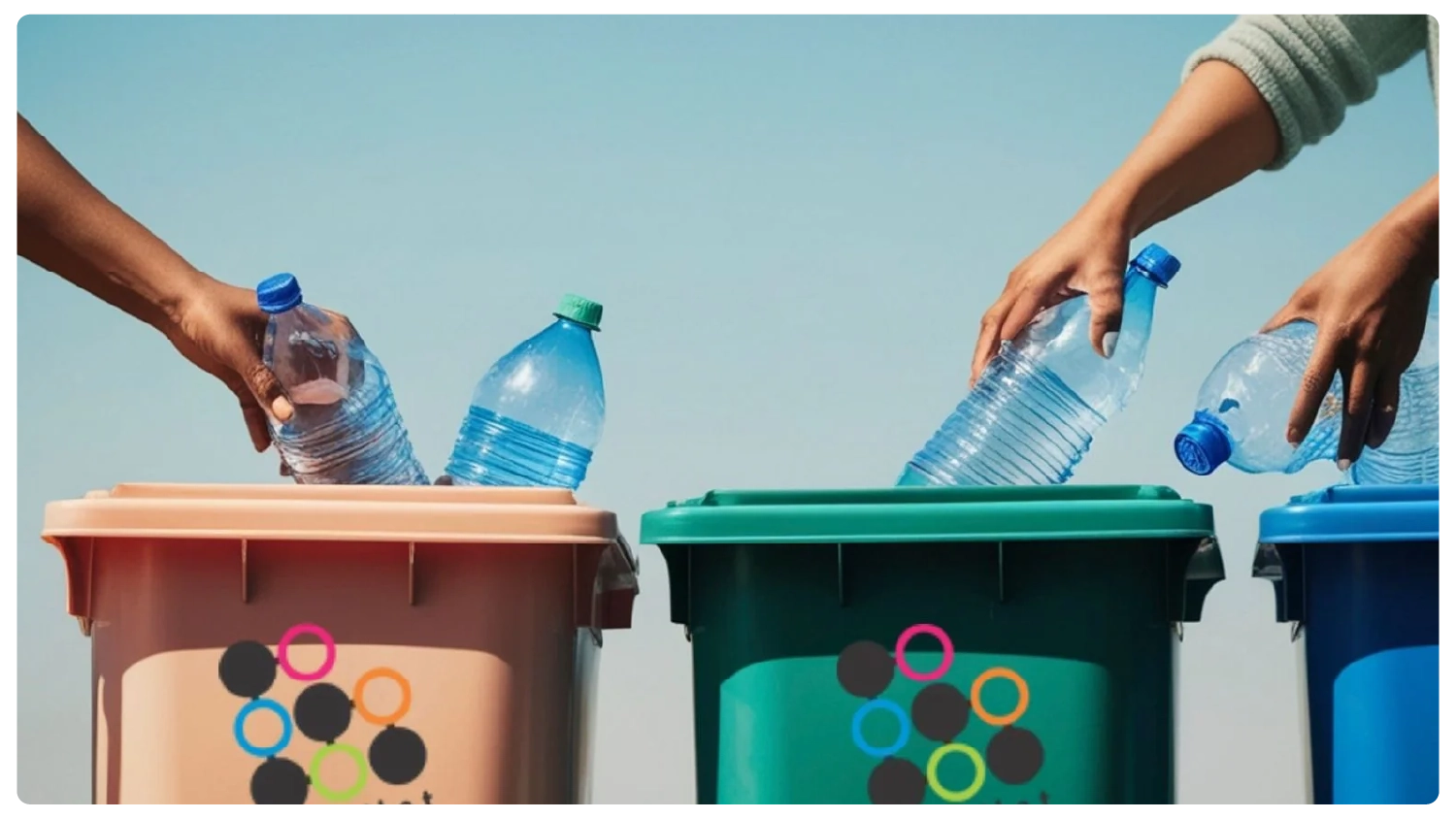
Changing practices at the upstream stage, where the majority of environmental impact is produced, is one of the initiative's primary goals. Companies will be encouraged by the government and industry partners to phase out superfluous packaging, eliminate dangerous additives, implement refill and reuse systems, and use more recycled materials when manufacturing products. It is anticipated that these actions will encourage brands to switch from single-use designs to more intelligent, environmentally friendly options that promote resource efficiency.
The midstream sector, where goods circulate in the economy, is another target of the strategy. The program will support systems that extend the life cycles of products and encourage packaging that are simpler to recycle, repair, and reuse. This includes promoting business models that let customers return; refill models that use packaging instead of throwing it away. The objective is to lower the number of short-lived plastics that enter the market each year by changing consumer behavior and corporate incentives.
This initiative purposefully refrains from funding downstream waste management activities in contrast to most programs that prioritize collection, recycling, or cleanup. Current recycling programs will continue, and upstream innovation will lessen the strain on those systems, resulting in lower costs and better environmental outcomes. This proactive strategy represents a significant change in South Africa's approach to pollution policy.
The United Nations Industrial Development Organization is a major international partner of the global organizations funding the projects, which is headed by the Global Environment Facility. The Department of Forestry, Fisheries, and the Environment, WWF South Africa, CSIR, and GreenCape will all be involved in the local implementation. According to experts, this alliance increases the initiatives of changes of long-term impact by giving it both strong industry reach and scientific credibility. All things considered, the endeavor is a significant step toward creating a circular economy that helps South Africa move toward a more sustainable future while benefiting businesses, communities, and the environment.