



South African “Cancer Bush” Shows Promise in Future Cancer Treatment
Published: 19 Jun 2026
Author: Towards Healthcare



Traditional Medicine Meets Modern Research
A plant that has been used for generations in South African traditional medicine is gaining attention from the scientific community for its potential role in cancer treatment. Researchers at North-West University (NWU) are investigating the anti-cancer properties of Lessertia frutescens, commonly known as “cancer bush.” Early laboratory studies have shown encouraging results, suggesting that the plant may be effective against several forms of cancer, including colorectal cancer and small-cell lung cancer.
Encouraging Results Against Difficult-to-Treat Cancers
Led by Prof. Chrisna Gouws from NWU’s Centre of Excellence for Pharmaceutical Sciences, the research team has tested extracts of the plant on human cancer cells and advanced laboratory models. One of the most exciting findings is the plant’s apparent activity against drug-resistant cancers, particularly resistant small-cell lung cancer, a disease that often responds poorly to existing chemotherapy treatments. These findings could open the door to new therapeutic approaches for patients with limited treatment options.
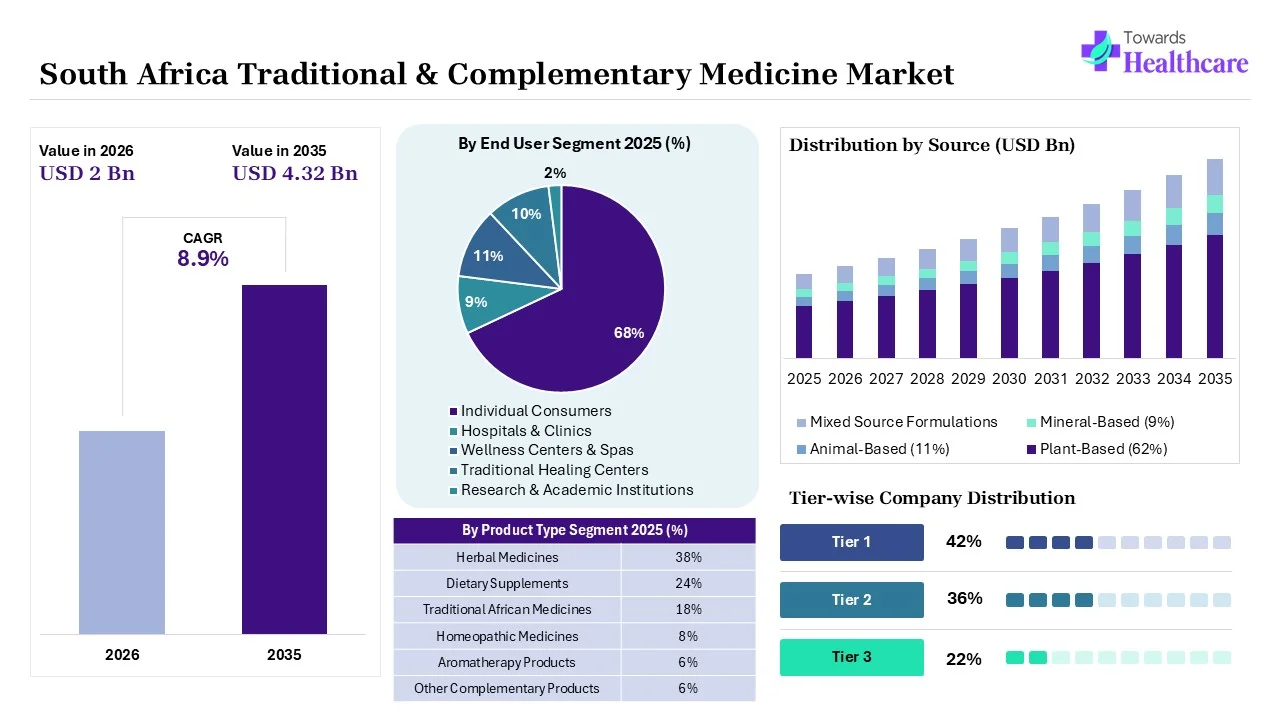
According to Towards Healthcare, the South Africa traditional & complementary medicine market is projected to experience significant growth, with estimates suggesting the market size will increase from USD 2 billion in 2026 to approximately USD 4.32 billion by 2035, representing a compound annual growth rate (CAGR) of 8.9% from 2026 to 2035. The market is gaining momentum due to growing consumer preference for natural therapies, strong cultural acceptance of traditional remedies, increasing wellness awareness, and ongoing research supporting indigenous medicinal plants.
Potential Benefits Beyond Cancer Care
Researchers are also encouraged by the plant’s long history of safe use. Unlike many conventional cancer therapies that can cause severe side effects, cancer bush is generally considered non-toxic. In addition to its potential anti-cancer effects, the plant has been associated with digestive health support, immune system enhancement, and mood improvement. These additional benefits may help improve overall patient well-being while supporting cancer treatment.
Looking Ahead to Future Development
The research team is now working to identify the specific compounds responsible for the plant’s anti-cancer activity and better understand how they work. Animal studies are expected to begin later this year to further evaluate safety and effectiveness. Researchers are also aiming to develop a complementary medicine product that could reach pharmacies by 2027. If successful, the treatment could provide a more affordable and locally produced option while creating new economic opportunities for South African farmers and communities.
According to Towards Healthcare, the South Africa traditional & complementary medicine market is projected to experience significant growth driven by rising demand for affordable healthcare alternatives, expanding herbal product availability, government recognition of traditional practices, and increasing integration of complementary therapies into healthcare.