



eXciteOSA Is the FDA-Cleared Daytime Device for Snoring and Mild Sleep Apnea
Published: 19 Aug 2026
Author: Towards Healthcare



The eXciteOSA device is the first FDA-authorized daytime therapy that applies electrical muscle pulses on the tongue to treat mild obstructive sleep apnea and primary snoring in adults.
If snoring is ruining sleep, Spring Sleep is offering a very different fix to the CPAP mask: eXciteOSA, a daytime tool for patients’ applications for a short session while awake, not a machine strapped to the consumer's face overnight. The brand bills it as the first FDA-driven non-invasive daytime management for mild obstructive sleep apnea and main snoring.
It functions during the day so nights are left alone, and Spring Sleep backs it with a 90-night risk-free trial, so consumers can put the eXciteOSA Starter Pack to the test before committing. If patients such as reading related the gear and actually try it, it sits alongside the kind of finds in the Staff Favourites round-up.
eXciteOSA Starter Pack
The eXciteOSA Starter Pack is the daytime tool that does the work while consumer awake, so night’s stay mask-free. Consumers use it for a short daily session, adjust the stimulation intensity in the app, and rely on the reminders to stay reliable. Spring Sleep reports that 90% of consumers experienced a lowering in snoring, 78% of patients attained a lowering in sleep apnea severity, and 89% of bed partners saw an enhancement in the loudness and frequency of snoring.
It needs a prescription that Spring Sleep prepares after a rapid questionnaire, and it ships once accepted. With a 90-night risk-free trial behind it, consumer try the eXciteOSA tools before deciding it’s for them.
How the eXciteOSA Daytime Therapy Works
eXciteOSA flips the typical routine: instead of gear consumers wear all night, it’s a convenient daytime therapy consumers use for around 20 minutes a day, aimed at the root cause of snoring and mild sleep apnea rather than the symptoms. Spring Sleep says it requires no overnight machines, oral appliances, or invasive surgery, and consumers steer the intensity via the companion app.
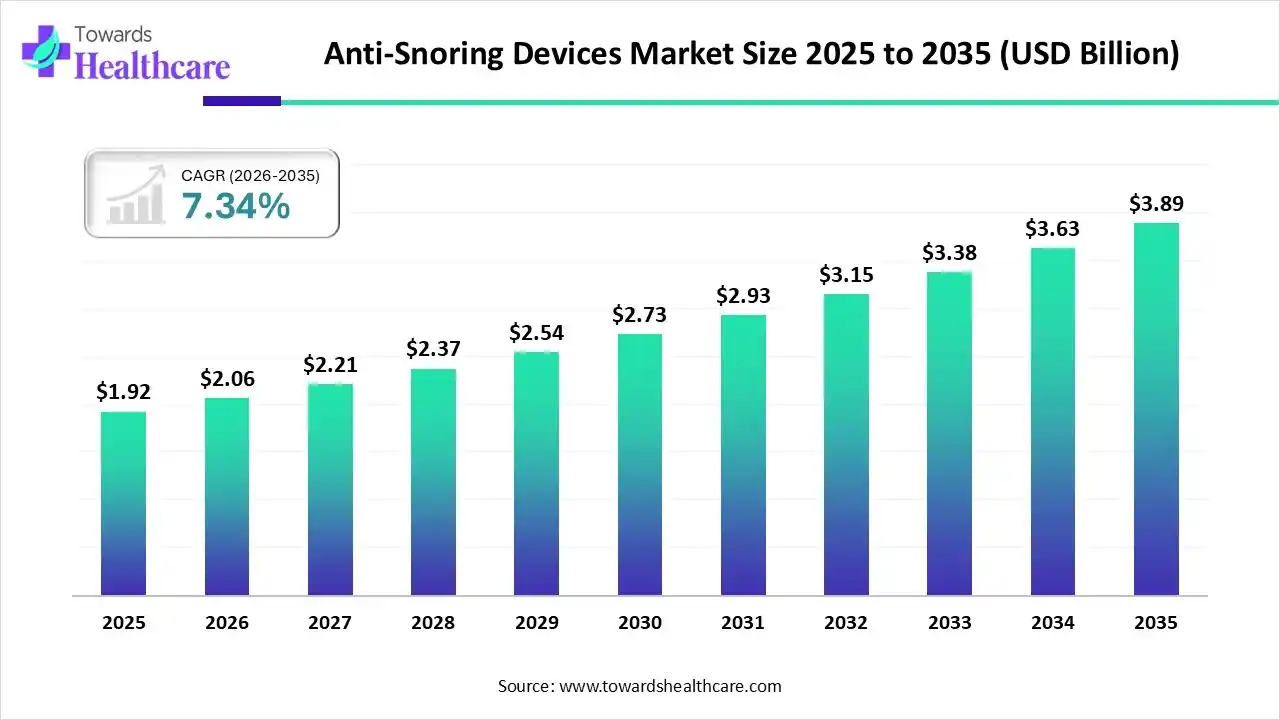
According to Towards Healthcare, the anti-snoring devices market is projected to grow significantly, with estimates indicating the market size will increase from USD 2.06 billion in 2026 to approximately USD 3.89 billion by 2035, expanding at a CAGR of 7.34% from 2026 to 2035. Anti-snoring devices offer a significant number of benefits to both individuals who snore and their sleeping partners. These benefits lead to substantial improvement in sleep quality. The inconsistency in effectiveness among various patients. What works well for one person might not provide the same results for another, leading to a trial-and-error process in finding the right tools. An anti-snore device works because it keeps the patient's tongue and jaw forward when they sleep so that they do not block the patient's throat.
What is Sleep Apnea?
Sleep apnea is a serious condition that causes breathing to stop and start several times while sleeping. Patients with the condition snore noisily and feel tired even after a full night of sleep. Sleep apnea management eases symptoms and might support avoiding challenges, like heart issues. Sleep apnea is a disorder in which patients stop and start breathing or experience shallow breathing while sleeping. Sleep apnea includes repeated pauses in breathing during sleep, leading to lower oxygen levels and symptoms such as daytime sleepiness and loud snoring; the most significant form, obstructive sleep apnea, includes a physical blockage of the upper airway.
What is Snoring?
Snoring is caused by different factors like allergies, sleeping position, sleep patterns, health challenges, and lifestyle factors such as alcohol use and smoking. Snoring is a general nighttime occurrence that happens while a patient sleeps. Some people snore gently, such as a purring cat. Others may sound more like a rattling chainsaw when they snore, disrupting sleep for both the person snoring and their bed partner. In some cases, snoring is wholly harmless. In other cases, it may be a sign of a more severe healthcare condition such as sleep apnea, making it even more significant to understand the cause behind snoring.
A recent report by Towards Healthcare highlights that the anti-snoring devices market is growing, as anti-snoring products, like oral appliances or positional aids, it lowers snoring when used properly. These tools most often work by supporting the airway to keep it open during sleep. This lowers the vibrations that cause snoring. Anti-snoring tools are often self-administered. If a tool doesn't lessen snoring, a doctor can supports to explore other management choices and addressing any underlying causes. Anti-snoring tools have the strength for enhanced sleep quality. By tackling the underlying causes of snoring, these tools support individuals, and their sleep partners experience uninterrupted and restful sleep.