



Stryker Unveils Advanced T2 Alpha Humerus Nailing System to Elevate Complex Fracture Care
Published: 13 Feb 2026
Author: Precedence Research



With the release of the T2 Alpha Humerus Nailing System, a novel surgical technique intended to enhance the treatment of difficult humerus fractures, Stryker, the world leader in medical technology, has increased the scope of its trauma care services. Officially unveiled on February 11, 2026, this most recent development complements the company's current T2 Alpha product line and aims to provide surgeons with a more efficient and dependable way to repair humeral fractures. Additionally, by providing a centralized platform for providing consistent, superior patient care across a variety of clinical scenarios, the technology aids hospital operations.
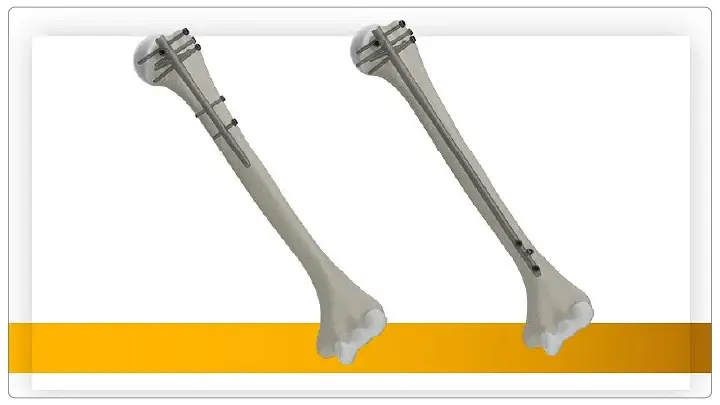
The T2 Alpha Humerus system differentiates itself by utilizing Stryker's SOMA (Stryker Orthopedic Modeling and Analytics) design process, which is based on comprehensive CT-based anatomical data from a variety of populations. With this method, the nail can more closely conform to the bone's natural contours, enhancing alignment and fixation stability for complicated fractures like pathological breaks, non-unions, malunions, and malalignments. Stryker hopes that this customization of the implant design will allow surgeons more flexibility in treating a variety of injury patterns and may even improve patient outcomes.
During development, usability in the operating room was a primary priority. With its user-friendly surgical tools and guided targeting capabilities, the new humerus nailing system streamlines the procedural workflow and makes it easier for surgeons and OR staff to handle even the most challenging cases. Clinicians accustomed to Stryker's trauma products can easily switch to this new solution because it integrates with the company's current nailing platform. This helps to cut down on training time, minimize the number of tools needed, and support more effective hospital procedures overall.
Technically, the T2 Alpha Humerus system has a number of features that have been carefully chosen to enable strong surgical performance. These include multiplanar screw fixation options intended to capture denser bone and enhance construct stability, as well as active intraoperative compression of up to 6 mm, which allows surgeons to exert controlled reduction of fracture fragments. Additionally, the guided targeting equipment increases screw placement reproducibility and may help lower radiation exposure during surgery. The new system is the result of years of surgeon collaboration and innovation, according to Stryker's trauma leadership, to improve clinical efficiency and produce consistent results.