



Tetra Pak Introduces Ground-Breaking Paper-Based Barrier, Setting a New Benchmark for Sustainable Juice Packaging
Published: 15 Dec 2025
Author: Precedence Research



Tetra Pak has introduced the world's first paper-based barrier for aseptic juice cartons, created in partnership with the Spanish beverage company Garcia Carrion, marking a significant advancement in environmentally friendly packaging. The Tetra Brik Aseptic 200 ml Slim Leaf carton for Garcia Carrions Don Simon juice line is a commercial introduction to this innovation. Tetra Pak's long-term goal of developing completely renewable and low-carbon packaging solutions for the food and beverage industry is reinforced by the launch, which represents a substantial departure from conventional aluminum based barrier.
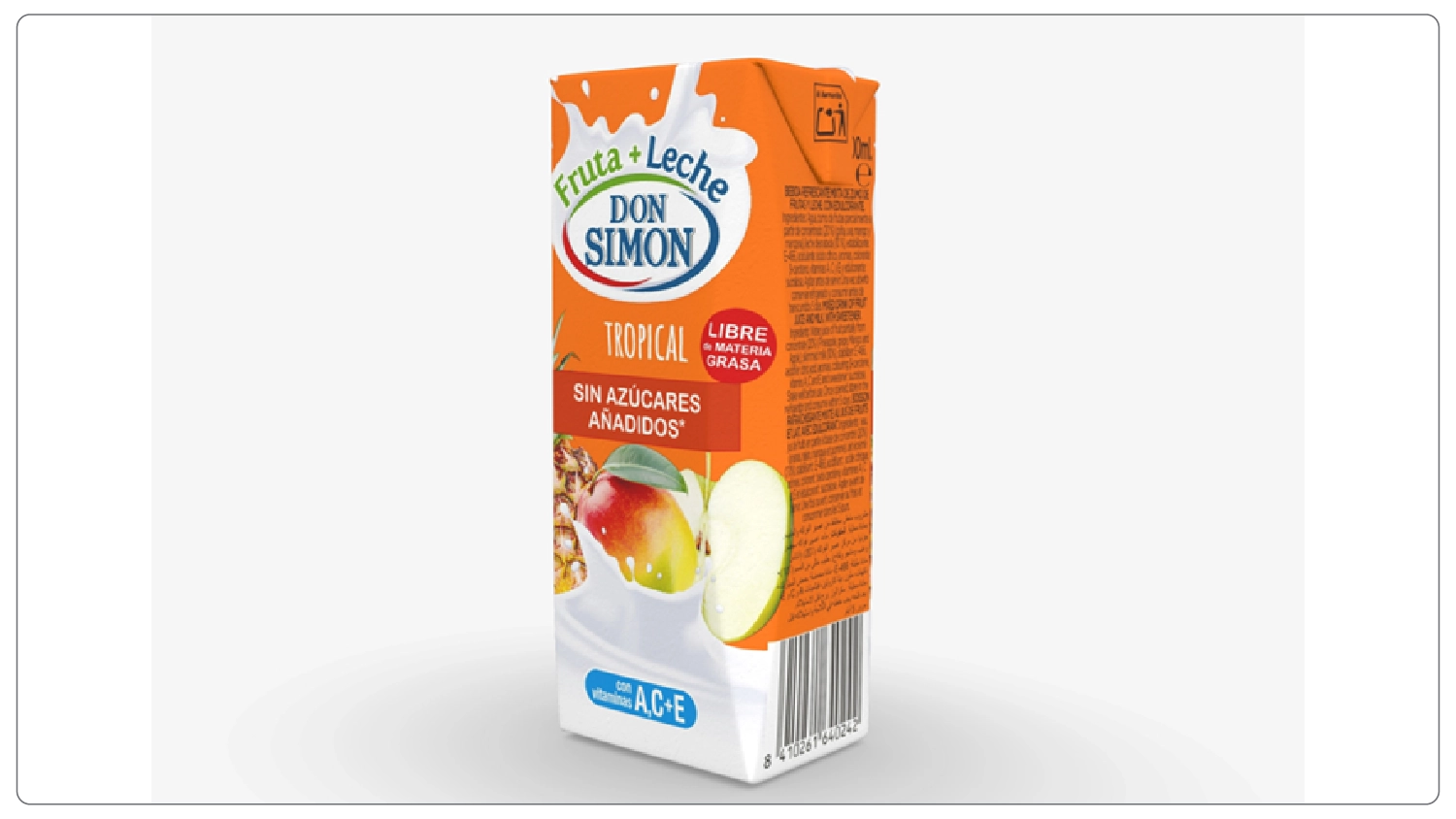
Compared to traditional aseptic packs, the newly created carton uses a significantly higher percentage of renewable materials. Paper accounts for almost 80% of the total renewable content, rising to over 90% when plant-based polymers are added to the coatings. Third-party evaluations indicate that this new design can cut carbon emissions by over 40% compared to conventional cartons that primarily use aluminum and plastics derived from fossil fuels. Crucially, these sustainability improvements are made without sacrificing product quality, shelf life, or food safety.
From a brand standpoint, Garcia Camon sees this launch as a logical continuation of its dedication to environmental stewardship. The company hopes to lessen its environmental impact while still providing customers with premium juice products by implementing this next-generation packaging. On the other hand, Tetra Pak views the partnership as a significant step toward expanding renewable packaging technologies and ensuring that sustainable materials can be effectively employed in mainstream beverage applications rather than just pilot projects.
The technological innovation is the substitution of a specially designed paper-based barrier for the aluminum layer that was previously used to shield juice from light and oxygen. Even without refrigeration, this barrier offers the protection needed for aseptic packaging, guaranteeing a long shelf life. Additionally, where such infrastructure is available, the new material structure improves recycling results by boosting fiber recovery and preserving the quality of recovered materials within current recycling systems.
This launch builds on Tetra Pak’s earlier work in paper-based barrier development, following a previous introduction in dairy packaging that received industry recognition for resource efficiency. By extending its technology to juice cartons, Tetra Pak is accelerating the transition toward circular, climate-friendly packaging solutions. The move signals a broader industry shift, in which packaging innovation is becoming a critical tool for meeting sustainability goals while balancing performance, safety, and scalability.