



From Heritage Fabric to Healing Material: Thai Silks Breakthrough Journey into Modern Medicine
Published: 10 Feb 2026
Author: Precedence Research



Thai silk, which has long been prized for its aesthetic appeal and cultural significance, is now taking on a whole new function: medical innovation. An advanced research project called Silklife was created by researchers at Chulalongkorn University to turn locally produced Thai silk into valuable medical biomaterials. The goal of the project is to lessen Thailand's dependency on imported medical supplies while establishing a sustainable innovation ecosystem that links healthcare demands, scientific research, and rural livelihoods. The researchers are reinventing the use of a heritage material in global healthcare applications by fusing traditional silk farming with contemporary biomedical engineering.
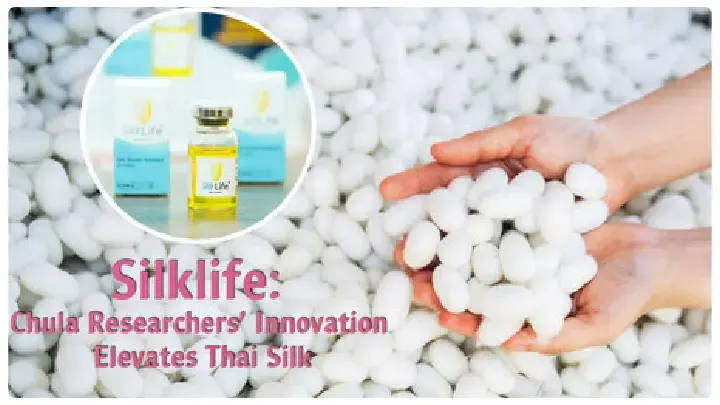
Silk fibroin, a naturally occurring protein that is extracted from Thai silk and provides remarkable strength, biocompatibility, and biodegradability, is at the heart of this innovation. In contrast to traditional biomaterials like collagen or synthetic polymers, silk fibroin offers more versatility in medical applications and elicits a lower immune response in the body. Numerous applications are being developed by the research team, such as injectable materials for joint therapy, tissue engineering scaffolds, transdermal pain-relief patches, and sleep-support patches. Thai silks distinct molecular makeup also enables it to bind with active pharmaceutical ingredients in an efficient manner, which makes it appropriate for long-lasting therapeutic effects and controlled drug release.
The Silklife project is unique because of its end-to-end development methodology. The first step in the process is controlled silk farming, which is done in an environment free of contamination and organic matter. The supply chain is guaranteed to be consistent and of high quality since farmers are trained to meet medical-grade standards. Following harvest, the silk cocoons are processed in accredited facilities that adhere to global safety and medical manufacturing standards. Researchers can set safety and medical manufacturing standards. Researchers can safely transform raw silk into standardized medical-grade biomaterials for use in healthcare products thanks to this methodical approach, which also supports local silk producers premium income opportunities.
Before advancing into more intricate internal medical applications, the initial commercial focus is on external use products like skin patches, which aid in establishing safety and consumer trust. Meanwhile, cutting-edge innovations like silk-based injectable joint solutions and biodegradable tissue scaffolds are moving through the early testing phases in partnership with healthcare facilities. Beyond advances in science, the project has significant social and economic ramifications. It increases domestic medical manufacturing, gives Thai silk farmers new sources of income, and establishes Thailand as a major player in the world market for biomaterials. The Silklife initiative exemplifies how innovation and cultural heritage can collaborate to influence healthcare in the future by transforming a traditional textile into a contemporary medical solution.