



Ultragenyx Wins FDA Approval for GENGLYCOS Gene Therapy for GSDIa
Published: 27 Aug 2026
Author: Towards Healthcare



Ultragenyx Announces U.S. FDA Approval of GENGLYCOS Gene Therapy, the First-Ever FDA-Approved Treatment Designed to Treat the Underlying Cause of Glycogen Storage Disease Type Ia (GSDIa)
GENGLYCOS is the first gene therapy approval and fifth FDA approval overall for the organization. Approval offers a long-awaited first-ever choice to lower the challenges of care related to GSDIa.
Ultragenyx Pharmaceutical Inc. announced that the U.S. Food and Drug Administration (FDA) granted accelerated approval for GENGLYCOS (periclase brecaparvovec-opnr), also called DTX401, in adult and pediatric patients eight years and older with glycogen storage disease type Ia (GSDIa).
“The approval of GENGLYCOS fulfills our commitment to provide the first therapy that directly targets the root cause of GSDIa. The reduced reliance on cornstarch, experienced by patients in our clinical studies, demonstrates this gene therapy’s ability to establish the normal breakdown of glycogen to produce glucose during fasting or episodes of metabolic stress. This ability to regulate glucose has alleviated the disease burden and has the potential to mitigate the risk of severe or life-threatening hypoglycemia for these patients,” said Eric Crombez, M.D., chief medical officer at Ultragenyx. “As our first gene therapy approval, GENGLYCOS represents an important achievement for our company and the realization of the promise of a powerful new tool to deliver transformative medicines for people living with rare diseases.”
GSDIa is an ultra-rare genetic metabolic disorder caused by a lack of the enzyme required to release glucose from the liver to the blood circulation. The deficiency lowers the liver’s capability to control glucose levels and is associated with significantly life-threatening hypoglycemic episodes and other severe challenges, needs rigorous nutritional management which a burdensome, around-the-clock regimen of raw cornstarch intake as an oral glucose replacement therapy. Glucose control with cornstarch is crude, with large swings in glucose, and patients instead end up investing a large fraction of their day potentially hyperglycemic to evade hypoglycemic episodes. GSDIa affects 1,500-2,500 patients in the U.S. and 6,000-8,000 globally in commercially reachable geographies.
“Day-to-day management of GSDIa requires a relentless regimen of raw cornstarch and strict dietary management that can be extraordinarily demanding for patients and families. Even with meticulous adherence to this regimen, patients must be perfect. Any missed cornstarch puts patients at risk of severe hypoglycemia, seizures, and even death,” said David Weinstein, M.D., MMSc, one of the world's leading GSDIa experts. “The approval of GENGLYCOS represents a major step forward for the GSDIa community and reflects almost 30 years of work and scientific progress aimed at improving safety and the quality of life of people living with this disease.”
“For families affected by GSDIa, every day revolves around strict schedules, overnight vigilance, and the constant worry that a missed meal or dose of cornstarch could trigger life-threatening hypoglycemia,” said David and Wendy Feldman, co-founders and current Board members at The Children’s Fund for Glycogen Storage Disease Research. “This approval is an incredibly meaningful milestone for a community that has spent decades hoping, advocating, and helping advance the research for new treatment options that could ease the burdens of this disease.”
Clinical Program and Post-Marketing Study Requirements Supporting Accelerated Approval of GENGLYCOS
The approval of GENGLYCOS is based on positive information from the 48-week randomized, double-blind, placebo-controlled Phase 3 GlucoGene research which included 46 participants aged eight years and adults with DTX401 (1.0 x 10^13 GC/kg dose) or placebo, presenting a decrease in cornstarch needs in the managed group (p<0.001). There were 44 participants in the adapted intention-to-treat (mITT) population offering effectiveness data in the Week 48 analysis period following management with DTX401 (n=20) or placebo (n=24). At Week 48, eligible participants crossed over and received the alternative management. After crossover, participants continued to be followed, with analyses conducted at Week 96 and Week 144.
As an area of expedited approval, Ultragenyx has agreed to offer two years of safety and effectiveness clinical information from open-label commercial management of 50 20 patients and control patients via improvement of its existing GSDIa Disease Monitoring Program (DMP). The control group consists of patients who sought effective treatment but cannot be treated with GENGLYCOS due to the presence of anti-AAV8 antibodies. The research will offer more information to help lessen the clinical load of cornstarch, improve tolerance, and support various measures in a post-marketing setting where patients can know their instant glucose levels, and their cornstarch and diet can be managed more promptly by their doctors. The DMP also evaluates previously managed clinical trial participants and these novel commercial patients for a total of 10 years.
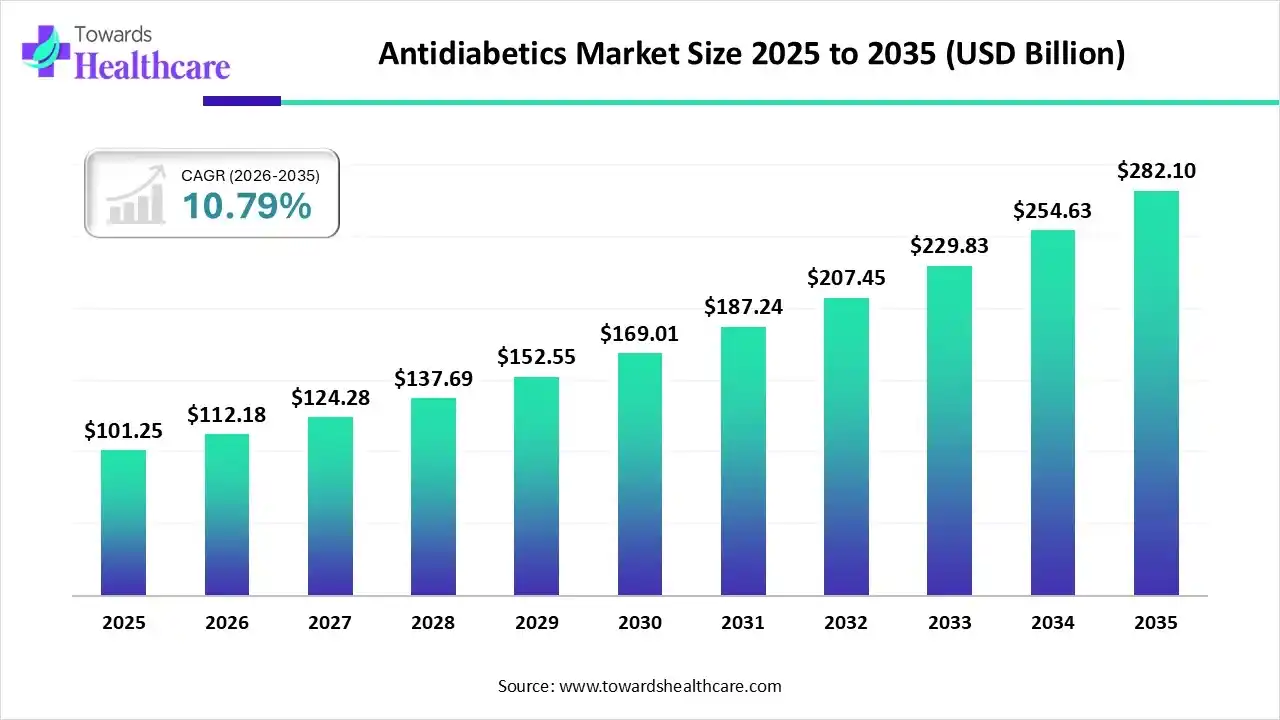
According to Towards Healthcare, the antidiabetics market is projected to grow significantly, with estimates indicating the market size will increase from USD 112.18 billion in 2026 to approximately USD 282.10 billion by 2035, expanding at a CAGR of 10.79% from 2026 to 2035.Antidiabetic therapeutic molecules resulting from plant sources, as well as those produced via chemical synthesis, are recently available in the market, and they possess substantial adverse effects in one way or another. So, molecules that could treat blood sugar better than existing is a hot topic of research. Due to the alarming rise in the incidence of diabetes, most significant players in the drug industry are focusing on broadening the range of antidiabetic drugs, detecting emerging targets and molecules, and integrating drugs. Therapeutics that are efficient in managing diabetes act via the modulation of particular target proteins that support efficient insulin secretion, improving sensitivity and lowering secondary complications.
About Ultragenyx
Ultragenyx is a healthcare organization committed to bringing new therapies to patients for the management of severe rare and ultra-rare genetic disorders. The organization has built a diverse portfolio of approved therapeutics and management candidates’ goal of tackling diseases with high unmet medical need and clear biology, for which there are generally no approved therapies managing the underlying disease.
A recent report by Towards Healthcare highlights that the antidiabetics market is growing, as antidiabetic therapeutics any drug that work to lower unusually high glucose (sugar) levels in the blood, which are typical of the endocrine disorder called diabetes mellitus. Oral antidiabetic therapeutics play a significant role in the treatment of type 2 diabetes, specifically as progressive pancreatic beta-cell dysfunction requires ongoing pharmacologic strengthening. Recent therapeutic advancements, involving sodium-glucose cotransporter 2 inhibitors and oral glucagon-like peptide-1 receptor agonists, have increased treatment choices beyond glycemic control to include cardiovascular and renal risk reduction.