



Pharmerging Market Size, Key Companies, Company Production Capacity, Healthcare Infrastructure Growth, Product Utilization, Regulatory Compliance, Company Expansion Strategies, Company Investment Strategies, and Market Outlook
Pharmerging Market (By Product: Pharmaceuticals, Healthcare; By Indication: Lifestyle Diseases, Cancer and Autoimmune Diseases, Infectious Diseases, Others; By Economy: Tier-1, Tier-2, Tier-3; By Distribution Channel: Hospitals, online stores, retail pharmacies others) - Global Industry Analysis, Size, Trends, Leading Companies, Regional Outlook, and Forecast 2026 to 2035
Source: https://www.precedenceresearch.com/pharmerging-market
 Get a Sample
 Table Of Content


What is the Pharmerging Market Size?
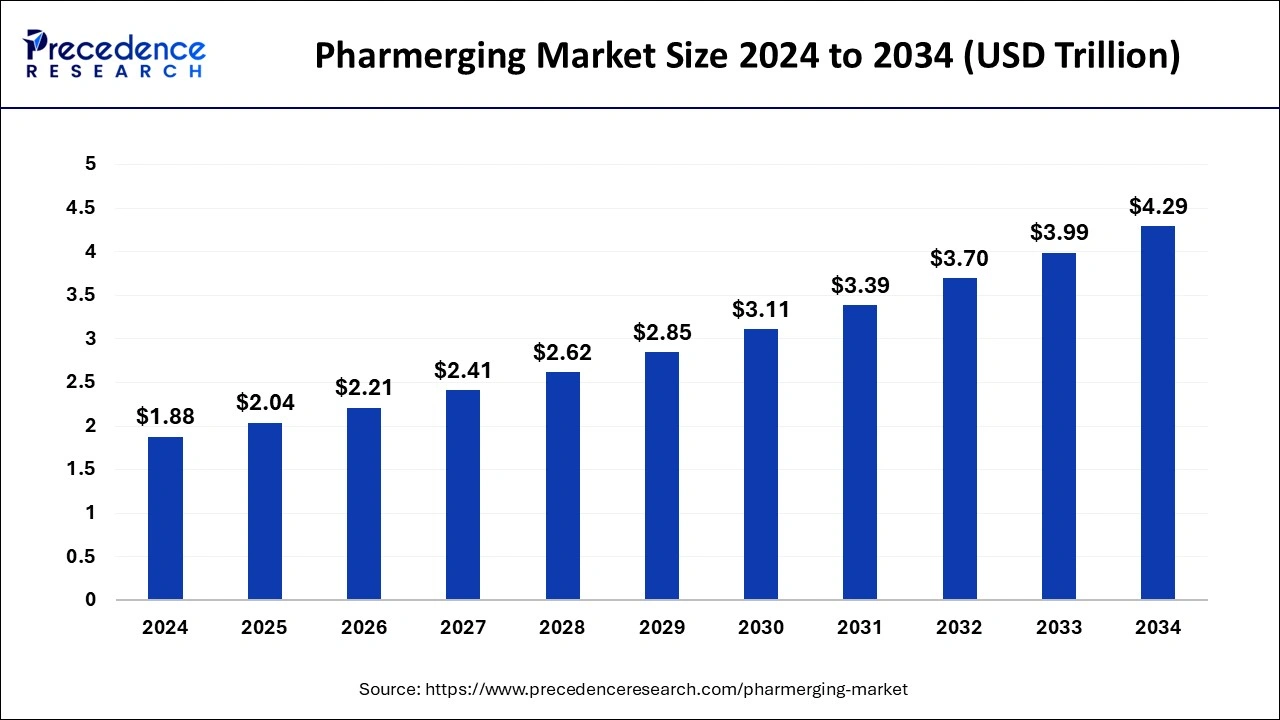
The global pharmerging market size is accounted at USD 2.04 trillion in 2025 and predicted to increase from USD 2.21 trillion in 2026 to approximately USD 4.58 trillion by 2035, growing at a registered CAGR of 8.42% from 2026 to 2035. The pharmerging market is growing significantly due to the rising demand for cost-effective generics.
Pharmerging Market Key Takeaways
- Asia Pacific led the global market with the highest market share of 63% in 2025.
- By products, the pharmaceutical segment registered a maximum market share of 71.70% in 2025.
- By economy, the tier 1 segment has held the largest market share in 2025.
- By distribution channel, the online store segment registered the maximum market share in 2025.
Artificial Intelligence: The Next Growth Catalyst in Pharmergings
AI has played a significant role in the development of the pharmerging market by helping market players bring innovation according to the industry demand. With the incorporation of AI the development and discovery process of new formulations of drugs increase. It helps in analysing the patient's data and preparing treatment plans according to their requirement. It helps to produce specific requirements of the industry such as proper formulation and affordable price.
Strategic Overview of the Global Pharmerging Industry
Pharmerging combines two words pharma and emerging. Pharma refers to the Pharmaceutical industry and emerging means the upcoming markets. The prescription and the over the counter drugs are taken in account. Heart diseases, diabetes, respiratory disorders and cancer are the variety of diseases that are covered under this industry. Pharmerging is a combination of countries that have a low positioning in the pharmaceutical market, but they have a speedy growth. India, China, South Africa, Brazil, Russia, Indonesia and Turkey are some of the key pharmerging markets. Pharmerging is a term which is used to describe a collection of countries which have a poor position in the pharmaceutical sector but they are expanding rapidly. The farming market has benefited well due to the non-communicable diseases which ever increased across various nations and the life expectancy. As there is an increase in the global pharmaceutical business there shall be increased collaborations acquisition there shall be international mergers and also increase in public as well as the private healthcare insurances. The global farming market it's constrained as there is an increase in research and development costs and it also involves a regulatory clearance process which is extremely lengthy. The market expansion is also limited as the remedy concerns with the IP protection and issues that are sociopolitical.
The global farming industry was already suffering due to the slower price rises increasing costs and declining R&D productivity. The pandemic challenged the industry even more Due to its effects on the health care system and the uncertainty of the vaccination supply. All the industries have suffered a setback during pandemic. Due to the restrictions and lockdown imposed by government across the world lead to a disruption in the manufacturing and the supply chain operations. This economic situation affected the demand as people started concentrating more on the essential expenses and budgets.
Pharmerging Market Growth Factors
- The increasing expenditure on the healthcare industry and the increase of private hospitals are leading to the growth of the global farming market.
- The prevailing chronic diseases amongst consumers and the growing consumer awareness of early disease detection and treatment procedures are leading to growth in this market.
- The geriatric population in many countries is extremely prone to some serious medical conditions like cardiac failure, dementia and hypertension. These age-related conditions are creating a demand for pharmaceuticals.
- There are many reimbursement schemes which are provided by various countries to reduce the cost of treatment for such chronic diseases and also there is an introduction of policies by various governments which help in the growth of the market. These chronic diseases require constant and prolonged treatment. A general awareness regarding the insurance policies for health care and the growing number of insurance companies in the farmers in countries is offering insurance policies to decrease the out-of-pocket expenditure in these countries and there is an increased demand for pharmaceuticals in this country.
- Increased investments in the extensive research and development activities in various fields of these countries. Advanced treatments are introduced in the fields of biotechnology, oncology and immunology and it is helping in the growth of the market.
Market Potential
- The pace of various diseases is increasing and as a result, concern regarding innovative and higher-quality results is burgeoning. This factor will possibly fetch a significant advancement of this market in the time to come. The continuous advancement and progress in medicine for the therapeutics of a huge group of illnesses are anticipated to boost the pharmerging market over the next few years.
- The global market is meeting a crucial launch, primarily in developing countries worldwide. The growing prevalence of non-communicable ailments, sprouting population, enlarging future, hiking pay, swamping expenditure of the government on medical treatment, global partnerships, and continuous inventive work are part of influential components at the back of the advancement of this market.
Market Outlook
- Market Growth Overview: The Pharmerging market is expected to grow significantly between 2025 and 2034, driven by rising incomes and healthcare spending. Generic and biosimilar drugs are dominant in pharmerging markets due to their lower cost, making essential medicines accessible to a wider population. Integration in digital health and expansion in healthcare infrastructure.
- Sustainability Trends: Sustainability trends involve the adoption of green chemistry, decarbonization and renewable energy, and water stewardship and waste management.
- Major Investors: Major investors in the market include Pfizer and Novartis, and large private equity firms like Blackstone.
- Startup Economy: The startup economy in the market is focused on digital health and healthtech, biotech innovation, and the rise of hubs and incubators.
Market Scope
| Report Coverage | Details |
| Growth Rate from 2026 to 2035 | CAGR of 8.42% |
| Market Size in 2025 | USD 2.04 Trillion |
| Market Size in 2026 | USD 2.21 Trillion |
| Market Size by 2035 | USD 4.58 Trillion |
| Largest Market | Asia Pacific |
| Base Year | 2025 |
| Forecast Period | 2026 to 2035 |
| Segments Covered | By Product, By Indication, By Economy, and By Distribution Channel |
| Regions Covered | North America, Europe, Asia-Pacific, Latin America, and Middle East & Africa |
Market Dynamics
Driver
Increasing healthcare expenditure
One of the main reasons there is significant growth in the market is due to the growing middle class in emerging economies such as India, China and others in Asia Pacific and Latin America. The growing purchasing power of a sizeable middle class and increasing government expenditure in healthcare infrastructure in these countries is also leading to substantial demand in the pharmerging market.
Restraint
Federal regulatory challenges
Due to increasing health standards, pharmaceutical companies in emerging economies are increasingly subject to stringent government regulations. Many of the key players in the market have to operate in multiple countries, making it difficult to standardize operations. Pricing for pharmaceutical drugs also tends to be high due to the years of research and development devoted to synthesizing newer formulas. These factors limit market expansion.
Opportunity
Underserved countries in emerging economic regions
As pharmaceutical companies expand into emerging economic regions, demand for generic drugs in underserved countries is a huge opportunity for key players. Demand for generic medication is expected to emerge in these countries as healthcare becomes more accessible and affordable due to economic development. The increase of digital healthcare has also led to more prescriptions for therapeutics in the certain regions.
Segments Insights
Products Insights
There are two products considered in this segment, which are pharmaceuticals and other healthcare products. The pharmaceutical segment holds the larger market share 71% in 2025. The pharmaceutical segment includes over the counter drugs generic prescription drugs. Patented prescriptions drugs during the forecast period, the generic prescription drugs are estimated to have the largest market share. The generic prescription drug segment shall increase the growth of the pharmaceutical industry in the coming years. As the nations are price sensitive and the expenditure is made out of pocket. These factors are expected to boost the generic prescription drugs market in such countries.
The increasing number of various innovative therapies for treatment of diseases at an affordable price shall also boost the segment in the coming years. There is a growing emphasis on the medical devices which are used for the treatment and the diagnosis of various diseases. The other healthcare verticals include clinical diagnostics and medical devices.
The healthcare segment accounted revenue share of around 29% in 2024.
Indication Insights
The infectious diseases segment led the global market. The region's substantial growth of healthcare infrastructure is leading to a high demand for treatments for contagious diseases. Economic growth in several emerging economies has led to several millions of people being lifted from poverty and able to access the required medical attention for curable diseases. Vaccination programs undertaken by federal authorities in these regions is also leading to growth are the pharmerging market.
The lifestyle diseases segment is predicted to see the fastest growth in the market over the forecast period. Increasing urbanization and changing lifestyles are leading to the growth of lifestyle diseases caused by pollution, stress, and diet changes. This growth in lifestyle diseases in economies such as China and India is expected to generate significant demand for therapeutics.
Economy Insights
Tier 1 segment is anticipated to be the highest in between all the pharmerging nations in the years to come and is predicted to continue its dominance during the forecast timeframe. The healthcare market in the Tier 1 economy is augmenting the growth of this market across the globe. In the Tier 2 segment, India will exhibit the fastest growth in the time to come. Tier 2 economy also has an inclusion of countries like South Africa and Russia.
Tier 3 economy consists of various nations such as Ukraine, Egypt, Thailand, Mexico, Saudi Arabia, Indonesia, Algeria, Turkey, Pakistan, Poland, Nigeria, among others. Tier economy segment is expected to grow at a steady pace over the period of time. The healthcare market is primarily growing in the Tier 3 economies of Nigeria, Thailand, and Indonesia, and these countries are expected to grow at a faster rate of the pharmeging market in the years to come.
Distribution Channel Insights
Based on the distribution channel the online store segment is expected to have the largest market share during the forecast. Followed by the online stores the hospital segment is also expected to have a good sales volume during the forecast. In the next few years the online market segment will grow is there of any reimbursement schemes provided by governments and there is a reduction in the cost of chronic disease treatments and the investments for research and development and biotechnology cancer and immunology all of this will fuel the market expansion.
Regional Insights
Asia Pacific Pharmerging Market Size and Growth 2026 To 2035
The Asia Pacific pharmerging market size reached USD 1.29 trillion in 2025 and is anticipated to be worth around USD 2.95 trillion by 2035, poised to grow at a CAGR of 8.62% from 2026 to 2035.
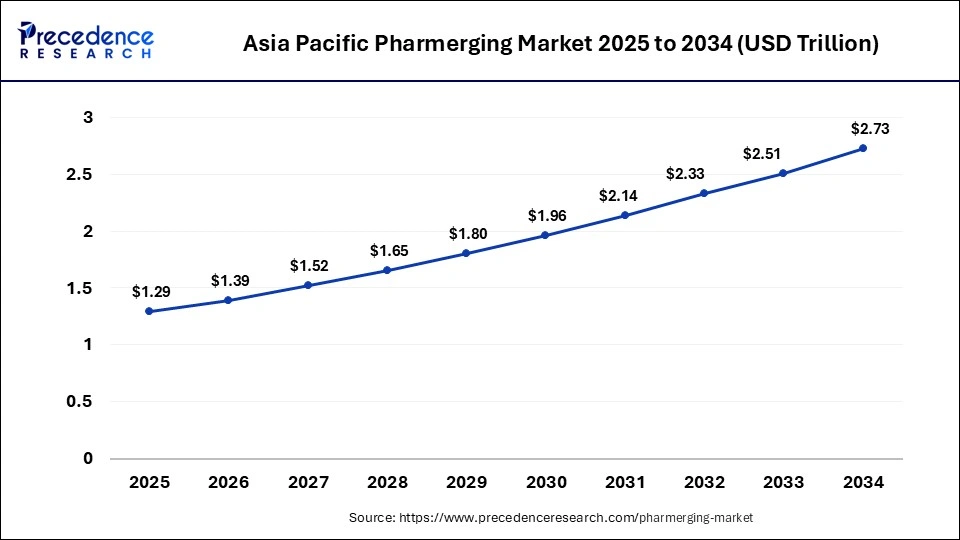
The basis of geography the Asia Pacific market is expected to have the largest market share 63% the reasons for the Asia Pacific market to have a dominating position is due to the increasing patent expiration, increased urbanization and a spike in the medical research investments by various governments. It is estimated that the Asia Pacific market will remain on top. In the Asia Pacific market China dominates this region. China has the potential to grow exponentially during the forecast. Increased penetration of insurance policies and the entry of major companies into new markets with wide variety of product portfolio is expected to boost the market in the Asia Pacific region. Asia Pacific market revenue was valued at USD 1.18 trillion in 2024.
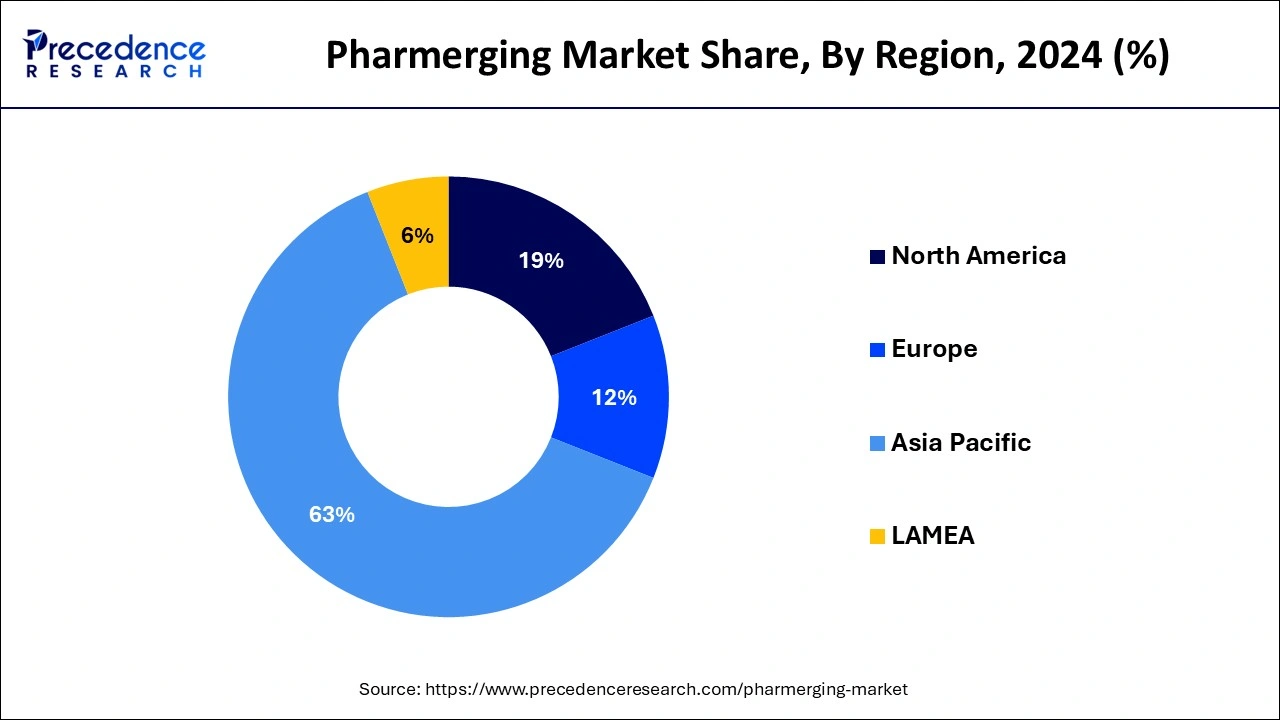
In the United States there'll be a major pressure due to the prices which will intensify. In order to make up for the loss during the pandemic the commercial insurance providers and the hill systems are seeking ways to make for it. Among the other regional markets the Latin America and the European market is also likely to witness healthy growth in the near future for the pharmerging market. Increasing awareness regarding the treatment, management of health care facilities, extensive research and development and technological advancements are propelling the growth of the Latin American market. Due to the large population size and increasing prevalence of various diseases the European market is expected to have a good growth during the forecast. The Middle East and the African region are also expected to have a small share of the global far merging market in the forecast period.
China Pharmerging Market Trends
China is rapidly pivoting from generic manufacturing towards a global innovation hub, with a strong focus on high-value biologics and digital health technologies. Domestic firms are increasingly "going global" through licensing deals, despite facing intense pricing pressure from government policies like volume-based procurement (VBP).
U.S. Pharmerging Trends
U.S. leading-edge innovation in biologics, AI-driven R&D, and personalized medicine, with a strong focus on high-impact therapeutic areas like oncology. The strategic M&A and digital health integration but challenged by complex FDA regulations and intense pricing pressures, particularly from the Inflation Reduction Act.
United Kingdom Pharmerging Trends
The U.K.'s pharmerging market is concentrating heavily on advanced therapies and biologics, supported by a world-class research ecosystem and strong university-industry links. New government initiatives. Artificial intelligence and digital health integration are key drivers of R&D efficiency, particularly in oncology and rare diseases.
Pharmerging Market Value Chain Analysis
- Research & Development (R&D) and Clinical Trials
This foundational stage involves basic research, drug discovery, preclinical testing, and extensive clinical trials (Phases I-III) to prove safety and efficacy.
Key Players: Pfizer, Novartis, Johnson & Johnson, Roche, AstraZeneca, Merck & Co., Eli Lilly, and specialized contract research organizations (CROs). - Manufacturing (API & Formulation)
Once a drug is approved, it moves to commercial-scale manufacturing, which includes producing Active Pharmaceutical Ingredients (APIs), formulating them into final products (tablets, injectables), and ensuring strict quality control and regulatory compliance.
Key Players: Sun Pharmaceutical Industries, Divis Laboratories (API focused), Cipla, and Dr Reddy's Laboratories. - Marketing & Sales
This stage involves promoting pharmaceutical products to healthcare providers, hospitals, and patients.
Key Players: Merck & Co., AstraZeneca, Eli Lilly, and the in-house sales and marketing teams of all major pharmaceutical companies. - Distribution & Logistics
Finished products are efficiently transported through a complex supply chain network from manufacturing facilities to pharmacies, hospitals, and clinics worldwide.
Key Players: McKesson Corporation, Cardinal Health, and AmerisourceBergen Corporation.
Pharmerging Market Companies
- Sanofi S.A.
Sanofi contributes to pharmerging markets by localizing manufacturing and R&D capabilities within those regions, which helps meet the demand for affordable medicines like insulins and vaccines. - Pfizer Inc.
Pfizer significantly impacts pharmerging markets through a broad portfolio of essential medicines and vaccines, utilizing global distribution networks to reach diverse populations efficiently. - AstraZeneca Plc
AstraZeneca focuses heavily on innovation-driven growth in emerging markets, establishing R&D centers in countries like China and India to develop treatments tailored to local disease burdens. Their efforts in oncology and cardiovascular health address critical unmet needs within these rapidly developing healthcare systems. - GlaxoSmithKline Plc
GSK contributes by emphasizing the development and distribution of a wide range of vaccines and consumer health products critical for improving public health standards in pharmerging economies.
F. Hoffmann-La Roche AG (Roche AG)
Roche primarily contributes through its specialized portfolio of innovative biologics and diagnostics, targeting complex diseases like cancer that are becoming more prevalent in developing nations. - Novartis AG
Novartis plays a key role through targeted access-to-medicine programs and initiatives aimed at combating diseases prevalent in pharmerging markets. They also invest in local talent and infrastructure, leveraging global expertise to build sustainable healthcare solutions in emerging economies. - Teva Pharmaceutical Limited.
Teva, as a global leader in generics, contributes significantly by providing cost-effective alternatives to branded drugs, a critical factor for affordability in price-sensitive pharmerging markets. They also have a strong focus on API production, playing a vital role in the global pharmaceutical supply chain that serves these regions. - Eli Lilly and Company
Eli Lilly addresses specific disease burdens in pharmerging markets, particularly in diabetes care and oncology, by expanding patient support programs and educational initiatives. They focus on local partnerships to navigate market access challenges and increase the reach of their innovative treatments. - Johnson & Johnson Corporation
J&J has a broad impact across pharmaceuticals, medical devices, and consumer health, providing a wide range of essential health products to pharmerging markets. - Abbott Laboratories
Abbott contributes by providing a diverse portfolio of diagnostics, medical devices, and branded generic pharmaceuticals that address essential healthcare needs in developing economies.
Recent Developments
- In September 2024, Immunai, an Israeli-American biotech startup, secured a US$ 18 million partnership with pharmaceutical giant AstraZeneca to increase the effectiveness and potential success rates of certain clinical cancer trials. Immunai has developed an AI platform to map the human immune system through enhanced machine-learning capabilities. This technology is expected to fuel new developments in therapeutics and speed up drug development.
- In April 2024, Sanofi, a France-based pharmaceutical said it was looking to launch its top five best selling generic drugs in India. This move is aimed at developing Sanofi's long-term ambitions of expansion in the emerging economy, which the company believes houses a large, untapped market.
Segments Covered in the Report
By Product
- Pharmaceuticals
- Patented Prescription Drugs
- Generic Prescription Drugs
- OTC Drugs
- Healthcare
- Medical Devices
- Clinical Diagnosis
- Others
By Indication
- Lifestyle Diseases
- Cancer and Autoimmune Diseases
- Infectious Diseases
- Others
By Economy
- Tier-1
- Tier-2
- Tier-3
By Distribution Channel
- Hospitals
- online stores
- retail pharmacies
- others
By Geography
- North America
- U.S.
- Canada
- Europe
- U.K.
- Germany
- France
- Asia-Pacific
- China
- India
- Japan
- South Korea
- Malaysia
- Philippines
- Latin America
- Brazil
- Rest of Latin America
- Middle East & Africa (MEA)
- GCC
- North Africa
- South Africa
- Rest of the Middle East & Africa
For inquiries regarding discounts, bulk purchases, or customization requests, please contact us at sales@precedenceresearch.com
Frequently Asked Questions





Ask For Sample
No cookie-cutter, only authentic analysis – take the 1st step to become a Precedence Research client
 Get a Sample
.webp)



 sales@precedenceresearch.com
 Schedule a Meeting
