



Cold Pain Therapy Market Poised for Steady Growth Amid Rising Demand for Non-Invasive Pain Relief
The cold pain therapy market is gaining momentum as aging populations and an uptick in sports injuries drive demand for effective, drug-free pain relief solutions. With innovations like smart cryotherapy devices and growing awareness of non-invasive treatments, the market is forecast to grow at a CAGR of 5.08% through 2034.
Source: https://www.precedenceresearch.com/cold-pain-therapy-market
 Get a Sample
 Table Of Content
Cold Pain Therapy Market Size and Forecast 2025 to 2034
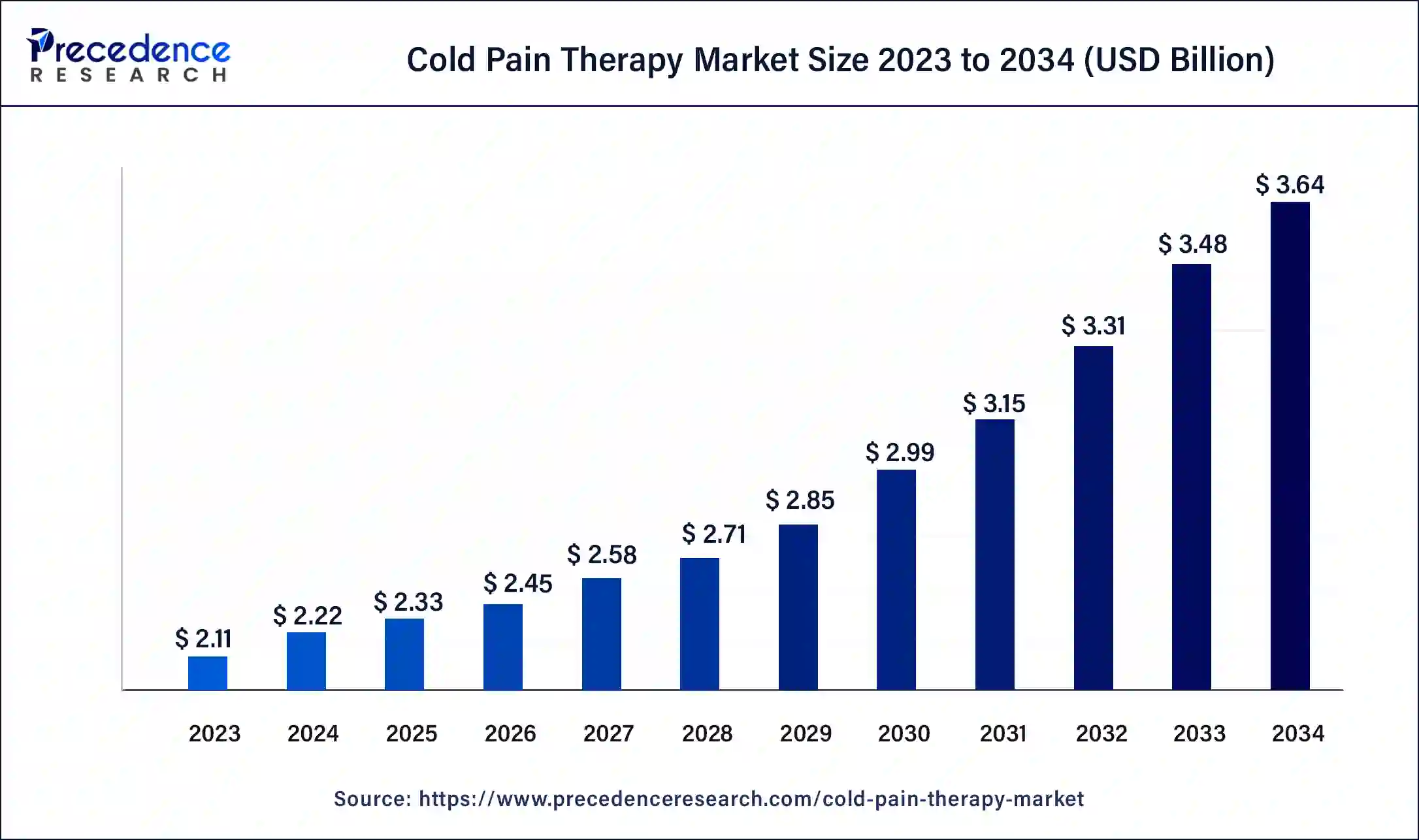
The global cold pain therapy market size was estimated at USD 2.22 billion in 2024 and is predicted to increase from USD 2.33 billion in 2025 to approximately USD 3.64 billion by 2034, expanding at a CAGR of 5.08% from 2025 to 2034. Effective pain treatment techniques are in greater demand due to the rising incidence of ailments like arthritis, back pain, and sports injuries.
Cold Pain Therapy Market Key Takeaways
- In terms of revenue, the global cold pain therapy market was valued at USD 2.22 billion in 2024.
- It is projected to reach USD 3.64 billion by 2034.
- The market is expected to grow at a CAGR of 5.08% from 2025 to 2034.
- North America dominated the market with the largest revenue share of 41% in 2024.
- Asia Pacific is expected to hold the fastest-growing market during the forecast period.
- By product, the OTC segment has held the biggest revenue share of 64% in 2024.
- By product, the prescription segment is expected to grow at the fastest rate in the market during the forecast period.
- By application, the musculoskeletal disorders segment is expected to contribute more than 40% in 2024.
- By application, the post-trauma therapy segment is expected to expand notably in the market over the projected period.
- By distribution channel, the retail pharmacies segment led the global market in 2024.
- By distribution channel, the hospital pharmacies segment is expected to grow rapidly in the market during the forecast period.
U.S. Cold Pain Therapy Market Size and Growth 2024 to 2034
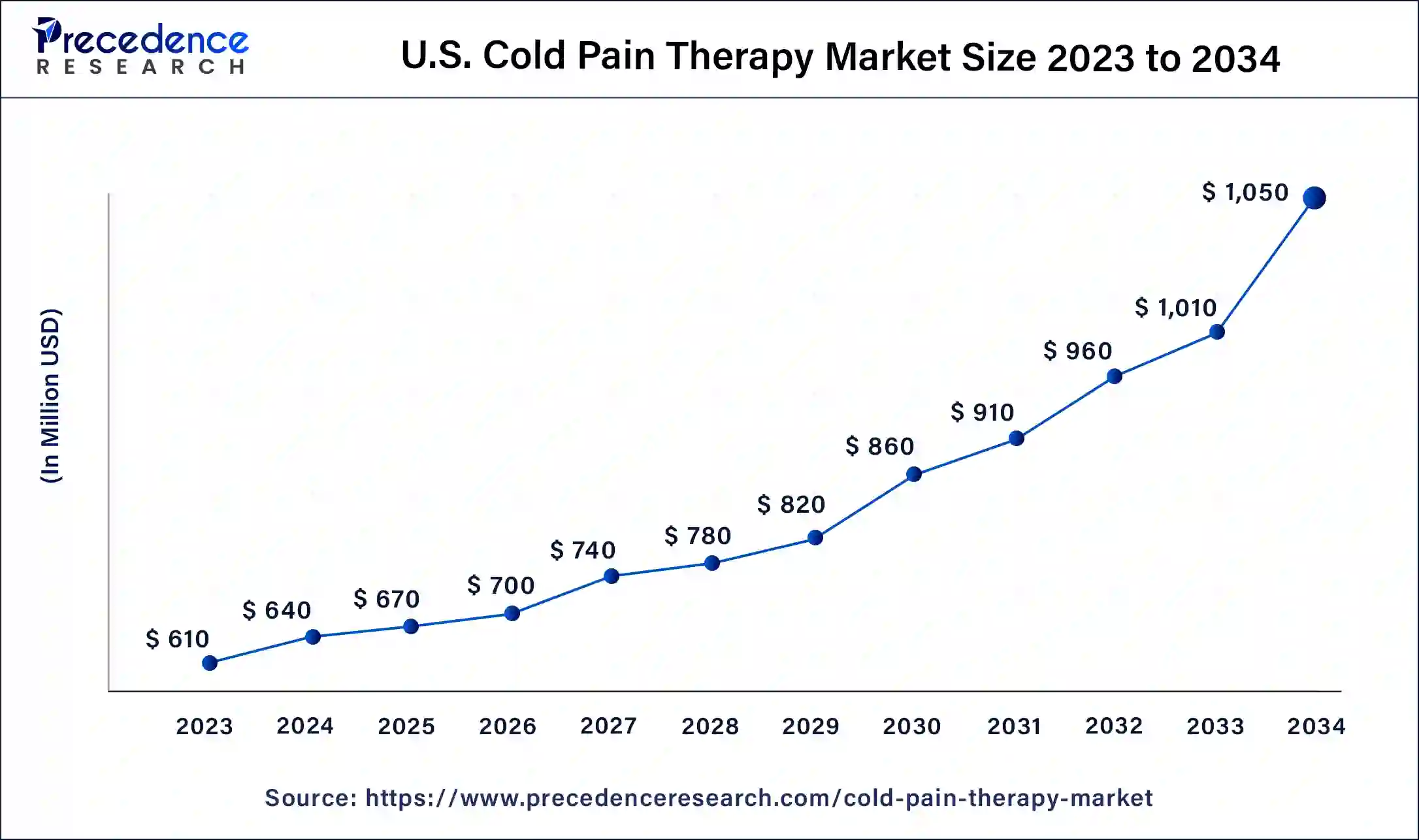
The U.S. cold pain therapy market size was estimated at USD 610 million in 2023 and is predicted to be worth around USD 1,050 million by 2034 with a CAGR of 5.16% from 2024 to 2034.
North America dominated the global cold pain therapy market in 2024. The need for cold pain therapy solutions is mostly driven by the rise in orthopedic operations and sports-related injuries. Because of how well these treatments work to lessen the pain and inflammation brought on by these kinds of injuries, they are frequently used. The need for cold pain therapy is growing as the population ages and more people develop pain-management-necessary illnesses, including arthritis and other musculoskeletal disorders. The over-the-counter (OTC) and prescription product segments make up the North American market for cold pain therapy. OTC treatments, such as creams, gels, patches, and sprays, are widely used because of their accessibility and efficacy.
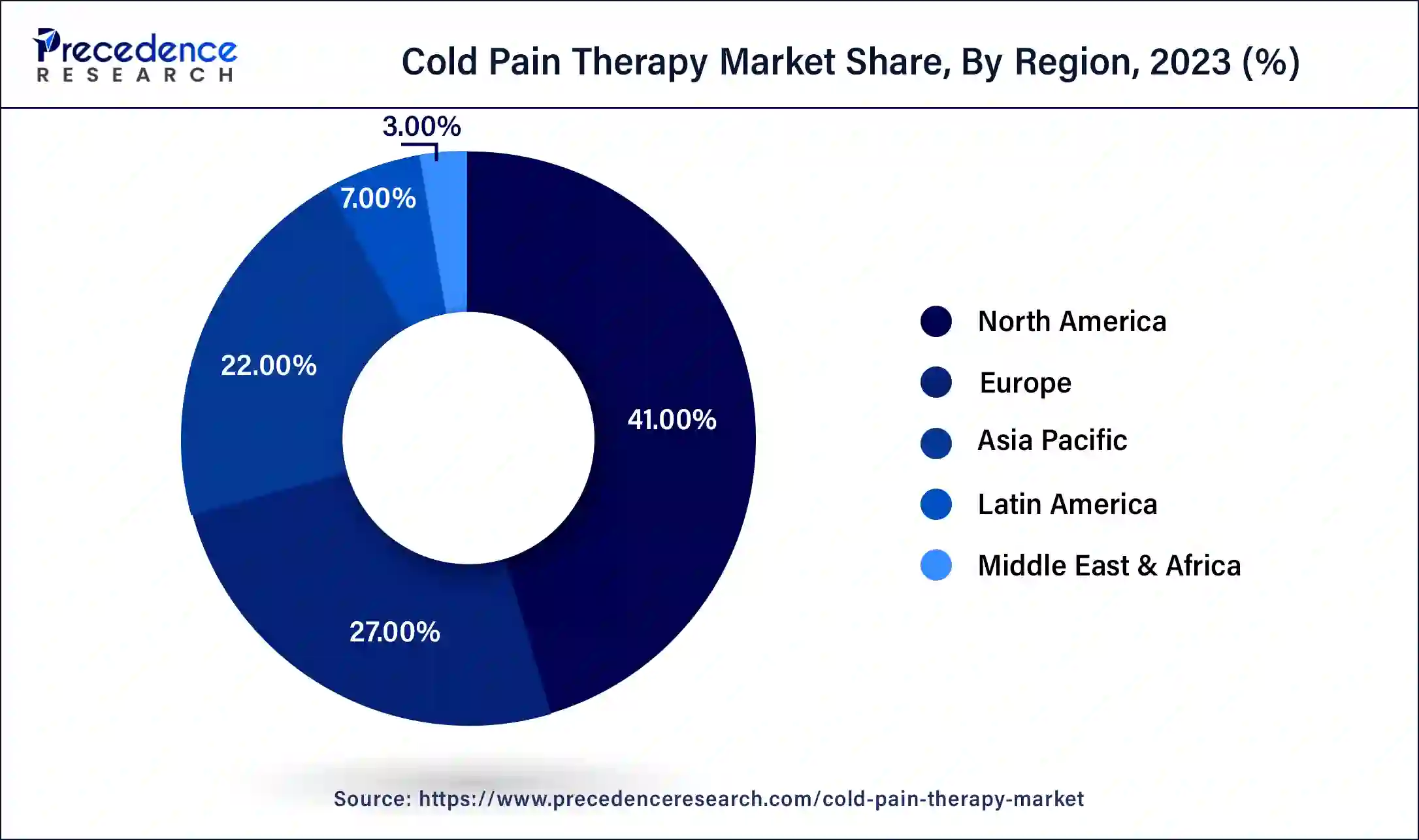
Asia Pacific is expected to hold the fastest-growing cold pain therapy market during the forecast period. In Asia Pacific, the cold pain therapy market is growing significantly and is predicted to do so for the foreseeable future. The market is being pushed by an increase in musculoskeletal problems, sports injuries, and the number of elderly people who are more likely to have chronic pain.
A greater need for cold pain therapy is being caused by an aging population in nations like China and Japan, where age-related musculoskeletal problems are common. The industry is expanding due to improved healthcare infrastructure and increased spending on medical services in nations like China and India. The Asia Pacific market is expected to increase significantly due to changing demographics, rising healthcare costs, and the growing use of cutting-edge pain relief devices.
Market Overview
Cryotherapy, also known as cold therapy, involves the application of cooling agents such as ice packs, coolant sprays, ice massage, whirlpools, and ice baths. The cold pain therapy market deals with the sales of these products and related services focused on the treatment or management of pain. The market has been growing rapidly as a result of innovations such as smart cryotherapy devices, which provide accurate temperature control and customized treatment plans. These innovations also improve user experience and effectiveness.
One major driver driving the expansion of the cold pain therapy market is the rising incidence of diseases like osteoarthritis and arthritis, particularly in the elderly population. The increasing need for cold pain therapy solutions, which lessen pain and speed up recovery, is a result of the rise in surgical operations and sports-related injuries. This includes both motorized and non-motorized devices that are mostly employed for the treatment of chronic illnesses and the recuperation following surgery.
Cold Pain Therapy Market Growth Factors
- The growing number of cases of osteoarthritis and arthritis has driven the cold pain therapy market in recent years.
- One important factor is the rise in musculoskeletal conditions, including osteoarthritis and arthritis, especially in the elderly population. These illnesses frequently need non-invasive pain relief, which cold pain therapy successfully offers.
- Both the effectiveness of treatment and the user experience are being improved by advancements in cold pain therapy equipment, including the use of smart technologies. The increasing popularity of devices featuring accurate temperature control and real-time monitoring is driving the expansion of the cold pain therapy market.
- Another significant aspect is the rise in surgical procedures requiring post-operative rehabilitation. Cold pain therapy is a desirable alternative for the healing process following surgery because it helps to minimize pain, edema, and inflammation.
- Sports-related injuries are becoming more common as physical activity and sports participation increase. Sports medicine uses cold pain therapy extensively to help athletes recover from injuries, which is driving the growth of the cold pain therapy market.
- Over-the-counter products such as gels, lotions, and patches are very well-liked because they're readily available and convenient.
- The growing acceptance and knowledge of non-invasive pain management techniques are propelling the considerable expansion of the global cold pain therapy market.
Market Scope
| Report Coverage | Details |
| Market Size in 2024 | USD 2.22 Billion |
| Market Size in 2025 | USD 2.33 Billion |
| Market Size by 2034 | USD 3.64 Billion |
| Market Growth Rate from 2024 to 2034 | CAGR of 5.07% |
| Largest Market | North America |
| Base Year | 2024 |
| Forecast Period | 2025 to 2034 |
| Segments Covered | Product, Distribution Channel, Application, and Regions |
| Regions Covered | North America, Europe, Asia-Pacific, Latin America, and Middle East & Africa |
Market Dynamics
Driver
Increased sports and fitness activities
Sports and leisure activities have increased due to the emphasis placed on physical fitness and good living on a global scale. An increase in the number of persons participating in these activities has led to an increase in sports-related injuries, which calls for efficient pain treatment techniques. Innovative cold therapy goods like cooling wraps, portable cold packs, and cutting-edge cryotherapy equipment have entered the market. These developments give athletes easier and more effective ways to control their pain and heal from injuries. Comprehensive sports rehabilitation programs are increasingly using cold treatment. Cold treatment is becoming increasingly popular as professional sports teams and fitness centers include it in their regular injury care routines.
Restraint
Limited efficacy for chronic pain
Complex disorders like fibromyalgia, neuropathy, and arthritis can cause chronic pain. In contrast to acute pain, which is typically brought on by direct tissue injury or inflammation, chronic pain is brought on by nerve signals that are persistent and less amenable to straightforward cooling methods. The main ways that cold therapy relieves pain temporarily are by numbing nerve endings and decreasing inflammation. This implies that although cold therapy can provide momentary relief for people with chronic pain, it doesn't deal with the fundamental problems that lead to persistent pain. Cryotherapy has been shown to temporarily enhance function and reduce pain. However, there is little data to support its long-term effectiveness in treating chronic pain disorders.
Opportunity
Product innovation
Gel formulas used in cold therapy products are always being improved by manufacturers to increase the cooling effects and improve skin penetration for greater pain alleviation. These formulations frequently include natural substances like menthol or arnica for additional analgesic effects. With the ability to regulate the temperature dependent on the user's comfort level and pain intensity, certain cold treatment devices now have these functions. The requirement for frequent reapplication of cold treatment products has decreased due to longer-lasting chilling effects that are produced by innovations in materials and formulation techniques. Producers are investigating configurable solutions that enable consumers to customize cold therapy regimens to meet their individual requirements. This could include modular designs, movable straps, or bespoke gel packs.
Product Insights
The OTC segment held the largest share of the cold pain therapy market in 2024. To reduce inflammation and numb pain, cold packs gel-filled packs or wraps can be frozen and applied to the affected area. They are frequently applied to minor wounds like bruises, sprains, and strains. Cold packs come in a variety of shapes and sizes from brands like ACE and Therapearl. Aerosol products known as "cold sprays" provide a cooling effect when applied topically.
Usually, they are used to provide immediate relief from mild joint or muscular pain, particularly in cases of sports accidents. Oral over-the-counter drugs like acetaminophen (Tylenol) or ibuprofen (Advil, Motrin) are frequently used to treat pain brought on by inflammation or injury. These drugs have the potential to decrease inflammation and pain on a systemic level.
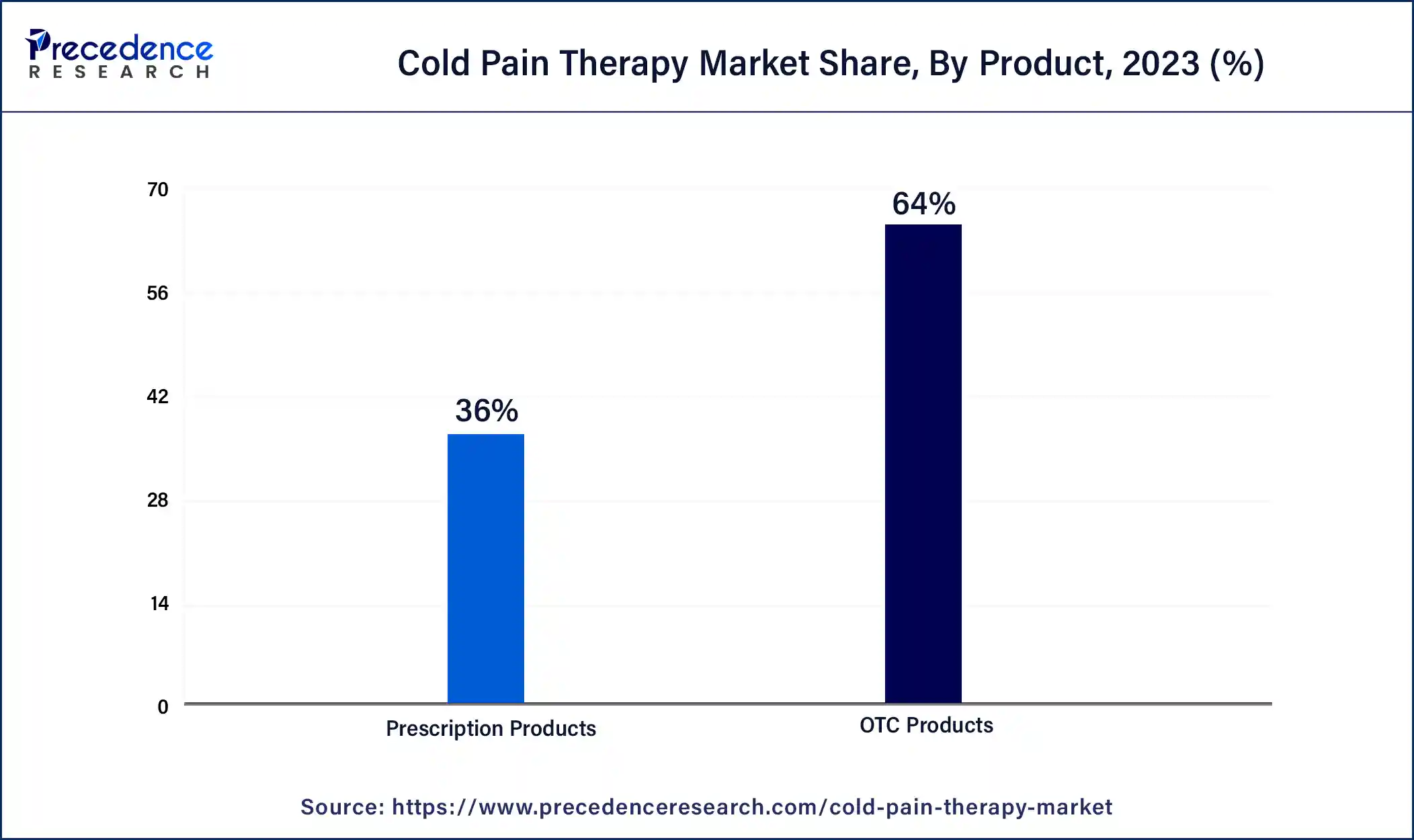
The prescription segment is expected to grow at the fastest rate in the cold pain therapy market during the forecast period. Even though there are a lot of NSAIDs that may be bought over-the-counter, those who have significant pain or inflammation may be prescribed prescription dosage versions. These are specialist medical gadgets that target particular body parts with cold therapy. These could consist of cryotherapy chambers, cold compression wraps, and cold therapy equipment.
These are high-concentration creams, gels, or patches that contain drugs like ketoprofen, diclofenac, or lidocaine. To relieve localized pain, they are placed directly on the skin over the afflicted area. However, opioids are usually saved for severe pain that does not respond to other therapies and are strictly managed by healthcare professionals due to the potential for addiction and other negative effects.
Application Insights
The musculoskeletal disorders segment dominated the cold pain therapy market in 2024. Conditions known as musculoskeletal disorders (MSDs) impact the body's soft tissues, including the tendons, ligaments, joints, muscles, and bones. They may result in discomfort, stiffness, edema, and mobility restrictions, which may make it difficult for the person to carry out everyday tasks.
Cryotherapy, another name for cold pain therapy, is the application of cold to the injured area with the goal of reducing inflammation and pain. These are frequent ailments that result from tearing or stretching muscles and tendons (strains) or ligaments (sprains). Pain and swelling brought on by these injuries can be lessened with the use of cold therapy. The inflammation of the bursae, which are tiny sacs filled with fluid that cushion the muscles, tendons, and bones around joints, is known as bursitis. Bursitis-related pain and inflammation may be reduced with the use of cold therapy.
The post-trauma therapy segment is expected to expand notably in the cold pain therapy market over the projected period. Using cold therapy techniques to assist in the healing process after traumatic injuries is the main goal of post-trauma therapy, especially in the context of the market. Applying freezing temperatures to wounded areas is known as cold treatment or cryotherapy, and it is used to lessen pain, edema, and inflammation. It is frequently used to improve healing and encourage recovery in conjunction with other types of therapy, such as physical therapy. These are sleeves or wraps that can be placed directly over the wounded area to provide cold therapy and compression to lessen pain and edema. These are frequently used to administer cold therapy right away after an accident. To avoid frostbite, they can be applied directly to the skin or covered with a cloth.
Distribution Channel Insights
The retail pharmacies segment led the global cold pain therapy market in 2024. The cold pain therapy market in retail pharmacies includes a range of items designed to reduce pain and inflammation by using cold therapy techniques. These goods, which include things like cold packs, gel packs, cold therapy wraps, and topical analgesics enhanced with cooling ingredients like menthol or camphor, are frequently sold over the counter. Bio Freeze is well-known for its menthol-based topical analgesic solutions. The company also sells gels, roll-ons, and sprays that are intended to relieve painful muscles and joints using cold therapy. Well-known company Icy Hot sells a line of topical pain relievers that blend methyl salicylate and menthol with cold treatment to provide calming relief.
The hospital pharmacies segment is expected to grow rapidly in the cold pain therapy market during the forecast period. Hospital pharmacies are a major player in the market for cold pain relief products. Using cold packs, wraps, and other devices to relieve pain, lower inflammation, and speed up recovery is known as cold pain therapy. Cold therapy items are usually available in hospital pharmacies in a range of forms, from basic ice packs to more sophisticated machines.
Hospital pharmacies make sure that patients and healthcare professionals have access to a large selection of cold therapy items. This covers conventional ice packs, cooling gels, cold therapy wraps, and more sophisticated equipment like cold therapy machines. Hospital pharmacies place a high priority on quality control and make sure that the cold therapy items they sell adhere to strict safety and effectiveness guidelines. This is essential for the best possible therapeutic results and patient safety.
Cold Pain Therapy Market Companies
- Romsons Sustaining the Life Force
- 3M
- DJO, LLC.
- Hot and Cold Company
- Polar Products Inc.
- Medline Industries, Inc.
- Hisamitsu Pharmaceutical Co., Inc.
- Sanofi
Recent Developments
- In October 2023, IBM and the EY announced the release of EY.ai Workforce, a cutting-edge HR solution that makes it easier for businesses to incorporate artificial intelligence (AI) into their essential HR business operations. This is a critical next step in the firms' partnership and a major turning point in the way AI is being used to boost productivity in the HR department.
- In October 2023, Hyloris Pharmaceuticals, a Belgian firm, said that the U.S. health authorities had approved its new tab medication for post-operative pain. The company anticipates launching the non-opioid treatment in the United States by early next year. Branded as Maxigesic IV, the injectable medication was authorized for use in hospitals following surgery or in cases where patients are unable to take oral medication.
Segment Covered in the Report
By Product
- OTC Products
- Prescription Products
By Distribution Channel
- Hospitals Pharmacies
- Retail Pharmacies
- Online Pharmacies
By Application
- Musculoskeletal Disorders
- Post-Operative Therapy
- Sports Injuries
- Post-trauma Therapy
By Geography
- North America
- Asia Pacific
- Europe
- Latin America
- Middle East & Africa
For inquiries regarding discounts, bulk purchases, or customization requests, please contact us at sales@precedenceresearch.com
Frequently Asked Questions





Ask For Sample
No cookie-cutter, only authentic analysis – take the 1st step to become a Precedence Research client
 Get a Sample




 sales@precedenceresearch.com
 Schedule a Meeting
