



Aluminium Price Surge Raises Concerns for Coca-Cola Amid Middle East Conflict
Published: 01 Apr 2026
Author: Precedence Research



March 17, 2026, AL Circle, the ongoing geopolitical tensions in the Middle East are driving significant concerns for the U.S. aluminium market, particularly affecting major beverage producers like Coca-Cola. The conflict has disrupted the supply chain, with the Strait of Hormuz, a key shipping route for metals, facing potential blockages. This has intensified worries over aluminium availability and costs, as the United States relies heavily on imports from Gulf Cooperation Council (GCC) countries, which accounted for nearly 22% of the nation’s primary aluminium imports, totalling 607,200 tonnes as of November 2025.
The combined impact of geopolitical unrest and existing U.S. tariffs on aluminium has sent prices soaring. Aluminium costs have surged to a four-year high, approaching $3,500 per tonne in March 2026. These price spikes significantly affect the aluminium packaging sector, which uses the metal extensively for beverage and food cans. Tariffs imposed by the Trump administration in June 2025, which levied a 50% duty on imported aluminium and steel, had already disrupted trade flows and elevated costs. The ongoing Middle East crisis has compounded these challenges, limited supply, and further driven up prices.
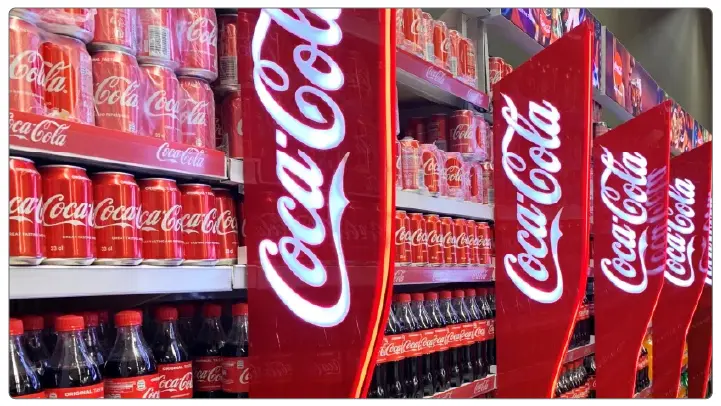
For Coca-Cola, aluminium represents a critical input for production, particularly for canned beverages. In the past, the company sourced aluminium primarily from Canada to minimize exposure to tariff-related price increases. James Quincey, the former CEO, had noted that rising aluminium costs could prompt a shift toward alternative packaging options, such as PET plastic bottles, to control production expenses. Now, the current geopolitical tensions have intensified this risk, as Coca-Cola’s regional partner, Bottler Swire Pacific, highlighted that rising aluminium prices could substantially increase the cost of canned soft drinks. Aluminium cans constitute a significant portion of packaging expenses, meaning any price surge has direct implications for production costs and profitability.
Globally, aluminium is the primary material for drink cans, accounting for roughly 75% of production. The combination of U.S. tariffs and supply disruptions from the Middle East has kept prices elevated, creating uncertainty for beverage manufacturers. Analysts warn that if the crisis continues or worsens, aluminium availability could be further constrained, forcing companies like Coca-Cola either to raise end-product prices or increase reliance on plastic alternatives. Both scenarios could impact consumer demand and challenge sustainability efforts, highlighting the delicate balance between supply, cost, and environmental considerations in the global aluminium market.
The situation underscores how geopolitical events can ripple through supply chains, affecting production, pricing, and even material choices for global brands heavily reliant on imported commodities like aluminium.
We focus exclusively on this industry and provide insights that help you make better decisions. Get in touch to learn more@ https://www.precedenceresearch.com/north-america-aluminum-extrusion-market