



China Launches 24th Group of Internet Satellites
Published: 18 Aug 2026
Author: Gautam Mahajan



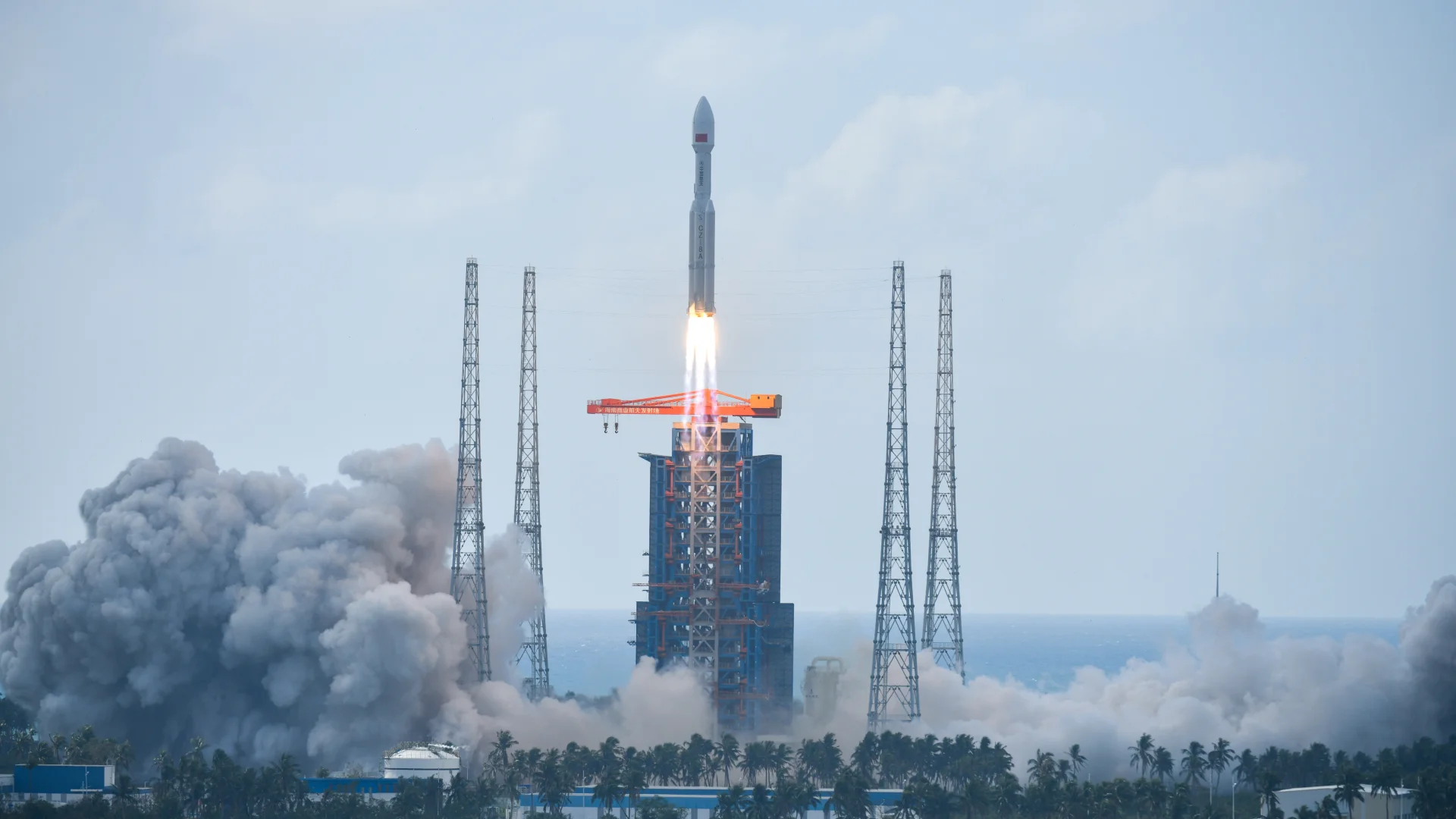
China has launched its 24th group of low-orbit internet satellites as part of its ongoing effort to build a large satellite-based communications network. The latest mission adds more spacecraft to the country's growing low-Earth-orbit (LEO) infrastructure and reflects China's continued focus on expanding space-based internet capabilities.
The deployment is part of a wider programmed aimed at increasing satellite network capacity and extending broadband connectivity. By placing more satellites in LEO, China is working to develop an independent communications network that can provide reliable connectivity across a wide range of locations
China Expands Its Low-Earth-Orbit Internet Network
The latest launch is one of several missions China has carried out to develop its low-orbit internet constellation. Regular satellite deployments are helping the country gradually establish the infrastructure required for a large-scale space-based communications system.
China's planned satellite network is designed to eventually provide extensive coverage. Earlier missions have already added significant numbers of satellites to the system, showing the country's growing ability to manufacture, launch and operate spacecraft on a large scale.
In April 2026, China launched its 21st group of low-orbit internet satellites using a Long March 6A carrier rocket. At that point, the number of satellites in the country's state-owned internet constellation had reached nearly 170. The broader programmed is planned to grow to approximately 13,000 satellites in low Earth orbit.
The repeated launches also show the increasing importance of LEO technology in China's communications strategy. Similar large satellite networks are being developed around the world as countries and companies look for new ways to deliver broadband services.
Impact on Aerospace and Defence Industry
China's launch of its 24th group of low-orbit internet satellites adds momentum to the wider space technology ecosystem. Regular satellite deployments can increase demand for spacecraft manufacturing, launching systems, communication equipment, tracking technologies, and related aerospace infrastructure. The latest mission also reflects the growing importance of LEO systems as countries invest in large satellite networks for connectivity and other applications.
For the defence sector, the expansion of space infrastructure has broader strategic implications. Precedence Research notes that governments increasingly depend on space-based systems for defence, navigation, and other critical functions. Although the latest Chinese launch is focused on internet connectivity, the growth of domestic satellite capabilities can strengthen the broader technological base available for secure communications and other space-related applications.
Impact on Satellite Market
According to Precedence Research, the global satellite market was valued at USD 362.28 billion in 2025 and is projected to reach approximately USD 780.24 billion by 2035, expanding at a 7.97% CAGR from 2026 to 2035. North America accounted for the largest share at 37% in 2025, while Asia Pacific is expected to register the fastest growth during the forecast period.
China's latest internet-satellite deployment supports the market's broader growth by demonstrating continued investment in large LEO constellations. Precedence Research notes that increasing demand for satellite-based services, rising internet connectivity and commercial investment in LEO networks are important factors supporting satellite-market expansion. The launch could therefore contribute to demand for spacecraft manufacturing, satellite communication systems, launch services and related ground infrastructure.
The commercial communications segment held the largest application share in 2025, making large internet-satellite programmed particularly relevant to the market's future development. As China and other countries continue building LEO networks, competition and investment across the satellite ecosystem are likely to increase.
Impact on Space Technology
According to Precedence Research, the global space technology market was valued at USD 512.08 billion in 2025 and is projected to reach approximately USD 1,081.74 billion by 2035, growing at a 7.77% CAGR from 2026 to 2035. The market includes satellites, launch vehicles, ground-control systems, and other technologies used for activities beyond Earth's atmosphere.
China's continued deployment of internet satellites directly aligns with the market's growth drivers. Precedence Research identifies rising demand for high-speed global connectivity as a factor accelerating satellite deployment. The expansion of China's LEO constellation could therefore support demand for satellite platforms, launch technologies, communication equipment and ground-based systems.
The development also reflects the increasing commercialization of space technology. As more satellites are deployed for communication and internet services, companies across the space technology supply chain may see opportunities to develop smaller, more efficient spacecraft, advanced communication systems and scalable launch solutions.
About the Satellite Market
The global satellite market covers satellite technologies and services across LEO, MEO, GEO, and other orbits, with applications including commercial communications, space observation, navigation, scientific research and military surveillance.
The market is being driven by rising demand for satellite-based connectivity, IoT applications, remote sensing, navigation, and communications. Commercial communications currently represent the largest application segment, while small satellites are expected to grow at the fastest rate.
China's expanding internet-satellite programmed is therefore part of a much broader transformation in the satellite industry. The deployment of increasingly large LEO constellations is expected to strengthen demand for satellite manufacturing, launch services, communications infrastructure, and related technologies.