



Delaware Declares Measles Outbreak as Cases Rise to Four
Published: 31 Jul 2026
Author: Towards Healthcare



The Delaware Division of Public Health (DPH) is reporting two additional positive measles cases, totaling four in the state. The Centers for Disease Control and Prevention (CDC) describes a measles outbreak as three or more cases of measles that are connected by location and time. Extensive contact tracing is continuing to recognize anyone exposed to the patient who tested positive. DPH notifies people who were recognized as exposed to determine whether they have been vaccinated against measles, offers educational resources, and recommends management when required. More information will be forthcoming if interaction tracing reveals any known public exposures.
The measles cases detected to date are unvaccinated adult males in Kent County. DPH is unable to offer more details related to the persons who tested positive at this time due to healthcare privacy restrictions. Patients who are pregnant, unvaccinated, immunocompromised, or too young to be vaccinated face the highest challenges of serious difficulties during a measles outbreak. Pregnant persons, immunocompromised people, or children less than 6 months old who have come into contact with someone suspected to have measles must immediately contact their primary care provider or Delaware's Office of Infectious Disease Epidemiology at 302-744-4990 for guidance. Unvaccinated patient or those unsure of their vaccination status who get exposed to a person with measles should contact their primary care provider or a public health clinic to obtain an MMR vaccine.
Delawareans are invigorated to ensure their vaccination status, as well as the status of their children. If they are unsure of their vaccination status, they can visit the DelVAX Public Portal and view their personal profile. Individuals can contact their significant health care provider for additional details if they are unable to obtain their records on DelVAX.
Usually, anyone showing any symptoms of measles should seek rapid health care by contacting their significant health care provider. If symptoms are serious, they should seek rapid care at the nearest emergency department. Before going to any health care facility, the patient should notify providers and healthcare transport that they or their child was exposed to measles.
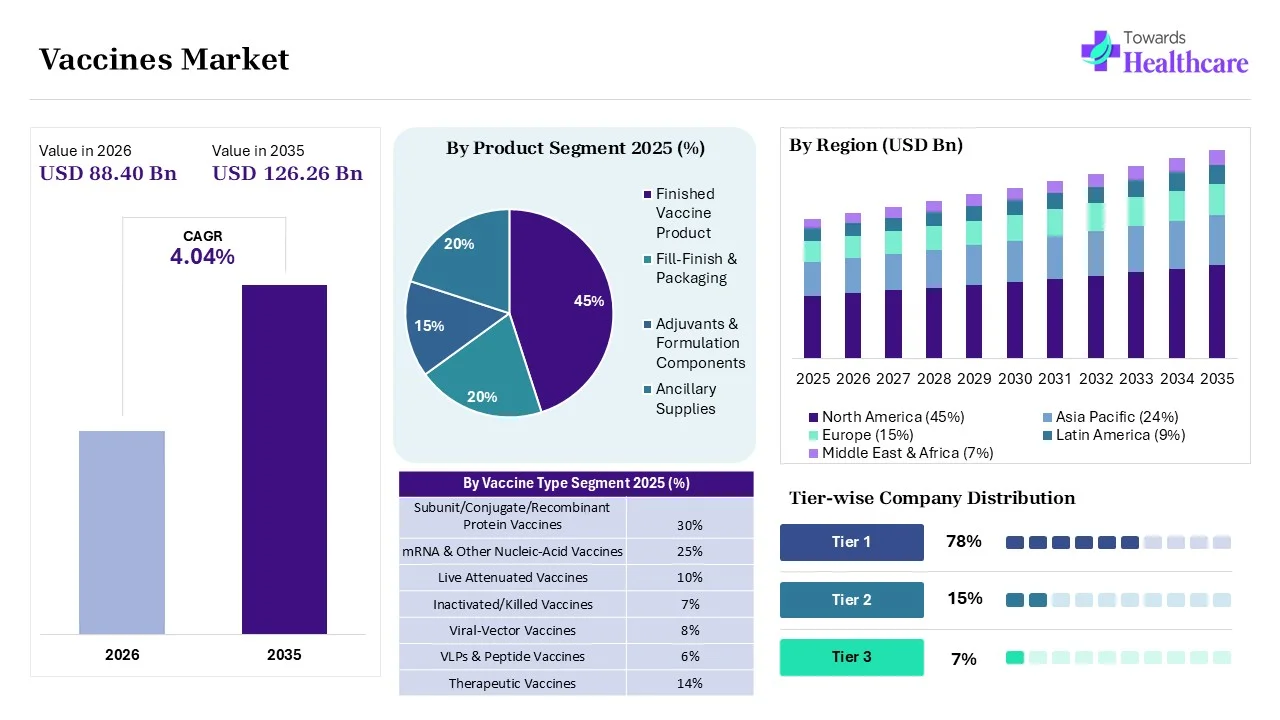
According to Towards Healthcare, the vaccine market is projected to experience significant growth, with estimates suggesting the market size will increase from USD 88.4 billion in 2026 to approximately USD 126.26 billion by 2035, representing a compound annual growth rate (CAGR) of 4.04% from 2026 to 2035, driven by vaccines simulating an infection, activating the immune response skillfully and safely. This supports the body in producing antibodies and memory cells without causing the actual disease. Unlike natural infection, vaccination prevents the challenges of severe illness and complexities. Vaccines reduce the challenges of getting a disease by working with the body's natural defenses to build protection.
About the MMR Vaccine
The MMR vaccine is proven safe and efficient at preventing measles, having been managed for over five decades. Testing has shown the MMR vaccine to be 97% efficient at preventing measles for those who have received two doses of the MMR vaccine and are not seriously immunocompromised. Kids should get their first dose of vaccine between 12 and 15 months of age and their second dose between 4 and 6 years of age. If the patient has not received both doses by age 6, they should get the first or second dose as soon as possible. Infants 6 to 11 months who are traveling internationally or who are in an area experiencing a measles outbreak or exposure should receive one early dose of MMR vaccine. Vaccinations are available to both adults and children at various pharmacies, federally qualified health centers (FQHCs), and supplied through Delaware as well as at public healthcare facilities for the uninsured or underinsured. Patients should contact their preferred facility in advance to confirm supply and accessibility.
Where to Get Vaccinated
Vaccines available at many facilities such as pharmacies and primary care providers. Call the consumer's preferred facility to confirm they have the MMR vaccine and are available to administer it. If the preferred facility does not have the vaccine, they are able to get a vaccine at a Public Health Clinic.
About Measles
Measles is a significantly contagious, severe viral illness which begins with early symptoms of fever, cough, coryza and conjunctivitis, lasting two to four days before rash onset. The rash generally occurs three to five days after symptoms begin and appears significantly on the face and spreads down the body. Measles causes severe health challenges, involving pneumonia, brain inflammation and death. The virus is transmitted by direct contact with infectious droplets or by airborne spread when an infected patient breathes, coughs, or sneezes. The measles virus can remain infectious in the air and on surfaces for up to two hours after an infected patient leaves an area. Infected people are contagious from four days before the rash starts to four days after rash expansion. The incubation period for measles from exposure to fever is generally about 10 days and from exposure to rash onset is usually about 14 days.
A recent report by Towards Healthcare highlights that the vaccine market is growing, as vaccination is not just related to personal protection; it also supports protecting society. When a large number of people are vaccinated, the spread of disease decelerates, achieving herd immunity. This is particularly significant for vulnerable groups like newborn babies, aging individuals, patients undergoing tumor treatment, and those with weakened immune systems.