



EMBL Spin-Off Epitome Therapeutics Launches to Advance Precision Epigenome Editing
Published: 29 Jul 2026
Author: Towards Healthcare



A recently launched EMBL spin-off, Epitome Therapeutics, aims to translate ground-breaking research in epigenome editing into an innovative generation of accuracy medicines. Co-founded by EMBL Group Leader Jamie Hackett, the organization builds on advanced research at EMBL Rome and will progress therapeutics that significantly regulate gene expression without varying the fundamental DNA sequence.
The organization’s proprietary CADENCE platform is based on research from the Hackett group at EMBL Rome, involving discoveries published in Nature Genetics in 2024. The technology was completely licensed to Epitome Therapeutics via EMBLEM Technology Transfer GmbH (EMBLEM), EMBL’s wholly owned profitable arm and special technology transfer partner. CADENCE shows advanced strategies for epigenome editing, allowing precise, durable, and tunable activation of gene expression.
While recent developments in gene editing have mainly focused on altering DNA sequences, numerous diseases actually result from genes being expressed at the wrong level rather than having the incorrect sequence. Epitome Therapeutics is advancing technologies intended to restore gene expression to therapeutically meaningful levels, making opportunities to tackle diseases driven by dysregulated gene activity, involving rare genetic and metabolic disorders.
“Genes do not need to be simply on or off – they need to be expressed at the right level,” said Jamie Hackett, EMBL Group Leader and co-founder of Epitome Therapeutics. “Our research has shown that epigenome editing can provide precise control over gene dosage, opening up the possibility of developing a new class of medicines that fine-tune gene activity rather than permanently altering the genome.”
The launch of Epitome Therapeutics reflects EMBL’s commitment to translating significant discoveries into societal impact. Via EMBLEM, EMBL helps researchers throughout the commercialization journey: from defensive intellectual property and structuring spin-offs to securing early-stage authentication funding, detecting and building experienced leadership players, and licensing technologies so that breakthroughs in fundamental research are ultimately advantageous to society at large.
Epitome Therapeutics was established with support from EMBLEM, which co-financed early validation of the CADENCE platform via the EMBL-GSK Young Entrepreneurs Award, was involved in organization formation, licensing, early-stage funding that leveraged additional funding, and continues to offer strategic help to the organization.
“A cornerstone of successful spin-offs is excellent, ground-breaking science, but that alone is not enough. From company formation and intellectual property licensing to early validation funding and building the right leadership team, translating research into impact is a collaborative effort,” said Jürgen Bauer, Deputy Managing Director of EMBLEM.
The organization has secured €4 million in early funding through an integration of venture investment and competitive grant funding. The pre-seed round was co-led by XISTA Science Ventures and Caesar Ventures, with participation also from Navec Venture Holding GmbH and EMBLEM. Furthermore, funding was secured via support from the Austrian federal development and financing bank AWS and the Austrian Research Promotion Agency (FFG).
This helps allow Epitome Therapeutics to further develop the CADENCE platform, increase its scientific team, and develop its first therapeutic programmed toward drug therapeutics selection.
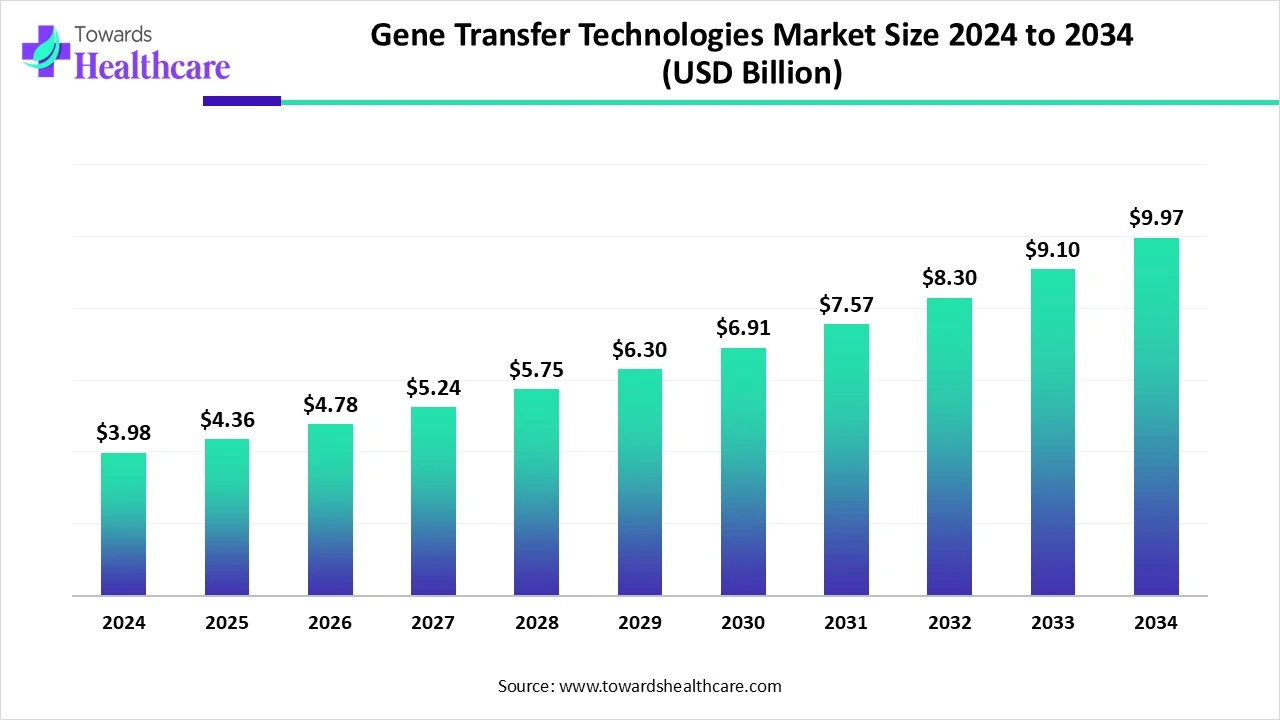
According to Towards Healthcare, the gene transfer technologies market is projected to experience significant growth, with estimates suggesting the market size will increase from USD 4.36 billion in 2025 to approximately USD 9.97 billion by 2034, representing a compound annual growth rate (CAGR) of 9.62% from 2025 to 2034, driven by, gene transfer is an investigational strategy which goal to potentially slow or even halt the progression of rare genetic diseases by transporting a replacement gene through the body. Gene transfer is significantly advantageous in rare genetic diseases as it aims to address the root cause of the disease. While the dangers and benefits of gene transfer in these genetic diseases still need to be evaluated in patient clinical trials, early research is hopeful.
About the European Molecular Biology Laboratory (EMBL)
With support from more than 30 countries, the European Molecular Biology Laboratory (EMBL) has more than 110 self-governing research groups and solutions teams covering the spectrum of molecular biology at six sites in Barcelona, Grenoble, Hamburg, Heidelberg, EMBL-EBI Hinxton, and Rome. The EMBL Council regulates the Laboratory’s policy in scientific, technical and administrative matters, specifically by giving guidelines to the Director General.
A recent report by Towards Healthcare highlights that the gene transfer technologies market is growing, as gene transfer technologies are applied to manage diseases by implanting therapeutic genes into cells. There are viral and non-viral processes of gene transfer. Viral processes use viruses such as retroviruses, adenoviruses, and adeno-associated viruses to effectively deliver genes. Non-viral processes involve mechanical techniques such as electroporation, microinjection, and biolistics (gene gun), as well as chemical methods like liposomes, calcium phosphate, and polyethylene glycol. Every process has benefits and risks for various applications in research and significant gene therapy.