



KISA Launches PQC Training to Accelerate Koreas Quantum Safe Transition
Published: 25 Aug 2026
Author: Gautam Mahajan



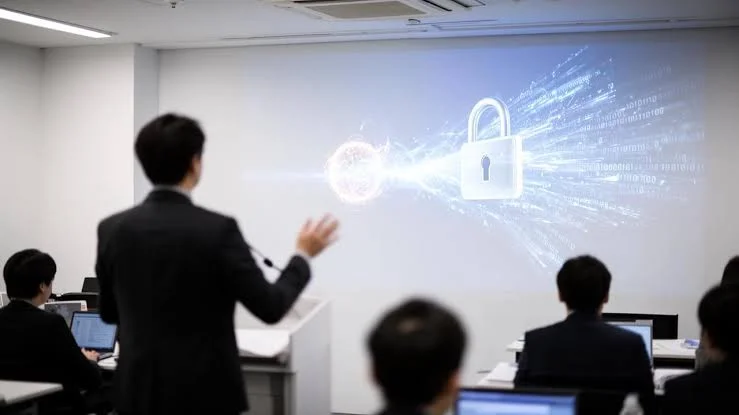
To help enterprises get ready for the cybersecurity risks posed by future quantum computers, the Korea Internet & Security Agency has started a training program centered on Post Quantum Cryptography.
The project aims to advance knowledge of quantum resistant cryptography technology and assist Koreas shift to more robust security measures. Organizations must start preparing quantum safe infrastructure as quantum computing develops because current encryption techniques may become susceptible to potent quantum algorithms.
Impact on ICT Industry
The project may hasten post quantum technology adoption throughout Koreas larger ICT ecosystem. Technology firms telecom corporations cloud services providers software developers' data centers and operators of digital infrastructure may increasingly consider integrating quantum resistant security into their current systems and upcoming offerings.
ICT firms creating secure cloud platforms enterprise software communication networks digital identification systems data protection technologies and infrastructure solutions may find new opportunities as a result of the increased emphasis on PQC. Additionally vendors might have to make sure that their products are compatible with new quantum resistant cryptography standards.
For ICT organizations the transition is likely to involve more than simply replacing existing encryption algorithms. Companies may need to identify where cryptographic technologies are embedded across applications, networks, cloud environments, databases, connected devices and digital platforms.
The initiative could also encourage ICT professionals to develop specialized expertise in quantum safe technologies. Training programs can help engineers software developers, IT teams and technology managers understand PQC concepts and support the integration of quantum resistant technologies into digital infrastructure.
The growing demand for quantum safe ICT infrastructure could further encourage collaboration between technology companies, research institutions government agencies and telecommunications operators. Such collaboration may support the development of interoperable solutions and help organizations prepare their digital ecosystems for future changes inn cryptographic standards.
Impact on Quantum Computing and Technology Market
The global post quantum cryptography (PQC) market size is calculated at USD 1.68 billion in 2025 and is predicted to increase from USD 2.31 billion in 2026 to approximately USD 29.95 billion by 2034, expanding at a CAGR of 37.72% from 2025 to 2035.
KISA PQC training initiative could contribute to greater awareness and adoption of post-quarter cryptography solutions among organizations. As businesses and government institutions become more familiar with quantum related security risks demand could increase for technologies and services that help organizations transition from conventional cryptographic systems to quantum resistant alternatives.
The post quantum cryptography market includes solution areas such as quantum resistant algorithms quantum safe cryptographic libraries authentication solutions encryption solutions quantum safe VPN email and messaging solutions blockchain solutions and quantum safe hardware increased awareness among organizations could support demand across these solution categories.
Additionally, the shift t quantum safe infrastructure may present opportunities for service providers who assist enterprises during the migration process. As businesses prepare their current infrastructure for post quantum security, they may need help with cryptography assessments system design implementation of migration planning and risk assessment.
By addressing the lack of experts with understanding of quantum resistant cryptographic technology, training and workforce development could further promote market expansion. The need for technical know how capable of integrating PQC into software networks, cloud environments and corporate systems may develop as companies start assessing their long term security requirements.
Impact on Digital Transformation
The global digital transformation market size accounted for USD 1.49 trillion in 2025 and is predicted to reach around USD 12.53 trillion by 2035, growing at a CAGR of 23.73% from 2026 to 2035.
The move toward quantum safe security could influence how organizations approach future digital transformation project. Businesses adopting cloud computing connected devices artificial intelligence and other digital technologies will increasingly need to consider long term data protection.
Organizations may begin incorporating cryptographic inventories algorithm migration planning and quantum readiness assessments into their technology and security strategies.
As a result the development may promote a more proactive approach to technology modernization in which businesses become ready for new dangers associated with quantum computing before it reaches widespread commercial maturity. Decisions about system development and technology acquisition may also incorporate quantum safe requirements. Businesses may search more for digital services cloud platforms hardware and software that can support updated cryptographic standards. Along with cloud migration automation artificial intelligence and connected technologies quantum readiness may be taken into account as companies updated their outdated IT systems. Organizations may be able to lessen the difficulty of upcoming cryptographic migrations by including quantum safe features into new digital infrastructure.
The expansion of digital infrastructure could further support demand for post quantum security solutions as organizations become increasingly dependent on interconnected systems. Embedding quantum safe capabilities into digital transformation strategies could help businesses strengthen the long-term resilience of their technology infrastructure.
About KISA
The Korea Internet & Security Agency (KISA) is a South Korean organization responsible for supporting internet security, cybersecurity, digital infrastructure, and related technology initiatives. KISA’s official website describes its activities across areas including Korea internet security, personal data security, information security industry, and digital safety.
Its focus on PQC training reflects the increasing importance of preparing organizations for the security implications of quantum computing and strengthening Korea’s broader quantum-safe capabilities.
The initiative also highlights the importance of workforce development alongside technological innovation. Building practical knowledge around quantum-resistant cryptography can help organizations prepare their technology teams for the technical and operational challenges associated with the transition to quantum-safe systems.
By strengthening expertise in PQC, KISA could support the development of a workforce capable of addressing emerging technology requirements across Korea’s ICT sector. Greater technical awareness may help technology companies and digital infrastructure providers integrate quantum-safe capabilities into future products and services.
The initiative could therefore contribute to broader adoption of post-quantum security technologies while supporting Korea’s efforts to prepare its digital infrastructure for evolving cybersecurity requirements.