



First Diagnostic X-Rays in Space Open a New Chapter for Astronaut Healthcare
Published: 22 Jul 2026
Author: Towards Healthcare



Historic Medical Achievement During a Commercial Space Mission
A team of astronauts has successfully captured the first diagnostic-quality X-ray images in space, marking a major breakthrough in space medicine. The achievement took place during a commercial orbital mission and demonstrated that portable X-ray equipment can safely operate in microgravity. The findings were recently published in the journal *Radiology*. This milestone shows that astronauts can perform important medical imaging while traveling in space, helping doctors detect injuries or health problems without waiting for the crew to return to Earth. As space agencies prepare for longer missions to the Moon and Mars, the ability to perform medical imaging in orbit is becoming increasingly important. The successful demonstration proves that portable imaging technology can play a valuable role in protecting astronaut health during future deep-space exploration.
Portable X-Ray System Performs Successfully in Orbit
The research team used a compact, portable X-ray device that was specially prepared for use in space. Before the mission, the equipment underwent extensive testing to ensure it could withstand launch conditions and function properly in microgravity. During the mission, crew members with only a few hours of training successfully captured X-ray images of different body parts, including the hand, chest, abdomen, and pelvis. They also imaged equipment to evaluate whether the system could inspect hardware as well as people. Medical experts later compared the images taken in space with those captured on Earth. Although the ground-based images showed slightly higher quality, the space images were considered good enough for diagnosing common medical conditions such as bone fractures and other injuries. The portable system also returned safely to Earth with only minor exterior damage after completing the mission.
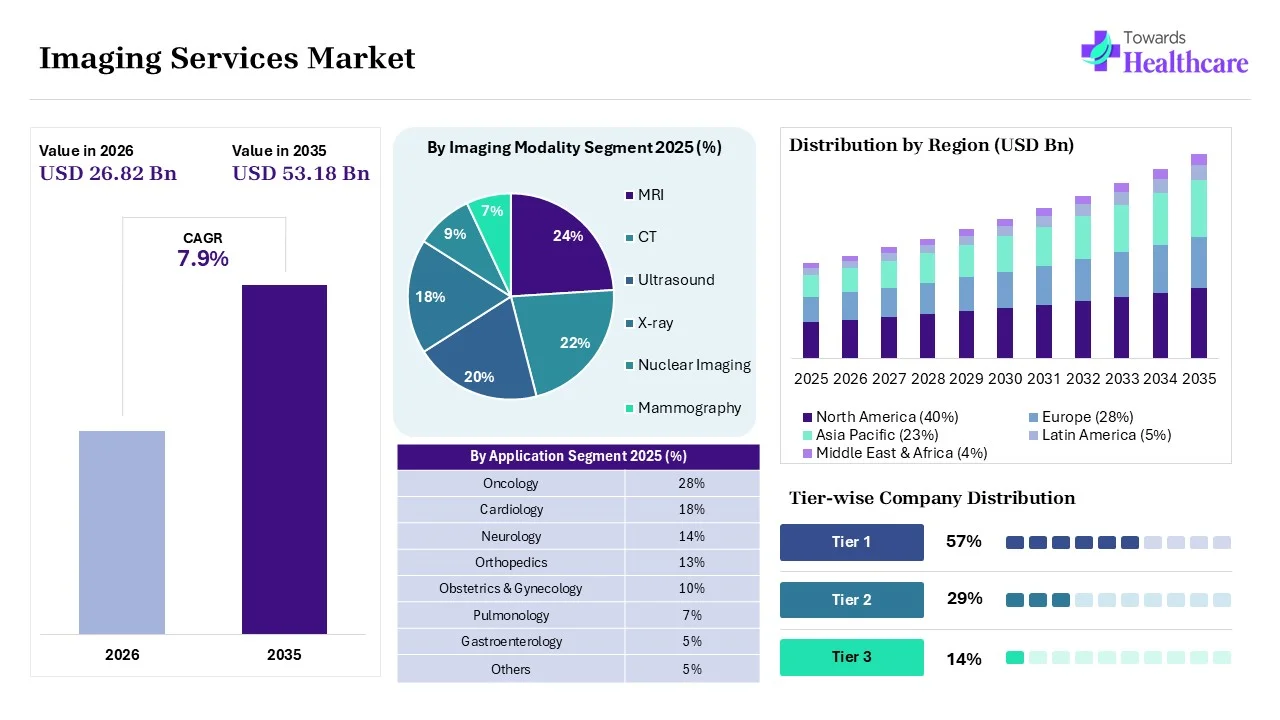
According to Towards Healthcare, the imaging services market is projected to experience significant growth, with estimates suggesting the market size will increase from USD 26.82 billion in 2026 to approximately USD 53.18 billion by 2035, representing a compound annual growth rate (CAGR) of 7.9% from 2026 to 2035. Growing demand for early disease detection, rising adoption of advanced diagnostic technologies, and expanding healthcare infrastructure are driving market opportunities. Increased investments in digital imaging, integration of artificial intelligence, and greater access to diagnostic services further support sustained market growth.
A Big Step Toward Safer Long-Duration Space Missions
Medical care becomes much more challenging when astronauts travel far from Earth. During future missions to the Moon or Mars, immediate evacuation will not be possible, making onboard diagnostic tools essential. The successful use of portable X-ray technology means astronauts could identify broken bones, chest conditions, or other medical problems without waiting for expert medical assistance from Earth. Researchers believe this technology could also help inspect damaged spacecraft components, spacesuits, and scientific equipment during space missions. According to the research team, the system was easy to operate even by crew members without medical backgrounds, proving that simple training can prepare astronauts to use advanced diagnostic tools effectively. Future improvements are expected to make the equipment even smaller, lighter, and easier to use in confined spacecraft environments.
“It’s been a dream for aerospace medicine to have more than one imaging modality for diagnosing illnesses and injuries in space,” said Sheyna Gifford, MD, lead researcher and an assistant professor of aerospace medicine at Mayo Clinic in Rochester, Minnesota. “X-rays are fast, easy, and diagnostically valuable.” “Disseminating autonomous miniature X-ray systems around the globe could also change the game in public health,” she added. “The sky is not the limit when it comes to X-rays in space and here on Earth.”
Benefits Extend Beyond Space Exploration
The success of this project could also improve healthcare on Earth. Researchers believe that compact and easy-to-use X-ray systems developed for space missions can be adapted for remote communities, disaster response, military operations, and rural healthcare settings where access to hospitals is limited. Smaller imaging devices could make diagnostic services more accessible while reducing the need for large medical infrastructure. The technology may also support emergency care in locations where traditional imaging equipment is unavailable. By proving that diagnostic-quality X-rays can be performed under extreme conditions, the study opens new possibilities for medical innovation both in space and on Earth. This achievement represents an important advancement in medical imaging and highlights how space research can lead to practical healthcare solutions that benefit people around the world.
A recent report by Towards Healthcare highlights that the imaging services market is witnessing robust growth due to increasing demand for accurate diagnostics, expanding screening programs, and continuous technological advancements. Rising prevalence of chronic diseases, greater use of AI-assisted imaging, and growing investments in outpatient diagnostic centers are strengthening the market. Supportive healthcare policies, increasing awareness of preventive care, and the adoption of cloud-based imaging platforms are creating new opportunities while improving efficiency, accessibility, and patient outcomes across healthcare systems worldwide.