



Metacon Introduces 20 MW electrolyser Module with Major Cost and Footprint Reductions for Large hydrogen Infrastructure
Published: 01 Oct 2026
Author: Laxmi Narayan



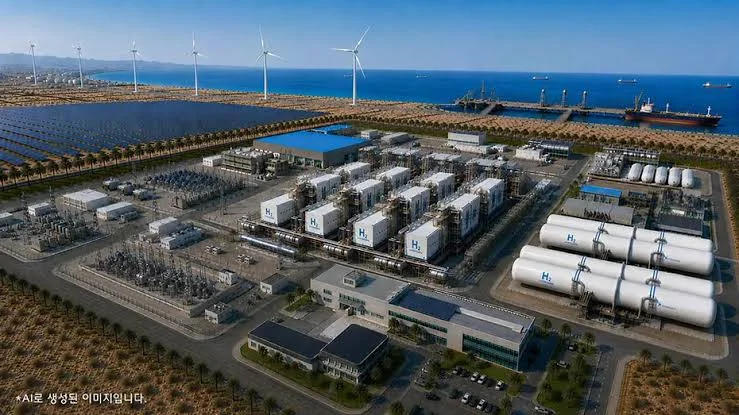
September 2026, Metacon launched a new 20 MW electrolyser module to make large-scale hydrogen production more cost-effective and efficient. The standardized module makes transport, installation, and future expansion easier. Its multi-level design brings together key electrolysis and support equipment in a compact setup, reducing the need for large buildings and site infrastructure.
According to the company, this approach can minimize costs for steel structures, piping, and land compared to traditional plant layouts. By focusing on equipment integration and plant size, Metacon target to help developers overcome construction and infrastructure challenges in building large hydrogen plants.
Impact on the Green Hydrogen Industry
The green hydrogen market size was valued at USD 17.28 billion in 2026 and is projected to reach approximately USD 231.32 billion by 2035, growing at a CAGR of 34.09% from 2026 to 2035.
According to Precedence Research, in the green hydrogen framework, the modular design might also make it easier for developers to increase capacity in stages. Metacon's 20 MW module could help shape the future of large green hydrogen plants by enabling more compact layouts and potentially reducing infrastructure costs.
This infrastructure requires less space for buildings, and steelwork and piping projects could become more affordable, particularly in areas where land is limited. The successful effect will depend on how well the technology performs in real-world situations and whether the claimed savings in fact result in lower project costs.
Impact on the Precious Metal Industry
The global precious metal market size is estimated at USD 302.79 billion in 2025 and is predicted to increase from USD 323.50 billion in 2026 to approximately USD 578.01 billion by 2035, expanding at a CAGR of 6.68% from 2026 to 2035.
According to Precedence Research, industrial manufacturers are looking more closely at hydrogen as a way to lower the emissions from their energy-heavy operations. In this sector the compact electrolyser system could make it easier to add on-site hydrogen production to existing plants.
Using less structural steel and piping may also reduce the amount of infrastructure needed. This could help projects where space, construction challenges, and installation time matter. Additionally, the broader adoption will depend on factors like access to renewable power, hydrogen costs, how well the system fits into current facilities, and long-term reliability.
Impact on the Oil and Gas Exploration and Production Industry
The global oil and gas exploration and production market size accounted for USD 6.14 billion in 2025 and is predicted to increase from USD 6.88 billion in 2026 to approximately USD 19.14 billion by 2035, expanding at a CAGR of 12.04% from 2026 to 2035.
According to Precedence Research, refineries and chemical makers use a lot of hydrogen and could gain from more compact electrolysis systems. Metacon's modular design might let them add more hydrogen production without needing big new buildings and extra land. The technology could make it easier to add capacity as demand rises.
This could help sites that want to boost low-carbon hydrogen output alongside current operations. Whether it becomes widely used will depend on electricity costs, how efficiently it runs, hydrogen needs, and whether it makes sense to switch from traditional hydrogen production.
Expert Opinion
From expert opinion, Metacon's new development shows a transition in electrolyser technology, with more focus on the whole plant setup. A 20 MW modular system could help developers deal with land limits, construction challenges, and overall plant costs. Still, the true commercial value will only be clear after the technology is utilized and tested.
Cutting down on steelwork, piping, and site needs is especially important for big industrial projects. Developers will have to weigh capital savings against electricity use, equipment durability, maintenance, installation time, and total hydrogen production expenses before deciding to use it extensively.