



NeuroSigma Announces U.S. Commercial Launch of Second-Generation Monarch® eTNS System for Pediatric ADHD
Published: 28 Jul 2026
Author: Towards Healthcare



NeuroSigma, Inc., a Los Angeles-based bioelectronic healthcare device organization, announced the launch of U.S. sales of its second-generation Monarch eTNS System, the only non-drug management for pediatric attention-deficit/hyperactivity disorder (ADHD) cleared by the U.S. Food and Drug Administration (FDA).
The Gen 2 Monarch healthcare is a noteworthy upgrade over the first-generation tools. It brings the same therapeutic exterior trigeminal nerve stimulation (eTNS) shown to lessen ADHD symptoms in children, but in a smaller, more modern form factor intended for each day family application. Advancement characteristics include a color screen, an easier consumer interface, and a combined rechargeable battery that helps up to three therapy sessions on a single charge. The Gen 2 technology provides more precise control over stimulation, enhancing comfort and ease-of-use during nightly therapy.
“Commercial launch of the Gen 2 Monarch eTNS system achieves a profound milestone for NeuroSigma,” said Dr. Colin Kealey, CEO of NeuroSigma. “Following our pilot launch of the first-generation device, we have seen substantial pent-up demand from families and clinicians looking for an effective non-drug option for pediatric ADHD. With an existing waitlist of more than 1,500 patients, caregivers, and providers, we believe the Gen 2 Monarch device is well positioned for rapid adoption across the United States.”
Dr. Kealey added, “We are delighted to make our newly designed device available to patients and their families seeking an effective non-drug ADHD therapy. Without adequate treatment, too many children are struggling with the mental health, academic, and social consequences that come with ADHD, including executive dysfunction, classroom inattentiveness, inability to follow instructions, emotional dysregulation, sudden mood swings, social isolation, and low self-esteem, in addition to other physical and mental impairments. Recent studies using PET imaging have demonstrated that eTNS therapy stimulates regions of the brain associated with ADHD, indicating a potential mechanism of action for this therapy.”
“This launch is a major commercial inflection point for NeuroSigma and a meaningful step forward for the families the company serves,” said Tom Paschall, CEO of Checkmate Capital and a member of NeuroSigma’s Board of Directors. “Pediatric ADHD remains an area of significant unmet need, and many families are actively seeking alternatives to prescription stimulants. The Gen 2 Monarch device puts a modern, non-drug therapy; backed by NeuroSigma’s proprietary trigeminal nerve stimulation technology that earned its FDA clearance; directly into the hands of parents and clinicians. We are proud to support a team that treats this critical indication while reducing children’s dependence on amphetamines.”
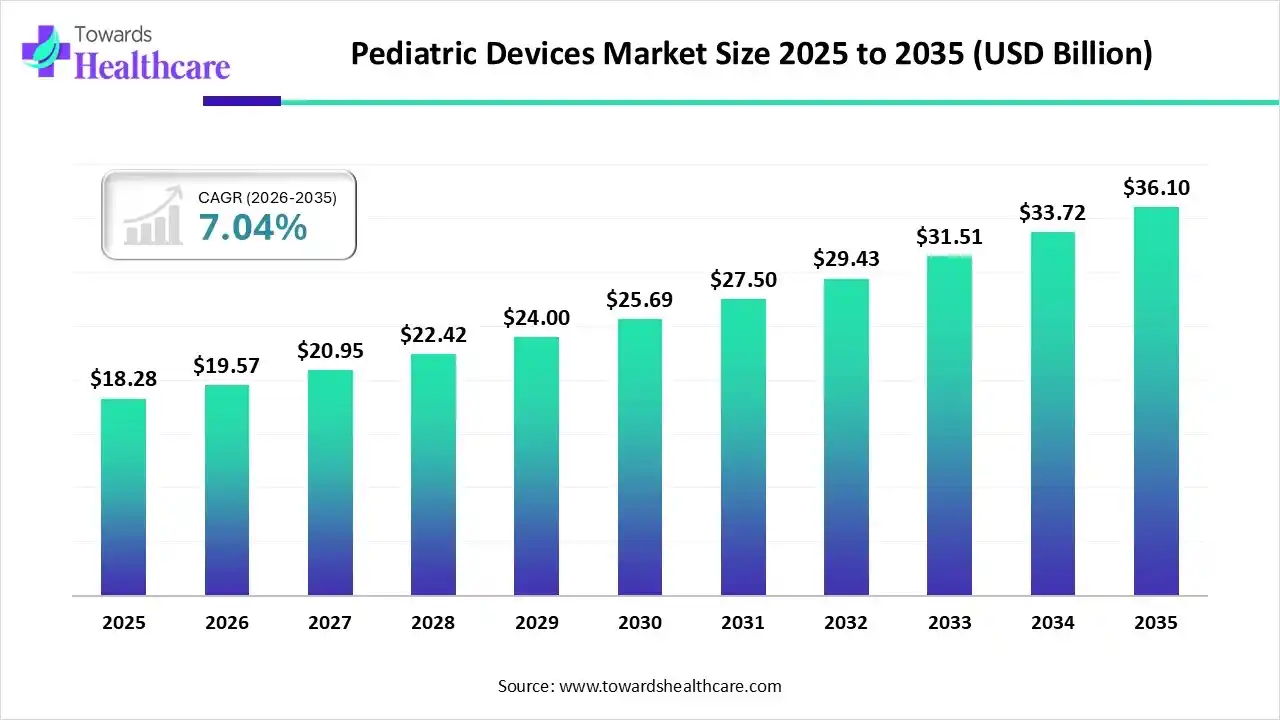
According to Towards Healthcare, the Pediatric Devices Market is projected to experience significant growth, with estimates suggesting the market size will increase from USD 19.57 billion in 2026 to approximately USD 36.10 billion by 2035, representing a compound annual growth rate (CAGR) of 7.04% from 2026 to 2035, driven by, pediatric devices engineered for kids' size, growth, body chemistry, and disease tendency rarely leave the laboratory. These devices calibrated for pediatric patients offer more precise readings and measurements, important for advanced diagnoses and treatment plans. These devices are intended to make medical care more positive, encouraging cooperation and reducing anxiety. Important uses of pediatric tools involve cardiovascular interventions, neonatal care monitoring, and respiratory support. These devices diagnose, manage, and treat congenital or acquired conditions in patients from birth up to age 21.
About the Monarch eTNS System
The Monarch eTNS System is the first non-drug treatment for pediatric ADHD cleared by the U.S. Food and Drug Administration. It provides low-level electrical stimulation to a subdivision of the trigeminal nerve via a small adhesive patch worn on the forehead, and is administered at home while sleep under the supervision of a caretaker.
Indication for Use
The Monarch eTNS System is designated for applications as a monotherapy for the management of ADHD in pediatric patients ages 7 through 12 years old who are not presently taking prescription ADHD therapeutics. The Monarch eTNS System is designed to be applicable in the home under the supervision of a caregiver during periods of sleep.
Important Safety Information
The Monarch eTNS system should not be used in offspring with an active implantable healthcare tool, such as a pacemaker or neurostimulator, or with a body-worn active medical care tool, such as an insulin pump. The devices should not be applied in the presence of magnetic resonance imaging (MRI) equipment. The most general adverse effects related to use of the Monarch eTNS System include drowsiness, amplified appetite, challenges in sleeping, teeth clenching, headache, and tiredness. Patients and caregivers should consult a qualified medical care provider to determine whether the Monarch eTNS System is appropriate for their child.
About ADHD
Attention Deficit Hyperactivity Disorder (ADHD) is one of the most common neurodevelopmental disorders of childhood and often lasts into adulthood. Children with ADHD have trouble compensating attention, managing impulsive behaviors like acting without thinking of associated consequences, or being excessively active. ADHD typically presents as significantly inattentive, typically hyperactive, or an integration of the two. ADHD potentially affects academic and social performance and is usually diagnosed by a physician or other capable medical care professional.
A recent report by Towards Healthcare highlights that the pediatric devices market is growing as pediatric medical care devices cover a broad array of indications and challenge profiles, and have helped lessen disease burden and improve quality. Pediatric medical devices are intended to improve lifelong results for children. In the medical care device industry, innovations last to evolve that suggestively impact pediatric care. These healthcare tools, such as pediatric flow diverters, are used to manage brain aneurysms and vascular malformations. These tools must be small but durable, navigating the narrow vessels of a child’s brain while providing the required strength to divert blood flow securely.