



Corporation between Novem and GPAINNOVA for the Execution of DLyte® Technology
Published: 14 Aug 2026
Author: Laxminarayan



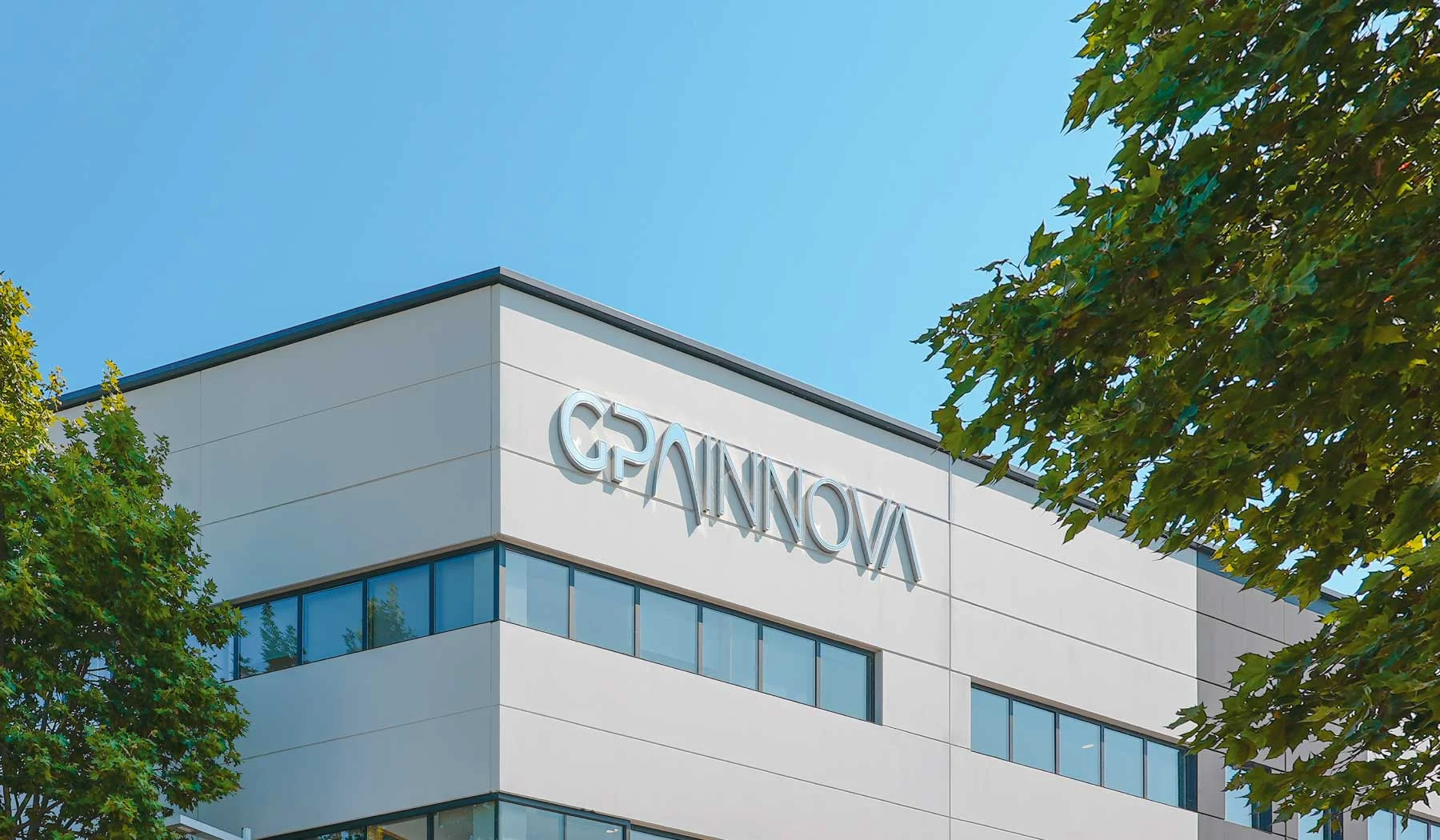
On August 12, 2026, Novem is enhancing its sophisticated surface-finishing abilities by entering into a partnership with GPAINNOVA to put DLyte® technology into practice for use in metal finishing. The technology is intended to improve the finishing of metal parts by providing a surface treatment that is more automated and stable. This collaboration combines Novem's knowledge in the production of high-end automotive components with GPAINNOVA's DLyte® electrochemical dry electropolishing technology. For Novem, the project represents an extension of its manufacturing capabilities for materials such as aluminum and other metals used in high-end mobility applications.
The alliance shows how increasingly important surface engineering is becoming as manufacturers look to achieve greater quality, lower repeatability and operational efficiency. The partnership may help promote wider industrial use of automated surface finishing, especially in cases where manufacturers need accurate results, scalable production, and superior process control for complex metal components. By taking up this innovative finishing technology, Novem can improve its capacity to meet the ever-more demanding requirements regarding decorative and functional components.
Impact on the Automotive Motors Industry
The global automotive motors market size is calculated at USD 32.04 billion in 2025 and is predicted to increase from USD 33.52 billion in 2026 to approximately USD 47.88 billion by 2034, expanding at a CAGR of 4.57% from 2025 to 2035.
According to Precedence Research, the Novem-GPAINNOVA partnership will give significant advantages to the automotive industry due to the demand for advanced metal finishing in premium vehicle interior and exterior parts. DLyte® technology is capable of providing a consistent surface treatment for these components, which could enhance their appearance and functional performance in automotive manufacturing. For automotive suppliers, automated finishing means less reliance on highly manual processes and helps standardize quality across varying production volumes.
The surge of advanced finishing technologies might support automotive manufacturers and suppliers in modernizing their surface-treatment operations and introducing greater automation into the production of premium components. This is especially central for premium vehicles, as decorative metal features must meet stringent aesthetic requirements. The partnership can thus help Novem accelerate its ability to develop and manufacture high-value components that align with automakers' increasing demands for precision and production efficiency.
Impact on the Metal Additive Manufacturing Industry
The global metal additive manufacturing market size is estimated at USD 6.68 billion in 2025 and is anticipated to reach around USD 23.58 billion by 2035, expanding at a CAGR of 13.44% from 2026 to 2035.
According to Precedence Research, for the wider metal manufacturing industry, the partnership shows the trend towards automated and digitally controlled surface finishing. Traditional methods of metal finishing often involve a number of processes, require manual involvement, and can have a great deal of variability from one production batch to the next. DLyte® technology provides an alternative method that focuses on controlled electrochemical treatment and may improve consistency alongside simplifying certain finishing operations.
The way Novem has put the technology into practice proves that advanced surface-treatment systems can transition from special-case use to industrial production settings. This might lead manufacturers who work with aluminum, steel, and other metals to review their current finishing processes and explore technologies that offer greater repeatability and process control. The development is especially pertinent to manufacturers of high-value components, since surface quality can directly affect product performance, visual appearance, and customer perception.
Impact on the Precision Engineering Machines Industry
The global precision engineering machines market size accounted for USD 20.09 billion in 2025 and is predicted to increase from USD 20.93 billion in 2026 to approximately USD 30.31 billion by 2035, expanding at a CAGR of 4.20% from 2026 to 2035.
According to Precedence Research, advanced electropolishing technologies could provide benefits to companies involved in precision engineering and the production of industrial components. The partnership between Novem and GPAINNOVA shows how specialized surface-treatment technology can be incorporated into a general manufacturing strategy. To achieve specific functional, dimensional, and aesthetic properties, components used in demanding applications usually require surfaces with very tight control. Automated finishing can benefit manufacturers meet these requirements with consistency and enable repeatable production.
Many customers are now demanding ever-tighter quality standards and reliable production, making investments in advanced surface engineering. Precision manufacturers take advantage of this to improve process consistency, higher levels of automation, and the ability to deal with complex metal components more efficiently. Additionally, this provides a competitive edge, especially in the case of suppliers working in the automotive, industrial equipment, and high-value manufacturing sectors.
Expert Opinion
From an expert point of view, The value of DLyte® technology goes beyond giving the metal surface a more attractive appearance by improving process consistency, repeatability and automation. The Novem-GPAINNOVA partnership is strategically important, as surface finishing is a stage that is frequently neglected but critical in advanced manufacturing. This is especially relevant for Novem, as premium automotive components entail stringent aesthetic demands to achieve sophisticated manufacturing requirements.
From an industrial point of view, the alliance shows that surface treatment is evolving into a technology-driven area of manufacturing in downstream finishing operations. The merger of advanced electropolishing technology could enable the company to accelerate its manufacturing offering and decrease its dependence on manual finishing processes. The long-term effects will depend on how well the technology translates into production and its operating economics. Additionally, if these factors prove favorable, partnerships of this kind could accelerate the adoption of automated surface finishing in high-value metal manufacturing and mobility applications.