



LANXESS Turns to Hydrogen to Cut Emissions at Krefeld-Uerdingen
Published: 14 Aug 2026
Author: Vidyesh Swar



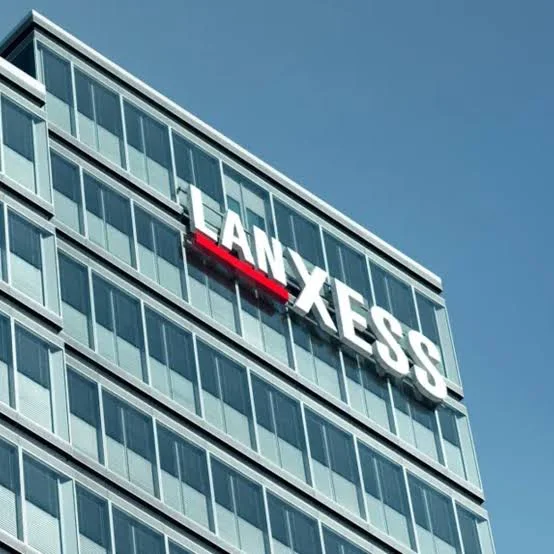
On August 12, 2026, LANXESS is speeding up the process of decarbonizing its operations at the Krefeld-Uerdingen site by using hydrogen instead of natural gas to dry iron oxide pigments. The company predicts that the change will slash its carbon footprint by about 6,000 metric tons of COâ‚‚ each year. The hydrogen-powered spray dryer constitutes a vital advance in the use of hydrogen as a fuel in continuous industrial processes. Because of the site's integrated industrial setup, hydrogen is manufactured as a by-product of chlorine electrolysis at a nearby plant and is then sent directly to LANXESS by a superior pipeline.
For energy-intensive chemical manufacturing, the project emphasizes hydrogen's potential to replace natural gas in high-temperature processes and to help lower emissions without needing well-established infrastructure. The hydrogen burner was put in place in late 2025 before the system was slowly put into operation. The current production systems are causing major disruption within ongoing industrial operations. The project shows how industrial clusters can use existing infrastructure and by-product streams to reduce their fossil fuel consumption while maintaining production lines.
Impact on the Chemicals Industry
The global specialty chemicals market size is valued at USD 940.72 billion in 2025 and is predicted to increase from USD 978.79 billion in 2026 to approximately USD 1,377.32 billion by 2035, expanding at a CAGR of 3.54% from 2026 to 2035.
According to Precedence Research, chemical manufacturing often uses natural gas to provide the heat needed for processes, and switching the fuel is a main way to achieve decarbonization goals. LANXESS's hydrogen project yields a practical example of how emissions from high-temperature industrial processes can be reduced. by making modifications to the burners, adding measurement systems, installing dedicated pipelines, and introducing safety controls. LANXESS has shown that it is possible to incorporate hydrogen into an existing production framework.
The project is especially important because the hydrogen is produced locally as a by-product of chlorine electrolysis, reducing transportation needs and enabling value to be derived from an existing industrial process. It proves that industrial companies are able to achieve productive efficiency and decarbonization without having to completely replace their current manufacturing infrastructure. Major specialty chemical providers adopting hydrogen could enable chemical producers to decrease their direct emissions bykeeping their present assets and production capacities.
Impact on the Paints and Coatings Industry
The global paints and coatings market size was accounted at USD 193.91 billion in 2025 and predicted to increase from USD 202.25 billion in 2026 to approximately USD 293.54 billion by 2035, representing a CAGR of 4.23% from 2026 to 2035.
According to Precedence Research, iron oxide pigments are used in a wide range of applications, including coatings, plastics, construction materials, and special purposes. The paint and coatings sectors could gain indirect benefits from LANXESS's lower-carbon iron oxide pigment production. The demand for reducing emissions associated with pigment production can improve the environmental aspects of the finished products. The use of hydrogen for process heat could help strengthen LANXESS's position since customers are increasingly evaluating suppliers on the basis of the carbon footprint of their products and their sustainability requirements.
For manufacturers of coatings and painting materials, lower-emission raw materials could assist them in meeting their corporate climate targets and in responding to the rising demand for higher sustainability products by ensuring higher performance that is expected from industrial pigments. The development might prompt other raw material suppliers to invest in cleaner manufacturing technologies to enhance supply chain resilience, reduce embedded emissions, and improve the sustainability of the final products.
Impact on the Hydrogen & Industrial Energy Industry
The global hydrogen market size accounted at USD 282.63 billion in 2025 and is projected to reach around USD 594.97 billion by 2035, growing at a CAGR of 7.73% from 2026 to 2035.
According to Precedence Research, the project is important to the hydrogen and industrial-energy sectors since it shows hydrogen progressing from pilot projects to its use as a continuous industrial fuel. The project highlights the value of industrial clusters, in which hydrogen can be produced, transported, and used over short distances through dedicated infrastructure. By using hydrogen for process heat, LANXESS is proving that it could potentially substitute for fossil fuels.
It could prompt industrial sites to look at hydrogen sources and byproduct streams that are available to them domestical scale. This method might make the adoption of hydrogen more practical than that of unconnected projects, which would need entirely new supply chains. If the initiative is successful, it could strengthen the case for hydrogen infrastructure near major industrial areas and accelerate investment in low-carbon industrial energy solution.
Expert Opinion
From the expert point of view of industrial decarbonization, the LANXESS project in Krefeld-Uerdingen is gain momentum because it includes the use of hydrogen in a large-scale production. The most noteworthy feature is the integration of hydrogen supply with its industrial consumption within an existing chemical cluster. Relying on hydrogen that is available locally helps to overcome one of the main challenges associated with the adoption of industrial hydrogen for a reliable and economically viable supply.
The LANXESS initiative presents a useful model for companies in the industrial sector that are looking for practical routes to decarbonization. The expected annual reduction of about 6,000 metric tons of COâ‚‚ shows that switching to hydrogen can bring about clear environmental benefits without having to stop production. Its main value might eventually lie in showing how existing industrial ecosystems can accelerate the transition away from fossil-based process heat. The diversified industry should evaluate hydrogen projects with regard to cost efficiency, supply security, infrastructure needs, safety, and lifecycle emissions.