



UK Carmakers on Course to Meet 2025 Electric Vehicle Targets, New Analysis Finds
Published: 24 Dec 2025
Author: Precedence Research



The UK automotive industry is on track to comply with the government’s electric vehicle sales requirements for 2025, according to fresh analysis from the Energy and Climate Intelligence Unit (ECIU). The findings suggest that despite criticism from parts of the industry and political opposition, current sales trends and regulatory flexibilities mean manufacturers are likely to meet their obligations under the zero-emission vehicle (ZEV) mandate.
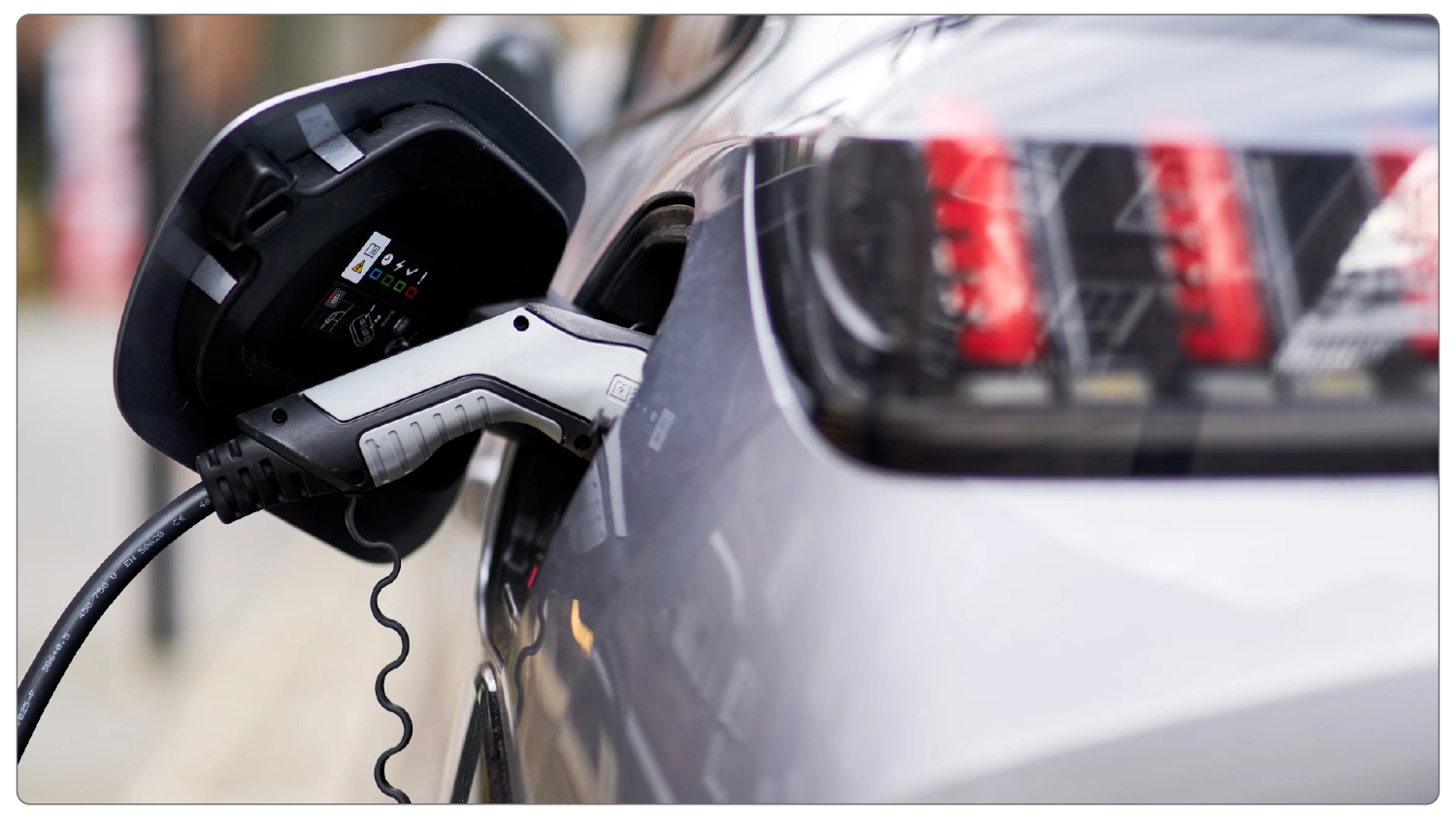
Under the mandate, carmakers are expected to ensure that at least 28 percent of their new car sales are zero-emission vehicles, a category that largely consists of battery electric cars. However, the ECIU points out that the effective requirement is lower in practice. Manufacturers are allowed to use built-in flexibilities, including credits earned from selling lower-emission petrol and diesel vehicles, which reduce the actual sales threshold to around 20.4 percent.
Data from the Society of Motor Manufacturers and Traders shows that battery electric vehicles accounted for 22.7 percent of the UK car market during the first 11 months of the year. This figure already exceeds the adjusted ZEV requirement, reinforcing the view that the sector is broadly on pace to meet the 2025 target.
Colin Walker, head of transport at the ECIU, said the analysis challenges claims that the industry would struggle to hit electric vehicle sales targets. He noted that the UK market has shown consistent progress, with drivers increasingly opting for electric models. According to Walker, the UK now ranks second only to China among the world’s largest car markets in terms of the share of new car buyers choosing electric vehicles.
He also highlighted the financial benefits for consumers, pointing out that many EV owners are saving hundreds or even thousands of pounds each year through lower running and fuel costs. These savings are being seen not only by buyers of new electric cars, but also by families purchasing used EVs as the second-hand market expands.
The debate comes amid shifting policy signals elsewhere in Europe. Recently, the European Commission softened its proposed ban on new petrol and diesel car sales from 2035, revising the target so that 90 percent of new cars sold from that year must be zero-emission rather than 100 percent. In contrast, the UK government has committed to banning the sale of new petrol and diesel cars and vans from 2030, with only zero-emission vehicles allowed from 2035.
However, the UK’s approach has become a political flashpoint. Conservative Party leader Kemi Badenoch has said that her party would scrap the policy if it wins the next general election. Writing in the Sunday Telegraph, she described electric vehicle quotas as economically damaging.
Walker warned that weakening the UK’s ZEV mandate could have serious consequences. He argued that scaling back targets would slow the uptake of new electric cars and hinder the growth of the second-hand EV market. This, he said, would leave drivers reliant on more polluting and costly petrol vehicles for longer. He added that uncertainty over policy direction risks placing the UK behind other global markets that are moving rapidly toward electrification.
Ginny Buckley, chief executive of EV advice platform Electrifying.com, said the UK’s post-Brexit independence gives it the opportunity to pursue a different course from the European Union, particularly if EU policy changes risk slowing progress. She cautioned that diluting the UK’s long-term targets would strengthen competitors in countries such as China and South Korea, where governments and manufacturers are accelerating the shift to electric mobility.
Ben Nelmes, chief executive of environmental consultancy New AutoMotive, described the UK’s electric vehicle targets as both ambitious and realistic. He warned that sudden changes to the rules would undermine confidence and repeat what he views as mistakes made elsewhere in Europe.
From the industry’s perspective, SMMT chief executive Mike Hawes acknowledged that manufacturers have made significant efforts to comply with the ZEV mandate. He noted that heavy discounting of electric vehicles has helped drive sales but has also placed substantial financial pressure on carmakers, a situation he described as unsustainable over the long term. Hawes called on the government to ensure that the transition to electric vehicles supports consumer confidence, encourages investment in the UK, and contributes positively to economic growth.
Overall, the analysis suggests that while challenges remain, the UK car industry is making steady progress toward its electric vehicle goals, with policy stability seen as a critical factor in maintaining momentum.