



VW Launches Its Most Innovative Electric SUV with XPeng Collaboration and 800V Charging
Published: 29 Dec 2025
Author: Precedence Research



Volkswagen has introduced its most radical electric SUV to date, the ID.UNYX 08, marking a significant shift in the company’s strategy for the Chinese electric vehicle market. Exclusively designed for China, the ID.UNYX 08 is the only model developed under Volkswagen’s “In China, for China” approach, representing a notable departure from the automaker’s global EV design language. Created by Volkswagen Anhui in collaboration with Chinese EV developer XPeng, the SUV serves as the flagship of Volkswagen’s new sub-brand, ID.UNYX, which was launched in 2024 to address the rapidly evolving preferences of Chinese consumers.
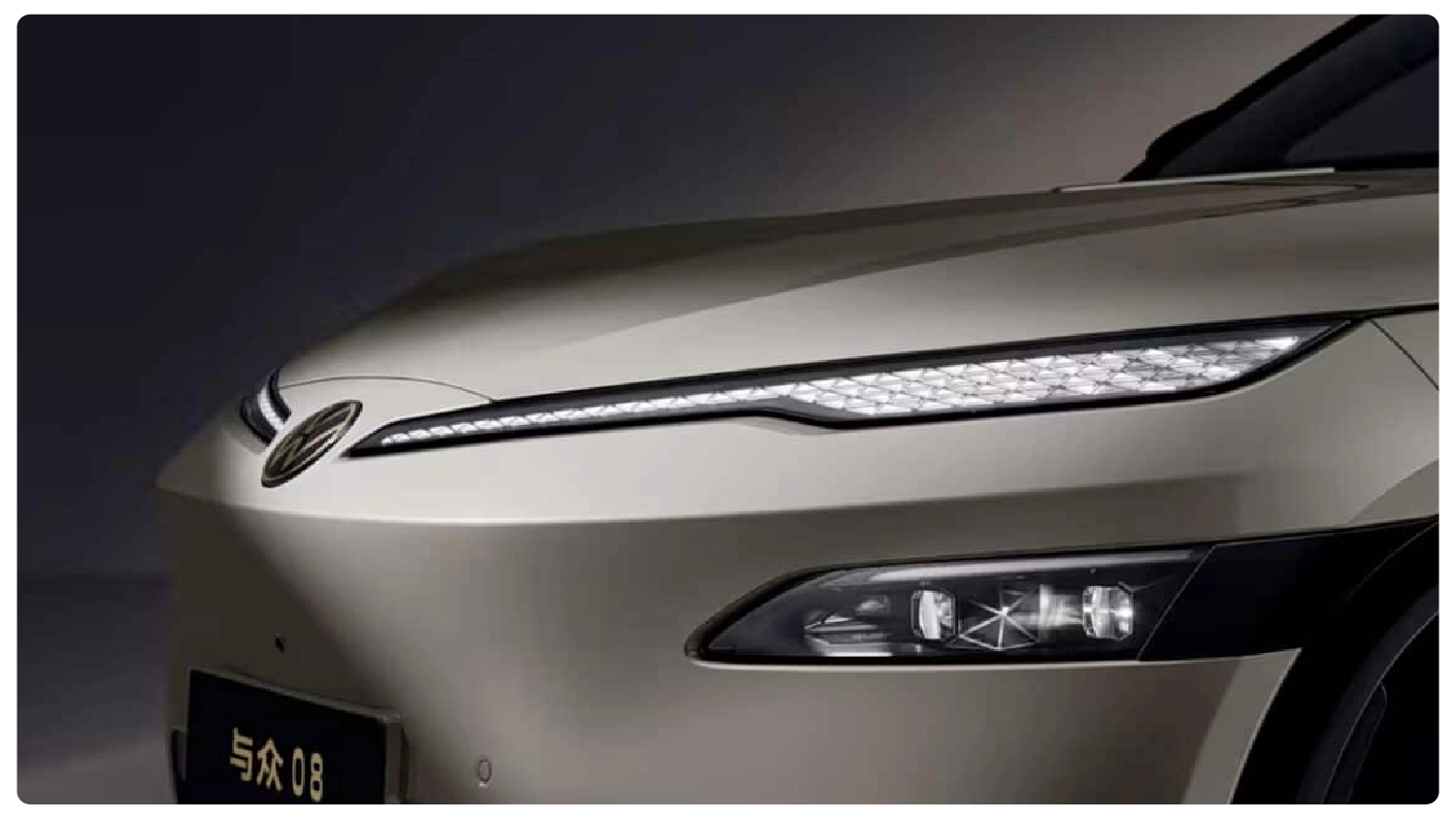
The launch of the ID.UNYX 08 underscores Volkswagen’s recognition that success in the Chinese EV market requires extensive localization of both technology and design. Domestic competitors such as BYD, Nio, Li Auto, and XPeng currently lead the market in software capabilities, charging performance, and digital user experience. To compete, Volkswagen has equipped the ID.UNYX 08 has a range of features that go beyond its existing ID portfolio. These include an 800V electrical architecture, an AI-driven cockpit, and driver-assistance systems optimized for local conditions, reflecting a renewed effort to strengthen its position in the world’s largest EV market.
The advanced battery and charging systems are one of the greatest upgrades that were brought by the ID.UNYX 08. The SUV comes with two lithium iron phosphate (LFP) battery packs as provided by CATL, with an approximate capacity of around 82 kWh and 95 kWh. Depending upon configuration, drive train, and battery size, the vehicle has a CLTC-rated driving range of 630km, 700km, or even 730km.
The ID.UNYX 08 represents a significant shift in Volkswagen’s design language. Its exterior features slim LED light strips, a clean and minimalist front fascia, and a coupe-like roofline, reflecting a style more aligned with Chinese EV design than Volkswagen’s traditional European aesthetic. This intentional design approach reinforces the vehicle’s local identity and highlights Volkswagen’s commitment to adapting its brand image to regional preferences, rather than simply applying a global design to the Chinese market.