



Antihyperlipidemic Market, Global Market Size, Segmentation, Regional Analysis, Regulatory and Guideline Environment, Company Intelligence, Products and Technology Analysis, Buyer Intelligence, Treatment Gap and Commercial Opportunities, Market Restraints
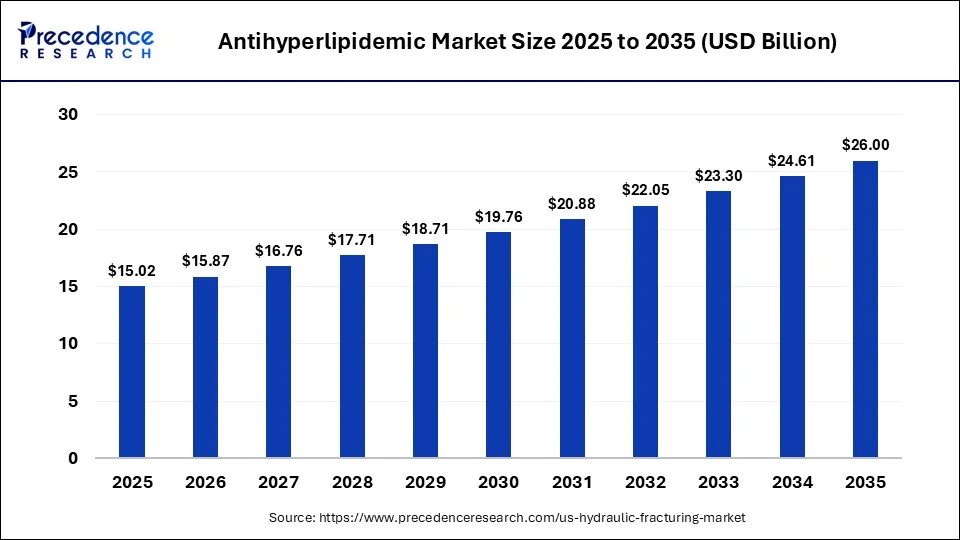
The antihyperlipidemic market reached USD 15.02 billion in 2025. This market was evaluated based on the global market size, segmentation, regional analysis, combination formulations, targeted non-statin treatment innovations, and growing demand for comprehensive care. The report is curated by Deepa Pandey, senior research analyst, focusing on statin drugs, PCSK9 inhibitors, routes of administration, and the development of innovative drugs to effectively manage very high levels of cholesterol. Her research is useful for medical product manufacturers, healthcare professionals, pharmaceutical firms, and stakeholders for competitive benchmarking and informed decision-making.
Source: https://www.precedenceresearch.com/antihyperlipidemic-market
 Get a Sample
 Table Of Content


Antihyperlipidemic Market Trends, Growth and Market Size Analysis
The antihyperlipidemic market is forecasted to expand from USD 15.87 billion in 2026 to USD 26.00 billion by 2035, growing at a CAGR of 5.64% from 2026 to 2035. The development of innovative combination therapies and targeted non-statin treatments, an effective and timely diagnostic ecosystem, and the development of residual risk detection technologies are propelling the market. Deepa Pandey, our Senior Research Analyst, has over 5 years of experience in the healthcare and medicine industry. She has conducted thorough research on factors affecting the adoption of conventional statin treatments, future opportunities, regulatory updates, and the potential for novel innovative therapies to compete in the market through a wider scope and patient convenience.
Key Takeaways
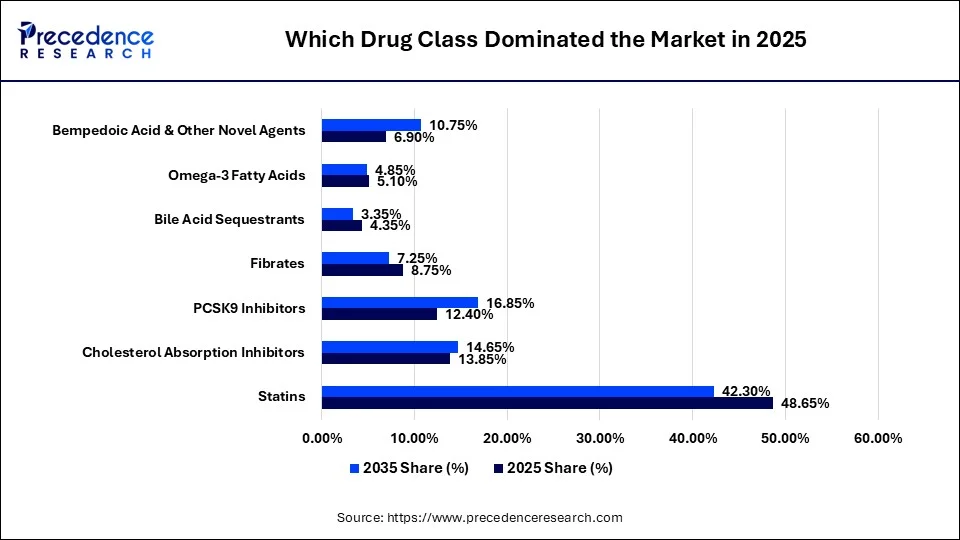
- By drug class, the statins segment led the market with a 48.65% share in 2025.
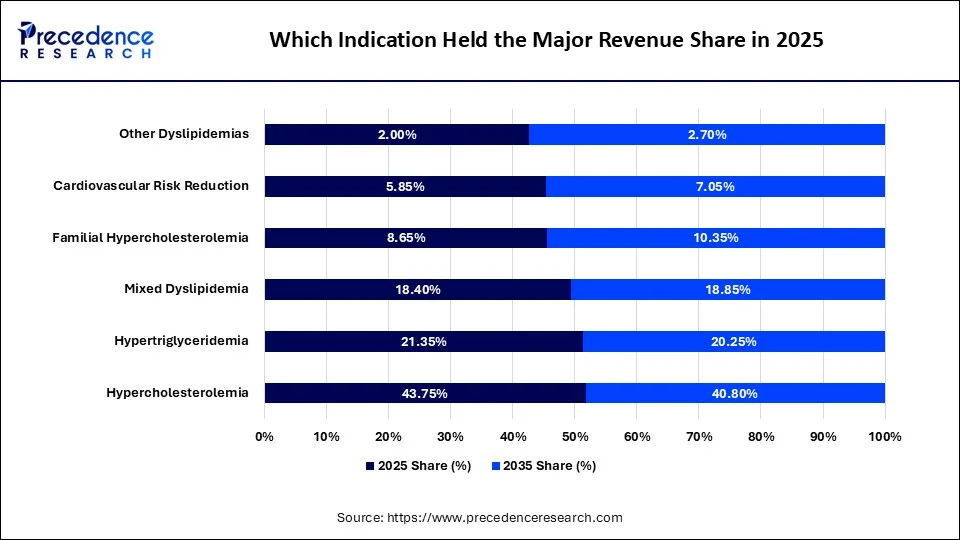
- By indication, the hypercholesterolemia segment dominated the market with a 43.75% share in 2025.
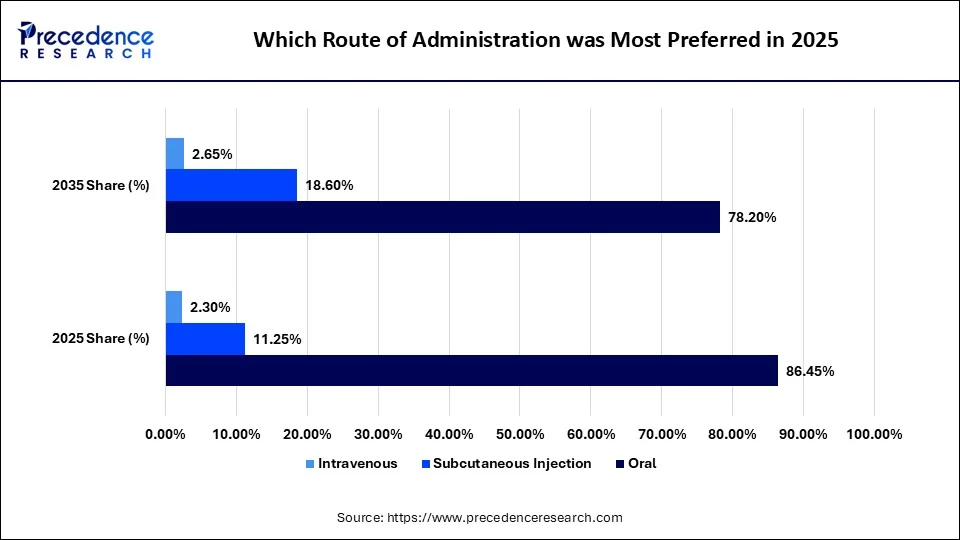
- By route of administration, the oral segment accounted for the major revenue share of 86.45% in 2025.
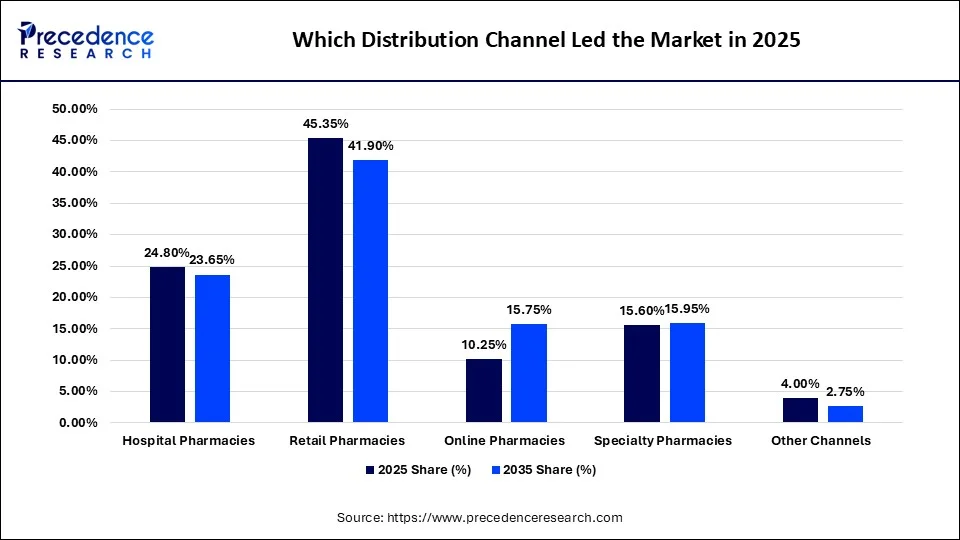
- By distribution channel, the retail pharmacies segment led the market with a 45.35% share in 2025.
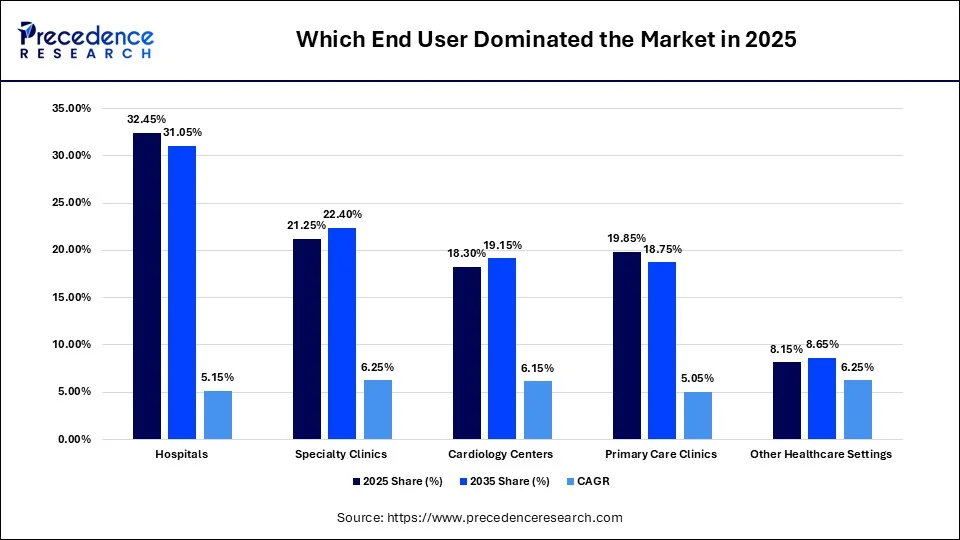
- By end user, the hospitals segment held the highest market share of 32.45% in 2025.
- Amgen generated the highest revenue of over USD 3 billion among all prominent rivals across the globe. Its revenue was USD 1.66 billion in the U.S. itself.
- Other prominent pharmaceutical companies such as Novartis, Regeneron/Sanofi, and Organon all generated revenues below USD 2 billion.
- The non-statin segment is growing rapidly due to the launch of competitive drugs such as Repatha and Leqvio, which generated significant sales across the globe, showing a patient preference for injectable lipid control treatments.
Market Size
The antihyperlipidemic drugs market was valued at 15.02 billion in 2025 and is expected to expand at a CAGR of 5.64% from 2026 to 2035. This growth is attributed to the rising prevalence of cardiovascular disorders, the growing development of novel therapies, and increasing awareness among large patient populations. Approximately 19.8 million people died from cardiovascular disease in 2022, representing about 32% of global deaths. More than three-quarters of CVD deaths occur in low- and middle-income countries (LMICs).
The market also faces formidable challenges, including pricing and reimbursement pressure on injectable therapies, generic competition between statins and ezetimibe, lack of awareness of early diagnosis and screening, and treatment adherence, especially in LMICs. However, the availability of combination therapies and rapidly expanding healthcare infrastructure contribute to market growth.
Expert Analyst View - Market Size
The market witnesses a principal growth opportunity of treatment intensification rather than replacement of statins. The 2026 guideline facilitates healthcare professionals to focus on early diagnosis and consider pharmacotherapy like LDL-C and HDL-C at lower primary-prevention risk levels.
Market Dynamics and Demand Indicators
Source: Precedence Research Database
Sources note that there were around 19.8 million deaths due to cardiovascular diseases, 589 million adults suffered from diabetes in 2024, and 890 million adults had obesity in 2022. U.S. cholesterol data show that only 54.5% of people who could benefit from cholesterol medications were actually taking them. Around 2.5 billion adults were found to be overweight in 2022. 86 million adults in the U.S. have cholesterol levels above 200 mg/dL, and around 25 million adults have cholesterol levels above 240 mg/dL.
Expert Analyst View- Market Dynamics and Demand Indicators
The highest demand in the market is presented by the rising prevalence of large diseases, gaps in the reimbursement ecosystem, and intensive treatment needs. The market can benefit not just from the treatment of hypercholesterolemia, but also through advancement of timely diagnostics, enhanced treatment compatibility, and detection of residual threat via ApoB and Lp(a) testing.
Segmentation Analysis
Which Drug Class Dominated the Market in 2025?
Source: Precedence Research Database
The statins segment led the market with a 48.65% share in 2025 and is expected to expand at a CAGR of 4.25% during the forecast period. This segment benefits from a mature clinical environment, generic accessibility, significant professional convenience, and its status as a primary drug for cholesterol control. Its market share is expected to decrease by 6.35% by 2035, as the bempedoic acid and other novel agents segment is expected to grow at the fastest CAGR of 10.05% from 2026 to 2035. The 2026 guidelines also place non-statin drugs as alternatives or supplements when the patient has significant side effects from LDL-C drugs.
Expert Analyst View- Drug Class
The market is not just shifting from statin drugs to non-statin drugs, but a multifaceted approach for holistic treatment is being adopted. The PCSK9 segment is also expected to expand at a healthy CAGR of 8.72% during the forecast period. PCSK9 inhibitors are used in cases where a high reduction in cholesterol is necessary. A prominent PCSK9 product generated just over USD 3 billion in sales in 2025, which was 36% more than the previous year. A leading bempedoic acid manufacturer secured USD 403.1 million in revenue in 2025, which was 21% more than the previous year. There are certain restraints on the growth of injectables, such as payer verification, acquisition expenditures, and regulatory requirements, and established statins face stiff competition in the generic segment.
Which Indication Held the Major Revenue Share in 2025?
Source: Precedence Research Database
The hypercholesterolemia segment dominated the market with a 43.75% share in 2025 and is expected to grow at a modest CAGR of 4.85% because it is an already established segment for managing LDL-C. The reduction of LDL-C is vital to prevent Atherosclerotic Cardiovascular Disease (ASCVD). The other dyslipidemias segment is expected to grow at the fastest CAGR of 8.2% during the forecast period. The familial hypercholesterolemia and cardiovascular risk reduction segments are also expected to grow at CAGRs above 7 from 2026 to 2035. According to FDA data, Heterozygous familial hypercholesterolemia is found in 40% of the population, emphasizing the importance of early intervention using pharmacological treatments. This is especially important in young people with LDL-C levels exceeding 160 mg/dL and genetic vulnerability to ASCVD.
Expert Analysis View- Indications
Familial hypercholesterolemia is being seen as a great option for high-end therapies where patients need intensive treatment throughout their lives. The market is transitioning beyond just cholesterol management to genetically driven conditions, residual cardiovascular threat, and mixed lipid anomaly treatment.
Which Route of Administration was Most Preferred in 2025?
Source: Precedence Research Database
The oral segment held the major revenue share of 86.45% in 2025 and is expected to grow at a CAGR of 4.5% during the forecast period. Statins, ezetimibe, fibrates, and bempedoic acid all use the oral route. Its share is expected to decrease to 78.2%, as the subcutaneous injection segment is expected to grow at the highest CAGR of 10.95% from 2026 to 2035, leaping from 11.25% in 2025 to 18.6% in 2035. This is because PCSK9 inhibitors and various other innovative therapies are being approved and adopted. PCSK9 monoclonal antibodies have been found to decrease LDL-C levels by 45 to 64%, and inclisiran reduces LDL-C by 48 to 52%.
Expert Analyst View- Route of Administration
The main challenge for the injectable route is insurance claims and delivery costs. NHS England allocates funds for inclisiran for the development of a countrywide buying and claims framework and does not leave cost dynamics entirely to local supply chains.
Which Distribution Channel Led the Market in 2025?
Source: Precedence Research Database
The retail pharmacies segment held the largest market share of 45.35% in 2025 and is expected to expand at a CAGR of 4.8% during the forecast period, which benefits from a large volume of chronic oral prescriptions. It is expected to lose some share from 2026 to 2035 as the online pharmacies segment is expected to grow at the fastest CAGR of 10.35% during the same period. This shows a growing preference towards digital prescriptions, home delivery, and long-term treatment convenience.
Expert Analyst View- Distribution Channels
The specialty pharmacies segment will be propelled by the incorporation of injectable and costly non-statin treatments. Hospital pharmacies will see consistent demand because of their importance for complicated cardiovascular cases.
Which Patient Type Accounted for the Highest Share in 2025?
Source: Precedence Research Database
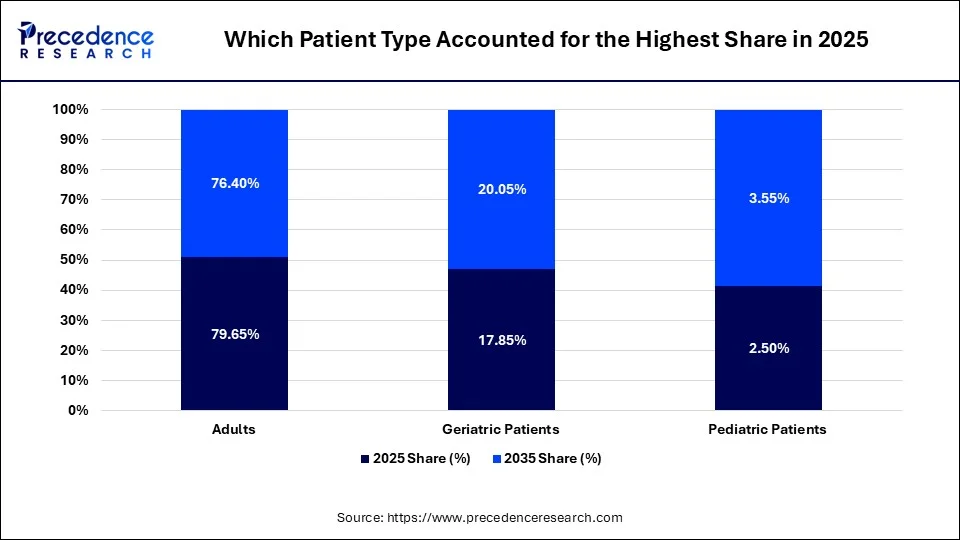
The adults segment held the major revenue share of 79.65% in 2025 and is expected to expand at a CAGR of 5.2% from 2026 to 2035. The pediatric patients segment is expected to grow at the fastest CAGR of 9.35% during the forecast period because of the growing focus on genetic lipid disorders and timely diagnostics. The PCSK9 inhibitor therapy has secured FDA approval in the pediatric patients segment with HeFH and HoFH. Inclisiran received approval in the U.S. in February 2026 for pediatric patients above the age of 12 with HoFH. The geriatric patients segment also held a significant share of 17.85% and is expected to grow at a healthy CAGR of 6.95% from 2026 to 2035. This is due to the fact that total ASCVD exposure increases with age.
Expert Analyst View- Patient Type
Some of the critical factors that pharmaceutical companies need to consider to secure patient adoption are the balance between intensive treatments and polypharmacy, tolerability, and insurance convenience.
Which End User Dominated the Market in 2025?
Source: Precedence Research Database
The hospitals segment led the market with a 32.45% share in 2025 and is expected to expand at a CAGR of 5.15% from 2026 to 2035. This segment benefits from consistent demand from high-risk cardiovascular patients. The specialty clinics segment is expected to grow at the highest CAGR of 6.25% during the forecast period, and the cardiology centers segment is expected to expand at a CAGR of 6.15% during the same period.
Expert Analyst View- End User
The growth of the specialty clinics segment is because of the growing importance of risk management, integrated treatments, familial hypercholesterolemia treatment, PCSK9 adoption, and sophisticated secondary prevention. Foundational care is still important, as large-scale lipid screening and primary statin treatment happen mostly in specialist environments.
Regional Analysis
Which Region Held the Highest Share in 2025?
Source: Precedence Research Database
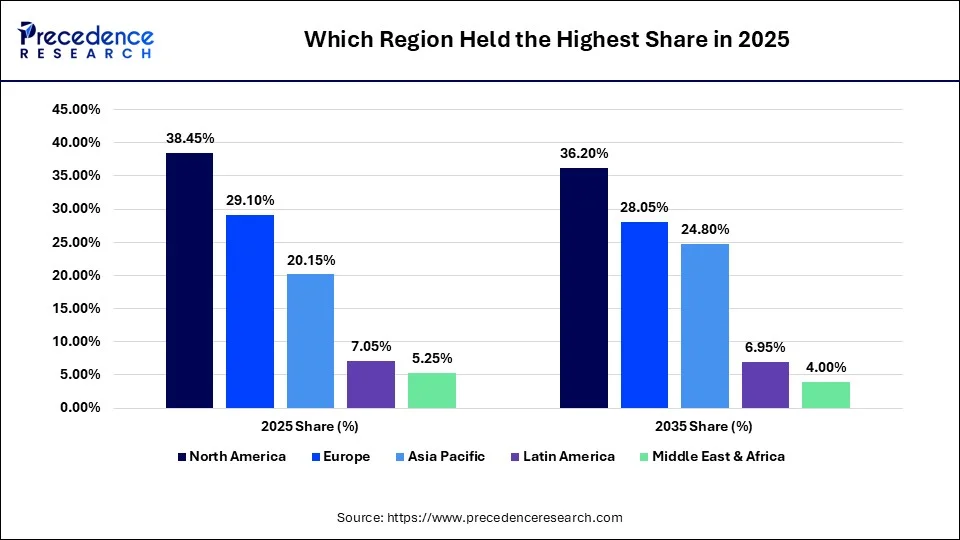
North America dominated the market with a 38.45% share in 2025, and is expected to grow at a CAGR of 4.95% during the forecast period. This is because of a robust diagnosis ecosystem, cardiovascular treatment infrastructure, reimbursement structure, and the incorporation of advanced therapies. U.S. has approximately 86 million adults with cholesterol levels above 200 mg/dL, and only 54.5% of people who need medications were actually taking them. Asia Pacific is expected to expand at the highest CAGR of 7.85% from 2026 to 2035. This region has a massive population base and a significant prevalence of cardiometabolic diseases.
A meta analysis which involved the participation of 1.31 million Chinese citizens noted that around 42.1% suffer from dyslipidemia, and the treatment and control rates were just 11.6% and 5.4%, respectively. India also has a significant underserved population, as a study by ICMR-INDIAB, which involved 16,607 participants, concluded that 79% had at least one lipid anomaly.
It found hypercholesterolemia in 13.9% of cases, 29.5% with hypertriglyceridemia, and 11.8% with above-normal levels of LDL-C. In 2024, around 589 million adults suffered from diabetes across the globe, which presents a significant cardiometabolic risk. Approximately 890 million adults were found to be obese in 2022, increasing the threat of dyslipidemia. In 2025, in the U.S., around 25 million adults have cholesterol levels above 240 mg/dL, which falls in the high-risk category. Approximately 18.3 million adults have ASCVD, which drives the potential for secondary treatments. PCSK9 therapies are being widely used in the country.
Expert Analyst View- Regional Analysis
Affordable statins and ezetimibe have significant potential in India because of the high prevalence of lipid anomalies. Expensive treatments will see the most adoption among high-risk and specialist treatments in the country.
Regional Demand Indicators
| Country/Market | Indicator | Value | Commercial Relevance |
| United States | Adults with cholesterol >200 mg/dL | ~86 million | Large treatment base |
| United States | Adults with cholesterol ≥240 mg/dL | ~25 million | Higher-risk treatment pool |
| United States | Adults potentially benefiting from cholesterol medicine taking it | 54.5% | Large treatment gap |
| United States | Clinical ASCVD adults | ~18.3 million | Secondary-prevention opportunity |
| China | Adult dyslipidemia prevalence | 42.1% | Large undertreated population |
| China | Dyslipidemia treatment rate | 11.6% | Significant treatment gap |
| China | Dyslipidemia control rate | 5.4% | Intensification opportunity |
| India | Participants with any lipid abnormality | 79.0% | Broad disease burden |
| India | Hypertriglyceridemia | 29.5% | TG-lowering opportunity |
| India | Hypercholesterolemia | 13.9% | LDL-lowering opportunity |
| India | High LDL-C | 11.8% | Direct LDL-treatment opportunity |
| Global | Adults with diabetes, 2024 | 589 million | Cardiometabolic risk |
| Global | Adults with obesity, 2022 | 890 million | Dyslipidemia risk |
The U.S. has around 86 million adults who have cholesterol levels above 200 mg/dL and approximately 25 million adults with levels above 240 mg/dL. China is significantly underserved in terms of dyslipidemia treatment and control and India has a high prevalence of lipid anomalies. Hypertriglyceridemia, Hypercholesterolemia, and high levels of LDL-C also finds significant prevalence in the country.
Expert Analyst View- Regional Demand Indicators
The demand for PCSK9 therapies and other advanced treatments is strong in the U.S. due to well-developed infrastructure and overall healthcare ecosystem. Pharmaceutical firms have significant potential to grow in underserved countries such as China and India. Pricing will be an important factor for growth in price-sensitive markets such as India, and affordable treatments will have a higher probability of being widely adopted.
Regulatory and Guideline Scenario
| Guideline Development | Numerical / Operational Detail | Market Impact | |
| LDL-C goal for very-high-risk secondary prevention | <55 mg/dL | Supports treatment intensification | |
| Non-HDL-C goal for very-high-risk secondary prevention | <85 mg/dL | Expands treatment monitoring | |
| Primary prevention therapy | Consider at PREVENT risk 3% to <5%; recommended consideration at 5% to <10% | Earlier treatment | |
| Lp(a) | Measure at least once | More risk identification | |
| ApoB | Particularly useful with TG >200 mg/dL, diabetes or LDL-C <70 mg/dL | Residual-risk identification | |
| High-intensity statins | LDL-C reduction ≥50% | Maintains statin dominance | |
| PCSK9 monoclonal antibodies | LDL-C reduction 45–64% | Supports injectable segment | |
| Inclisiran | LDL-C reduction 48–52% | Supports long-acting injectable segment | |
| Bempedoic acid | LDL-C reduction 21–24% as monotherapy | Supports oral non-statin growth | |
| Ezetimibe | Mean LDL-C reduction ~18% | Combination-treatment opportunity | |
LDL-C levels below 55 mg/dL were recommended under the latest guidelines, which will drive the demand for intensive treatments, and non-HDL-C levels below 85 mg/dL in high-risk cases, which will boost the treatment monitoring ecosystem. There are guidelines for primary prevention therapies and Lp (a) as well to increase awareness among people. Intensive statin therapy, PCSK9 monoclonal antibodies, inclisiran, bempedoic acid, and ezetimibe have also been recommended according to various proportions of reduction required in LDL-C.
Regulatory Analysis: Governments are updating laws to facilitate timely detection and conversion to treatment. This will result in a growth in the patient base, without a significant rise in the prevalence of diseases. Many novel biomarkers are gaining significance beyond conventional LDL-C. Lp (a) and ApoB testing guidelines will offer alternative systems for threat detection and initiation of intensive treatments.
Expert Analyst View- Regulatory and Guideline Scenario
According to our senior researcher Aditi Shivarkar, Guideline incorporation will not automatically result in a rise in the number of prescriptions; it will depend on claims, cost-effectiveness, healthcare professional competence, patient compliance, and healthcare infrastructure capability.
Company Intelligence
Which Company Generated the Highest Sales in 2025?
Source: Precedence Research Database
Amgen - PCSK9 Position
Amgen generated the most revenue of USD 3.01 billion in 2025, which was 36% more than the previous year, driven by Repatha. The company generated revenue of USD 1.66 billion in the U.S. itself. Novartis, Regeneron/Sanofi, and Organon also had significant sales driven by their products Leqvio, Praluent, and Zetia, respectively. Amgen also noted USD 7.27 billion in expenditure in 2025 on research and development activities, which grew from USD 5.96 billion in 2024. The company also invested USD 1 billion to expand its drug substance facility in North Carolina, U.S. They are also planning to invest USD 900 million in Ohio, U.S., and USD 850 million in Puerto Rico. These are company-level investments, not Repatha-specific.
Novartis - Inclisiran
Leqvio achieved USD 1.198 billion in total sales in 2025, which represents 59% growth. The company reported that the sales of Leqvio grew by 57% in fiscal year 2025 at constant currency to around USD 1.2 billion. They also achieved NRDL listing in China by the end of 2025. This will propel growth in Asia Pacific as it brings together a large patient base with biannual maintenance dosing.
Regeneron/Sanofi - Alirocumab
Praluent, developed by Regeneron, achieved USD 856.8 million in revenue in 2025, increasing from USD 765 million in 2024. The company reported USD 262.5 million in sales in the U.S., which highlights the importance of other regions where it made a large chunk of its revenue, which is driven by its mature PCSK9 lineup. Costs and claims ecosystem vary according to the region.
Organon - Ezetimibe
Organon reported that it had secured USD 342 million for Zetia, up from USD 317 million in 2024. Atozet achieved around USD 324 million in 2025 and USD 473 million in 2024. This demonstrates the commercial importance of ezetimibe and shows how particular brands and fixed-dose combination therapies can go through varying regional and lifecycle trajectories.
Esperion - Bempedoic Acid
Esperion reported USD 403.1 million total revenue and USD 159.6 million for bempedoic acid in 2025. Its total revenue is 21% more than the previous year, 38% rise in revenue of bempedoic acid, and retail prescriptions in the U.S. increased by 34%. The company also revealed an agreement regarding the acquisition of Corstasis Therapeutics, which shows its commitment to develop the wider cardiovascular ecosystem, going beyond just bempedoic acid.
Expert Analyst View- Competitive Landscape
According to our senior researcher Aditi Shivarkar, the factors affecting the competition are shifting, including mechanism, dosing frequency, and treatment position, beyond just efficiency of managing LDL-C levels. The market is expected to become more fragmented in terms of costs, buyer accessibility, governance workloads, practical results, and cardiovascular event data. Inclisiran has an advantage because of its long-term acting capability, but NICE has reported uncertainty of results in cardiovascular outcomes and cost-effectiveness in certain demographics.
Product/Technology Comparison
Source: Precedence Research Database
High-intensity statins offer an oral route to achieve over 50 percent reduction in LDL-C and ezetimibe provides around 18 percent decrement standalone and 25% when used alongside statins. PCSK9 mAbs and inclisiran are administered subcutaneously and provide 45 to 64% and 48 to 52% reduction in LDL-C, respectively. Bempedoic acid is taken orally and comes to rescue in case of statin intolerance, offering a 21 to 24% reduction in LDL-C.
Expert Analyst View- Product/Technology Comparison
According to our senior researcher Aman Singh, Customized treatment has become the most important differentiating factor rather than novel statins and therapies. This will help to address certain crucial patient gaps such as:
- insufficient LDL-C decrement;
- very-high ASCVD risk;
- statin intolerance;
- familial hypercholesterolemia;
- adherence issues;
- residual lipid risk.
Buyer Intelligence - Major Buyer Groups
| Buyer Group | Procurement Role | Primary Requirements |
| Hospitals | Institutional medicine procurement | Clinical efficacy, formulary position, safety, price |
| Hospital Pharmacy Committees | Formulary evaluation | Evidence, outcomes, budget impact |
| Retail Pharmacy Chains | Dispensing | Availability, reimbursement, prescription volume |
| Specialty Pharmacies | High-cost/specialty distribution | Cold-chain/logistics, patient support, reimbursement |
| Primary Care Networks | Population lipid management | Accessibility, guidelines, adherence |
| Cardiology Centers | High-risk treatment | LDL-C reduction, outcomes, specialist evidence |
| Specialty Lipid Clinics | FH/complex dyslipidemia | Genetic disease coverage, potency, monitoring |
| Government/National Health Systems | Population procurement | Cost-effectiveness, budget impact, outcomes |
| Private Insurers/Payers | Coverage decisions | Total cost of care, formulary economics |
| Integrated Health Systems | Population-health management | Risk reduction and long-term outcomes |
Source: Precedence Research Database
Hospitals prioritize formulation efficacy and price, whereas reimbursement and prescription volume are vital for retail pharmacies. Accessibility and affordability are important for primary care networks, and specialized equipment and evidence are crucial for specialty clinics. Cardiology centers offer high-risk treatments, and their adoption depends on the capability to achieve LDL-C reduction and a positive outcome track record. Integrated health systems help in large-scale health management, and their effectiveness depends on the ability to reduce risk and achieve long-term results.
Core Buying Criteria
| Buying Criterion | Importance |
| LDL-C lowering efficacy | Very High |
| Cardiovascular outcome evidence | Very High |
| Safety/tolerability | Very High |
| Acquisition cost | Very High |
| Reimbursement/formulary status | Very High |
| Patient adherence | High |
| Dosing frequency | High |
| Administration requirements | High for injectables |
| Evidence in high-risk/FH populations | High |
| Real-world effectiveness | Increasing |
| Patient-support programs | Moderate–High |
| Supply reliability | High |
| Regulatory approvals | Mandatory |
| Combination compatibility | Increasingly important |
Source: Precedence Research Database
The ability to reduce LDL-C levels and tolerance hold very high importance in terms of buyer criteria. Cardiovascular results and the claims ecosystem are also very important, and patient compliance and dosage frequency are ranked as high importance. Practical efficacy and combination therapy compliance are gaining importance. Reliable supply chains hold high importance, and regulatory approval is compulsory for any therapy. The U.K. offers an important example highlighting the importance of procurement and insurance claims in product adoption. NHS England allots funds for inclisiran and has established a selling price of GBP 45 per syringe since April 2025 for primary healthcare buying and a reimbursement level of GBP 60. NICE has also highlighted the steep prices of injectable therapies as compared to oral routes.
Expert Analyst View - Buyer Intelligence
According to our senior researcher Aman Singh, Cost, accessibility, and supply chains are important for procurement in the case of generic oral therapies. Clinical advantages, cardiovascular results, target-patient detection, and budget optimization are important in the case of premium therapies. For the injectable route, the process of buying involves not just the patient, but also cardiologists, pharmacy committees, hospital procurement teams, payers, national health systems, and specialty pharmacies.
Treatment Gap and Commercial Opportunity
| Market Gap | Evidence | Commercial Opportunity |
| U.S. cholesterol-treatment gap | Only 54.5% of potentially eligible adults taking medicine | Patient identification and treatment expansion |
| China treatment gap | Only 11.6% treated among dyslipidemic population in meta-analysis | Large population-scale opportunity |
| China control gap | Only 5.4% controlled | Combination/intensification opportunity |
| India lipid abnormality burden | 79% had ≥1 abnormal lipid parameter in ICMR-INDIAB study | Screening + affordable treatment |
| Non-statin underuse | Identified by 2026 guideline | Education/access/formulary opportunity |
| FH | ~1 in 250 for HeFH | Premium targeted therapies |
| Very-high-risk ASCVD | LDL-C goal <55 mg/dL | Intensive combination therapy |
| Elevated Lp(a) | ≥125 nmol/L recognized as risk-enhancing | Future targeted lipid management |
Sources: U.S. CDC/FDA, Chinese meta-analysis, ICMR-INDIAB, and 2026 dyslipidemia guideline.
Only around 54.5% of people in the U.S. who could benefit from cholesterol treatment are actually availing it, and only 11.6% of patients suffering from dyslipidemia have been treated. India has a high number of people with lipid anomalies, and FH represents an opportunity for growth in the premium targeted therapies segment. Various regions are underserved and present an opportunity in terms of diagnosis and treatment. Very-high-risk ASCVD drives the growth of intensive combination treatments, and high Lp(a) levels need targeted lipid control.
Expert Analyst View - Treatment Gap and Commercial Opportunity
The best opportunity for pharmaceutical firms is their ability to transform a known threat into an appropriate treatment. Some of the areas which would affect future growth include:
- timely lipid screening;
- automated risk detection;
- improved physician compliance with treatment guidelines;
- combination therapy;
- specialty lipid clinics;
- FH screening;
- payer coverage expansion;
- patient compliance programs;
- lower-cost non-statin access.
Strategic Growth Drivers
The timely diagnosis of higher levels of cholesterol helps to prevent chronic exposure to atherogenic lipoproteins. The development of combination therapies, which include statins, PCSK9, and bempedoic acid, helps healthcare professionals deliver integrated treatment for patients with comorbidities. Rising prevalence of obesity and diabetes and a developing ecosystem for FH diagnosis are propelling market growth. Growing adoption of the injectable route and high demand in Asia Pacific are benefiting the market.
Expert Analyst View- Strategic Growth Drivers
Market growth will happen not just from a rise in the prevalence of the disease, but also from the expansion of applications of the drugs and boosting presence in underserved regions. Optimizing manufacturing plants and supply chains will help the players provide affordable and reliable treatments.
Market Restraints and Risks
| Risk | Market Impact |
| Generic statin competition | Limits pricing and revenue growth |
| Generic ezetimibe competition | Compresses oral non-statin pricing |
| High cost of advanced injectables | Limits access in price-sensitive markets |
| Payer restrictions | Can delay PCSK9/inclisiran uptake |
| Treatment adherence | Reduces real-world effectiveness |
| Clinical inertia | Delays escalation to non-statins |
| Limited awareness of FH | Restricts diagnosis |
| Healthcare disparities | Slows emerging-market penetration |
| Injectable administration | Adds logistical requirements |
| Evidence requirements | Premium products need outcome and health-economic support |
| Supply-chain requirements | Specialty products require reliable distribution |
| Regional reimbursement differences | Creates uneven adoption |
There is stiff competition in the generic statin segment, which limits margins and revenue growth. Advanced injectable therapies are expensive, which limits their adoption in price-sensitive markets. Insurance ecosystem variations across regions limit uniformity of adoption, and extensive supply chain needs can limit the pace of delivery and increase final prices.
Expert Analyst View- Market Restraints and Risks
Manufacturers need to optimize their production workflows and supply chains to achieve competitive pricing. The novel therapies environment is still expanding, and currently the prices are high. Players who are able to decrease final prices the most will be able to gain the most market share.
Emerging Opportunities
The areas which hold significant potential for market growth include:
- Non-Statin Combination Therapy - Companies develop combination therapies of statins, ezetimibe, and fibrates to provide synergistic therapeutic effects.
- Familial Hypercholesterolemia - Familial hypercholesterolemia (FH) requires higher treatment intensity and greater use of targeted therapies, creating a specialty market for companies.
- Long-Acting Injectable Therapies - Injectable drugs overcome potential challenges associated with oral drug administration.
- Asia Pacific Growth - Emerging economies are witnessing strong market growth owing to expanding healthcare infrastructure, the rising adoption of advanced technologies, and growing development of novel therapies.
- Pediatric Lipid Control - Earlier identification of inherited disorders can increase lifetime treatment duration and expand demand for pediatric-approved therapies.
- Digital Risk Detection - Digital tools, such as electronic health records, laboratory alerts, and clinical decision-support systems, are increasingly leveraged to provide personalized care.
- Value-Based Cardiovascular Management - Several government and private organizations provide reimbursement policies to help patients reduce cardiovascular events.
Expert Analyst View- Emerging Opportunities
The application expansion from statin monotherapy to integrated therapy will boost the adoption and compliance among patients. FH will boost the specialty care centers segment as it requires intensive treatment and extensive use of targeted treatments. China and India have large underserved populations, and pharmaceutical firms can establish their presence by catering to the regional needs of the patients.
Manufacturing, Supply, and Investment Intelligence
The market is more reliant on dedicated API, biologic production, fill-finish, cold chain, and advanced injectable equipment for novel therapies than bulk manufacturing capability. A prominent producer noted that they had invested USD 1.9 billion in capital projects in 2025, which includes USD 1 billion to expand a drug substance facility in North Carolina and the remaining investment in various other places.
Expert Analyst View- Manufacturing, Supply, and Investment Intelligence
The areas that provide an advantage in manufacturing include high-quality biologics and a reliable supply of specialized drugs, not just tablet production capability. The scale of production and an affordable API supply chain are vital for statins and ezetimibe segments. Specialty production, formulation, sterile fill-finish, and reliable supply hold significant importance for PCSK9 inhibitor therapies and inclisiran.
Key Commercial Intelligence Summary
| Intelligence Area | Key Finding |
| Market size | USD 15.02B in 2025 |
| Forecast CAGR | 5.64%, 2026–2035 |
| Derived 2035 market | ~USD 26.00B |
| Largest drug class | Statins – 48.65% |
| Fastest drug-class growth | Bempedoic Acid & Other Novel Agents – 10.05% CAGR |
| Largest indication | Hypercholesterolemia – 43.75% |
| Fastest supplied indication | Other Dyslipidemias – 8.20% CAGR |
| Largest route | Oral – 86.45% |
| Fastest route | Subcutaneous – 10.95% CAGR |
| Largest distribution channel | Retail Pharmacies – 45.35% |
| Fastest distribution channel | Online Pharmacies – 10.35% CAGR |
| Largest patient group | Adults – 79.65% |
| Fastest patient segment | Pediatric – 9.35% CAGR |
| Largest end user | Hospitals – 32.45% |
| Fastest end-user growth | Specialty Clinics / Other Healthcare Settings – 6.25% |
| Largest region | North America – 38.45% |
| Fastest region | Asia Pacific – 7.85% CAGR |
| Major treatment trend | Statin → combination/non-statin escalation |
| Major technology trend | Injectable and long-acting LDL-lowering therapies |
| Major unmet need | Treatment and control gap |
| Major emerging opportunity | FH, Asia Pacific and non-statin intensification |
Expert Analyst View
Some of the important factors that will drive market growth include the rise in the adoption of the injectable route, market growth in Asia Pacific, development of combination therapies, and increasing prevalence of obesity and diabetes. There are various lucrative investment opportunities that pharmaceutical firms can utilize, such as:
- injectable biologics;
- siRNA manufacturing;
- specialty fill-finish;
- cold-chain distribution;
- high-quality API production;
- combination-dose formulations;
- pediatric formulations;
- digital adherence infrastructure.
Experts Insights
The antihyperlipidemic drugs market is undergoing a rapid transition toward improved cholesterol management and the growing need for cardiovascular disease prevention. Statins continue to serve as the foundation of treatment, while non-statins are expanding treatment options for patients requiring additional LDL-C reduction. Emerging therapies, including inclisiran, are attracting attention because of their less frequent dosing schedules, although cardiovascular outcomes evidence remains under development.
Our Experts
The primary market research process was carried out by Deepa Pandey, Senior Research Associate, who also designed the methodology and did market segmentation, regional trend analysis, combination therapies, competitive analysis, and forecasts, laying the foundation for the analytical part of the report.
Aman, Head of Research, has gathered and checked regulatory policies, company financial information, information on antihyperlipidemic drugs, production information, commodity price information, and various other quantitative information sources, which were obtained independently, thereby increasing the quality of evidence supporting the calculations of the market values.
Aditi, VP Research, has validated and refined the research material, verified facts, corrected inconsistencies, and completed the research document, making it accurate and to the point.
Antihyperlipidemic Market Segments Covered in the Report
By Drug Class
- Statins
- Cholesterol Absorption Inhibitors
- PCSK9 Inhibitors
- Fibrates
- Bile Acid Sequestrants
- Omega-3 Fatty Acids
- Bempedoic Acid & Other Novel Agents
By Indication
- Hypercholesterolemia
- Hypertriglyceridemia
- Mixed Dyslipidemia
- Familial Hypercholesterolemia
- Cardiovascular Risk Reduction
- Other Dyslipidemias
By Route of Administration
- Oral
- Subcutaneous Injection
- Intravenous
By Distribution Channel
- Hospital Pharmacies
- Retail Pharmacies
- Online Pharmacies
- Specialty Pharmacies
- Other Channels
By Patient Type
- Adults
- Geriatric Patients
- Pediatric Patients
By End User
- Hospitals
- Specialty Clinics
- Cardiology Centers
- Primary Care Clinics
- Other Healthcare Settings
By Region
- North America
- U.S.
- Canada
- Europz
- Germany
- UK
- France
- Italy
- Spain
- Rest of Europe
- Asia Pacific
- China
- Japan
- India
- South Korea
- Australia
- Rest of Asia Pacific
- Latin America
- Brazil
- Mexico
- Rest of Latin America
- Middle East & Africa
- GCC Countries
- South Africa
- Rest of Middle East & Africa
For inquiries regarding discounts, bulk purchases, or customization requests, please contact us at sales@precedenceresearch.com
Frequently Asked Questions





Ask For Sample
No cookie-cutter, only authentic analysis – take the 1st step to become a Precedence Research client
 Get a Sample
.webp)



 sales@precedenceresearch.com
 Schedule a Meeting
