



Maternal Mental Health Market Size, Key Companies, Company Market Share, Patient Volume, Treatment Adoption Rates, Pricing Analysis, Regulatory Landscape, Competitive Positioning, and Demand Forecast
Maternal Mental Health Market (By Disease Indication: Postpartum Depression, Dysthymia; By Treatment: Interpersonal Psychotherapy, Antidepressants) - Global Industry Analysis, Size, Trends, Leading Companies, Regional Outlook, and Forecast 2026 to 2035
Source: https://www.precedenceresearch.com/maternal-mental-health-market
 Get a Sample
 Table Of Content


What is the Maternal Mental Health Market Size?
The global maternal mental health market size is accounted at USD 18.10 billion in 2025 and predicted to increase from USD 23.36 billion in 2026 to approximately USD 220.17 billion by 2035, representing a CAGR of 28.38% from 2026 to 2035. The market is driven by the rising awareness and recognition of perinatal mental health disorders, like postpartum depression (PPD), combined with a reduction in social stigma.
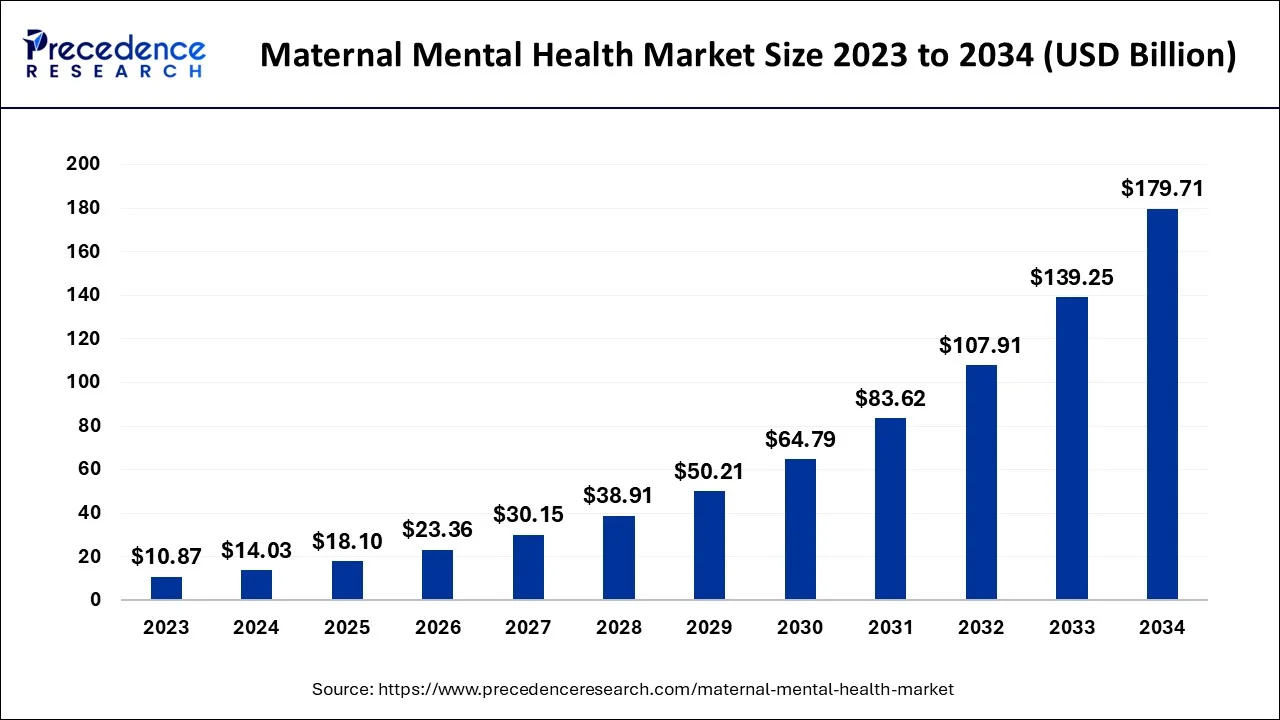
Maternal Mental Health Market Key Takeaways
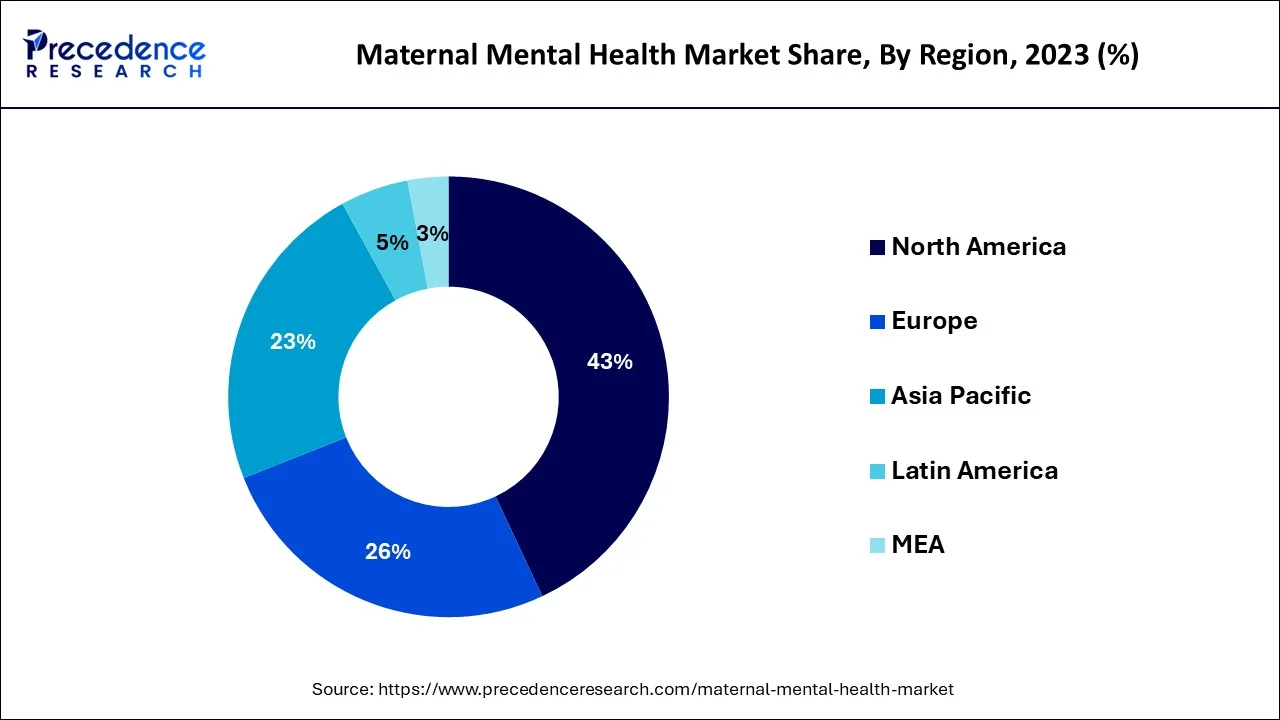
- North America dominated the market with the largest market share of 43% in 2025.
- Asia Pacific expects a significant CAGR during the forecast period.
- By Disease Indication, the postpartum depression segment dominated the market in 2025.
- By Treatment, the interpersonal psychotherapy segment led the market in 2025.
Market Overview
The maternal mental health market refers to the healthcare industry segment that focuses on the prevention, diagnosis, and treatment of mental health disorders experienced by pregnant women and new mothers. These mental health issues can range from perinatal depression and anxiety to postpartum depression and psychosis. There has been a growing understanding of the significance of maternal mental health as medical professionals, decision-makers, and the general public become more aware of the occurrence and implications of mental health disorders during pregnancy and the postpartum period.
Significant market developments have resulted from this rising knowledge, particularly regarding the incorporation of technology in healthcare services. Technology advancements like telehealth, digital health, and mobile applications have completely changed how easily pregnant women and new mothers can get mental health care and support. No matter where they are in the world, women may now more easily obtain aid remotely due to these developments.
The degree of support offered to women during their pregnancies and postpartum journeys has been significantly improved by the integration of mental health services into maternity care facilities, offering all-inclusive and holistic care. Healthcare professionals are increasingly adopting individualized therapy approaches for maternal mental health. Specific mental health issues can be addressed more effectively by therapies that are more specifically adapted to the requirements and circumstances of everyone. NGOs and organizations that advocate for maternal health have been actively raising awareness and providing services to help impacted mothers.
The maternal mental health care industry has been dominated by North America, which includes the United States and Canada. The area has benefited from increasing awareness, easier access to medical treatment, and government programs that place a high priority on maternal mental health. European countries maintain a substantial market share due to their well-established healthcare systems that make mental health therapies more easily accessible to pregnant moms and new mothers. The maternal mental health sector has had a notable increase in the Asia-Pacific area as a result of growing awareness and better healthcare infrastructure in countries like India, China, and Japan. In contrast, expenditures on and understanding of maternal mental health have gradually increased in other countries, such as Latin America, the Middle East, and Africa.
Concerningly, many women worldwide are affected by diseases such as prenatal depression, anxiety, and postpartum depression, which are common maternal mental health disorders. The World Health Organization (WHO) estimates that 10% of pregnant women and 13% of new mothers suffer from a mental condition, most often depression. Risk factors that contribute to the development of these diseases include a history of mental illness, a lack of social support, financial stress, a poor pregnancy or birth experience, and hormonal changes. Untreated maternal mental health problems can have a serious influence on breastfeeding, bonding with the infant, and the general health and development of the child.
How is AI Influencing the Maternal Mental Health Market?
AI is significantly transforming the maternal mental health market by enabling continuous monitoring of patients through mobile health (mHealth) apps and wearable devices. These technologies track physiological and behavioral indicators such as sleep patterns, heart rate, and activity levels, providing healthcare providers with real-time insights into maternal well-being. Additionally, Natural Language Processing (NLP) is used to analyze speech and text for signs of emotional distress during consultations or online interactions, allowing for early detection of mental health issues. By combining real-time monitoring with advanced data analysis, AI enhances personalized care, improves intervention timing, and supports better outcomes for mothers.
Maternal Mental Health Market Growth Factors
One of the key factors contributing to this growth is the increasing awareness of maternal mental health issues. Women are seeking support and assistance as a result of increased awareness of the incidence and effects of mental health issues during pregnancy and the postpartum period. Healthcare providers, policymakers, and the general public are actively recognizing the importance of early detection and intervention, which is positively influencing the market's development. Technological advancements have played a crucial role in revolutionizing access to mental health services for pregnant women and new mothers. Innovations such as telehealth, digital health, and mobile applications have made counselling, resources, and support readily accessible, even in remote or underserved areas.
This enhanced accessibility has contributed significantly to the market's expansion. Healthcare systems are now integrating mental health services into maternity care settings. This comprehensive approach provides holistic support throughout the pregnancy and postpartum journey, making mental health services more available and easily accessible. The focus on personalized treatment approaches tailored to individual needs has also improved the effectiveness of interventions, positively impacting treatment outcomes and stimulating market growth.
The unwavering support from maternal health advocacy groups and nonprofits has been instrumental in raising awareness and reducing the stigma associated with seeking mental health support during pregnancy and the postpartum period. As more women feel empowered to seek help, the demand for maternal mental health services has increased, further boosting the market's growth. Government initiatives and policies in various countries have also played a significant role. Funding for mental health programmes, the integration of mental health services into maternal care, and healthcare professional training have all contributed to the expansion of the maternal mental health market. Ongoing research in the field has led to a better understanding of maternal mental health disorders, their prevalence, risk factors, and effective interventions. The continuous improvement of evidence-based practices and treatment options has instilled confidence in mental health services, encouraging more women to seek help and driving further market growth.
Market Outlook
- Industry Growth Overview: The maternal mental health market is expected to grow at a rapid pace between 2025 and 2034, driven by growing awareness of perinatal mental health issues, increasing prevalence of postpartum depression, and growing access to mental healthcare services.
- Global Expansion: The market is growing worldwide, driven by increasing recognition of maternal mental health as a critical aspect of overall healthcare and supportive government policies promoting maternal wellness. Emerging regions present opportunities through improving healthcare infrastructure, telehealth adoption, and initiatives to provide affordable and accessible mental health services.
- Major Investors: Key investors include pharmaceutical companies, mental health tech firms, and venture capital players such as Johnson & Johnson, Takeda, MindMaze, and Seventure Partners. They support the market by funding research, developing innovative therapies, and expanding digital platforms and clinical care solutions for maternal mental health.
Market Scope
| Report Coverage | Details |
| Market Size in 2025 | USD 18.10 Billion |
| Market Size by 2035 | USD 220.17 Billion |
| Growth Rate from 2026 to 2035 | CAGR of 28.38% |
| Largest Market | North America |
| Base Year | 2025 |
| Forecast Period | 2026 to 2035 |
| Segments Covered | Disease Indication, Treatment, and Region |
| Regions Covered | North America, Europe, Asia-Pacific, Latin America, and the Middle East & Africa |
Market Dynamics
Driver
Technological advancements
The maternal mental health market has completely changed how easily pregnant women and new mothers may obtain and receive mental health care. Mobile applications, telehealth, digital health, and other innovations have made it simple and remote to obtain help, information, and counselling. Women now have access to mental health care even in remote or undeveloped areas as a result of technology improvements. Technology integration has increased the efficacy and efficiency of therapies, improving the overall support for maternal mental health.
Restraint
Socioeconomic factors
The maternal mental health market is significantly constrained by socioeconomic considerations. Financial limitations and economic problems can make it difficult for expectant mothers and new mothers to get mental health care. Women from low socioeconomic status may have trouble purchasing mental health treatments or may not have the resources to get the right care. For vulnerable communities, this difference may result in uneven assistance and exacerbate mental health issues. In order to promote the general wellness of all women throughout the perinatal period and to ensure equal access to services and support for maternal mental health, it is critical to remove these socioeconomic hurdles.
Opportunity
Research and development
Understanding the prevalence, risk factors, and efficient therapies for maternal mental health issues can be improved by investing in R&D. The special mental health requirements of expectant mothers and new mothers can be met with the use of evidence-based practices, personalized treatment approaches, and creative solutions that are made possible by ongoing research. R&D advancements can help reduce stigma and raise awareness while also enhancing the effectiveness and quality of mental health treatments. The market may better address the rising need for comprehensive and successful maternal mental health care by giving research top priority.
Challenge
Workforce shortage
The maternal mental health market has a major difficulty due to a lack of qualified workers. The availability and accessibility of services for expectant mothers and new mothers may be constrained by the dearth of mental health specialists with specialized training and experience in maternal mental health. The need for perinatal mental health treatment is growing, though there may not be enough workers to meet the demand, which might lead to longer wait times and a reduced ability to deliver care quickly. In order to meet the expanding mental health needs of this vulnerable population and maximize the use of available resources, it is necessary to invest in training programs, encourage mental health professionals to focus on maternal mental health and promote collaborative care models.
Disease Indication Insights
In 2023, postpartum depression was noted as having the highest cases in the maternal mental health market. Postpartum depression is a prevalent mental health issue affecting women after childbirth, constituting a substantial segment of the maternal mental health market. Increasing awareness has led to more women seeking support and treatment. Early detection and intervention are prioritised by healthcare providers and advocacy groups. Telehealth and digital health solutions provide vital remote counseling and support. Integrating mental health services into maternity care settings enhances access to specialized care.
According to the maternal mental health market, dysthymia, also known as chronic depressive illness, poses difficulties. It is defined by milder, more persistent depressive symptoms that are sometimes disregarded or blamed on the pressures of parenting. Women might not seek help since it is persistent, which could result in a missed diagnosis and a lack of care. It is crucial for healthcare professionals to exercise caution when providing prenatal and postpartum care. Digital health and telehealth innovations can help with continuing assistance and early detection. To lessen stigma and guarantee proper care for dysthymia during the prenatal period, public awareness efforts and research activities are essential.
Treatment Insights
The most common treatment employed in the maternal mental health market in 2022 was interpersonal psychotherapy. Interpersonal psychotherapy, which focuses on enhancing relationships and resolving factors that contribute to disorders of maternal mental health, is a critical therapeutic strategy in the maternal mental health market. IPT helps expectant mothers and new mothers through the typical tensions, role transitions, and life changes that occur during the perinatal period. It improves coping mechanisms and communication, promoting emotional well-being. IPT, which provides organised and time-limited psychotherapy, is incredibly beneficial for women who are experiencing postpartum depression or anxiety.
Antidepressants are essential for treating moderate-to-severe instances of depression or anxiety both during and after pregnancy. They balance emotions, reduce symptoms, and improve general wellbeing. Considerable thinking is needed in order to weigh possible benefits and risks, particularly with regard to pregnancy and breastfeeding. The use of antidepressants is safe and acceptable when decisions are made in collaboration with healthcare professionals. Antidepressants will remain a key therapeutic in the maternal mental health market as knowledge of maternal mental health increases and psychopharmacology advances.
Regional Insights
U.S. Maternal Mental Health Market Size and Growth 2026 to 2035
The U.S. maternal mental health market size is estimated at USD 5.45 billion in 2025 and is expected to expand around USD 68.31 billion by 2035, growing at a CAGR of 28.77% between 2026 and 2035.
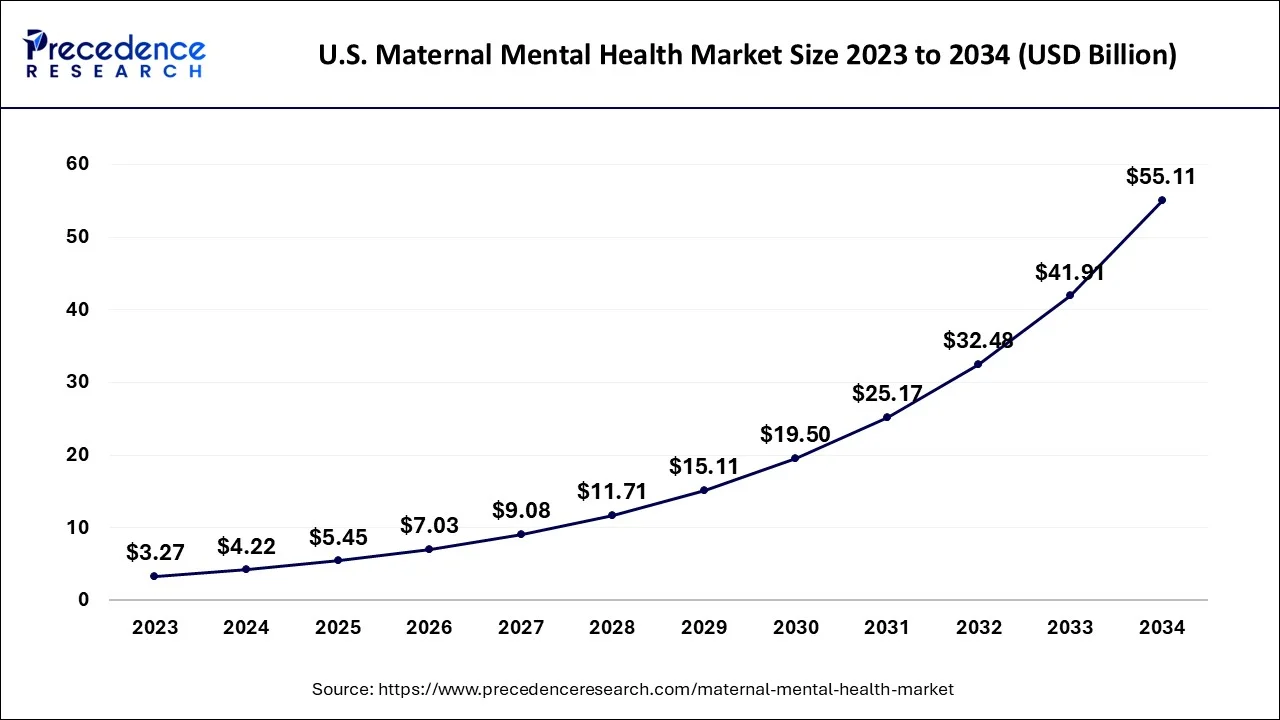
In 2025, North America held a significant share of the maternal mental health market. The region benefits from increasing awareness, well-established healthcare systems, and government initiatives promoting maternal mental health. Access to healthcare services and technological advancements, such as telehealth, further contribute to supporting pregnant women and new mothers in managing their mental health.
U.S. Market Trends
The U.S. is the major contributor to the North American maternal mental health market due to its advanced healthcare infrastructure, high awareness of perinatal mental health issues, and widespread availability of specialized mental health services. Additionally, significant investments from pharmaceutical companies, digital health startups, and government initiatives supporting maternal wellness further drive the adoption of therapies, counseling, and digital solutions across the country.
What Makes Asia Pacific the Fastest-Growing Region in the Market?
Asia Pacific is expected to grow at the fastest CAGR over the forecast period. This is primarily due to increasing awareness of perinatal mental health issues, rising maternal healthcare spending, and expanding access to digital health solutions. Rapid improvements in healthcare infrastructure, supportive government initiatives, and growing adoption of telemedicine and mobile health platforms are further accelerating market growth in the region.
India Market Trends
The maternal mental health market in India is driven by rising awareness of perinatal and postpartum mental health issues, increasing maternal healthcare spending, and expanding access to hospitals, clinics, and digital health platforms. Additionally, growing adoption of telemedicine, mobile health apps, and supportive government initiatives promoting maternal and child health are further fueling market growth.
What Makes Europe a Notably Growing Region in the Market?
Europe is a notably growing region in the maternal mental health market due to increasing awareness of perinatal mental health, robust healthcare infrastructure, and widespread availability of specialized mental health services. Supportive government policies, growing adoption of digital health solutions, and a strong focus on maternal well-being further drive the region's market expansion. The UK is a major contributor to the European market due to its advanced healthcare infrastructure, high awareness of perinatal mental health issues, and well-established maternal support programs.
Top Companies in the Maternal Mental Health Market
- Sage Therapeutics: Develops and commercializes innovative therapies targeting brain health, including treatments aimed at addressing postpartum depression and related maternal mental health conditions.
- Happify Health: Provides a digital mental health platform with evidence-based activities and interventions designed to support emotional well-being, including programs tailored for maternal stress and anxiety.
- SonderMind: Offers personalized, therapist-led mental health care that connects mothers with licensed providers for support with perinatal and postpartum mental health concerns.
- Maven Clinic: Operates a virtual clinic focused on women's and family health, delivering mental health support, counseling, and holistic care services specifically for expectant and new mothers.
Maternal Mental Health Market Companies
- Sage Therapeutics
- Happify Health
- Sonder Mind
- Maven Clinic
- Wildflower Health
- Hims and Hers
- Medela LLC
- Clue
- Happy Mom
- Postpartum Support International
Recent Developments
- The medicine Zurzuvae was approved by the Food and Drug Administration in August 2023 for use in treating people who are suffering from severe depression due to childbirth or pregnancy.
- The Mental Health Parity and Addiction Equity Act of 2008 was passed by the US Congress in July 2023, with the goal of levelling the playing field by banning onerous prior authorization requirements and other management strategies that made it much more challenging to approve and pay for mental health claims.
Segments Covered in the Report
By Disease Indication
- Postpartum Depression
- Dysthymia
By Treatment
- Interpersonal Psychotherapy
- Antidepressants
By Geography
- North America
- Europe
- Asia-Pacific
- Latin America
- Middle East and Africa
For inquiries regarding discounts, bulk purchases, or customization requests, please contact us at sales@precedenceresearch.com
Frequently Asked Questions





Ask For Sample
No cookie-cutter, only authentic analysis – take the 1st step to become a Precedence Research client
 Get a Sample
.webp)



 sales@precedenceresearch.com
 Schedule a Meeting
