



Woman with three Deadly Diseases has Remarkable Recovery after Cell Therapy
Published: 13 May 2026
Author: Rohan Patil



The treatment landscape for systemic inflammatory conditions, including Systemic Inflammatory Response Syndrome (SIRS), is witnessing renewed attention in 2026 as advances in immune-modulating therapies and precision medicine reshape clinical approaches. While direct SIRS-specific announcements remain limited, broader developments in immune system targeting and inflammation control are influencing how the condition is managed in critical care settings.
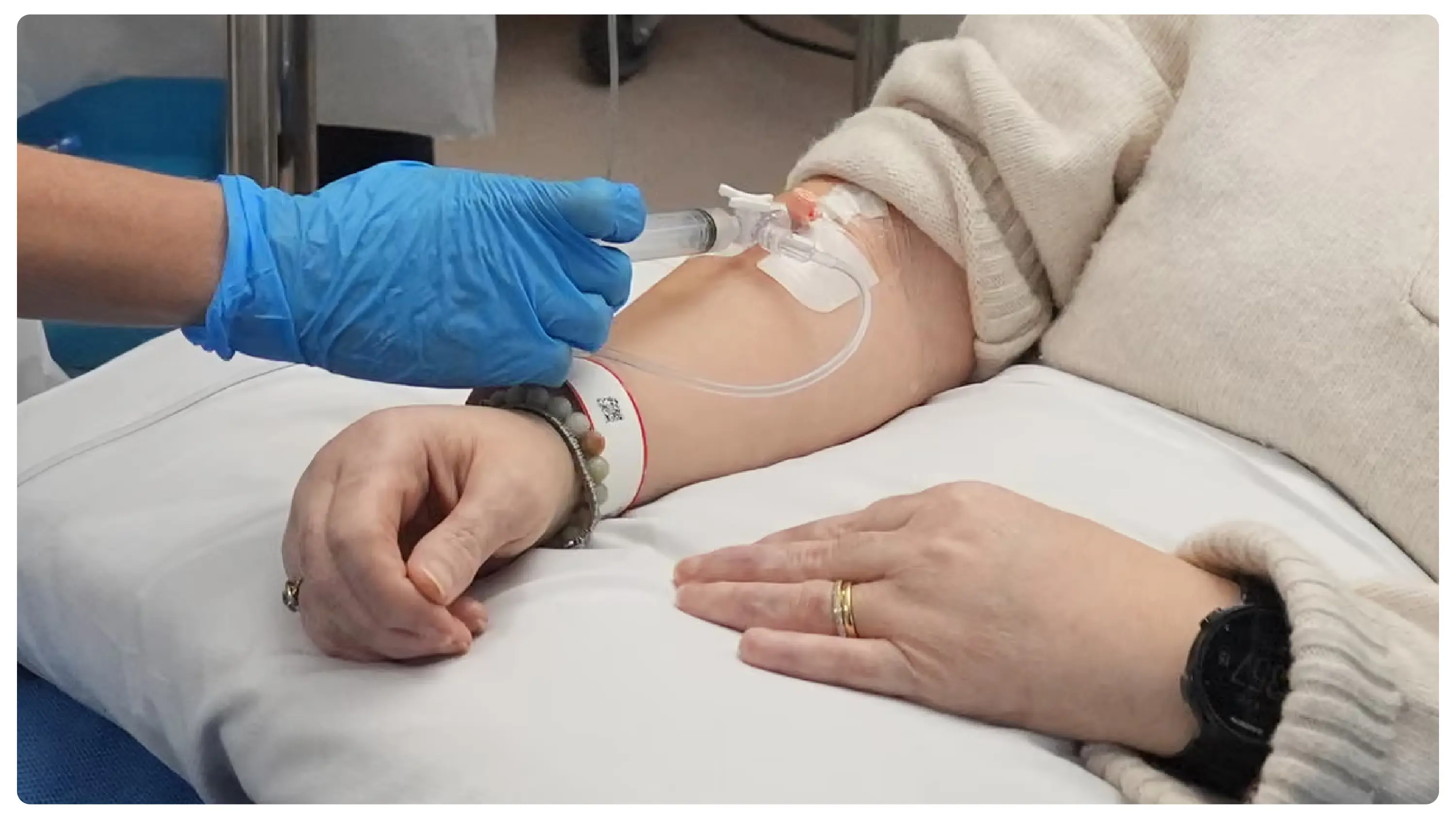
Recent clinical developments in Europe have highlighted the potential of advanced cell-based therapies to reset dysfunctional immune responses, a mechanism highly relevant to SIRS, which is characterized by an exaggerated systemic inflammatory reaction. In one notable case, researchers reported that engineered immune cell therapy successfully restored immune balance in a patient with severe autoimmune conditions, demonstrating rapid recovery and long-term remission. Experts suggest such immune “reset” strategies could have implications for treating severe inflammatory syndromes where conventional therapies often fail. At the same time, healthcare experts indicate that the management of SIRS is increasingly shifting toward early detection and targeted intervention. The condition, often triggered by infections, trauma, or surgery, can rapidly progress to sepsis or multi-organ failure if not treated promptly. Current treatment strategies continue to focus on addressing the underlying cause, alongside supportive care, anti-inflammatory drugs, immunomodulators, and intensive care interventions.
Emerging research trends are also emphasizing biomarker-driven diagnosis and personalized treatment pathways. Clinicians are exploring the use of real-time patient data and molecular profiling to better understand individual inflammatory responses, allowing for more precise therapeutic decisions. This aligns with the broader movement toward precision medicine, where therapies are tailored to patient-specific immune and genetic profiles.
Overall, 2026 developments suggest that while standard care remains foundational, the future of SIRS treatment is moving toward advanced immunotherapies, AI-assisted diagnostics, and personalized intervention models. These innovations are expected to improve patient outcomes, particularly in critical care environments where rapid response is essential.
According to Precedence Research, the global systemic inflammatory response syndrome treatment market size accounted for USD 14.89 billion in 2025 and is predicted to increase from USD 16.02 billion in 2026 to approximately USD 25.84 billion by 2035, expanding at a CAGR of around 5.98% from 2026 to 2035 as rising incidence of sepsis, trauma-related inflammation, and advancements in immunomodulatory therapies drive market growth.
A recent report by Precedence Research highlights that the systemic inflammatory response syndrome treatment market is benefiting from increasing adoption of early diagnostic tools,
growing use of biomarker-based therapies, and advancements in critical care technologies aimed at controlling systemic inflammation and improving survival rates.