



Next-Gen Firefighting: Airbus Introduces Smart Digital Solutions
Published: 09 Apr 2026
Author: Gautam mahajan



Airbus has successfully completed a groundbreaking trial in forest firefighting, marking a first-of-its-kind achievement. The exercise demonstrated the seamless integration of aircraft, helicopters, drones, and ground crews through advanced communication and real-time data processing systems. This connected approach enabled highly precise water and fire-retardant drops while significantly shortening the time between wildfire detection and containment.
Driving Digital Transformation in Firefighting Operations
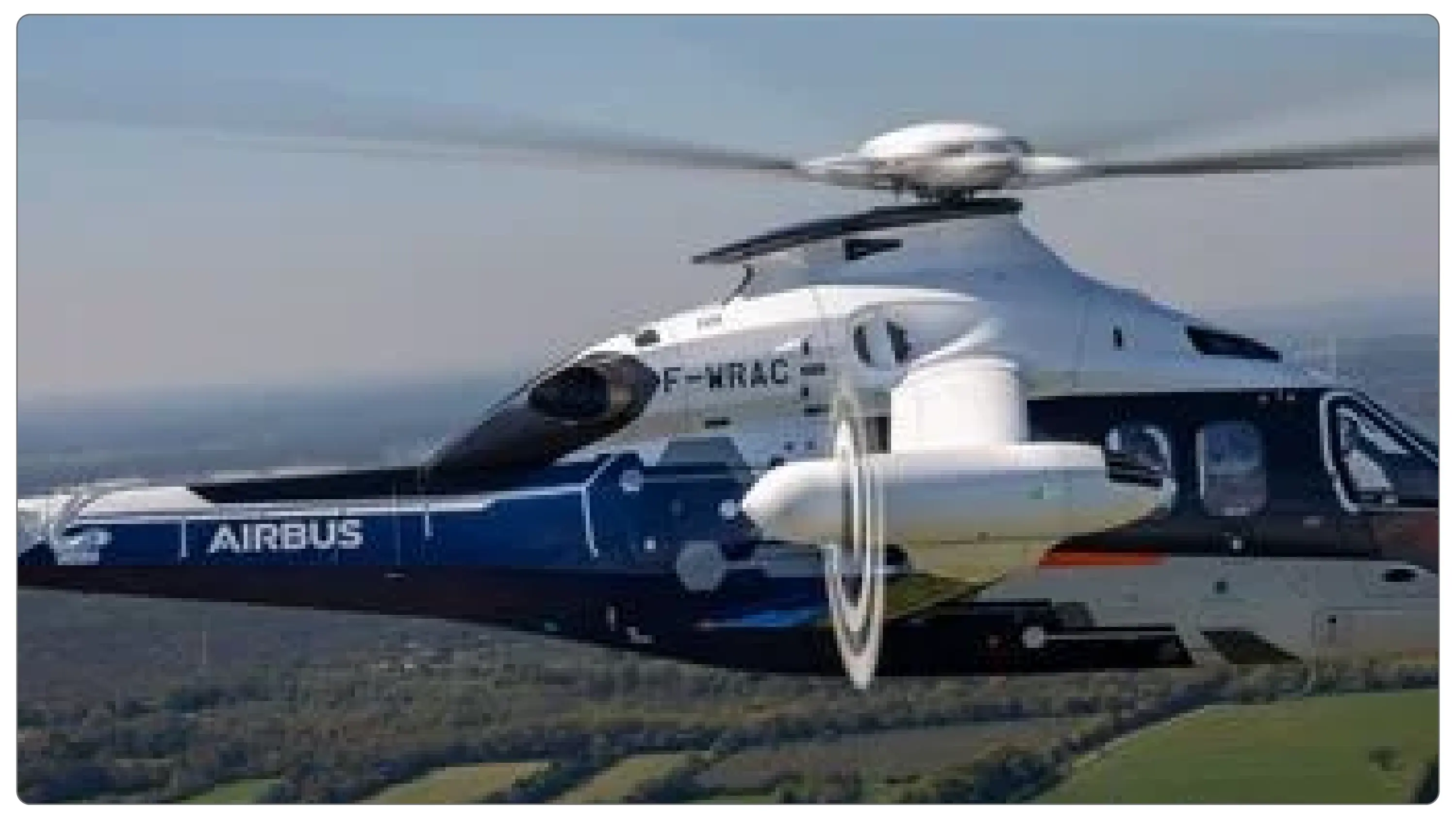
By combining aerial and terrestrial resources in a coordinated digital ecosystem, Airbus showcased a transformative method that could enhance efficiency, safety, and response speed in future wildfire management operations. The trial mobilized a substantial fleet of assets, including the Airbus H130 FlightLab helicopter, two additional aircraft, an ATR 72 test plane, a Cirrus SR20 light aircraft, four drones, including the Airbus Aliaca, and three fire trucks from the Departmental Fire and Rescue Service of Le Gard (SDIS 30) to collect and process critical data.
To seamlessly interconnect this complex system, Airbus deployed a localized private mobile network bubble, linked to Agnet, its mission-critical communication platform designed for security and emergency services. This setup enabled real-time coordination, ensuring precise data exchange and rapid decision-making across all aerial and ground units.
The system supported the seamless way of coordination of the air and ground forces, by deploying a personal mobile network using the communication platform Airbus Agnet. Information collected by drone and aircraft, including infrared shots, was relayed to a mobile command center where AI-driven analytics analyzed the terrain, weather conditions, and fire behavior. This has enabled extremely accurate flight path planning and precision water drop, and has significantly decreased the response time between fire detection and suppression, and has significantly increased the operational safety and operational efficiency.
According to the Precedence Research, the firefighting aircraft market size was calculated at USD 4.80 billion in 2025 and is predicted to increase from USD 5.16 billion in 2026 to approximately USD 9.80 billion by 2035, expanding at a CAGR of 7.40% from 2026 to 2035, driven by the growing need for emergency preparedness, increasing intensity of wildfire, and need to respond fast and more efficiently to firefighting activities.
Industry Impact and Outlook
This is a breakthrough in the market where digital systems and AI are proving to have a role to play in controlling wildfires in the present world. The Airbus project is a sign of a more general industry trend towards supplying multi-platform aerial systems to the market with advanced analytics and communication systems.
Presented at the Aerial Firefighting Conference and Exhibition in Rome, the demonstration highlighted the critical role of innovation centers and collaborative ecosystems in addressing wildfires on a global scale. Airbus is actively developing a scalable model for next-generation aerial firefighting operations, leveraging the combined capabilities of the A400M, drones, and interconnected communication networks to enhance coordination, speed, and precision in fire suppression efforts.