



Angola Introduces USD 311.4 Million Agricultural Drive to Enhance Food Production
Published: 25 Aug 2026
Author: Laxminarayan



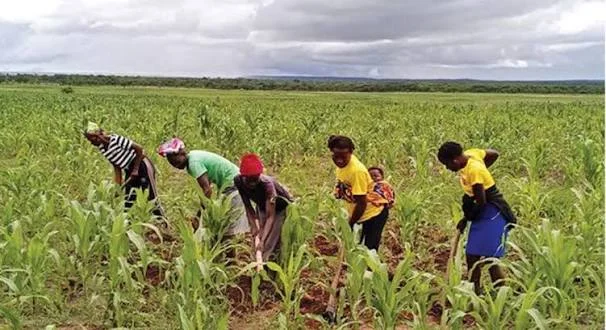
In August 2026, Angola unveiled a USD 311.4 million agricultural development program that will be implemented in 6 provinces in the east. African Development Bank (AfDB) contributed USD 211.4 million, and USD 100 million by the government of Angola. This is a 5-year initiative that is intended to help 240,000 farming families, which would benefit about 1.2 million citizens. Women make up around 55 percent of the direct beneficiaries.
The government intends to enhance food production, strengthen agricultural supply chains, and improve the accessibility to markets to the farmers through the Lobito corridor. This initiative will cover various regions such as Lunda Norte, Lunda Sul, Moxico, Moxico Leste, Cuando and Cubango. It will focus on improving the production of cereals, beans, soybeans, groundnuts, cassava, coffee, cocoa, palm oil, rice, and wheat. The government targets reducing its reliance on imports for rice and wheat by boosting indigenous production.
This agricultural drive will also work on enhancing access to markets for farmers. It will help to create 150,000 hectares of farmland, provide irrigation in 2,500 hectares to make it resilient to climate change, establish 3,000 farmer field schools, and develop 6 agribusiness sites. This drive also targets rehabilitating 400 kilometers of feeder roads to improve connectivity between farmers, markets, and the Lobito corridor.
This is an important initiative as eastern parts of the country have favorable conditions for farming but are still operating significantly below their actual potential. The project documents of AfDB recognize this region for its potential to be a prominent food production hub for the country. The eastern parts have average annual rainfall ranging from 1,200 to 1,800 millimeters and have excellent access to river basins of the Zaire, Zambezi, and Cubango/Okavango.
Impact on the Agriculture Industry
According to Precedence Research, the launch of the Agricultural drive in Angola is expected to positively impact the agriculture industry. This initiative will help to boost food production in the eastern parts of the country. This region has excellent rainfall and access to river basins, but cannot reach its potential due to infrastructure and connectivity issues. AfDB and the government of Angola have both invested in this program to decrease the country’s dependence on food imports.
Impact on the Agriculture and Farm Machinery Market
The global agriculture and farm machinery market size was estimated at USD 210.28 billion in 2025 and is anticipated to reach around USD 344.47 billion by 2035, expanding at a CAGR of 5.06% from 2026 to 2035.
According to Precedence Research, the introduction of the agricultural drive is expected to benefit the agriculture and farm machinery market. This initiative intends to improve agricultural infrastructure in the eastern provinces of Angola and provide farmers with better access to markets. The development of farming infrastructure involves modernizing the agricultural equipment used on farms as well as for transport. These provinces have ample rainfall and access to river basins, resulting in an enormous potential for improvement once the technology segment is optimized.
Impact on the Agriculture Supply Chain Management Market
The global agriculture supply chain management market size is estimated at USD 1.10 billion in 2025 and is anticipated to reach around USD 2.6 billion by 2034, expanding at a CAGR of 10.00% between 2025 and 2035.
According to Precedence Research, the launch of the agricultural drive is expected to positively impact the agriculture supply chain management market. This initiative is expected to significantly increase food production in eastern regions of Angola. The country does not have robust connectivity to facilitate efficient distribution of farm produce across the country. This can result in abundance in one region and scarcity in the other. This affects the country in 2 ways:
The farmers do not get access to ample markets and thus have to sell their entire produce in the regional market for a very low price.
The people living in regions that are not so favorable for farming cannot benefit from the abundant produce in the other regions.
There will be a need to improve national agriculture supply chains to ensure that the entire country can benefit from the abundant agricultural produce in the eastern provinces. Angola is a tropical country where germs and pests thrive. The farmers would need well-planned logistics to prevent spoilage.
About the African Development Bank Group
The African Development Bank Group consists of 3 different legal organizations, namely:
- the African Development Bank
- the African Development Fund
- the Nigeria Trust Fund
This group aims to drive consistent economic and social growth in Africa. It is headquartered in Abidjan, Côte d'Ivoire. It strives for the development of various sectors of Africa such as energy, agriculture, transport, water, healthcare, finance, and trade.