



Wison Engineering and Axens Signed MoU to Explore Partnership on e-SAF Project Expansion
Published: 18 Sep 2026
Author: Gautam Mahajan



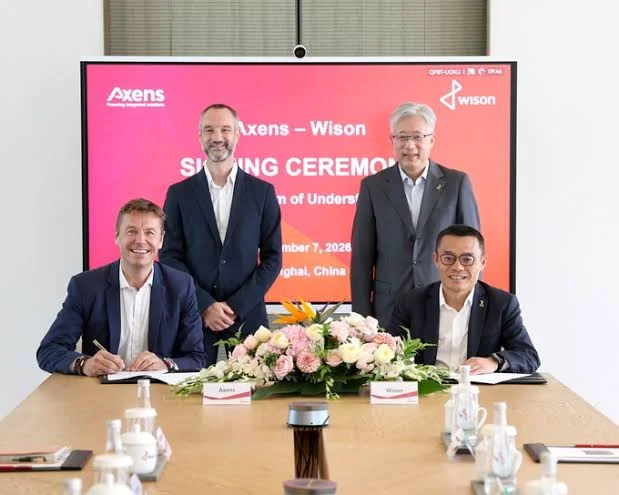
On September 14, 2026, Wison Engineering and Axens are joining forces to advance e-SAF projects by combining their respective technologies and engineering capabilities. Axens has knowledge of sustainable fuel technologies, and Wison Engineering provides experience in engineering, procurement, and the execution of modular projects. This strategy is focused on assisting in the development of facilities for synthetic aviation fuel and to help deal with the problems involved in the design, construction, and deployment of such projects.
This collaboration enables us to explore opportunities and make the development process easier. The success of these initiatives will depend on diversified factors such as the technologies selected, access to renewable energy, infrastructure, project costs, and regulations. Additionally, this partnership is taking place at a time when the aviation industry is seeking new methods for manufacturing lower-carbon fuels.
Impact on the Aviation Industry
The global sustainable aviation fuel market size is calculated at USD 2.25 billion in 2025 and is predicted to increase from USD 3.55 billion in 2026 to approximately USD 171.75 billion by 2035, expanding at a CAGR of 54.27% from 2026 to 2035.
According to Precedence Research, airlines and fuel suppliers are looking for ways to lower aviation’s carbon footprint, which has increased interest in synthetic fuel technologies. This alliance could help the aviation sector by supporting the growth of sustainable fuel production. Improved project coordination support to solve some technical and engineering challenges with e-SAF facilities.
This partnership is a momentous step in development, but it will not lead to an immediate increase in aviation fuel supply. Additionally, commercial availability will depend on project financing, access to renewable electricity and hydrogen, carbon feedstock, certification, and production costs.
Impact on the Power EPC Industry
The global power EPC market size was calculated at USD 732.50 billion in 2025 and is predicted to increase from USD 780.19 billion in 2026 to approximately USD 1,376.29 billion by 2035, expanding at a CAGR of 6.51% from 2026 to 2035.
According to Precedence Research, the power EPC sector may find new opportunities as e-SAF projects move from planning to construction. Wison Engineering’s experience in engineering, procurement, modularization, and project execution can complement Axens’ process technology services. It could lead to closer teamwork between technology licensors and power firms.
Using more standardized engineering methods may help developers handle complex projects with many technologies and suppliers. The final impact will depend on how each project is designed and financed because regulations, equipment, construction conditions, and supply chains can differ broadly by location.
Impact on the Hydrogen Industry
The global hydrogen market size is estimated at USD 282.63 billion in 2025 and is projected to reach around USD 594.97 billion by 2035, growing at a CAGR of 7.73% from 2026 to 2035.
According to Precedence Research, development of e-SAF projects could generate additional demand for renewable electricity and low-carbon hydrogen. This could create opportunities for companies involved in renewable energy, hydrogen production, and related equipment. If projects move forward, developers may require substantial renewable power generation, electrolyzer capacity, and hydrogen infrastructure.
The project economics will remain closely linked to electricity prices, hydrogen costs, carbon feedstock availability, and infrastructure access, all of which are important inputs for power-to-liquid fuel production. Additionally, the collaboration could therefore contribute to closer integration between sustainable aviation fuel production and the wider renewable energy and hydrogen value chain.
Expert Opinion
According to expert opinion, the partnership between Wison Engineering and Axens shows the push to turn e-SAF ideas into real projects that could reach commercial scale. Regulatory approval, fuel certification, and customer demand will affect how quickly e-SAF projects move toward substantial investment and construction. Experts observed that renewable electricity, hydrogen, and the right carbon sources will be crucial for sustainability.
By joining technology and engineering know-how, they may help developers solve practical problems with design, procurement, construction, and project integration. The success of this partnership will depend on whether these skills can lead to projects that make economic sense and have steady access to eco-friendly resources.