



Data Protection to Strengthen Domestic Agrochemicals and Exports
Published: 21 Aug 2026
Author: Vidyesh Swar



In August 2026, Crystal Crop Protection, Rallis India, Dhanuka Agritech, PI Industries and Godrej Agrovet called for a limited, time-bound data protection window for new molecules and new uses. According to the companies, such a framework would help encourage innovators to introduce advanced, lower-dose and safer crop protection products in India. They also said that the proposal would eventually benefit the entire domestic industry, including generic manufacturers and SMEs, once the protection period expires.
The companies believe the biggest beneficiaries of a modern regulatory data protection framework would be Indian farmers. Climate change is increasingly altering pest, weed and disease patterns, while resistance to existing crop protection products continues to create challenges. As a result, farmers increasingly require access to newer chemistry that can provide more targeted and dependable crop protection.
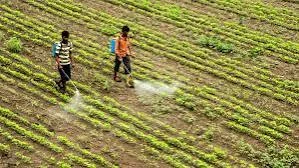
New-generation molecules generally work at lower application rates and offer improved safety profiles. Consequently, they can support safer handling, lower residues in agricultural produce and more effective crop protection. India reportedly loses an estimated 10% to 35% of agricultural output annually due to pests, weeds and diseases, representing losses of around ₹2 lakh crore. The companies also highlighted concerns that rising temperatures and changing climatic conditions could further intensify these crop losses.
According to the companies, introducing a new crop protection molecule in India requires substantial investment and time. They estimate that bringing a new molecule to the Indian market can cost around ₹40-50 crore and require six to eight years of local safety, efficacy and residue studies. Once the protection period ends, the molecule would become available to the wider domestic industry. The companies have already proposed a five-year PRD period from the first registration of new molecules and new uses.
Impact on the Chemical Market
Beyond farm productivity, the companies also said that the PRD could strengthen India’s agrochemical manufacturing sector and further export competitiveness. India currently has approximately 380 registered molecules, compared with around 1,200 molecules used globally. Expanding the availability of modern crop protection products could help to provide Indian manufacturers with a broader portfolio of products to manufacture and commercialize. Furthermore, access to newer chemistry could help agricultural exporters meet increasingly stringent international residue requirements.
The companies also stated that Indian agrochemical exporters compete with countries that already provide regulatory data protection. Therefore, they believe a stronger and more modern product portfolio could improve India’s manufacturing competitiveness and export resilience.
Impact on the Agrochemicals Market
The global agrochemicals market size is calculated at USD 242.49 billion in 2025 and is predicted to reach around USD 322.18 billion by 2035, expanding at a CAGR of 2.90% from 2026 to 2035.
According to Precedence Research, Agrochemicals are highly used in agricultural activities as they help to enhance the productivity of agricultural businesses; hence, agrochemicals have become one of the key components in agriculture. Constant research and development activities are being carried out for producing high quality of agrochemicals in the market. The expanding global population, combined with rising propensity, is causing a shift in purchasing habits. Constant research and development activities are being carried out for producing high-quality agrochemicals in the market. The consumption of food is highly dependent on agriculture. As a result, government agencies pay more attention to the agriculture business. Thus, all these above-mentioned factors are driving the growth of the global agrochemicals market during the forecast period.
The major agrochemicals market players also seem to be conducting substantial research and development in order to develop agrochemicals with greater requirements. These compounds are subjected to a lot of restrictions, including chemical registration, codes of practice, product laboratory evaluations, environmental health impact assessments, and limitations on storage, use, and transportation.
Impact on the Biodegradable Agrochemicals Market
The global biodegradable agrochemicals market is estimated at USD 9.59 billion, growing from 2025 value of USD 9 billion, with 2035 projections showing USD 13.25 billion, growing at 6.66% CAGR over 2026-2035.
According to Precedence Research, leading agrochemical players are expanding into emerging markets, such as Southeast Asia, Eastern Europe, and Latin America, to be closer to customers and leverage favorable regulatory environments. The market is witnessing substantial growth due to increasing environmental concerns over traditional synthetic pesticides. Demand for organic food and sustainable agricultural practices is pushing consumers and regulators toward safer crop protection alternatives. Government initiatives and incentives that promote the use of biopesticides and organic farming further contribute to market growth.
A key future opportunity in the biodegradable agrochemicals market lies in developing and adopting bio-based solutions, such as biopesticides and biofertilizers, driven by the increasing demand for organic farming and sustainable practices. Advanced technologies such as GPS, sensors, and AI, combined with biodegradable agrochemicals designed for more precise and targeted application, can reduce overall environmental impact and enhance efficiency. Additionally, consumers and regulatory agencies are advocating for more environmentally friendly agricultural practices, encouraging broader adoption of sustainable, biodegradable agrochemicals.
Expert Opinion
Dr. Gyanendra Shukla, Vice Chairman of CropLife India and Managing Director and CEO of Rallis India, said India needs a modern crop protection portfolio to protect farmers and maintain export competitiveness. Rahul Dhanuka, Managing Director of Dhanuka Agritech, said time-bound data protection could accelerate farmers’ access to newer, safer and lower-dose crop protection solutions.