



HolmesAI Launches AI-Powered Wearable Platform to Bring Real-Time Cardiac Risk Prediction into the Home
Published: 11 Feb 2026
Author: Precedence Research



A digital health innovator based in South Korea, HolmesAI, has presented a new generation of artificial intelligence driven wearable platform to reshape the method of cardiac risk monitoring beyond the clinical setting. The recent system presented is a combination of continuous electrocardiogram (ECG) monitoring of wearable devices with modern machine learning algorithms to identify abnormalities in heart rhythm and predict the possibility of short-term cardiac arrest in real-time. Making advanced cardiac analytics at the hospitals available in real-life contexts, HolmesAI is placing itself at the center of the fast-growing remote cardiovascular care market.
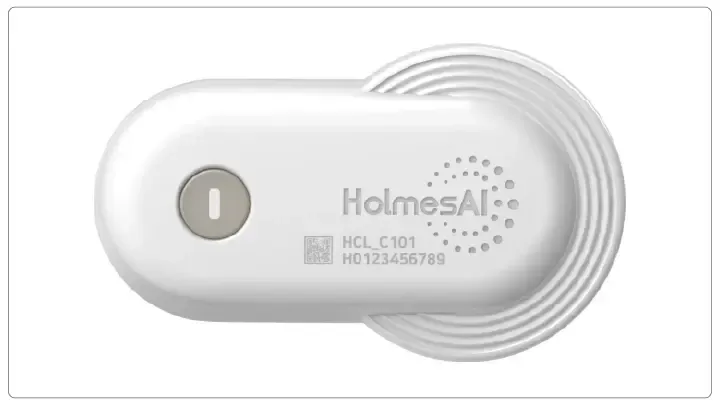
The platform links with consumer-grade wearables, such as smartwatches with ECG functionality, and implements AI models conditioned to detect patterns linked with over 20 different types of cardiac arrhythmias. The system seeks to identify the slightest alterations in rhythm that may otherwise go undiagnosed. Even during regular medical visits, through continuous signal processing and data interpretation. HolmesAI helps cut preventable heart emergencies and enhance better outcomes by allowing detection and intervention at earlier stages.
The introduction of the product is consistent with the general healthcare trends in the world, focusing on preventive care and constant remote monitoring. The use of wearable ECG technologies has been on the increase in recent years as one of the effective methods of arrhythmia detection. The research has proven that the wearable device-based continuous monitoring of patients could be more effective than the clinical setting-based, traditional, intermittent screening. The system of HolmesAI has the same basis and adds new layers of sophisticated analytics and risk prediction to the already existing hardware ecosystems.
The architecture of the platform is designed to relate to telemedicine services and electronic health record systems so that a clinician can review flagged events and risk assessment remotely. This interoperability is hoped to enable coordinated care pathways, with the abnormal outcomes being able to prompt follow-up diagnostics or medication changes immediately. Moreover, the company states that its AI models are also constantly enhancing via iterative learning, which increases the predictive accuracy as more anonymized information is learned over the duration. This type of scalability is essential because digital health ecosystems are growing larger in the context of multiple populations and regulatory settings.