



Solar Meets Silicon: ISA Launches AI-Powered Renewable Revolution
Published: 20 Mar 2026
Author: Precedence Research



The International Solar Alliance (ISA) launched a global AI-for-Energy initiative at the India AI Impact Summit in New Delhi, with the goal of speeding up the use of clean energy in over 120 member countries.
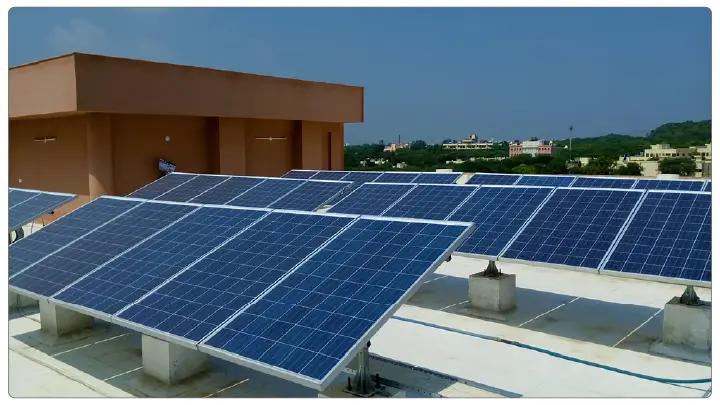
ISA Unveils Global AI-for-Energy Mission to Power 120+ Nations
This is a coordinated international project focused on integrating Artificial Intelligence (AI) into the clean energy systems of developing and emerging nations. It leverages the India Energy Stack, a digital public infrastructure model, to improve grid modernization and decentralize power systems.
According to Precedence Research, the Applied AI in Energy and Utilities Market size accounted for USD 802.16 million in 2025 and is predicted to increase from USD 969.33 million in 2026 to approximately USD 5,325.60 million by 2035, expanding at a CAGR of 20.84% from 2026 to 2035 as demand grows for the urgent need for grid decarbonization, modernization through smart grids, and enhanced operational efficiency.
The International Solar Alliance (ISA), in partnership with India’s Ministry of Power, the Ministry of Electronics and Information Technology (MeitY), and REC Limited.
AI-Powered Sun: ISA’s Ambitious Plan for Sustainable Energy Future
The aim is to assist member countries in achieving digital leapfrogging, thus addressing issues caused by outdated infrastructure. To transform power grids into smart, bidirectional systems capable of handling large amounts of renewable energy. To ensure equitable and affordable electricity access through data-driven planning and service delivery.
Key Features include
- India Energy Stack: Utilizing India’s interoperable digital platform (similar to UPI for payments) as a global model to connect consumers, vendors, and utilities.
- Digital Twin Technology: Providing virtual models of distribution networks (DISCOMs) for real-time simulations, predictive maintenance, and outage management.
- Citizen-Centric Tools: Tools like the One Solar App for clear net-metering and performance tracking of rooftop solar systems.
- Geospatial Mapping (GIS): Using GIS-based tools for asset-level visibility and improved infrastructure planning in rural and urban settings.
- Technical Capacity Building: Focusing on five main priorities: AI for distributed energy, innovation in start-ups, interoperable standards, benefits for citizens, and sustainable financing.
AI is essential for handling the challenges that come with millions of prosumers, helping to maintain grid stability during times of high demand. By lowering technical losses and cutting costs related to digital tools, this effort makes clean energy affordable for low-income countries.
A recent report by Precedence Research highlights that the Applied AI in Energy and Utilities Market is benefiting from enhanced predictive maintenance, AI-powered energy forecasting, and smart grid optimization.