



Medical Art Prosthetics Introduces Flexing Prosthetic Finger That Restores Natural Motion and Confidence
Published: 23 Feb 2026
Author: Precedence Research



Medical Art Prosthetics (MAP) has announced a significant breakthrough in prosthetic technology with the introduction of its innovative flexing prosthetic finger. This solution is designed to replicate both the appearance and natural movement of a human finger. The new prosthetic was officially introduced in October 2025, which is a significant technological step forward from traditional static finger replacements. It presents the user with a more realistic and more functional option. This new design would allow active movement, which is almost identical to the movement of the natural fingers.
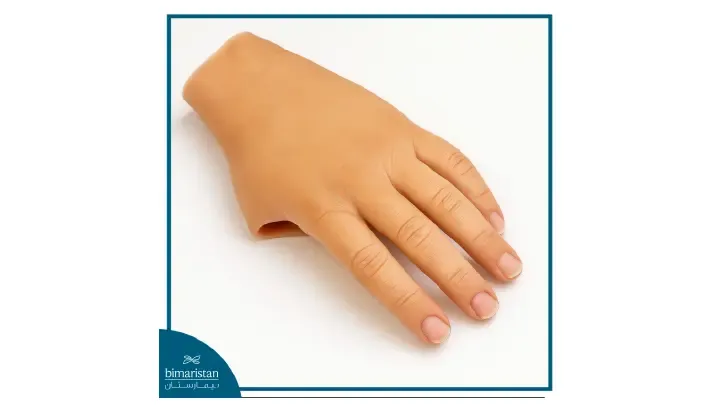
This prosthetic finger is indicative of the increased interest in the prosthetics field and the need to not just restore the physical but also their life quality and social confidence. Medical Art Prosthetics is overcoming the old restrictions experienced by the missing fingers or shortened fingers, with the integration of realistic materials, extreme articulation, and anatomical accuracy. The introduction also reflects on the growing importance of biomechanical engineering and patient-based design in developing prosthetic devices that can be seamlessly incorporated into daily life.
The new prosthetic has a body-driven articulation mechanism that enables the artificial finger to flex and extend in a natural way with the other fingers. This synchronization of action causes the prosthetic to react instinctively when normal hand motions are made, and the effect is much more realistic and useful. The prosthesis is designed using advanced medical-grade silicone and completed with a very elaborate anatomical appearance, which gives the prosthesis an almost similar color, texture, and structure to the natural skin. Furthermore, with the increasing popularity of the need to have prosthetics that are both realistic and functional, technologies such as this flexing finger are sure to have a pivotal role to play in the development of the next generation of rehabilitation technologies.
Executive Statement
Greg Gion, Owner and CEO, Medical Art Prosthetics
When a finger is missing, the gap can feel obvious and uncomfortable, especially in everyday social interactions. Many patients find that static prosthetic fingers do not fully restore their sense of normalcy. With this new body-driven design, the prosthetic moves almost exactly like a natural finger, allowing the hand to appear complete and function together. Our goal is not simply to replace what was lost, but to restore confidence and help patients feel whole again.