



Smith+Nephew Unveils Advanced Rotator Cuff Repair Technology at AAOS 2026
Published: 17 Mar 2026
Author: Precedence Research



Global medical technology company Smith+Nephew unveiled its latest rotator cuff repair technology at the 2026 American Academy of Orthopaedic Surgeons(AAOS) Annual Meeting which took place from March 2nd to 6th in New Orleans. The company emphasized the importance of combining mechanical tendon repair and biological healing support to deliver the best outcomes. This technology helps to minimize the risk of re-tear in patients undergoing rotator cuff tendon repair.
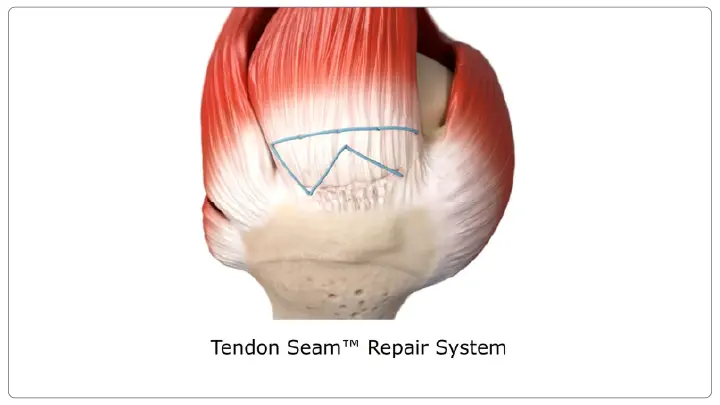
Tendon Seam Repair System Showcases the Company’s Latest Innovation
During the AAOS meeting, Smith+Nephew showcased the Tendon Seam Repair System, which is a biomechanical rotator cuff repair technology that enhances tendon-to-bone fixation strength. The system offers a range of features that allows surgeons to perform consistent rotator cuff repairs. It was showcased as a means to introduce a wider surgeon community to its benefits. This technology has been demonstrated as a means to simplify surgical procedures while enhancing durability, which is a major problem that is often encountered during rotator cuff injuries.
The global rotator cuff injury treatment market size was calculated at USD 1.39 billion in 2025 and is predicted to increase from USD 1.47 billion in 2026 to approximately USD 2.35 billion by 2035, expanding at a CAGR of 5.37% from 2026 to 2035 as the demand grows for effective surgical and non-surgical treatments to treat shoulder injuries in athletes and ageing populations.
Technical Overview and Market Relevance
The Tendon Seam is based on a biomechanical approach for rotator cuff repair that ensures equal tension across the tendon and bone with continuous sutures, patented micro-anchors and multiple fixation points. The instrumentation is precise for accurate suturing, especially for large and retracted tears, and the locking suture system prevents movement during knot tying. The system is modular for various tear types and minimally disruptive with low-profile micro-anchors for optimal load distribution. These technical benefits improve initial repair strength, eliminate stress concentration and facilitate tendon healing by addressing common failure modes of existing repair techniques.
From the market point of view, Tendon Seam gained greater exposure during AAOS 2026 and is highly adoptable for orthopedic surgeons. The technical and procedural benefits of the Tendon Seam provide Smith+Nephew a competitive advantage in the growing market for rotator cuff repair.
A recent report by Precedence Research highlights that the rotator cuff injury treatment market is benefiting from advancements in minimally invasive surgical techniques and non-surgical interventions.