



Emesent Advances Spatial Mapping with All-in-One LiDAR + RTK + 360° Scanner
Published: 30 Apr 2026
Author: Gautam Mahajan



The newly introduced all-in-one GX1 system by Emesent seamlessly integrates SLAM and RTK scanning technologies, achieving global accuracy of 5 to 10 millimeters for topographic surveying and infrastructure construction. By combining LiDAR, RTK, 360-degree cameras, and advanced software into a single platform, it significantly streamlines fieldwork, potentially reducing survey time by up to 95%, transforming what typically takes weeks into just one day.
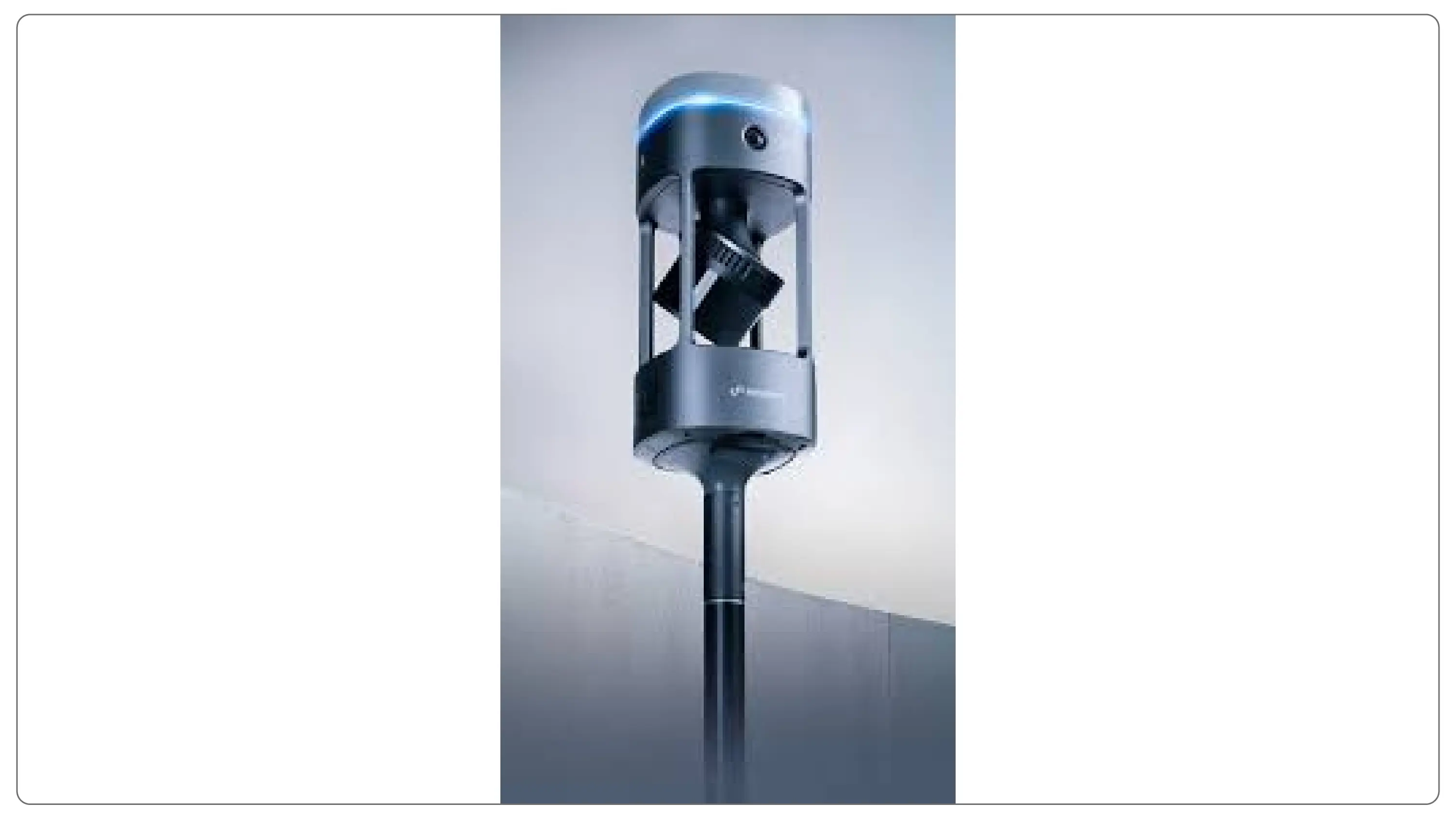
This system leverages proven SLAM technology from challenging environments, effectively addressing the traditional trade-off between mobile scanning speed and survey-grade accuracy. As a result, high-precision and efficient site capture becomes more accessible for a diverse array of surveying applications.
According to Precedence Research, the simultaneous localization and mapping market was valued at USD 3.10 billion in 2025 and is projected to grow from USD 3.97 billion in 2026 to approximately USD 36.60 billion by 2035, expanding at a CAGR of 28.00% from 2026 to 2035, driven by increasing adoption of LiDAR technology across various industries.
Next-Generation Surveying with Emesent’s GX1 and SLAM Innovation
The introduction of the GX1 marks a significant advancement in the surveying industry, effectively addressing the long-standing balance between speed and accuracy. By integrating SLAM technology for everyday surveyors, this system enhances mobile scanning precision and ensures that essential projects remain on schedule. The GX1 is particularly well-suited for topographic and road surveys, as well as for Scan to Building Information Models (BIM) and tracking construction progress. Its user-friendly design allows junior surveyors to master and implement it within days, while still meeting the rigorous demands of experienced professionals.
Emesent's SLAM technology, which powers the Emesent Hovermap product, has been rigorously developed and validated in challenging real-world environments, including locations where GPS signals are unavailable, such as underground areas. This technology provides consistent accuracy both indoors and outdoors, across diverse conditions. The GX1 features four deployment modes: backpack, survey pole, vehicle mount, and supported handheld. Its flexible georeferencing capabilities minimize the need for site revisits by allowing data capture with RTK in the field or using ground control points and checkpoints during post-processing.
A recent report by Precedence Research highlights that the simultaneous localization & mapping market is benefiting from the rising adoption of SLAM in real-time use in GPS, BIM workflow, and other everyday uses.