



Southern Utah Selected by NASA to Establish Statewide Aerospace Workforce Hub
Published: 24 Aug 2026
Author: Laxminarayan



NASA has chosen Southern Utah University to spearhead a new statewide aerospace workforce effort aimed at preparing workers and students for opportunities in the expanding aerospace and space industries. To improve access to technical aerospace professions, the Utah NASA Aerospace Skilled Technical Workforce Hub will link academic institutions labor union and business associates.
The program is a component of NASA larger endeavor to bolster the technical workforce that supports the aerospace and space industries in the United States. To better match education and training with industry demand, the program will bring together high schools, community colleges, universities, workforce organizations, and aerospace firms.
In addition to giving aerospace companies access to a better prepared workforce, the new hub is anticipated to assist students in acquiring industry relevant certifications and practical technical skills. Additionally, the project seeks to increase the accessibility of aerospace job prospects for students who might enter the field through apprenticeships, technical education certifications, or other nontraditional channels. The program might help close skills gaps and promote Utah aerospace ecosystems with ongoing growth by directly connecting education with employers.
Impact on Aerospace and Defence Industry
By bolstering the trained technical workforce required for aircraft manufacturing spacecraft production maintenance testing electronics advanced manufacturing and other specialized activities the program might have a bid impact on the aerospace and defense sector.
Worker having practical experience in fields including machining electronics fabrication inspection robotics maintenance assembly and automated production are needed by aerospace and defense firms. The goal of NASA workforce hub strategy is the improve these technical career pathways and better align training with real world business needs.
A more robust local talent pipeline could facilitate the hiring of skilled experts and manufacturing personnel for defence contractors and aerospace manufacturers. This could asset businesses in boosting production capacity, enhancing operational effectiveness, and meeting the growing demand for defense equipment, aircraft spacecraft, and associated technology.
Adoption of sophisticated manufacturing technology may also be facilitated by the effort. Robotics automation, digital manufacturing, and new materials are becoming increasingly integrated into aerospace production. Employees using these technologies must be knowledgeable about both contemporary digital systems and conventional industrial procedures.
Educational institutions can modify their curricula to meet these evolving needs by process. Training that is more directly related to the tools, procedures, and technical know-how utilized in actual aerospace production settings could be provided to students.
The advantages might go beyond space travel and commercial aviation. To produce and repair airplanes, unmanned systems electronics propulsion systems spacecraft and other mission critical technologies defense corporations also rely on qualified technicians.
Therefore, the resilience of the larger U.S. aerospace and defense industry base may be enhanced by a more robust technical workforce.
Impact on Aerospace Workforce Development Market
Given that government agencies and aerospace corporations are investing more in technical training and talent development, the program may help the market for aerospace workforce development grow. The NASA programs main goal is to link companies with community colleges workforce organizations career and technical education providers and other organizations. Instead of functioning independently of employers, this strategy can help guarantee that training programs are founded on the demands of the industry today.
By offering specialized training that qualifies students for aerospace related jobs without requiring a typical four-year degree, community colleges and technical education programs could play a significant role.
Programs involving internships, apprenticeships, technical certifications and hands-on training could also provide students with practical industry experience before they enter full-time employment. For aerospace companies, this can create a more predictable talent pipeline and potentially reduce recruitment and training challenges.
The initiative may also encourage companies to become more involved in curriculum development by mentoring internships and technical education. This could strengthen long-term relationships between educational institutions and aerospace employers.
This could reduce the gap between classroom education and industrial requirements. Students trained on relevant technologies may require less additional training after joining aerospace companies while manufacturers gain access to workers familiar with modern production environments. A stronger technical workforce could also support aerospace suppliers seeking to expand production or establish new facilities in the region.
Impact on Education and Industry Collaboration
Stronger ties between school and aerospace employers may be one of the initiatives most significant outcomes. The hub can assist in creating routes that connect education with industry recognized skills credentials internships apprenticeships and employment prospects rather than having students complete technical programs without a clear relationship to open positions. Community colleges can offer technical training; high schools can introduce students to aerospace vocations, and industry partners can offer job opportunities and real-world experience.
Students may find it simpler to comprehend the job options in aerospace thanks to this integrated approach which may also assist businesses in finding qualified candidates earlier.
The approach also supports the broader trend toward skills-based hiring in technical industries, where practical capabilities and recognized credentials can be as important as traditional academic qualifications.
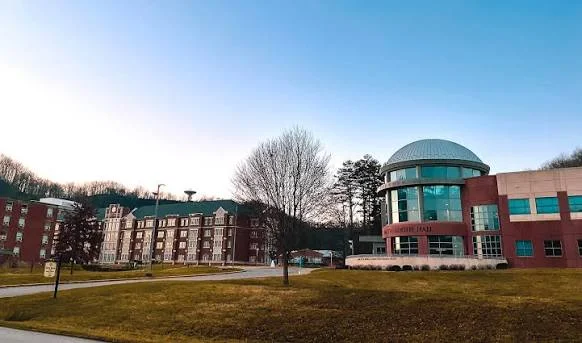
About Southern Utah University
The Utah NASA Aerospace Skilled Technical Workforce Hub which unites education workforce Hub which unites education workforce development and aerospace industry partners throughout the state is being managed by Southern Utah University.
In addition to assisting in the establishment of pathways that prepare students for technical employment in aerospace and associated industries, the university involvement will involve coordinating cooperating with institutions and organizations. The program is a component of NASA larger endeavor to bolster the technical workforce that supports the American aerospace and space industries.
For Utah the program could help develop a stronger pipeline of technically trained workers while increasing collaboration between educational institutions and aerospace employers.
For the wider aerospace and defense sector, the initiative highlights the growing importance of workforce development as a strategic factor in manufacturing capacity technological innovation supply chain resilience and national competitiveness.
As aircraft spacecraft defence systems and manufacturing technologies become increasingly sophisticated, companies will need workers with specialized technical skills. Programs such as NASAs aerospace and defence industry.