



Anti-Obesity Medication Market, Global Market Size, Segmentation, Regional Analysis, Regional Demand Indicators, Clinical and Regulatory Landscape, Company Intelligence, Clinical Evidence
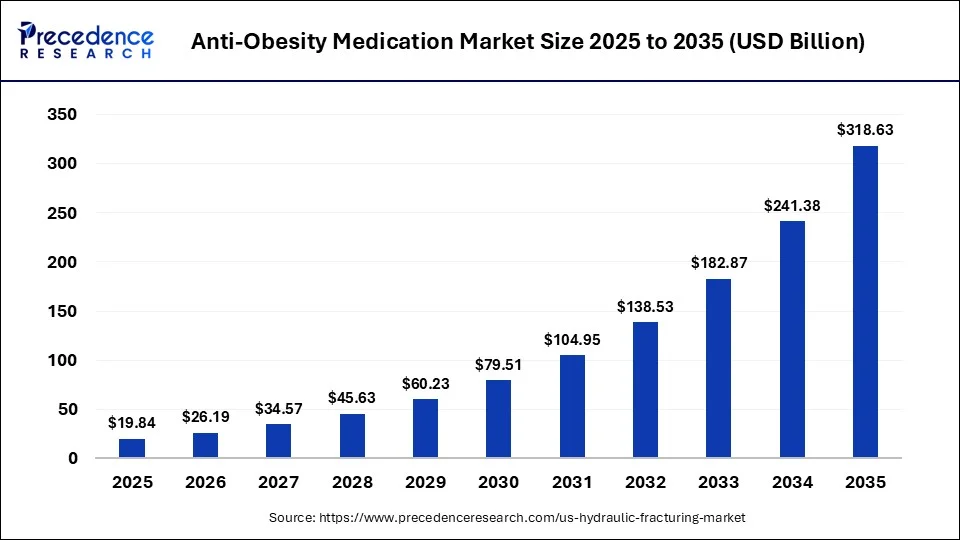
The anti-obesity medication market reached USD 19.84 billion in 2025. The market growth can be attributed to expansion of healthcare infrastructure in highly populated underserved regions, development of advanced combination formulations incorporating multi-incretin activity, and acknowledgment that obesity is a chronic disease by global standards and guidelines. These trends were evaluated by our Senior Research Analyst, Deepa Pandey, to curate this well-researched report. Her analysis benefits pharmaceutical producers, distributors, medical professionals, and stakeholders in performing competitive analysis and taking well-informed decisions.
Source: https://www.precedenceresearch.com/anti-obesity-medication-market
 Get a Sample
 Table Of Content


Anti-Obesity Medication Market Size, Share, Trends and Growth Forecast
The anti-obesity medication market is forecasted to expand from USD 26.19 billion in 2026 to USD 318.63 billion by 2035, growing at a CAGR of 32% from 2026 to 2035. The development and approval of dual GIP/GLP-1 receptor agonists, adoption of novel indications for obesity medications, and innovation in oral and next-generation incretin products are benefiting the market. Deepa Pandey, our Senior Research Analyst, has over 5 years of experience in the healthcare and medicine industry. According to her, the widening range of applications and the recognition of integrated treatments that help in weight reduction alongside addressing other obesity-related conditions are driving the market growth.
Key Takeaways
- By drug class, the GLP-1 receptor agonists segment led the market with a 44.65% share in 2025.
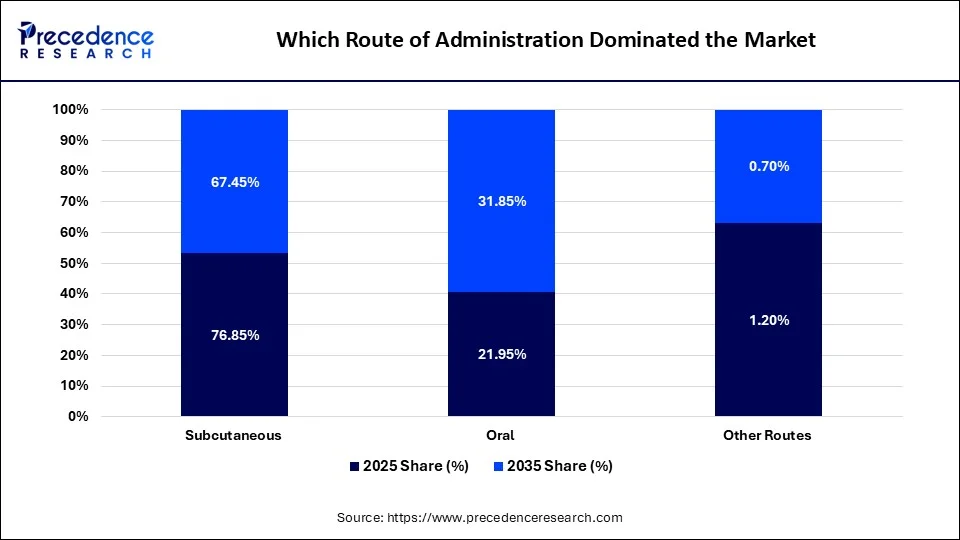
- By route of administration, the subcutaneous segment accounted for the major revenue share of 76.85% in 2025.
- By mechanism of action, the GLP-1 receptor agonism segment dominated the market with a 44.25% share in 2025.
- By end user, the hospitals segment led the market with a 27.45% share in 2025.
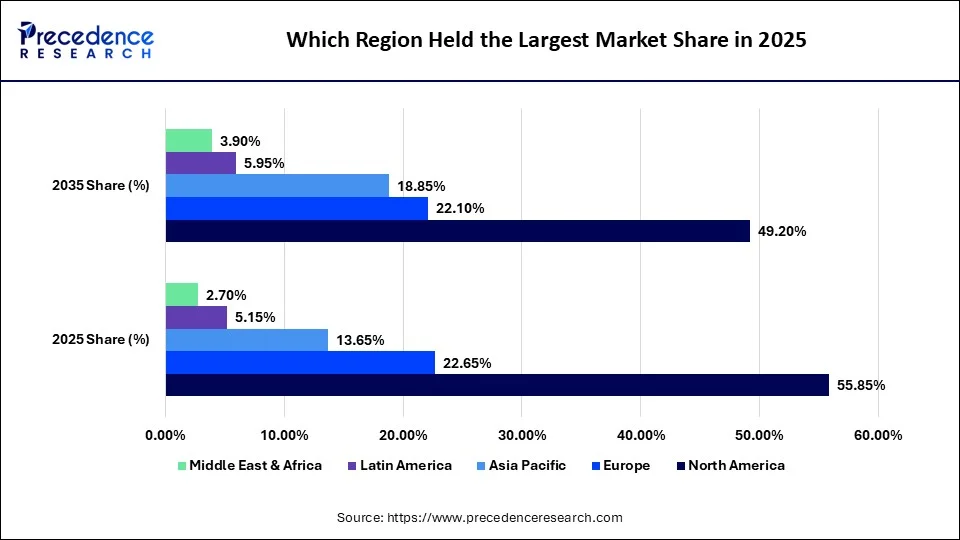
- By region, North America held the largest market share of 55.85% in 2025.
- Novo Nordisk reported obesity management solutions sales of DKK 82.347 billion in 2025, which represents a 26% growth in Danish kroner and 31% at constant exchange rates.
- Eli Lilly reported Zepbound revenue of USD 13.542 billion in 2025, up from USD 4.926 billion in 2024. The company reported 174% growth in Zepbound revenue during the year in the U.S.
- WHO and ADA have provided guidelines that state that obesity is a chronic disease and needs long-term integrated treatment rather than just short-term weight reduction therapies.
- The dual GIP/GLP-1 receptor agonist segment is being rapidly adopted because of its high efficacy and multi-incretin activity, and is expected to overtake the
- GLP-1 receptor agonists segment in terms of market share.
- The approval of advanced oral formulations is expected to expand the patient base as it facilitates home care treatment, which is being increasingly preferred by patients who require long-term treatment.
What was the Size of the Anti-Obesity Medication Market in 2025?
The global anti-obesity medication market accounted for USD 19.84 billion in 2025 and is expected to expand at a CAGR of 32% from 2026 to 2035, reaching approximately USD 318.63 billion by 2035. The market involves prescription pharmacotherapies to enable long-term weight management, alongside GLP-1 receptor agonists, dual GIP/GLP-1 receptor agonists, centrally acting therapies, lipase inhibitors, combination therapies, and treatments for certain inherited obesities. The market is going through significant transformation towards incretin-based medicines, especially semaglutide and tirzepatide.
Oral formulations, advanced incretin combinations, therapies for obesity-related comorbidities, and treatments for genetic obesity are widening the range of products. The population base that can benefit from obesity treatment is significant. According to WHO, approximately 890 million adults were obese in 2022, 390 million children and adolescents between the ages of 5 and 19 were overweight, and over 160 million were obese. The prevalence of obesity among adults more than doubled between 1990 and 2022.
What Will be the Market Size by 2035?
The market is expected to reach USD 318.63 billion by 2035. This represents around a 16-fold increase over a decade. WHO issued its first worldwide guidelines on GLP-1 therapies for obesity in 2025. It recommends GLP-1 therapies conditionally for chronic treatment of obesity in adults as part of integrated care. This guideline especially focuses on liraglutide, semaglutide, and tirzepatide. The 2026 obesity standards by the ADA also position pharmacotherapy as part of extensive obesity management and place a significant emphasis on person-specific selection, taking into consideration efficacy, price, accessibility, tolerability, and personal preferences.
Insights by Expert Analysts
The growth of the market is being propelled by various factors coming together, such as increasing prevalence of obesity, acknowledgement of obesity as a chronic disease, wider clinical use of pharmacotherapy, novel indications for obesity medications, and rapid advancement of oral and next-generation incretin products.
Which Drug Class Dominated the Market in 2025?
Source: Precedence Research Database
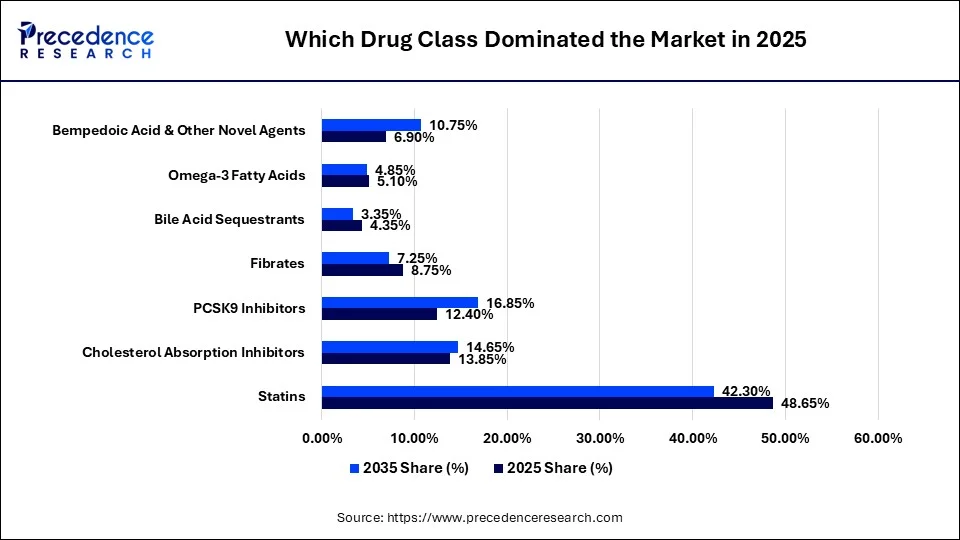
The GLP-1 receptor agonists segment led the market with a 44.65% share in 2025 and is expected to grow at a CAGR of 26.75% during the forecast period. This segment benefits from a mature ecosystem for incretin-based obesity therapies. The dual GIP/GLP-1 receptor agonists segment is expected to expand at a CAGR of 36.55%, increasing its share from 25.85% in 2025 to 35.4% in 2035. It is being rapidly adopted because of its high efficacy and broad range of action. The combination therapies segment is also expected to expand at a significant rate because it allows healthcare professionals to deliver comprehensive treatments.
Drug Class Analysis by Expert Analysts
The standout structural change is the transition from single GLP-1 agonism towards multi-incretin mechanisms. The dual GIP/GLP-1 therapies segment has a higher CAGR than the GLP-1 receptor agonists segment, which is why dual class is expected to overtake traditional GLP-1 therapies by 2035. The other anti-obesity medications segment has an even higher expected CAGR of 42.65%, which shows the potential for a growing contribution of emerging approaches and next-generation therapies. The 2026 standards by the ADA recognize GLP-1 receptor agonists and dual GIP/GLP-1 receptor agonists as vital pharmacologic options, especially in cases where obesity is present alongside type 2 diabetes and other cardiometabolic diseases.
Which Anti-Obesity Drugs Accounted for the Major Revenue Share in 2025?
| Drug | 2025 Share (%) | 2035 Share (%) | CAGR | Growth Factor |
| Semaglutide | 38.85% | 31.25% | 28.95% | Broad obesity and cardiometabolic use |
| Tirzepatide | 25.40% | 34.85% | 37.15% | Dual incretin mechanism and high weight-loss efficacy |
| Liraglutide | 8.65% | 5.25% | 18.75% | Established GLP-1 therapy |
| Orlistat | 7.10% | 4.20% | 17.65% | Long-established oral option |
| Naltrexone-Bupropion | 6.35% | 4.45% | 20.15% | Combination appetite-management approach |
| Phentermine-Based Therapies | 5.45% | 3.80% | 19.10% | Established pharmacological treatment |
| Setmelanotide | 1.85% | 1.55% | 30.65% | Genetic obesity applications |
| Other Drugs | 6.35% | 14.65% | 40.10% | Emerging therapies and new mechanisms |
| Total | 100.00% | 100.00% | — | — |
Source: Precedence Research Database
The semaglutide segment led the market with a 38.85% share in 2025 and is expected to expand at a CAGR of 28.95% from 2026 to 2035. The growth of this segment is driven by its wide applications in obesity and cardiometabolic condition management. The tirzepatide segment is expected to grow at a higher CAGR of 37.15% during the forecast period and overtake semaglutide, increasing its share from 25.40% in 2025 to 34.85% in 2035. The semaglutide segment is expected to lose some share and have a 31.25% share by 2035. Tirzepatide implements a dual incretin mechanism and has high efficacy for weight loss.
Insights by Expert Analysts
The commercial growth of tirzepatide is already visible in various companies' sales reports. Eli Lilly reported that it achieved USD 13.542 billion in revenue from Zepbound in 2025, up from USD 4.926 billion in 2024, which represents around 175% growth. Novo Nordisk reported obesity management solutions sales of DKK 82.347 billion in 2025, which is 26% more in Danish Kroner and 31% at constant exchange rates. The company reported that its obesity care lineup had 3.6 million users in 2025. The product lifecycle of Semaglutide is also expanding. FDA approved Wegovy HD, which is a 7.2 mg dose of semaglutide, in March 2026. This medication is intended for use by adults who need long-term weight management and are obese or overweight, along with some weight-related condition.
Which Route of Administration Dominated the Market in 2025?
Source: Precedence Research Database
The subcutaneous segment led the market with a 76.85% share in 2025 and is expected to grow at a CAGR of 30.55% during the forecast period. The subcutaneous route has been widely adopted for injectable incretin therapies. The oral segment is expected to grow at the highest CAGR of 36.65% from 2026 to 2035, increasing its share from 21.95% in 2025 to 31.85% in 2035. This segment offers convenience to patients and is benefiting from the development of advanced oral formulations.
Route of Administration Insights by Expert Analysts
The subcutaneous route has a mature ecosystem, but the oral route is being rapidly adopted, and this shift could affect patient access and treatment adoption. This is because the oral route eliminates the need for an injection and decreases the intricacies of chronic treatments for some patients. Novo Nordisk disclosed that its Wegovy pill achieved a 16.6% reduction in weight in phase 3 studies and said that it is the first oral GLP-1-based medication to be approved for long-term weight management. The company noted that it has a site for API manufacture in the U.S. in Clayton, North Carolina, and production and packaging operations of tablets in Durham, North Carolina. The high CAGR of the oral segment represents a significant delivery transition in the market.
Which Mechanism of Action was Most Widely Adopted in 2025?
| Mechanism of Action | 2025 Share (%) | 2035 Share (%) | CAGR | Growth Factor |
| GLP-1 Receptor Agonism | 44.25% | 34.20% | 26.70% | Appetite and metabolic effects |
| GIP/GLP-1 Dual Agonism | 25.65% | 35.15% | 36.45% | Multi-incretin activity |
| Lipase Inhibition | 8.20% | 5.05% | 17.75% | Reduced dietary fat absorption |
| Appetite Suppression | 8.35% | 6.10% | 21.15% | Centrally mediated appetite control |
| Norepinephrine/Dopamine Modulation | 6.15% | 4.25% | 19.05% | Combination appetite regulation |
| Melanocortin Pathway Modulation | 2.30% | 1.80% | 27.65% | Genetic obesity treatment |
| Other Mechanisms | 5.10% | 13.45% | 40.55% | Emerging pharmacological pathways |
| Total | 100.00% | 100.00% | — | — |
Source: Precedence Research Database
The GLP-1 receptor agonism segment dominated the market with a 44.25% share in 2025 and is expected to grow at a CAGR of 26.7% during the forecast period. GLP-1 receptors suppress appetite and slow down metabolism, thus facilitating weight management. The share of this segment is expected to decrease to 34.2% by 2035, as the GIP/GLP-1 dual agonism segment is expected to grow at a higher CAGR of 36.45% from 2026 to 2035, propelling its share from 25.65% in 2025 to 35.15% in 2035. This segment is being widely adopted as it incorporates a multi-incretin approach.
Expert Analyst Insights
GLP-1 and GIP/GLP-1 approaches together account for a 69.9% share of the market. The growth of the dual approach class aligns with the rapid adoption of dual GIP/GLP-1 therapies. The 2025 GLP guideline by WHO especially incorporates GLP-1 receptor agonists as well as GLP-1/GIP dual agonists in the obesity management framework. The future competition will shift towards weight reduction capability, durability, cardiometabolic results, dosage frequency, oral delivery, tolerability, production scalability, and cost.
Which Indication Accounted for the Major Revenue Share in 2025?
Source: Precedence Research Database
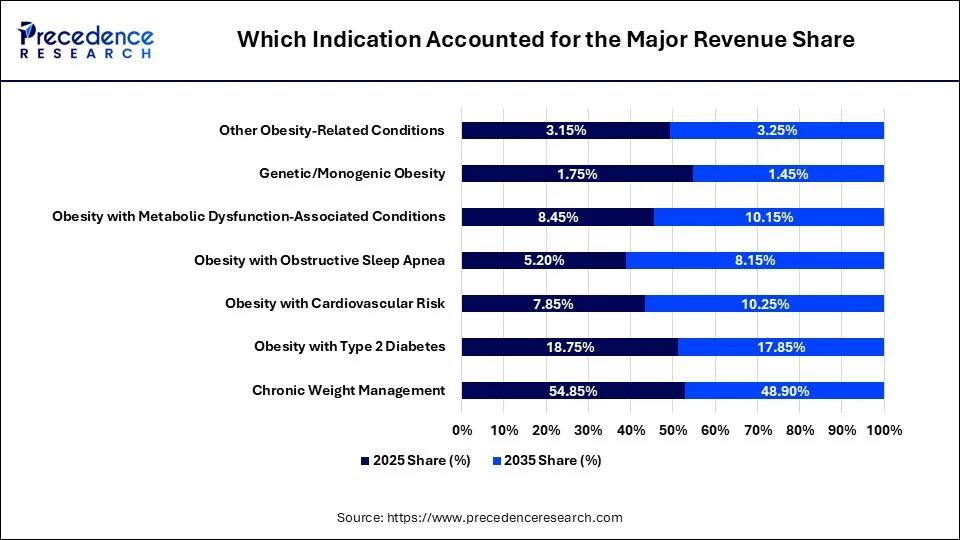
The chronic weight management segment led the market with a 54.85% share in 2025 and is expected to grow at a CAGR of 30.65% from 2026 to 2035. The market share of this segment is expected to decrease to 48.9% by 2035 as combination treatments for patients with obesity, as well as cardiovascular, metabolic, or sleep-related conditions, are being rapidly adopted. The obesity with obstructive sleep apnea segment is expected to expand at the highest CAGR of 39.65% during the forecast period because of increasing treatment applications.
Indication Insights by Expert Analysts
The important applications in the market are expanding from the sole objective of weight loss to the treatment of obesity-related diseases. The growth of the obesity with obstructive sleep apnea segment is driven by a vital regulatory development: The FDA granted approval to Tirzepatide under the Zepbound brand in December 2024 for moderate to severe obstructive sleep apnea in adults who are obese, along with decrement in consumption of calories and increment in physical activity.
Obesity and cardiovascular management combination treatment is another expansion area, as the FDA approved the cardiovascular risk decrement indication for Wegovy in 2024 for adults who have cardiovascular diseases and are also obese or overweight. The 2026 standards of the ADA focus on pharmacology in patients who have ASCVD, HFpEF, MASH, OSA, hypertension, and type 2 diabetes. It shows how the therapeutic potential is shifting towards comorbidity management.
Which Patient Type Dominated the Market in 2025?
| Patient Type | 2025 Share (%) | 2035 Share (%) | CAGR |
| Adults | 91.45% | 87.85% | 31.55% |
| Elderly | 6.20% | 7.85% | 35.10% |
| Adolescents | 2.05% | 3.65% | 41.15% |
| Pediatric Patients | 0.30% | 0.65% | 40.85% |
Source: Precedence Research Database
The adults segment led the market with a 91.45% share in 2025 and is expected to grow at a CAGR of 31.55% during the forecast period. This segment is expected to lose 3.6% share by 2035 as the elderly, adolescent, and pediatric patient segments are expected to grow at higher CAGRs and gain market share. The prevalence of obesity and comorbidity in elderly people and awareness of the treatment of specialized genetic and severe obesity are increasing.
Expert Analyst Insights
The adults segment still holds a dominant share, but the growth is faster among younger population groups. The FDA approved liraglutide for long-term weight management in obese adolescents aged 12 and above in 2020. Setmelanotide has a distinct role for rare genetic obesity. The FDA also approved Imcivree for patients aged 6 years and older with obesity because of Bardet-Biedl syndrome, and it was already approved for specific genetic deficiencies involving the leptin-melanocortin pathway. Adolescent and pediatric growth is being driven by broader obesity pharmacotherapy and precision treatment for gene-based obesity.
Which Distribution Channel Led the Market in 2025?
Source: Precedence Research Database
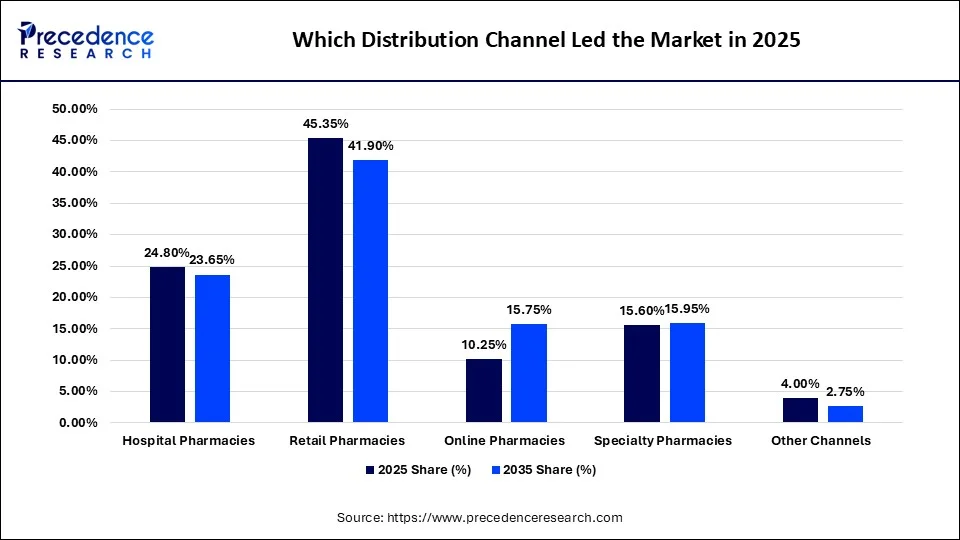
The retail pharmacies segment accounted for the largest revenue share of 41.65% in 2025 and is expected to grow at a CAGR of 30.1% from 2026 to 2035, driven by wide access to prescriptions. The market share of this segment is expected to reduce to 36.85% by 2035 as the online pharmacies segment is expanding at the highest CAGR of 38.75% during the forecast period owing to the growing adoption of digital prescriptions and fulfillment. The clinics and weight management centers segment is growing at a significant rate because of the expansion of specialized obesity management programs.
Distribution Channel Trends by Expert Analysts
The growth of the online pharmacies segment is related to the long-term nature of obesity pharmacotherapy. Digital prescriptions, remote follow-up consultations, electronic claims processing, and home delivery can boost convenience for patients who need chronic treatment. The online channel also creates certain regulatory and patient security needs. WHO issued a specialized warning in its 2025 GLP-1 guideline regarding the spread of fraudulent and low-grade GLP-1 products owing to a rise in global demand. It emphasized the requirement for regulated distribution and prescription through qualified healthcare providers.
Which End User Dominated the Market in 2025?
| End User | 2025 Share (%) | 2035 Share (%) | CAGR | Growth Factor |
| Hospitals | 27.45% | 24.15% | 30.25% | Complex obesity and comorbidity management |
| Specialty Clinics | 23.65% | 22.80% | 31.55% | Specialist obesity treatment |
| Obesity & Weight Management Centers | 19.85% | 22.65% | 35.10% | Dedicated chronic weight-management programs |
| Primary Care Clinics | 18.40% | 19.35% | 33.15% | Broader obesity treatment access |
| Homecare Settings | 7.25% | 9.80% | 36.65% | Self-administered therapies |
| Other Healthcare Facilities | 3.40% | 1.25% | 19.85% | Smaller care settings |
| Total | 100.00% | 100.00% | — | — |
Source: Precedence Research Database
The hospitals segment held the major market share of 27.45% in 2025 and is expected to grow at a CAGR of 30.25% from 2026 to 2035. This segment holds significant importance in the treatment of complicated obesity and comorbidity conditions. The homecare settings segment is expected to expand at the highest CAGR of 36.65% during the forecast period because it provides excellent convenience to patients who need chronic treatment. The obesity and weight management centers segment is also growing at a significant rate because of increasing demand for specialized long-term weight management programs.
Expert Analyst Insights
Hospitals are the largest end user category, but the market is transitioning towards specialty obesity centers, primary care, and home-based administration. This shift is facilitated by self-administered injectable medications and oral formulations. The expansion of the homecare ecosystem is aligned with the broader transition towards long-term outpatient management rather than hospital-based treatment.
Which Region Held the Largest Market Share in 2025?
Source: Precedence Research Database
North America led the market with a 55.85% share in 2025 and is expected to grow at the highest CAGR of 30.55% during the forecast period. This region benefits from early adoption of advanced therapies and robust accessibility to treatments. Asia Pacific is expected to grow at a CAGR of 35.85%, and the Middle East and Africa is expected to grow at 36.15% from 2026 to 2035. Asia Pacific has a massive population base, and improvements in treatment accessibility and the healthcare ecosystem in the Middle East and Africa are undergoing rapid expansion.
Regional Insights by Expert Analysts
North America holds more than 50% market share, owing to early adoption and excellent access to the latest obesity treatments. Asia Pacific and the Middle East and Africa are experiencing faster growth, demonstrating rapid growth from smaller ecosystems. Global data provided by WHO is aligned with the regional potential: The prevalence of adult obesity varies significantly according to the region, and the WHO Region of the Americas has a high prevalence; obesity rates are increasing in middle-income nations. The regional market growth will be influenced not just by the prevalence of diseases, but also by the diagnostics ecosystem, reimbursement, quality of healthcare, costs of medications, manufacturing availability, and the regulatory landscape.
What are Some of the Important Regional Demand Indicators?
| Country/Market | Demand Indicator | Implication |
| United States | Large diagnosed obesity population and early GLP-1 adoption | Largest commercial obesity-pharmacotherapy ecosystem |
| Canada | Expanding obesity treatment access | Continued incretin adoption |
| Germany | Large European healthcare system | Reimbursement and specialist treatment important |
| United Kingdom | Structured NICE obesity guidance | Defined patient-selection and treatment pathways |
| France | Large healthcare system | Obesity pharmacotherapy expansion opportunity |
| Italy | High chronic-disease burden | Cardiometabolic applications relevant |
| China | Large population and expanding pharmaceutical access | Major long-term volume opportunity |
| Japan | Aging population and advanced healthcare infrastructure | Obesity/metabolic treatment opportunity |
| India | Large population and increasing metabolic-disease burden | Significant long-term addressable population |
| South Korea | Advanced healthcare and pharmaceutical ecosystem | Adoption of next-generation therapies |
| Brazil | Large Latin American obesity population | Growing treatment opportunity |
| Mexico | Large obesity and diabetes burden | GLP-1 and cardiometabolic opportunity |
| Saudi Arabia | High obesity prevalence and healthcare investment | Specialty obesity treatment opportunity |
| UAE | Expanding private healthcare and wellness infrastructure | Premium obesity-management services |
Source: Precedence Research Database
Healthcare infrastructure, pricing, regulatory scenario, prevalence of diseases, awareness, and demographics are some of the important indicators that influence the market growth in a particular region. The U.S. has a significant prevalence of obesity and a mature commercial environment for obesity pharmacotherapy. NICE offers organized obesity guidance in the U.K., thus facilitating well-defined patient selection and treatment pipelines. China has a massive population base and continuously enhances pharmaceutical accessibility, creating volume-based growth potential. India also has a large population and a significant prevalence of metabolic conditions, creating opportunity for treatment of addressable citizens.
Expert Analyst Insights
There is a significant difference in the addressable population in terms of treatment accessibility and overall disease burden. North America has a significant edge, but growing markets can offer higher patient growth if cost-effectiveness, healthcare professionals' capability, and the insurance ecosystem improve. The U.K. demonstrates how access can be harmonized via official clinical criteria. NICE has recommended tirzepatide for adults who meet certain BMI and weight-based comorbidity criteria. A lower BMI threshold is typically applied for certain ethnicities such as South Asian, Chinese, and other Asian populations. This shows that future country-level opportunity evaluation should take into consideration eligibility criteria and reimbursement, rather than just obesity prevalence.
How is the Clinical and Regulatory Landscape Influencing the Market?
| Development | Year | Market Implication |
| FDA cardiovascular-risk indication for Wegovy | 2024 | Expands semaglutide beyond weight management |
| FDA Zepbound approval for chronic weight management | 2023 | Establishes tirzepatide as an obesity therapy |
| FDA Zepbound OSA indication | 2024 | Expands obesity-treatment opportunity into sleep medicine |
| WHO global GLP-1 obesity guideline | 2025 | Establishes global framework for GLP-1 obesity treatment |
| ADA obesity pharmacotherapy standards | 2026 | Reinforces pharmacotherapy within comprehensive obesity care |
| Wegovy HD 7.2 mg approval | 2026 | Extends semaglutide lifecycle |
| Oral Wegovy commercialization | 2026 | Expands oral obesity-treatment pathway |
Source: Precedence Research Database
The approval of advanced novel medications and guidelines by prominent health organizations is driving the market growth. The approval of Wegovy for cardiovascular risk management helped the market move beyond just obesity treatment. The approval of various other combination medications that bring together management of obesity as well as other metabolic, cardiovascular, and sleep conditions is influencing the area of future market growth potential. ADA has provided obesity pharmacotherapy standards to boost the adoption of pharmacotherapy for integrated obesity care.
Clinical and Regulatory Landscape Insights by Expert Analysts
The market is being increasingly influenced by label expansion and data in various obesity-related conditions, rather than just by weight reduction efficacy. The 2024 cardiovascular indication for Wegovy and the 2024 OSA approval for Zepbound show the ability of obesity drugs to increase their presence in related disease management markets. The 2025 WHO guidelines are representative of significant advancement in global policy because it acknowledges that GLP-1 therapies as an approach for integrated chronic obesity management and also highlight cost-effectiveness, long-term data, health-system readiness, and equity restraints.
Which Company Led the Market in Terms of Sales in 2025?
| Company | Key Product/Program | 2025 Evidence / Development | Strategic Relevance |
| Novo Nordisk | Wegovy/semaglutide | DKK 82.347B obesity-care sales; 31% CER growth | Broad global obesity franchise |
| Eli Lilly | Zepbound/tirzepatide | USD 13.542B 2025 revenue; +175% | Rapid dual-incretin expansion |
| Novo Nordisk | Wegovy HD | 7.2 mg dose approved in 2026 | Lifecycle expansion |
| Novo Nordisk | Oral Wegovy | 16.6% weight loss reported in Phase 3 | Oral delivery expansion |
| Rhythm Pharmaceuticals | Setmelanotide | Genetic obesity treatment | Precision/monogenic obesity |
| Other developers | Next-generation incretins and oral agents | Expanding clinical pipelines | Future competition |
Source: Precedence Research Database
Novo Nordisk
Novo Nordisk reported obesity management solutions sales of DKK 82.347 billion in 2025, a 26% growth in Danish kroner and 31% at constant exchange rates. The company reported a 104% growth in the size of the worldwide branded GLP-1 obesity market and has a 59.6% branded-volume market share according to its cited IQVIA dataset. The company said that Wegovy had a presence in 52 countries by the end of 2025, and further releases are being planned depending on local approvals.
Eli Lilly
Eli Lilly reported Zepbound revenue of USD 13.542 billion in 2025, up from USD 4.926 billion in 2024. The revenue of Zepbound in the U.S. increased by 174% during the year, propelled by a rise in demand.
Rhythm Pharmaceuticals
Rhythm Pharmaceuticals has developed Setmelanotide, which is used to treat specific genetically derived obesity conditions and will boost the precision treatment ecosystem in the market.
Expert Analyst Insights
The competitive landscape is shifting towards lineup depth rather than a single-product competition. Some of the important competition factors are:
- Weight-loss magnitude and durability
- Cardiovascular outcomes
- Sleep apnea results
- Diabetes/metabolic advantages
- Oral versus injectable administration
- Administration frequency
- Tolerability
- Manufacturing scale
- Availability and supply
- Reimbursement and cost-effectiveness
- Lifecycle dosing methodologies
- Novel obesity-related indications
What Does Current Evidence-Based Guidance Say About Pharmacotherapy?
The current clinical landscape increasingly classifies obesity as a long-term relapsing disease that needs chronic care, rather than short-term weight loss treatment. The 2026 obesity standards given by the ADA recommend person-oriented selection of obesity medications and focus on efficacy, maintenance, price, accessibility, tolerability, and patient preferences. For adults who have diabetes and are also obese or overweight, the ADA recognizes GLP-1 receptor agonists and dual GIP/GLP-1 receptor agonists with better weight-reduction efficacy, especially including semaglutide and tirzepatide as preferable pharmacological options in appropriate circumstances. The 2025 WHO guidelines recommend conditional adoption of GLP-1 therapies for chronic adult obesity treatment along with a balanced diet, physical activity, and healthcare professional assistance.
Clinical Evidence Expert Analyst Insights
The clinical positioning is aligned with the market transition towards maintenance therapy and chronic treatment. The commercial implication is also important, which states that pharmaceutical demand is being increasingly influenced by patient persistence and duration of treatment, and not just the volume of initiated prescriptions. WHO specifically recognizes unresolved problems regarding long-term efficacy and safety, price, healthcare ecosystem readiness, and equity. The market growth in the future will be influenced by therapeutic advancement as well as the capability of healthcare systems to enable sustained access.
Which Factors are Driving the Market Growth?
Increasing Prevalence of Obesity Across the Globe
WHO reported that around 890 million adults suffered from obesity in 2022, and worldwide adult obesity prevalence more than doubled from 1990 to 2022.
Incretin-Based Therapies Efficacy
GLP-1 and dual GIP/GLP-1 medications have altered expectations regarding pharmacologic weight management.
Cardiometabolic Advantages
Therapies are being increasingly assessed for cardiovascular, diabetes, and other metabolic outcomes rather than just weight reduction efficacy.
Increasing Presence in Obstructive Sleep Apnea
The Zepbound OSA indication opens doors for direct novel therapeutic application for an obesity medication.
Oral Formulations
Oral delivery has the potential to significantly improve treatment acceptance and decrease reliance on the injectable route.
Lifecycle Management
Higher dose formulations and novel indications enable manufacturers to expand well-established brands.
Pediatric Treatment Expansion
Approved therapies for adolescents and specific gene-based obesity conditions increase the eligible population base.
Acknowledgment of Obesity as a Chronic Disease
WHO and ADA guidance increasingly positions obesity treatment around chronic disease management.
Growth Drivers Analysis by Expert Analysts
The market is transitioning towards multi-incretin approaches and combination formulations to provide holistic benefits to cater to the growing patient base with comorbidities. Standards and guidelines have recognized obesity as a chronic condition, thus boosting the long-term comprehensive treatment ecosystem. The success of pharmaceutical companies will depend on how well they can adapt to cater to regional needs.
Which Factors Can Limit the Adoption of Anti-Obesity Medications?
| Challenge | Market Implication |
| High treatment cost | Limits access in lower-income populations |
| Reimbursement restrictions | Can restrict eligible treated populations |
| Long-term treatment requirement | Raises cumulative patient cost |
| Treatment discontinuation | Can affect weight maintenance |
| Adverse effects/tolerability | May reduce persistence |
| Manufacturing capacity | Can constrain supply during rapid demand growth |
| Cold-chain requirements | Particularly relevant for injectable products |
| Oral formulation competition | Can shift market share among existing products |
| Counterfeit/substandard medicines | Creates patient-safety and trust risks |
| Healthcare-system capacity | Physician and obesity-care infrastructure may lag demand |
| Equity concerns | Access may remain concentrated in higher-income systems |
Source: Precedence Research Database
Costly treatments can limit accessibility in price-sensitive markets, and claims obstacles can throttle the growth of eligible treated populations. Chronic treatments need careful budget considerations, and significant side effects will limit patient persistence. Healthcare infrastructure needs to keep up with medical advancements, and substandard medications can compromise patient safety and taint reputation. Inadequate production capacity can throttle market growth when demand spikes.
Expert Analyst Insights
The primary commercial obstacle is shifting from the weight-loss efficacy of the medication to the development of healthcare infrastructure to sustain long-term treatments. WHO especially recognizes cost-effectiveness, long-term results data, health systems readiness, and equity as restraints in its conditional recommendation for GLP-1 therapies. Production scale is another vital factor. The reported information by Novo Nordisk demonstrates how quickly the company has expanded manufacturing and regional availability, while the advancement of oral formulations brings another production pathway that involves tablet and API manufacture.
Strategic Market Insights
The anti-obesity medication market is shifting from a considerably fragmented pharmacotherapy category into a massive chronic disease pharmaceutical market focused on incretin biology. The standout shift is not only market expansion, but also a change in lineup structure. GLP-1 receptor agonists remain the most prominent category in 2025, but dual GIP/GLP-1 therapies are expected to achieve a similar or bigger share by 2035. Oral medications are expected to gain around 10 percentage points of market share, and obesity-related indications such as cardiovascular disease and obstructive sleep apnea are becoming more important.
The clinical ecosystem supports this expansion. WHO now offers worldwide guidance for GLP-1 therapies in adult obesity, and 2026 standards by the ADA provide information about pharmacotherapy in obesity and other related diseases. The competitive landscape would be influenced by efficacy, durability, safety, oral delivery, cardiovascular and metabolic results, production scale, cost, reimbursement, patient persistence, and regional availability. The largest commercial potential for pharmaceutical firms is getting increasingly wider than just weight reduction. It also involves developing comprehensive treatment lineups that address obesity, diabetes, cardiovascular disease, sleep apnea, metabolic liver disease, and other obesity-related conditions.
Experts Insights
The future potential for market growth is not just based on the rising prevalence of obesity, but also on formulating effective comprehensive treatments that are convenient and tolerable enough for patients to persist with long-term. Cost optimization will also be important in long-term treatments, especially in developing economies. Pharmaceutical companies can aim for manufacturing scale and robust supply chains to maintain consistency and affordability in terms of availability and cost.
Our Experts
The primary market research process was carried out by Deepa Pandey, Senior Research Associate, who also designed the methodology and did market segmentation, regional trend analysis, buyer intelligence, competitive analysis, and forecasts, laying the foundation for the analytical part of the report.
Aman Singh, Head of Research, has gathered and checked regulatory policies, company financial information, novel formulations and routes of administration information, production information, commodity price information, and various other quantitative information sources, which were obtained independently, thereby increasing the quality of evidence supporting the calculations of the market values.
Aditi Shivarkar, VP Research, has validated and refined the research material, verified facts, corrected inconsistencies, and completed the research document, making it accurate and to the point.
Anti-Obesity Medication Market Segments Covered in This Report
By Drug Class
- GLP-1 Receptor Agonists
- Dual GIP/GLP-1 Receptor Agonists
- Lipase Inhibitors
- Sympathomimetic & Adrenergic Agents
- Combination Therapies
- Melanocortin-4 Receptor Agonists
- Other Anti-Obesity Medications
By Drug
- Semaglutide
- Tirzepatide
- Liraglutide
- Orlistat
- Naltrexone-Bupropion
- Phentermine-Based Therapies
- Setmelanotide
- Other Drugs
By Route of Administration
- Oral
- Subcutaneous
- Other Routes
By Mechanism of Action
- GLP-1 Receptor Agonism
- GIP/GLP-1 Dual Agonism
- Lipase Inhibition
- Appetite Suppression
- Norepinephrine/Dopamine Modulation
- Melanocortin Pathway Modulation
- Other Mechanisms
By Indication
- Chronic Weight Management
- Obesity with Type 2 Diabetes
- Obesity with Cardiovascular Risk
- Obesity with Obstructive Sleep Apnea
- Obesity with Metabolic Dysfunction-Associated Conditions
- Genetic/Monogenic Obesity
- Other Obesity-Related Conditions
By Patient Type
- Adults
- Elderly
- Adolescents
- Pediatric Patients
By Distribution Channel
- Hospital Pharmacies
- Retail Pharmacies
- Online Pharmacies
- Specialty Pharmacies
- Clinics & Weight Management Centers
By End User
- Hospitals
- Specialty Clinics
- Obesity & Weight Management Centers
- Primary Care Clinics
- Homecare Settings
- Other Healthcare Facilities
By Region
- North America
- Europe
- Asia Pacific
- Latin America
- Middle East & Africa
For inquiries regarding discounts, bulk purchases, or customization requests, please contact us at sales@precedenceresearch.com
Frequently Asked Questions
Tags





Ask For Sample
No cookie-cutter, only authentic analysis – take the 1st step to become a Precedence Research client
 Get a Sample
.webp)



 sales@precedenceresearch.com
 Schedule a Meeting
