



Gene Therapy Market Revenue, Leading Companies, Company Technology / Innovation, Diagnostic Testing Volume, Adoption Rates, Pricing Metrics, Supply Chain Performance, Competitive Positioning, and Industry Trends
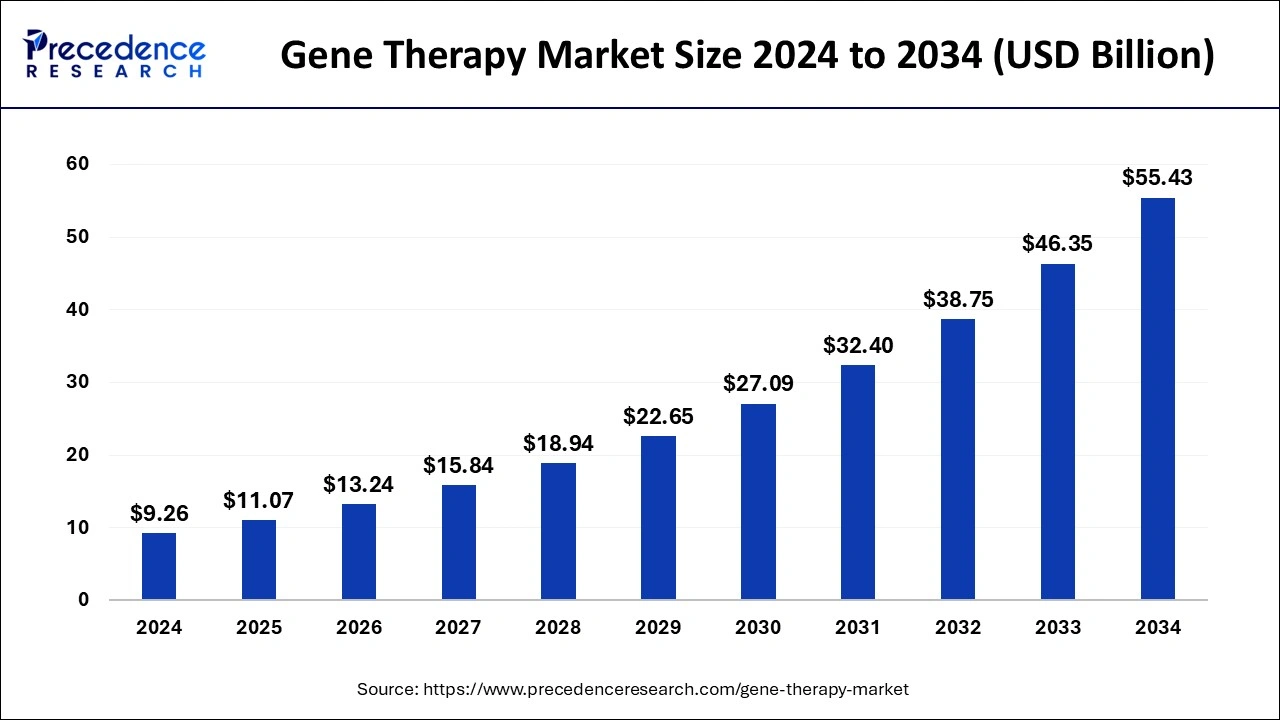
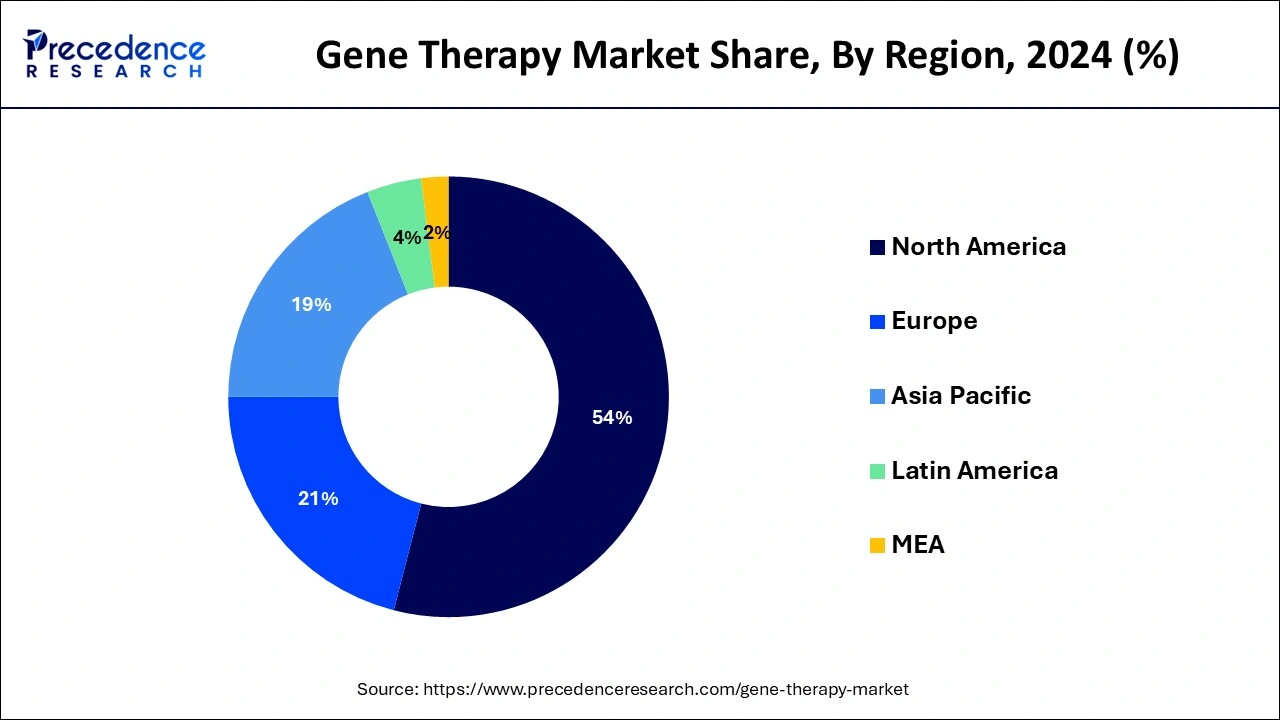
The global gene therapy market is projected to grow from USD 13.24 billion in 2026 to USD 63.52 billion by 2035, registering a robust CAGR of 19.09%. Growth is driven by advancements in gene-editing technologies, increasing investments in genomics and biotechnology, rising demand for personalized medicine, expanding applications in oncology and rare genetic disorders, and AI-powered innovations that accelerate drug discovery, optimize vector design, and improve manufacturing efficiency. North America dominated the market in 2026 with a 54% share, supported by strong R&D investments, favorable regulatory frameworks, and advanced healthcare infrastructure, while Asia Pacific is expected to witness the fastest growth due to expanding healthcare infrastructure, government funding, increasing biotechnology investments, and rising clinical research activities.
Source: https://www.precedenceresearch.com/gene-therapy-market
 Get a Sample
 Table Of Content


What is the Gene Therapy Market Size?
The global gene therapy market size was estimated at USD 11.07 billion in 2025 and is predicted to increase from USD 13.24 billion in 2026 to approximately USD 63.52 billion by 2035, expanding at a CAGR of 19.09% from 2026 to 2035. The market growth is propelled by advancements in biotechnology, increasing investments in genomics R&D, and a shift toward personalized medicine.
Key Takeaways
- North America led the gene therapy market in 2025, holding a major share of around 54% in 2025.
- Asia Pacific is expected to grow at the fastest rate during the forecast period.
- By type, the gene silencing segment dominated the market with the largest share in 2025.
- By type, the augmentation segment is expected to grow at the fastest CAGR during the forecast period.
- By vector, the viral vector segment dominated the market in 2025.
- By vector, the non-viral vector segment is projected to grow at the fastest rate during the forecast period.
- By therapeutic area, the oncology segment dominated the market with the highest share in 2025.
- By therapeutic area, the neurology segment is projected to grow rapidly during the forecast period.
- By delivery method, the in vivo segment dominated the market in 2025 and is expected to expand at the fastest rate over the projection period.
- By delivery method, the ex vivo segment is expected to witness significant growth during the forecast period.
- By route of administration, the intravenous segment dominated the market in 2025.
Global Gene Therapy Market Overview
The growth of the gene therapy market is being driven by the increasing adoption of advanced gene-editing technologies for the treatment of rare genetic disorders, inherited diseases, and various forms of cancer. Innovations in gene modification and gene replacement techniques are enabling the development of targeted therapies that address the underlying causes of diseases, offering improved treatment outcomes compared to conventional approaches.
The gene therapy sector encompasses a broad range of therapeutic applications, including oncology, hematology, and neurology, where cell-based therapies and gene replacement strategies are transforming patient care. These therapies are providing new treatment options for conditions that previously had limited or no effective therapeutic solutions.
Regulatory approvals continue to play a critical role in accelerating the adoption of gene therapies by validating their safety, efficacy, and clinical value. As more gene therapy products receive approval and enter the market, confidence among healthcare providers, patients, and investors is increasing, reinforcing the importance of gene therapies within the modern biopharmaceutical landscape and supporting long-term market growth.
How are Next-Gen Technologies Contributing to the Development of the Gene Therapy Sector?
Next-generation technologies, including AI and ML, are transforming genetic medicine by replacing slow lab tests with faster virtual simulations as a smart clinical solution. This digital approach helps bioengineers design synthetic gene carriers that evade immune responses and target diseased tissue precisely. Using predictive modelling aligns with computers to evaluate large genomic data to identify disease sites and predict drug-cell interactions.
Automated manufacturing platforms continuously monitor cell growth and gene combination and adjust human cell conditions to avoid experimentation failures and improve quality. Overall, the technological shift from unreliable physical tests to accurate digital models reduces development time, lowers clinical testing costs, and speeds the formation of effective life-saving treatments.
From Data to Cure: AI's Impact on Gene Therapy
Artificial intelligence is revolutionizing gene therapy by accelerating research, enhancing treatment precision, and streamlining manufacturing processes. AI algorithms determine vast datasets to identify genetic variations associated to diseases, forecast treatment outcomes, and improve gene editing strategies. This contributes to more efficient as well as personalized therapies with fewer side effects. Moreover, it determines genomic data to detect genes and genetic variations associated with diseases, assisting researchers pinpoint potential therapeutic targets and improving the design of delivery vectors (such as viruses) to improve gene delivery efficiency and reduce off-target effects. Meanwhile, AI can determine patient data to detect individuals most likely to respond to a specific gene therapy, enhancing treatment success rates. AI-powered biosensors can tackle manufacturing processes in real-time, guranteeing product quality and consistency.
Gene Therapy Market Trends
- Rising Adoption of Non-Viral Delivery Systems: The gene therapy industry is increasingly shifting toward non-viral delivery systems as alternatives to traditional viral vectors used for transporting genetic material into cells. Technologies such as lipid nanoparticles and engineered polymer-based carriers are gaining attention due to their potential to improve safety, enhance delivery efficiency, and reduce manufacturing complexity.
- Growing Focus on Epigenetic Modification: Epigenetic editing is emerging as a significant trend in the gene therapy market, enabling researchers to regulate the activity of disease-associated genes without permanently altering the underlying DNA sequence. These therapies offer promising applications in the treatment of conditions such as high cholesterol, neurological disorders, and other chronic diseases by selectively turning specific genes on or off.
- Expansion of Point-of-Care Manufacturing in Hospitals: The development of point-of-care manufacturing is transforming the production and delivery of gene therapies. Biotechnology companies are increasingly partnering with major healthcare institutions to deploy automated, closed-loop manufacturing systems within hospital settings, allowing personalized cell and gene therapies to be produced and administered to patients within a significantly shorter timeframe.
Gene Therapy Market Growth Factors
- The rising incidence of chronic and genetic diseases: The rise of cancer, heart diseases, and rare genetic disorders is leading to a greater demand for highly sophisticated gene-based therapies.
- The overall progress in the areas of Biotechnology and Genomics: The uninterrupted advancements in the fields of molecular biology, genomics, and vector design are still coming up with the production of safer and more effective gene therapies.
- The strong R&D investments: The increase in funding from both the government and private sectors is responsible for the discovery and clinical development of next-generation gene therapies.
- The change towards personalized medicine: The patient population that is more inclined towards the exact and permanent remedies instead of the conventional ones is the reason for the fast-tracked adoption of gene therapy in several therapeutic areas.
- The strategic partnerships and alliances: The merging of the biotech companies with the pharmaceutical giants not only increases the research abilities but also reduces the time for the commercialization of gene-curing products that are innovative.
Gene Therapy Market Outlook
- Industry Growth Overview: The global gene therapy market is expected to experience exponential growth between 2026 and 2035, driven by the sustained clinical success of advanced viral vector-based therapies and an expanding pipeline of one-time curative treatments. The rising prevalence of genetic and rare diseases is further accelerating the adoption of cutting-edge gene therapy technologies. Additionally, the growing number of clinical trials in emerging countries across Asia-Pacific and Latin America signals the diffusion of gene therapy beyond traditional Western markets.
- Technological Advancements: The field of gene therapy is still being revolutionized by technological advances, particularly through genome-editing tools. These enable precise and specific correction of genetic mutations. The integration of AI, bioinformatics, and high-throughput sequencing technologies is improving vector design, patient stratification, and production scaling. Moreover, these innovations are advancing toward more precise, durable, and scalable gene correction, moving beyond using these technologies merely as proof-of-concept.
- Global Expansion: Major biopharmaceutical companies are rapidly expanding their manufacturing, clinical, and commercialization networks worldwide to meet the growing global demand for innovative genetic therapies. Pfizer, Roche, and Novartis have scaled up production in the U.S. and Europe, with a strong focus on end-to-end AAV vector production and quality assurance. Collaborations between Western developers and regional CROs are facilitating smoother regulatory approvals and more efficient patient recruitment in high-growth markets.
- Sustainability Trends: A key trend in the gene therapy sector is the paradigm shift toward sustainable, scalable, and cost-efficient manufacturing to meet global demand and regulatory requirements. Recent innovations have focused on closed, automated, single-use bioreactor systems that minimize contamination risks and reduce resource consumption. Additionally, ongoing research in synthetic biology and cell-free vector production is decreasing reliance on traditional host systems, reducing waste while enhancing yields.
- Startup Ecosystem: The global gene therapy startup ecosystem is expanding rapidly, driving innovation in new vector platforms and non-viral gene delivery technologies. Early-stage companies such as 4D Molecular Therapeutics, Passage Bio, Verve Therapeutics, and Sernova Corp. are gaining worldwide recognition for breakthroughs in next-generation genetic delivery and regenerative medicine. This vibrant startup ecosystem is poised to become a cornerstone of next-generation discoveries, supported by increased government funding and incubator programs.
Market Report Coverage and Key Metrics
| Report Coverage | Details |
| Market Size by 2035 | USD 63.52 Billion |
| Market Size in 2026 | USD 13.24 Billion |
| Market Size in 2025 | USD 11.07 Billion |
| Growth Rate from 2026 to 2035 | CAGR of 19.09% |
| Largest Market | North America |
| Fastest Growing Market | Asia Pacific |
| Base Year | 2025 |
| Forecast Period | 2026 to 2035 |
| Segments Covered | Type, Vector, Therapeutic Area, Delivery Method, Route of Administration, and Region |
| Regions Covered | North America, Europe, Asia-Pacific, Latin America and Middle East & Africa |
Market Dynamics
Drivers
Need for Permanent Treatment of Chronic Disease
The gene therapy market is being driven by the increasing demand for long-term and potentially curative treatments for chronic and genetic disorders. Advances in gene-editing and gene-delivery technologies are enabling researchers to develop therapies that target the root cause of diseases by correcting or replacing defective genes through a single treatment procedure.
These innovations offer the potential for lifelong therapeutic benefits, reducing the need for continuous disease management and improving patient outcomes. In addition, supportive regulatory pathways and increasing healthcare interest in transformative therapies are accelerating the development and adoption of one-time gene therapy treatments for a wide range of chronic and inherited conditions.
Restraint
High Failure Rates in Vector Purification Processes
A major challenge facing the gene therapy market is the low yield and high failure rate associated with current vector purification processes. Viral vectors, which are commonly used to deliver therapeutic genes, require highly complex manufacturing and purification procedures to ensure product quality, safety, and efficacy. The separation of functional vectors from empty viral particles remains time-consuming, labor-intensive, and expensive. These manufacturing limitations reduce production efficiency, increase treatment costs, and restrict the large-scale availability of gene therapies.
Opportunity
Expansion of Specialized Manufacturing Infrastructure
Significant growth opportunities are emerging through the development of advanced manufacturing infrastructure, including specialized cleanrooms, synthetic raw materials, custom cell culture media, and automated quality-control systems designed for gene therapy production. As the number of clinical trials and commercial gene therapy programs continues to increase, demand for high-quality manufacturing capabilities is rising rapidly.
Companies investing in ultra-pure production materials, advanced bioprocessing technologies, and scalable manufacturing platforms are well positioned to benefit from market expansion. Strategic collaborations between manufacturers, pharmaceutical companies, and research organizations are expected to strengthen production capabilities, support clinical development, and create long-term growth opportunities within the gene therapy industry.
Market Segmentation Analysis
Type Insights
What Made Gene Silencing the Dominant Segment in the Gene Therapy Market?
The gene silencing segment dominated the market while holding the largest share in 2025 due to its ability to precisely suppress disease-causing genes without changing a patient's DNA. Gene silencing targets messenger RNA and blocks harmful protein construction, supporting in treating cancer, neurodegenerative diseases, and viral infections. The integration of RNA interference, antisense oligonucleotides, and CRISPR technology, combined with delivery systems such as lipid nanoparticles, makes gene silencing a highly precise and reversible solution. Additionally, gene silencing forms a key part of personalized medicine and is attracting substantial investment.
The gene augmentation segment is projected to grow at the fastest rate in the upcoming years, driven by its ability to address genetic disorders by introducing functional copies of defective or missing genes into target cells. This approach enables treatment at the cellular level, helping restore normal gene function and improve disease outcomes for patients with inherited conditions. The segment is also driven by advancements in viral vector technologies, increasing clinical validation, and growing investments in gene therapy research and development.
Vector Insights
Which Vector Segment Holds the Largest Share in the Gene Therapy Market?
The viral vector segment held the largest market share in 2025 due to its high efficiency in delivering therapeutic genetic material into target cells. Engineered viral vectors are widely used because of their natural ability to penetrate cell membranes and transfer genes directly into cells, making them one of the most effective delivery mechanisms for gene therapies. Their proven clinical performance and widespread use in approved gene therapy products have reinforced their position as the leading vector platform.
The non-viral vector segment is experiencing the fastest growth in the market during the forecast period due to increasing interest in safer, more scalable, and cost-effective gene delivery technologies. Non-viral systems utilize synthetic carriers such as lipid nanoparticles, polymers, and other advanced formulations to deliver genetic material, including mRNA, DNA, and gene-editing components.
Growing investments from biotechnology companies and investors are accelerating the development of non-viral delivery platforms because they offer several advantages over viral vectors, including lower immunogenicity, reduced risk of insertional mutations, and the ability to support repeated dosing. Additionally, non-viral vectors benefit from simpler manufacturing processes, greater supply chain predictability, and lower production costs, making them an increasingly attractive option for future gene therapy development and commercialization.
Therapeutic Area Insights
The Oncology Segment Dominated the Gene Therapy Market in 2025
The oncology segment dominated the gene therapy market with a major share in 2025. This is mainly due to the significant unmet medical need for effective cancer treatments and the increasing success of gene-based therapies in oncology applications. Gene therapy has emerged as a transformative approach in cancer treatment by genetically modifying immune cells to recognize and destroy cancer cells more effectively. Strong investment from biotechnology companies, growing clinical research activity, and accelerated regulatory pathways for innovative cancer therapies have further supported segment growth.
The neurology segment is expected to experience the fastest growth in the market during the forecast period, driven by the increasing efforts to develop treatments for neurological and neurodegenerative disorders that currently have limited therapeutic options. Gene therapy offers the potential to address the underlying genetic causes of many neurological conditions rather than simply managing symptoms. Growing government support, research funding, and financial incentives for neurological disease research are accelerating innovation in this field.
Delivery Method Insights
Why Did the In Vivo Segment Hold the Highest Market Share in 2025?
The in vivo segment dominated the gene therapy market with the largest share in 2025 and is expected to grow at the fastest rate in the coming years. This is because this delivery method is highly scalable and cost-effective, and has the ability to treat a range of diseases through direct delivery of genetic material into the patient's body. This approach utilizes standardized gene therapy products that can be manufactured in large batches, stored, transported, and administered directly to patients, making it suitable for widespread clinical adoption.
The ex vivo segment is expected to witness significant growth over the forecast period due to its highly personalized treatment approach and strong clinical success in cell-based therapies. In this method, a patient's cells are collected, genetically modified in specialized laboratories, and then reintroduced into the body, allowing for precise genetic engineering under controlled conditions. The ability to minimize immune-related complications and achieve highly targeted therapeutic outcomes has increased interest among healthcare providers, researchers, and investors.
Route of Administration Insights
How Does the Intravenous Segment Lead the Gene Therapy Market?
The intravenous segment led the gene therapy market in 2025 because it is a central route that provides an effective way to repair cells throughout the human body. The intravenous route of administration utilizes the bloodstream. Gene therapies are instantly integrated into deep tissues simultaneously, replacing risky surgeries with simple infusions in outpatient settings by enhancing patient safety, comfort, and hygiene compliance.
Market Regional Analysis: North America, Europe, Asia-Pacific
What Made North America the Dominant Region in the Gene Therapy Market?
North America dominated the gene therapy market by holding the largest share in 2025 due to its well-established healthcare infrastructure and the presence of leading research institutes. The region benefits from substantial venture capital funding, robust research and development activities, and a favorable regulatory environment that supports the commercialization of innovative gene therapies.
The rapid translation of laboratory discoveries into commercial treatments, coupled with growing adoption of advanced genetic medicines, continues to strengthen the regional market. In addition, increasing investments from private healthcare providers, biotechnology firms, and institutional investors are accelerating the development of next-generation gene therapies and non-viral vector technologies.
U.S. Gene Therapy Market Size and Growth 2026 to 2035
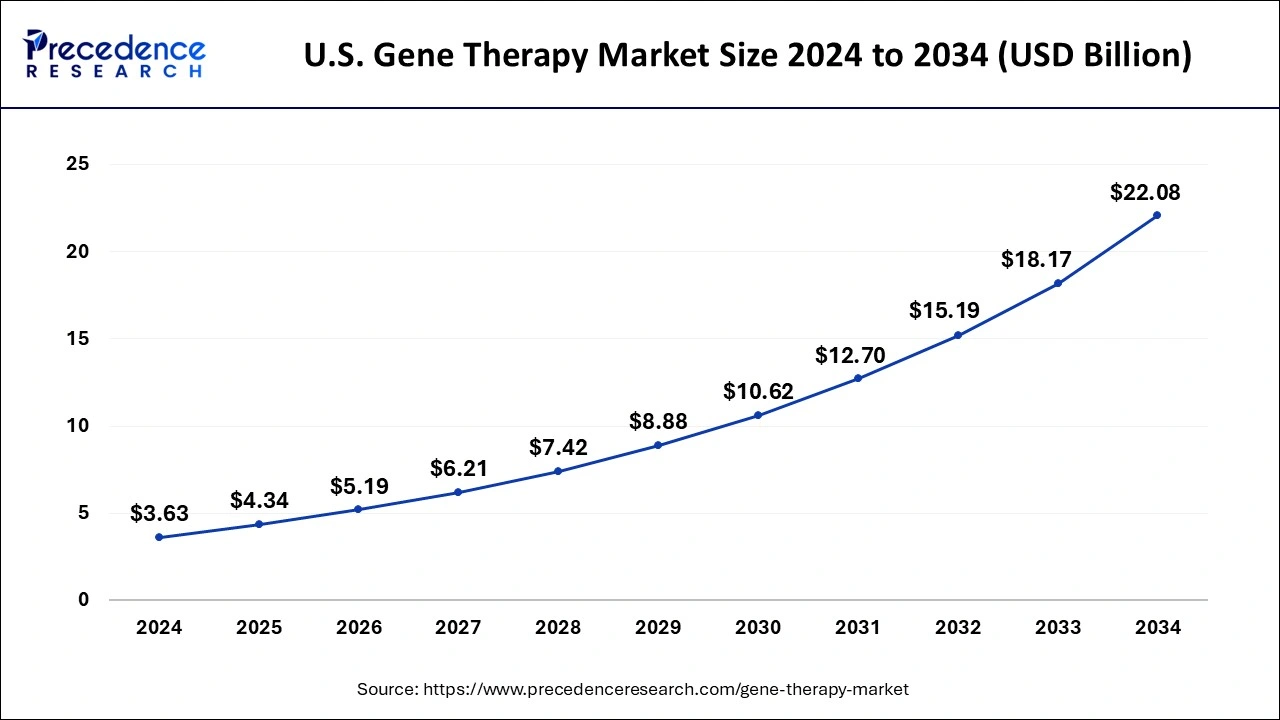
The U.S. gene therapy market size was evaluated at USD 4.34 billion in 2025 and is predicted to reach around USD 25.37 billion by 2035, poised to grow at a registered CAGR of 19.31% from 2026 to 2035.
U.S. Market Trends
The U.S. is the leading hub in biotechnology innovation, owing to its strong investment environment and extensive clinical research capabilities. The country continues to attract significant public and private funding for gene therapy development, enabling rapid advancement from early-stage research to commercial products. Growing adoption of innovative reimbursement models, strong support for orphan drug development, and strategic collaborations between research institutions, biotechnology companies, and government agencies are further supporting market growth.
Europe: The Second-Largest Market
Europe held the second-largest share of the market in 2025, as it is considered a hub for genetic discoveries, leveraging its domestic network of research hospitals. The regional scientists focus on finding permanent solutions for treating rare metabolic disorders by conducting consecutive centralized trials that speed up therapy agreements across the region. The region also benefits from extensive collaboration among research hospitals, academic institutions, and biotechnology companies working to develop innovative gene-based treatments.
Germany Market Trends
Germany is a major contributor to the European gene therapy market due to its advanced healthcare system, strong biotechnology sector, and emphasis on high-quality clinical research. The country is investing in advanced manufacturing technologies, including automated bioreactors and precision production systems, to improve the efficiency and reliability of gene therapy development.
What Makes Asia Pacific the Fastest-Growing Region in the Gene Therapy Market?
Asia Pacific is expected to grow at the fastest CAGR over the projection period, driven by ongoing improvements in healthcare infrastructure. There is a rising demand for a permanent cure for genetic diseases, creating opportunities for gene therapies. Regional biomedical hubs focus on improving clinical trials to fast-track genome editing for inherited chronic disorders. Domestic companies are forming joint ventures to optimize regional manufacturing and align with the advanced cellular medicine framework. The regional market growth is also being driven by government funding and biotechnological innovation to deliver a direct, cost-effective gene therapy solution.
China Market Trends
China is emerging as a major force in the global gene therapy market, supported by favorable government policies, expanding biotechnology investments, and a large patient population. The country is actively promoting innovation in gene editing, cell therapies, and advanced biopharmaceutical development. China's efficient clinical trial ecosystem, strong manufacturing capabilities, and increasing investments in research infrastructure are accelerating the development of novel gene therapies. Local companies are also focusing on scalable and cost-effective treatment platforms to support broader patient access and international market expansion.
What Drives the Market Within Latin America
The gene therapy market in Latin America is mainly driven by the increasing clinical research activities, improving healthcare infrastructure, and efforts to expand access to advanced therapies. Governments and healthcare organizations across the region are strengthening regulatory frameworks and supporting the evaluation of innovative cell and gene therapies. Technology-transfer agreements, international collaborations, and investments in local biopharmaceutical capabilities are helping reduce dependency on imported therapies while supporting domestic market development.
Brazil Market Trends
The market in Brazil is growing due to its large healthcare system and growing focus on expanding access to advanced medical treatments. Government initiatives, centralized healthcare programs, and collaborations with global biotechnology companies are supporting the adoption of gene therapies across the country. Increasing efforts to strengthen local manufacturing capabilities and improve treatment accessibility are expected to further support market growth in Brazil over the forecast period.
Why is the Market Within the Middle East & Africa Gaining Momentum?
The gene therapy market in the Middle East & Africa (MEA) is gaining momentum due to growing investments in healthcare infrastructure, genomic research, and precision medicine initiatives. Increasing awareness of inherited genetic disorders and the need for advanced treatment options are encouraging governments and healthcare providers to invest in modern biotechnology capabilities. The region is also focusing on developing specialized research centers, expanding genomic testing programs, and attracting international healthcare partnerships to strengthen its position in advanced medical technologies.
Saudi Arabia Market Trends
Saudi Arabia is emerging as a leading market for gene therapy in the Middle East, supported by substantial government investments in healthcare modernization and biotechnology development. The country is prioritizing genomic medicine, genome sequencing initiatives, and advanced therapeutic research as part of its long-term healthcare transformation strategy.
What is the Contribution of the U.S. Government to the Gene Therapy Market?
The U.S. government and related concerned authorities actively contribute to the market by supporting the development, commercialization, and distribution of gene therapy products locally. Some of the measures are listed below:
- The U.S. Food and Drug Administration (FDA) has issued a draft guidance to help developers bring promising gene therapies to patients more efficiently by making greater use of existing scientific and regulatory knowledge. Sponsors get access to CMC data, nonclinical study results, and clinical information to streamline regulatory submissions. (Source: https://www.fda.gov)
- The Cell and Gene Therapy (CGT) Access Model by the Centers for Medicare & Medicaid Services (CMS) aims to improve the lives of people living with rare and severe diseases by increasing access to potentially transformative treatments. The initial focus of the model is on access to gene therapy treatments for people living with sickle cell disease. (Source: https://www.cms.gov)
- In April 2026, Fredrick National Laboratory for Cancer Research and the National Center for Advancing Translational Sciences Therapeutic Development Branch launched the Gene Therapy Immunology and Standards Laboratory Initiative to promote standardization in methods for studying and reporting on gene therapies. (Source: https://frederick.cancer.gov)
- The Ultra-Rare Gene-based Therapy (URGenT) program by the National Institute of Neurological Disorders and Stroke supports the development of state-of-the-art gene-based therapies for ultra-rare neurological diseases in the U.S. The program provides funding and resources to advance gene-based therapies. (Source: https://www.ninds.nih.gov)
Clinical Trial Landscape of the Gene Therapy Market
- As of August 5th, 2026, a total of 3,446 clinical trials were registered for gene therapy as an intervention on the clinicaltrials.gov website.
- Out of 3,446 trials, 340 were active, not recruiting, 625 were recruiting, and 185 were not yet recruiting.
- About 1,245 trials were included in Phase I, 1,184 were included in Phase II, 275 trials were part of Phase III, and 111 trials were included in Phase 4.
- The majority of trials, i.e., 1,651 trials, were registered from the U.S., accounting for 47.91% of the total trials.
- The remaining 1,795 trials (52.08%) were registered from the rest of the world.
(Source: https://clinicaltrials.gov)
Supply Chain Analysis
- Research and Development: The process of gene transfer starts with the identification of target genes, followed by the creation of viral vectors, and the testing of gene therapies for efficacy and safety in animal models.
Key players: CRISPR Therapeutics, Krystal Biotech, Bluebird Bio, Intellia Therapeutics - Clinical Trials and Regulatory Approvals: The process involves a series of clinical trials for humans to put the safety and efficacy claims to rest, and this is followed by applications for approval from different regulatory bodies around the world.
Key players: ICON, Labcorp, Medpace, Thermo Fisher Scientific (PPD) - Formulation and Final Dosage Preparation: The final stable therapeutic dosage is produced through the processes of cell expansion, gene modification, purification, and sterile filling.
Key players: Thermo Fisher Scientific (Patheon), Catalent, Lonza - Packaging and Serialization: The product is packed in temperature-controlled and secure packaging with unique serialization for identification, quality assurance, and safe handling.
Key players: Thermo Fisher Scientific (Patheon), TraceLink, Kezzler - Distribution to Hospitals, Pharmacies: The company takes care of the cold-chain logistics and the accurate transport of temperature-sensitive therapies to hospitals and licensed pharmacies.
Key players: Cryoport, Marken (UPS Company), Thermo Fisher Scientific - Patient Support and Services: The company offers treatment coordination, reimbursement support, and therapy monitoring after the therapy to make sure the patient has a good experience and the best possible outcome.
Key players: Biopharma companies like Bluebird Bio, Novartis, and Immuneel Therapeutics
Market Competitive Landscape: Leading Companies and Strategies
The global gene therapy market is highly competitive and is characterized by the presence of major pharmaceutical companies, biotechnology innovators, and gene-editing technology developers. Market participants are focusing on developing transformative therapies for rare genetic disorders, cancer, neurological diseases, and other chronic conditions through continuous investments in research, clinical development, and advanced manufacturing capabilities.
Leading companies are leveraging strategic partnerships, acquisitions, and licensing agreements to expand their gene therapy portfolios and accelerate product commercialization. Many specialized gene therapy developers are benefiting from orphan drug designations and regulatory incentives, which support the development of treatments for rare diseases and provide market exclusivity advantages.
Top Companies in the Gene Therapy Market
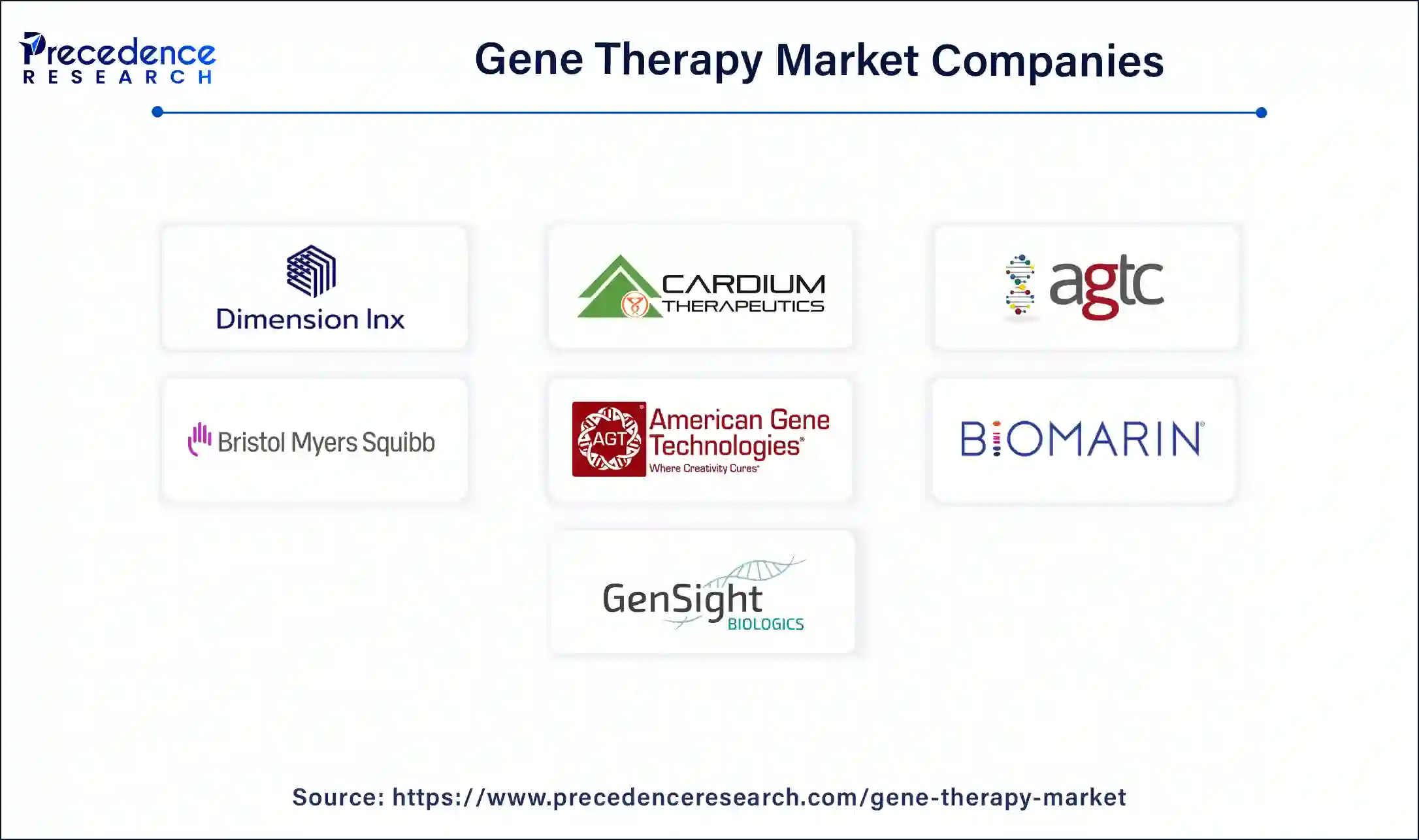
- Dimension Therapeutics Inc. (USA): Focuses on developing adeno-associated virus (AAV)-based gene therapies targeting rare genetic and metabolic disorders such as hemophilia and liver diseases.
- Taxus Cardium Pharmaceuticals Group Inc. (USA): Engages in regenerative medicine and gene therapy programs, primarily developing DNA-based treatments for cardiovascular diseases and wound healing.
- Epeius Biotechnologies Corp. (USA): Specializes in developing targeted genetic medicines using its proprietary Rexin-G platform for cancer gene therapy and precision oncology applications.
- Shanghai Sunway Biotech Co. Ltd (China): A leading Chinese biotech firm pioneering oncolytic virus–based gene therapies and immunotherapies for solid tumor treatment and cancer precision medicine.
- Applied Genetic Technologies Corporation (USA): Develops AAV-mediated gene therapies for rare inherited retinal diseases and neurological disorders, focusing on restoring functional vision and nerve health.
- Bristol-Myers Squibb Company (USA): A global biopharmaceutical leader advancing gene and cell therapy programs for oncology, cardiovascular, and immune-mediated diseases through extensive R&D and partnerships.
- American Gene Technologies (USA): Focused on developing lentiviral-based gene therapies for serious diseases, including HIV, cancer, and rare genetic disorders, through innovative cell-modification platforms.
- BioMarin Pharmaceuticals Inc. (USA): A pioneer in genetic and enzyme replacement therapies, with approved and pipeline gene therapies for rare diseases such as hemophilia A and phenylketonuria (PKU).
- Gensight Biologics S.A. (France): Specializes in mitochondrial-targeted gene therapies for ophthalmic disorders, including treatments designed to restore vision in patients with inherited optic neuropathies.
- Sibiono GeneTech Co., Ltd (China): The first company in China to commercialize gene therapy products, known for its innovative adenoviral gene therapy treatments for head and neck cancers.
Key Companies & Market Share Insights
The key market players can expect profitable growth possibilities as research and development investments are rising at a rapid pace. In addition, the market players are implementing key marketing strategies for the growth and development of gene therapy market. REGENXBIO Inc. and Ultragenyx Pharmaceutical Inc., for example, deployed new technology for the development of gene therapy treatments in March 2020.
Strategic Initiatives
- In May 2025, to strengthen the global competition in the bio-health sector, a consultative meeting was held between the government and private sector stakeholders to ensure the use of AI in drug development. Various officials from the Ministry of Economy and Finance and other government agencies, along with the leading pharmaceutical companies, such as Daewoong Pharmaceutical, were present at this meeting. It is anticipated that a 19% annual growth in the AI biotechnology market, with $7.75 billion by 2029, will be observed.
- In May 2025, a facility for advancing gene therapy research and manufacturing, that is the Gene Therapy Centre in Lithuania, was announced to be financed by NIB. It is considered an important part of Lithuania's life sciences sector, with the objective of a rise in GDP from 2.5% to 5% by 2030 to grow the sector's share. Furthermore, the goal of developing Europe's largest biotechnology hub as per the BIO CITY initiative, the centre also plays an important role.
Recent Developments
- In June 2026, Porosome Therapeutics formed a drug development collaboration with the Council of Scientific and Industrial Research of India to accelerate co-development and licensing of novel therapeutics across six diseases through secretory dysfunction theory. (Source: https://allsci.com/news)
- In June 2026, Life Bioscience announced the first patient dosed in its Phase 1 clinical trial of ER 100, a novel therapy intended to treat optic neuropathies and cellular age rejuvenation. This was especially targeted at open-angle glaucoma (OAG) and non-arteritic anterior ischemic optic neuropathy (NAION). (Source: https://www.lifebiosciences.com)
- In May 2026, Catalent and Elpida Therapeutics announced a strategic manufacturing partnership for late-phase AAV9 gene therapy pipelines focused on rare neurodegenerative disorders and ultra-rare diseases. (Source: https://www.biospace.com)
- In May 2026, Apertura Gene Therapy and TSC Alliance announced a partnership to develop a new gene therapy program for Tuberous Sclerosis Complex, utilizing advanced capsid delivery platforms. This collaboration will include Apertura's TfR1 CapX™, a new intravenously delivered AAV capsid formulated to target the human transferrin receptor 1 (hTfR1). (Source: https://www.prnewswire.com)
- In March 2026, Lonza and Genetix Biotherapeutics expanded their commercial manufacturing contract to scale up the production capacity of the Zynteglo™ gene therapy. Genetix's ZYNTEGLO™ is FDA-approved gene therapy for pediatric and adult patients with transfusion-dependent beta-thalassemia. (Source: https://www.lonza.com)
- In September 2024, Genprex announced plans to launch separate company to Focus on the development of gene therapy to treat type-1 and type-2 diabetes.
- In April 2024, the President of India, Smt Droupadi Murmu, launched India's first home-grown gene therapy for cancer at IIT Bombay.
Segments Covered in the Report
By Type
- Gene silencing
- Cell replacement
- Gene augmentation
- Other therapies
By Vector
- Viral vectors
- Non-Viral vectors
By Therapeutic Area
- Neurology
- Oncology
- Hepatology
- Other therapeutic areas
By Delivery Method
- In Vivo
- Ex Vivo
By Route of Administration
- Intravenous
- Other routes of administration
By Region
- North America
- Asia Pacific
- Europe
- Latin America
- Middle East and Africa
For inquiries regarding discounts, bulk purchases, or customization requests, please contact us at sales@precedenceresearch.com
Frequently Asked Questions
Tags





Ask For Sample
No cookie-cutter, only authentic analysis – take the 1st step to become a Precedence Research client
 Get a Sample
.webp)



 sales@precedenceresearch.com
 Schedule a Meeting
