






 Request Consultation
From Lizard Venom to a Blockbuster Drug Class
Two decades separate the first GLP-1 approval from today's multi-format, multi-mechanism class.
Exenatide became the first-of-its-class in the GLP-1 drug class in 2005, utilizing a peptide from Gila monster saliva. This was followed by the approval of liraglutide in 2010, dulaglutide in 2014, semaglutide in 2017, and tirzepatide in 2022. Over two decades, science has immensely improved these drugs to last longer in the body. In 2021, Wegovy was approved drugs used for obesity. Newer options such as semaglutide, tirzepatide, and recent oral small-molecule pills have changed care for type 2 diabetes and weight loss.
| Year | Milestone |
| 2005 | Exenatide (Byetta) - first GLP-1 approved |
| 2010 | Liraglutide (Victoza) approved |
| 2014 | Dulaglutide (Trulicity) approved |
| 2017 | Semaglutide (Ozempic) approved |
| 2021 | Wegovy approved |
| 2022 | Tirzepatide - first dual agonist |
| 2026 | First oral small-molecule GLP-1 approved |
Key Insight: The 21-year gap between the approval of exenatide in 2005 and the approval of oral non-peptide small-molecule GLP-1 agonists exists because mimicking a fragile human gut hormone in a pill requires overcoming extreme biological barriers. Each incremental generation spent years solving profound hurdles in enzymatic destruction, cellular absorption, and even complex receptor chemistry.
SOURCE: History of GLP-1 Receptor Agonists, ScienceDirect; Nature Signal Transduction and Targeted Therapy; StatPearls, NCBI Bookshelf.
The Efficacy Staircase
Each additional receptor target has systematically raised the weight-loss ceiling.
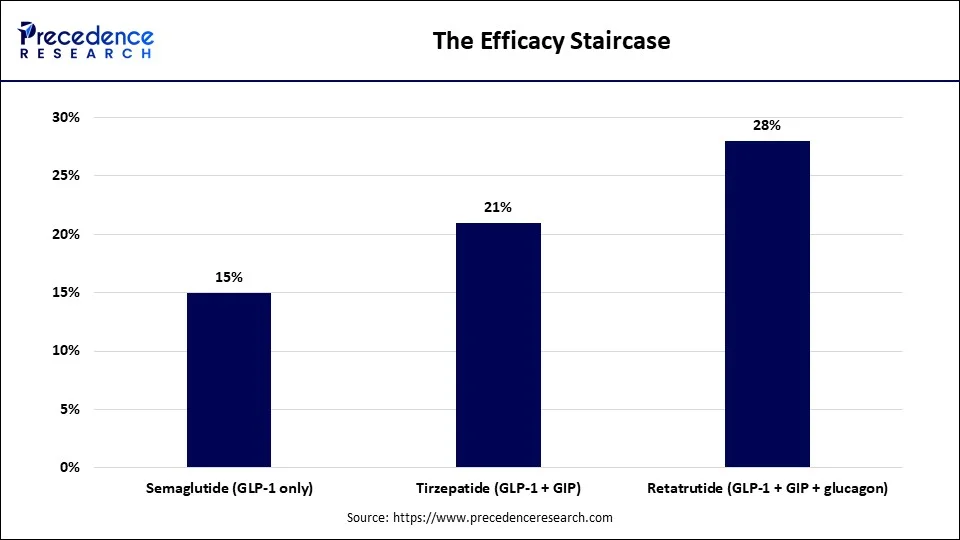
As scientists add more hormonal aims to injectable medications, average weight loss climbs: single GLP-1 agonists such as semaglutide yield ~15%, dual GLP-1/GIP agonists such as tirzepatide reach ~21%, and investigational triple agonists such as retatrutide push past ~28% of average weight loss in clinical trials. Data show that stopping these multi-hormone therapies typically contributes to gradual weight regain, underscoring their role as chronic treatments rather than temporary fixes, and then mimicking the GLP-1 hormone to slow stomach emptying, curb appetite signals in the brain, and improve blood sugar control.
Key Insight: Targeting multiple receptors simultaneously, like GLP-1, GIP, and glucagon, creates synergistic metabolic improvements by activating complementary physiological pathways. Moreover, each receptor recruits distinct signaling cascades that yield significantly higher efficacy than single-target monotherapies.
SOURCE: Drug Discovery News, GLP-1 Agonist Clinical Pipeline 2026; International Journal of Obesity, "Pipeline for future medications for obesity," 2024.
A Class-Wide Cardiovascular Signal - With Real Variation
Four of five major cardiovascular outcome trials showed significant risk reduction, but the magnitude differs sharply by molecule.
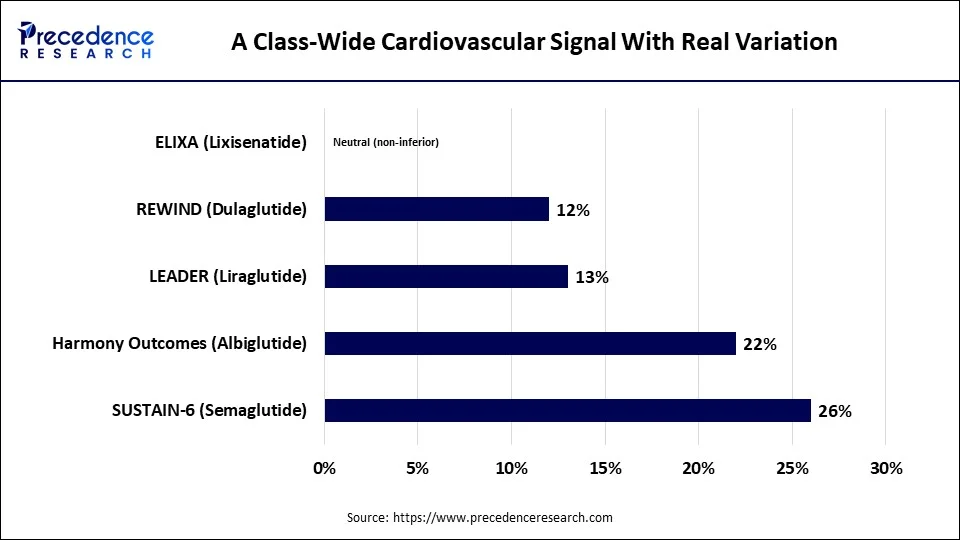
These findings come from major cardiovascular outcome trials (CVOTs), evaluating GLP-1 receptor agonists in patients with type 2 diabetes. The differences in risk reduction reflect variations in molecule structure, patient baseline risk, trial design, and duration of follow-up. It showed a 22% reduction in MACE over a median follow-up of 1.6 years in patients with type 2 diabetes and established cardiovascular disease, and a 13% reduction over ~3.8 years. It has also demonstrated a significant reduction in cardiovascular death and all-cause mortality.
Key Insight: Cardiovascular benefit is not a class effect among GLP-1 receptor agonists because individual molecules possess distinct pharmacokinetic properties, binding affinities, and varying clinical trial results. While agents such as liraglutide and semaglutide successfully reduced major adverse cardiovascular events (MACE), other molecules such as lixisenatide and extended-release exenatide showed neutral effects in dedicated trials.
SOURCE: Lancet REWIND meta-analysis, 2019; NEJM PIONEER 6 trial discussion of prior CVOTs; PMC review, "GLP-1 receptor agonists and their cardiovascular benefits."
The Real-World Persistence Gap Is Closing
Only a third of patients stayed on therapy a year in 2021- now nearly two-thirds do
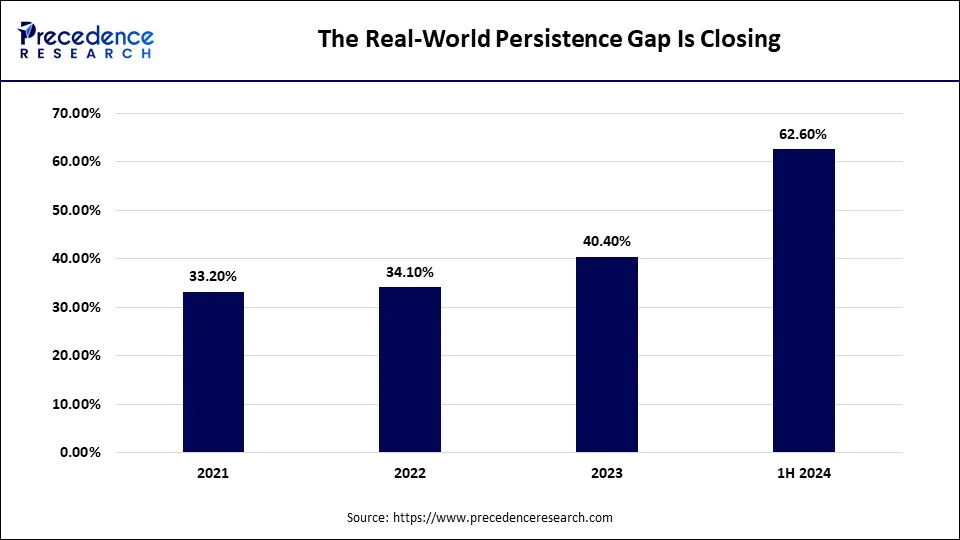
One-year treatment persistence for weight-loss GLP-1 medications such as Wegovy and Zepbound significantly increased from about 33% in 2021 to roughly 61%–63% by mid-2024. This dramatic improvement reflects easing supply constraints along with better clinical management of side effects. Further, resolution of class-wide manufacturing shortages, improved titration protocols to mitigate gastrointestinal side effects, and structured lifestyle support helped more patients stay on therapy. By 2024, semaglutide (Wegovy) 1-year persistence reached roughly 58%-63%, while tirzepatide (Zepbound) logged persistence around 64%.
Key Insight: People stop taking their weight-loss or diabetes drugs not because the medicine fails, but because they cannot find the supply, afford the cost, or manage physical side effects. Fixing the drop-off rates demands better healthcare support and steady drug supplies, not new drug formulas.
SOURCE: Journal of Managed Care & Specialty Pharmacy, "Trends in 1-year persistence...," 2026; Prime Therapeutics three-year persistence study.
The Demand Backdrop Keeps Growing
589 million adults live with diabetes today; that figure is projected to exceed 850 million by 2050
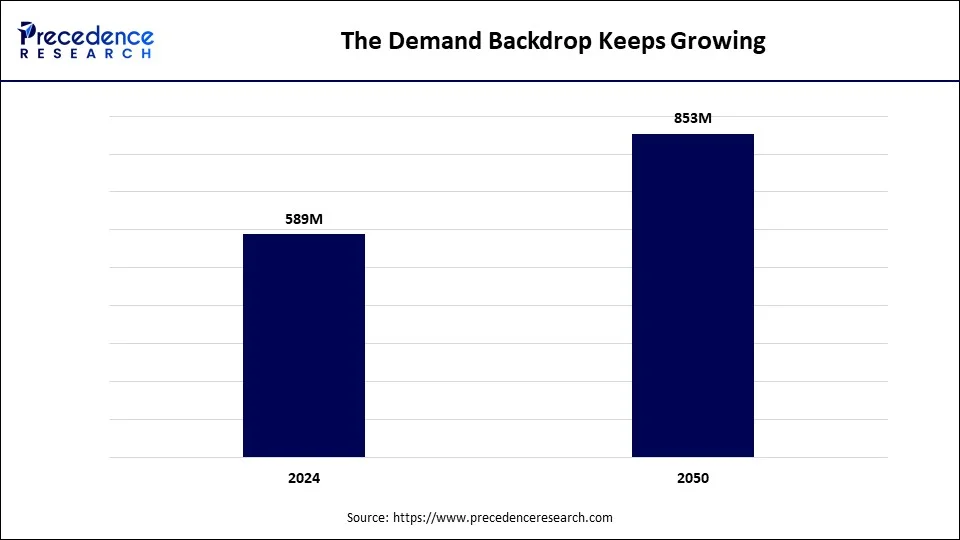
The International Diabetes Federation (IDF) 11th Atlas reports that 589 million adults (1 in 9) had diabetes in 2024, anticipated to hit 853 million by 2050. Furthermore, 252 million people remain undiagnosed, over 3.4 million deaths occurred in 2024, and even global health spending surpassed USD 1 trillion.
Key Insight: The addressable population for GLP-1 therapy expands faster than manufacturing and healthcare systems can supply them because the underlying global burden of obesity, diabetes, and then related metabolic conditions multiplies at a historic pace, while simultaneous clinical discoveries constantly qualify these drugs for entirely new, massive disease categories.
SOURCE: International Diabetes Federation, Diabetes Atlas, 11th Edition, 2025.
The Addiction Signal
GLP-1 receptor agonists are showing a consistent effect on alcohol consumption across independent studies
| Therapy | Key Finding |
| Semaglutide & Liraglutide | Most consistent reductions in alcohol consumption and AUDIT scores across studies |
| Tirzepatide | Largest effect on alcohol-related outcomes among GLP-1 class studied to date |
| Naltrexone/Acamprosate | Current standard; FDA-approved for AUD but with modest effect sizes, serving as benchmark for comparison |
Recent systematic reviews and real-world data indicate that GLP-1 receptor agonists and dual GIP or GLP-1 receptor agonists significantly curb drinking habits. Moreover, semaglutide and liraglutide show the most consistent real-world and trial reductions in total alcohol intake and AUDIT scores; thus, tirzepatide demonstrates a superior effect size in lowering alcohol-associated risk and rewarding behaviors. As a dual GIP and GLP-1 receptor agonist, tirzepatide exhibits a larger statistical effect size in suppressing voluntary intake and even binge-drinking behaviors in comparative analyses.
Key Insight: Tirzepatide is a dual GIP and GLP-1 receptor agonist originally approved for type 2 diabetes and chronic weight management. Ongoing clinical trials are now testing its potential to treat substance use disorders and addiction medicine, which would create a brand-new medical use separate from weight loss.
SOURCE: ScienceDirect systematic review and meta-analysis, GLP-1 RAs and alcohol consumption, Nov 2025; Addiction Science & Clinical Practice, Dec 2025.
The Neurodegeneration Frontier
GLP-1 receptors in the brain have opened trials in Alzheimer's, Parkinson's, and motor neuron disease
| Disease Area | Research / Development Signal |
| Alzheimer's Disease | Investigated via shared metabolic/insulin-signaling pathways ("type 3 diabetes") |
| Parkinson's Disease | Examined slowed motor-function benefits in a randomized Lixisenatide trial |
| ALS / Motor Neuron Disease | Preclinical models show neuroprotective effects of exendin-4 |
Early clinical trials of the diabetes drug exenatide (a GLP-1 receptor agonist) showed promising, sustained motor-function benefits in Parkinson's disease. However, a subsequent large-scale Phase 3 trial published in early 2025 found that exenatide did not slow long-term motor decline compared to placebo. Meanwhile, Alzheimer's research investigates brain insulin resistance, termed "type 3 diabetes," as a driver of neurodegeneration.
Key Insight: GLP-1 receptor agonists are expanding past diabetes and weight loss. Researchers now test these drugs for heart health, liver fat, kidney disease, addiction, and brain health.
SOURCE: Athauda D et al., Lancet, 2017 (exenatide in Parkinson's); Frontiers in Endocrinology, "GLP-1RAs in Alzheimer's and Parkinson's disease," Nov 2025.
Two Companies, One Duopoly, a Narrowing Gap
Eli Lilly's tirzepatide franchise has closed in on Novo Nordisk's decade-long semaglutide lead
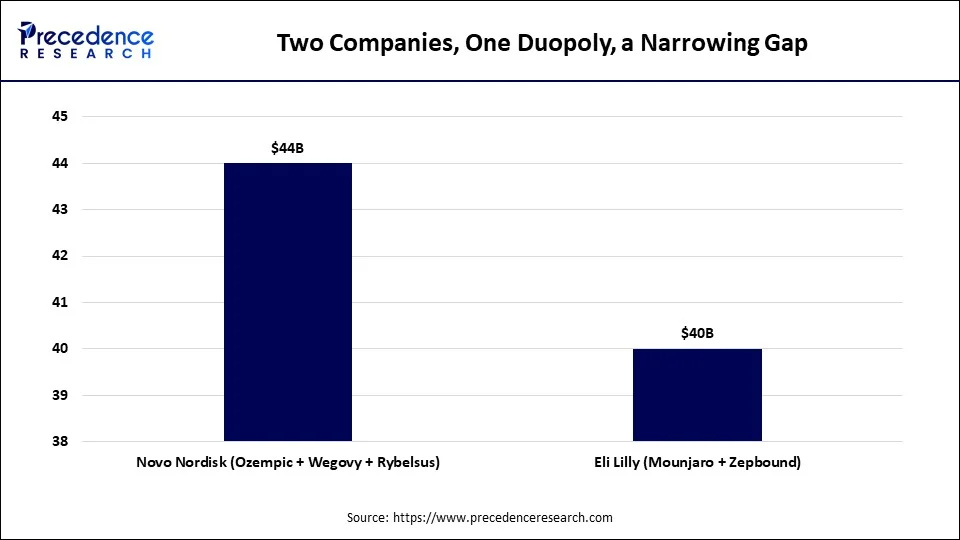
In 2025, the global pharmaceutical market for metabolic blockbusters intensified as Eli Lilly closed the gap on market pioneer Novo Nordisk. It is driven by a massive need for dual-action and single-agonist GLP-1 treatments, Eli Lilly scaled its cardiometabolic portfolio rapidly, fueled by the explosive adoption of tirzepatide. Moreover, Eli Lilly's tirzepatide-based formulations (Mounjaro for type 2 diabetes and Zepbound for chronic weight management) expanded at accelerated quarterly rates, driven by scaled manufacturing and high international adoption.
Key Insight: The GLP-1 market transformed into a direct duopoly between Novo Nordisk and Eli Lilly as manufacturing scale, oral delivery rollouts, and aggressive pricing structures replaced early brand-name dominance. Both firms now race to capture volume while managing compressed per-unit margins.
SOURCE: Yahoo Finance/Zacks, "GLP-1 Titans Clash," 2026; CNBC, "Eli Lilly, Novo Nordisk earnings show widening divide," Aug 2026.
The Patent Cliff Arrives in Stages
Generic competition is already here for the oldest GLP-1s- but semaglutide and tirzepatide are protected into the 2030s
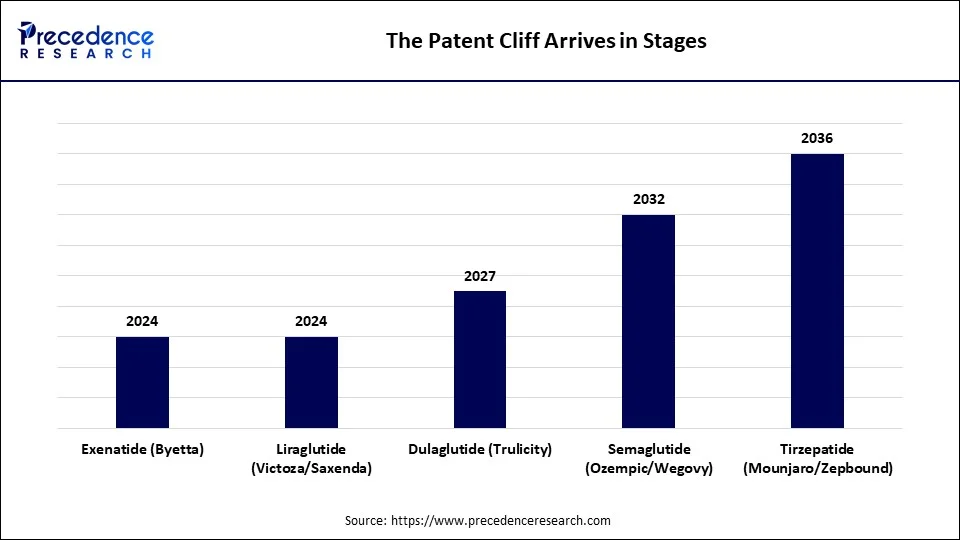
Generic alternatives for older GLP-1 receptor agonists such as exenatide (Byetta) and liraglutide (Victoza/Saxenda) started in the U.S. market in late 2024 and 2025. Meanwhile, key international patents for semaglutide (Ozempic/Wegovy) begin expiring in early 2026, though secondary U.S. formulation and device patents extend market exclusivity toward the early 2030s. Mounjaro and Zepbound primary patent protection from Eli Lilly and Company runs solidly into January 2036 in the U.S. market.
Key Insight: Strong clinical evidence and high efficacy do not always work with long patent lives. Patent status varies widely across drug classes. High-efficacy molecules usually face generic competition soon or already have affordable options on the market, meaning price and effectiveness do not have a fixed inverse relationship.
SOURCE: DrugPatentWatch, GLP-1 patent tracker; SourceGLP-1 and Meto.co patent cliff analyses, 2026.
Same Receptor, Different Chemistry
Three delivery formats - injectable peptide, oral peptide, and oral small molecule - now compete within one drug class
| Attribute | Injectable Peptide | Oral Peptide (Rybelsus) | Oral Small Molecule (2026) |
| Bioavailability | High | ~1% | Higher, no absorption enhancer |
| Dosing | Weekly | Daily, fasting | Daily, no food restriction |
| Manufacturing | Biologic (complex) | Biologic (complex) | Small-molecule (simpler, cheaper) |
Injectable GLP-1 peptides offer high bioavailability and convenient weekly dosing. Older oral peptides such as Rybelsus absorb at roughly 1% and require strict fasting. Newer non-peptide, oral small-molecule options such as orforglipron (marketed as Foundayo) bypass digestion breakdown, remove food restrictions, alongside lower manufacturing costs.
Key Insight: The shift toward small-molecule chemistry lowers expenses and speeds up production compared to complex biologic peptides. Small molecules utilize established chemical synthesis, which scales quickly and decreases manufacturing expenses. This efficiency assists lower drug prices and broadens global access to essential treatments.
SOURCE: Drug Discovery News, GLP-1 pipeline 2026; company regulatory filings on oral small-molecule GLP-1 approval, 2026.
The Mechanism Ladder
Each generation of the drug class activates one additional metabolic receptor
| Stage | Receptor Target | Examples |
| 1 | GLP-1 only | Semaglutide, liraglutide, dulaglutide, exenatide |
| 2 | GLP-1 + GIP | Tirzepatide (dual agonist) |
| 3 | GLP-1 + GIP + Glucagon | Retatrutide (triple agonist, investigational) |
The evolution from single-target GLP-1 receptor agonists to multi-receptor polyagonists represents a major change in metabolic medicine. By engaging complementary gut hormone pathways, newer generations of drugs achieve deeper metabolic control and even substantially greater weight loss than older monotherapies.
Key Insight: Receptor multi-agonism is the main driver behind the evolving landscape of metabolic medicine. While single-receptor agents paved the way, modern metabolic therapies achieve superior efficacy by activating up to three distinct metabolic pathways simultaneously.
SOURCE: Nature, "Glucagon-like peptide-1 receptor: mechanisms and advances in therapy," 2024; International Journal of Obesity, 2024.
Not Every Molecule Survives
Two early GLP-1 receptor agonists were withdrawn from the market for commercial, not safety, reasons
| Molecule | Status / Reason |
| Albiglutide (Tanzeum/Eperzan) | Approved in 2014; discontinued by GSK in 2017 due to weak commercial sales |
| Lixisenatide (Adlyxin) | Withdrawn from the U.S. market for commercial reasons, not safety or efficacy concerns |
The withdrawal of albiglutide (Tanzeum or Eperzan) by GSK and lixisenatide (Adlyxin) by Sanofi highlights a phenomenon in drug development: a proven clinical or cardiovascular advantage does not guarantee commercial survival in a heavily crowded market. Despite its convenience, it suffered from low market uptake, weak formulary placement, such as being dropped by Express Scripts, and intense competition from dominant weekly blockbusters such as Eli Lilly’s Trulicity and Novo Nordisk’s Victoza. GSK pulled the plug globally in 2017.
Key Insight: Clinical proof of benefit does not guarantee commercial success in the weight-loss drug market. Convenience, like weekly dosing versus daily injections, and the total weight-loss percentage matter more to buyers than heart health trial data when drugs compete for market survival.
SOURCE: StatPearls, NCBI Bookshelf, "Compare and Contrast the GLP-1RAs," 2024.
A Growing Global Regulatory Footprint
GLP-1 receptor agonists have moved from specialty diabetes drugs to essential medicines
| Year | Regulatory Milestone |
| 2017 | Liraglutide added to WHO Model List of Essential Medicines |
| 2019 | EMA approves Ozempic; FDA approval for semaglutide |
| 2024 | First generic GLP-1 approved (US) |
| 2026 | PPAR-style scrutiny extends to GLP-1 pricing across G7 markets |
The transition of liraglutide and the wider GLP-1 receptor agonist drug class from costly specialty items to globally accessible treatments represents a major turning point in modern pharmacology. Patent expirations and subsequent generic approvals have lowered financial barriers, enabling public health frameworks to treat chronic metabolic diseases more aggressively.
Key Insight: The inclusion of semaglutide and tirzepatide on the WHO Essential Medicines List (EML) would signal a major step toward global access along with generic production. This pathway typically reduces expenses and expands availability in low- and middle-income countries, though patent barriers mean widespread generic entry will face delays.
SOURCE: World Health Organization, Model List of Essential Medicines, 2021 update; HealthRx, Liraglutide FDA approval history.
The Next Wave Is Already in Late-Stage Trials
At least five additional candidates are approaching or have reached approval behind tirzepatide
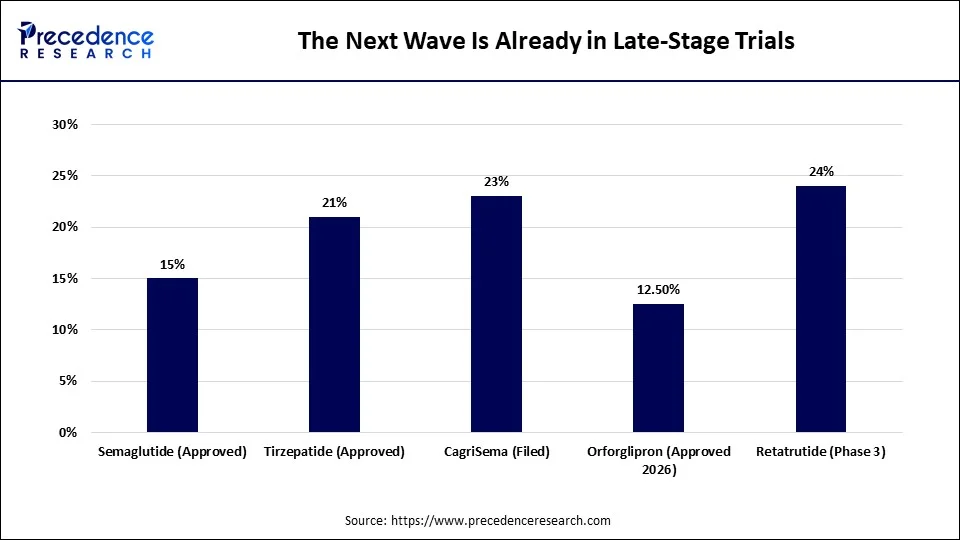
The next-generation obesity and metabolic pipeline features advanced clinical updates: CagriSema (an injectable GLP-1 or amylin combination by Novo Nordisk) has filed for regulatory approval thus, showing roughly 23% weight loss; new oral small-molecule GLP-1 options started with more modest efficacy (~12.5% to 14%) but simpler daily pill manufacturing; and Eli Lilly's triple-agonist retatrutide has now pushed Phase 3 efficacy benchmarks past 28% to over 30% body weight reduction.
Key Insight: The obesity drug market is splitting into different paths. Drug firms are not just trying to make the strongest medicine. They now create options aimed at easy use, simple production, and different patient needs.
SOURCE: Peptide Dossier, "Complete List of All GLP-1 Medications 2026"; Diabetes In Control, "GLP-1/GIP Co-Agonist Pipeline," Jan 2026.
What Happens When You Stop
Early discontinuation dramatically limits the weight loss patients actually keep
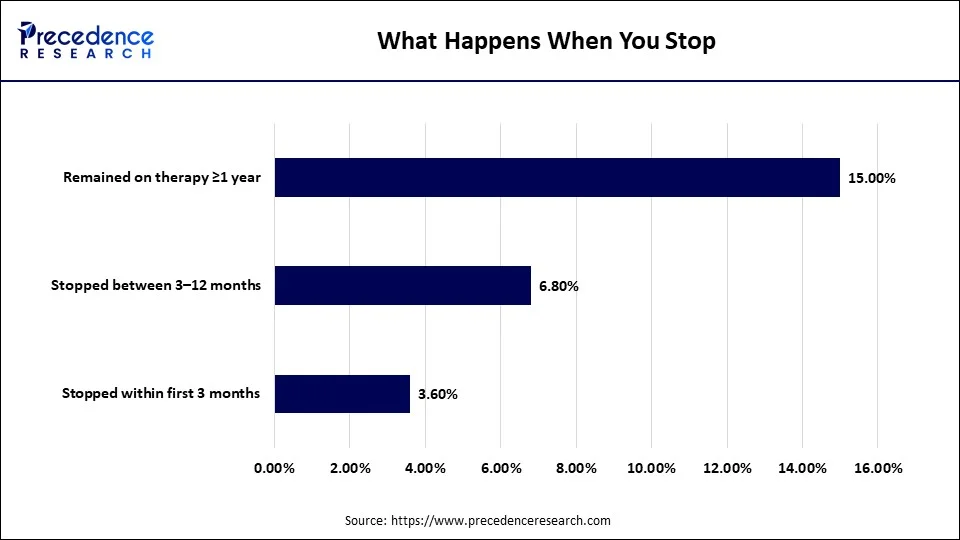
Patients who discontinue semaglutide or tirzepatide early achieve lower weight loss, as weight reduction on these incretin therapies is cumulative and non-linear, demanding time to reach therapeutic dosages. Early stoppers miss the peak efficacy window, whereas continuous users benefit from sustained appetite regulation along with metabolic adaptation over 12 months or more. Real-world studies show a large percentage of patients remain on lower-than-optimal doses due to insurance restrictions or tolerability limits, dampening overall weight loss velocity compared to clinical trials.
Key Insight: Clinical trials measure efficacy under ideal, continuous treatment. Real-world patients usually stop early due to side effects, cost, or access barriers. Once treatment stops, the continuous therapeutic effect fades, meaning real-world outcomes diverge sharply from headline trial numbers for those who discontinue.
SOURCE: HealthVerity, "GLP-1 Trends 2025: Real-World Data, Patient Outcomes & Future Therapies," Aug 2025.
Recent Developments
| Date | Development | Organization |
| Dec 2024 | The U.S. FDA has approved its first generic GLP-1s (liraglutide, exenatide) | FDA / Hikma / Amneal |
| Aug 2025 | Saxenda was fully approved as the first generic liraglutide for weight loss | FDA / Teva |
| Nov 2025 | Pfizer obtained obesity drugmaker Metsera to enter the GLP-1 space | Pfizer |
| Jan 2026 | Structure Therapeutics' oral GLP-1 candidate now meets significant endpoints in an obesity study | Structure Therapeutics |
| Apr 2026 | The U.S. approved the first oral small-molecule GLP-1 (orforglipron, branded Foundayo). | FDA / Eli Lilly |
| 2025 (full year) | Tirzepatide sales overtake combined semaglutide sales for the first time. | Eli Lilly / Novo Nordisk |
| Jul 2026 | Novo Nordisk starts a Medicare GLP-1 Bridge Program at $50/month for eligible patients. | Novo Nordisk / CMS |
| Aug 2026 | Novo Nordisk files a suit against Eli Lilly over GLP-1 efficacy advertising claims. | Novo Nordisk |
Key Companies and Organizations
| Organization | HQ | Role |
| Novo Nordisk | Bagsværd, Denmark | Originator of liraglutide, semaglutide; long-standing category leader by revenue |
| Eli Lilly and Company | Indianapolis, USA | Originator of tirzepatide, retatrutide, and orforglipron; fastest-growing competitor |
| Amylin Pharmaceuticals (legacy) | San Diego, USA | Original developer of exenatide, the first-ever approved GLP-1 receptor agonist |
| GSK (legacy) | London, UK | Developed and later discontinued albiglutide despite proven cardiovascular benefit |
| Structure Therapeutics | South San Francisco, USA | Developer of an investigational oral small-molecule GLP-1 candidate |
| Pfizer | New York, USA | Entered the GLP-1 space via 2025 acquisition of Metsera |
| International Diabetes Federation | Brussels, Belgium | Publishes authoritative global diabetes prevalence data underlying category demand |
| World Health Organization | Geneva, Switzerland | Added liraglutide to the Model List of Essential Medicines in 2021 |
Key Questions This Research Helps Answer
- How should a GLP-1 receptor-targeting mechanism (single, dual, or triple) inform expectations for its efficacy and side-effect profile?
- Which cardiovascular trial results can and cannot be assumed to transfer across different molecules in the class?
- What operational steps most effectively enhance real-world treatment persistence beyond the current ~63% one-year rate?
- How exposed is a health system's drug budget to the rising global diabetes burden underlying GLP-1 demand?
- What further evidence is required before GLP-1 receptor agonists could be considered for alcohol use disorder as a formal indication?
- How mature is the evidence base for GLP-1 usage in neurodegenerative disease, and what would change that assessment?
- How should competitive strategy differ for a firm facing Eli Lilly's tirzepatide franchise versus Novo Nordisk's semaglutide franchise?
- What generic and biosimilar entry risk exists across each molecule's specific patent expiration timeline?
- How significant is the change toward oral small-molecule chemistry for long-term manufacturing costs and global access?
- What lesson does albiglutide's commercial discontinuation hold for analysing clinically proven but commercially weaker candidates?
Strategic Business & Research Questions
- What is the total addressable patient population across all current and pipeline GLP-1 indications, such as diabetes, cardiovascular, renal, hepatic, addiction, obesity, and neurodegenerative?
- How will the Novo Nordisk-Eli Lilly duopoly evolve as Roche, Amgen, Pfizer, and Structure Therapeutics advance their own pipeline candidates?
- What is the expected pricing trajectory as oral small-molecule GLP-1s reach the market with substantially lower manufacturing expenses than biologic peptides?
- How should manufacturers sequence indication expansion (diabetes → obesity → cardiovascular → renal → hepatic → neurological) to maximize commercial and regulatory efficiency?
- What generic and biosimilar entry strategy should challengers pursue given the staggered patent cliff across exenatide, liraglutide, dulaglutide, semaglutide, and tirzepatide?
- Which real-world persistence interventions, such as cost reduction, side-effect management, and digital support, offer the best return on investment for payers and manufacturers?
- How large is the total economic opportunity in alcohol use disorder and a few addiction indications if ongoing tirzepatide and semaglutide trials confirm efficacy?
- What manufacturing capacity investment is required globally to meet the need implied by the IDF's projected 853 million diabetes patients by 2050?
- How should companies evaluate build-versus-acquire decisions for next-generation dual and triple agonist assets, given recent M&A activity like Pfizer-Metsera?
- What is the realistic timeline and market impact of GLP-1 receptor agonists reaching WHO Essential Medicines List status at scale in low- and middle-income countries?
- How will payer formulary strategy differ between small-molecule generics (80-90% price erosion) and even biologic biosimilars (30-50% price erosion) as each class matures?
- What competitive response should be anticipated from non-incretin mechanisms such as bariatric surgery and other appetite-regulating pathways, as GLP-1 pricing eventually falls?
- How should companies price and position oral versus injectable formats as both become available within the same molecule family?
- What are the highest-value M&A targets among smaller biotechs developing novel incretin or amylin-based mechanisms?
- How exposed are GLP-1 manufacturers to reputational and legal risk from advertising and comparative-efficacy disputes, as seen in the 2026 Novo-Lilly litigation?
- What is the projected shift in prescriber mix, such as endocrinology vs. primary care vs. addiction medicine vs. neurology, as indications expand beyond metabolic disease?
- How should investors weight patent-protected revenue durability against pipeline innovation risk when comparing GLP-1 franchise valuations?
- What government and insurer bridge programs, e.g., Medicare GLP-1 Bridge Program, are likely to become permanent versus temporary, and what does that imply for volume forecasts?
- How significant is compounding and off-label/grey-market supply as a persistent competitive threat even after patent-protected products remain on-patent?
- What safety monitoring infrastructure will be needed as GLP-1 exposure scales from tens of millions to potentially hundreds of millions of patients globally?
References
- ScienceDirect- "History of glucagon-like peptide-1 receptor agonists," 2025.
- Nature, Signal Transduction and Targeted Therapy- "Glucagon-like peptide-1 receptor: mechanisms and advances in therapy," 2024.
- StatPearls, NCBI Bookshelf- "Compare and Contrast the Glucagon-Like Peptide-1 Receptor Agonists," 2024.
- Lincoff AM et al. and related CVOT publications: LEADER (NEJM), SUSTAIN-6 (NEJM), REWIND (Lancet), Harmony Outcomes (Lancet), ELIXA (NEJM).
- Drug Discovery News- "GLP-1 agonist clinical pipeline 2026," June 2026.
- International Journal of Obesity- "What is the pipeline for future medications for obesity?," 2024.
- Journal of Managed Care & Specialty Pharmacy- "Trends in 1-year persistence and adherence...," 2026.
- Prime Therapeutics GLP-1 Therapy persistence and adherence real-world study, 2023-2025.
- International Diabetes Federation- Diabetes Atlas, 11th Edition, 2025.
- ScienceDirect- "Effects of GLP-1 receptor agonists on alcohol consumption: systematic review and meta-analysis," Nov 2025.
- Addiction Science & Clinical Practice- "Distilling the evidence for GLP-1 receptor agonists in alcohol use disorder," Dec 2025.
- Frontiers in Endocrinology- "GLP-1 receptor agonists in Alzheimer's and Parkinson's disease," Nov 2025.
- Athauda D et al.- "Exenatide once weekly versus placebo in Parkinson's disease," Lancet, 2017.
- Yahoo Finance / Zacks- "GLP-1 Titans Clash: Comparing Eli Lilly and Novo Nordisk," 2026.
- CNBC- "Eli Lilly, Novo Nordisk earnings show widening divide in GLP-1 market," Aug 2026.
- DrugPatentWatch- GLP-1 global drug patents and generics tracker, 2026.
- World Health Organization- Model List of Essential Medicines, 2021 update.
- HealthVerity- "GLP-1 Trends 2025: Real-World Data, Patient Outcomes & Future Therapies," Aug 2025.
About the Authors

Aditi Shivarkar
Aditi, Vice President at Precedence Research, brings over 15 years of expertise at the intersection of technology, innovation, and strategic market intelligence. A visionary leader, she excels in transforming complex data into actionable insights that empower businesses to thrive in dynamic markets. Her leadership combines analytical precision with forward-thinking strategy, driving measurable growth, competitive advantage, and lasting impact across industries.



Aman Singh
Aman Singh with over 13 years of progressive expertise at the intersection of technology, innovation, and strategic market intelligence, Aman Singh stands as a leading authority in global research and consulting. Renowned for his ability to decode complex technological transformations, he provides forward-looking insights that drive strategic decision-making. At Precedence Research, Aman leads a global team of analysts, fostering a culture of research excellence, analytical precision, and visionary thinking.

Piyush Pawar
Piyush Pawar brings over a decade of experience as Senior Manager, Sales & Business Growth, acting as the essential liaison between clients and our research authors. He translates sophisticated insights into practical strategies, ensuring client objectives are met with precision. Piyush’s expertise in market dynamics, relationship management, and strategic execution enables organizations to leverage intelligence effectively, achieving operational excellence, innovation, and sustained growth.