



GE HealthCare Launches AI Breast Ultrasound System for Dense
Published: 10 Aug 2026
Author: Towards Healthcare



The novel tools' goal is to increase supplemental screening for women with dense breasts and enable radiologists to review exams remotely.
GE HealthCare has launched automated breast ultrasound technologies and a browser-based image viewer intended to support supplemental breast cancer screening and remote assessment review. Invenia Automated Breast Ultrasound (ABUS) Prime uses AI-driven devices to support technologists in obtaining reliable, reproducible 3D ultrasound images.
The technology involves scan quality assessment and auto nipple identification devices powered by GE HealthCare's Verisound AI platform.
A Fast Scan characterization increases scanning speed by up to 40% compared with the preceding Invenia ABUS 2.0 technology, according to the company. The technology also includes an intended transducer and adjustable compression levels intended to improve patient comfort. The device received Food and Drug Administration (FDA) premarket approval and is CE marked.
GE HealthCare launched ABUS StreamVue, a browser-driven reading platform that enables radiologists to remotely access and review ABUS examinations in the enterprise imaging networks and breast imaging centers.
The company said the ABUS StreamVue platform has received FDA 510(k) clearance and CE design.
The platform is intended to streamline installation and maintenance while making it simple for doctors to compare investigations performed at different locations. Candelis collaborated with GE HealthCare to deliver the StreamVue technology for application with Invenia ABUS.
The Invenia technology also supports QVCAD, an AI-driven reading device designed to highlight possible lesions and modernize image review.
"Invenia ABUS Prime can help deliver streamlined workflows and reproducible imaging," Karley Yoder, CEO of ultrasound solutions at GE HealthCare, said in a statement.
One of the first U.S. installations is at BeSound, a breast imaging provider in Los Angeles. BeSound is also planning a mobile screening unit intended to bring extra breast imaging closer to patients.
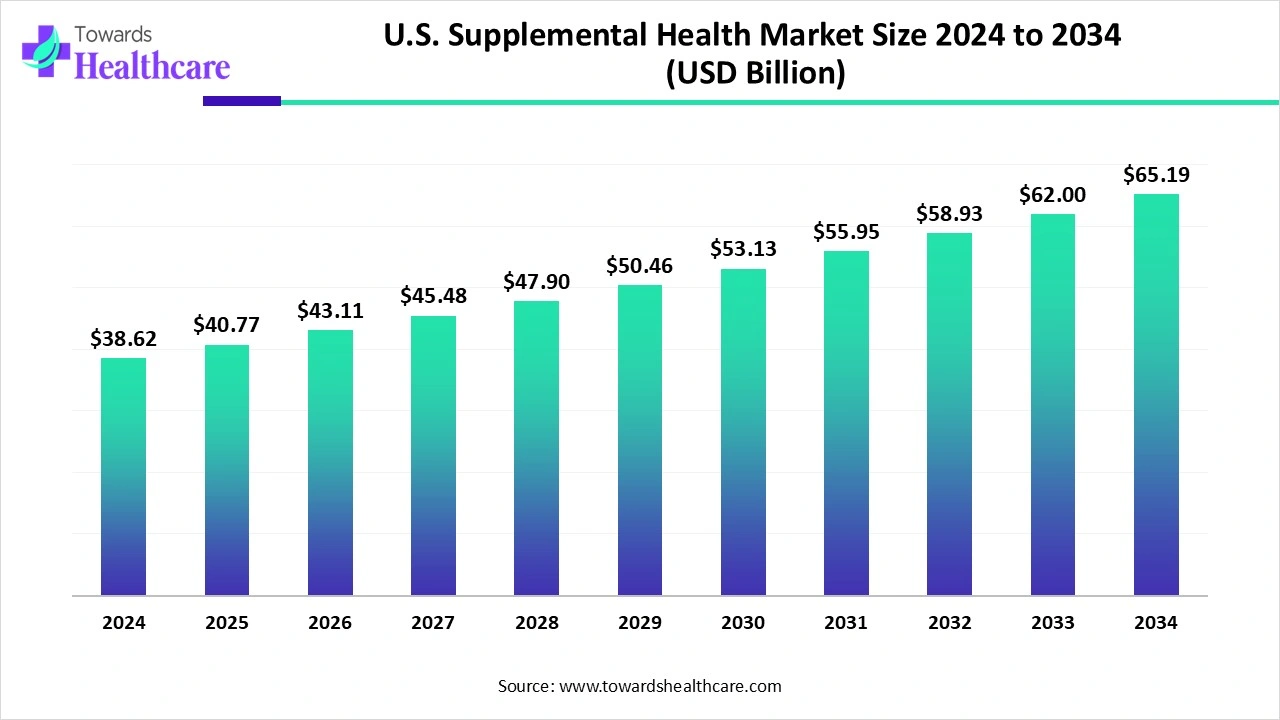
According to Towards Healthcare, the U.S. supplemental health market is projected to experience significant growth, with estimates suggesting the market size will increase from USD 43.1 billion in 2026 to approximately USD 70.62 billion by 2035. Growth is expected at a steady CAGR of 5.64% in between 2026 to 2035Supplemental health insurance fills the gaps that standard strategies often leave behind. While steady health insurance covers basic healthcare solutions, it generally doesn’t account for all expenses. Supplemental plans support managing expenses such as copayments, deductibles, and particular care requirements. This added coverage can create a noteworthy difference in lowering economic stress during healthcare treatment. Supplemental health insurance is a safety net, offering financial security against unexpected healthcare costs. By filling the gaps left by significant insurance, these plans support preventing surprise bills.
THE LARGER TREND
About 40% of women aged 40 to 74 (about 25 million women) have dense breasts (considered heterogeneously or extremely dense on a mammogram).
High breast density is a normal, extensive physiological trait that also impacts mammographic screening.
Dense breast tissue can make cancer more problematic to detect on a mammogram and is itself associated with an increased challenge of advanced breast cancer.
Since September 2024, FDA regulations have required mammography facilities to inform patients about their breast density and explain that additional imaging may support finding cancers in some patients with dense tissue.
In March, GE HealthCare completed its $2.3 billion acquisition of Intelerad, increasing the organization's cloud-driven enterprise imaging and AI capabilities.
In November 2024, the organization presented its Pristina Via mammography system, which was intended to lower repetitive tasks for technologists and streamline breast imaging workflows.
That same month, GE HealthCare and RadNet announced a collaboration to combine GE HealthCare's mammography systems with RadNet subsidiary DeepHealth's AI-driven imaging and workflow technology.
About GE HealthCare
GE HealthCare is an American health technology company based in Chicago, Illinois. GE HealthCare enables clinicians to make rapid, more informed decisions via intelligent tools, data analytics, applications and solutions. GE HealthCare Technologies Inc is a medical care technology, pharmaceutical diagnostics, and digital services company. It designs, develops, manufactures, and distributes diagnostic imaging and clinical technology; products and services for drug discovery, pharmaceutical production, and cellular technologies; imaging agents used throughout medical scanning technologies; and medical care IT services. GE HealthCare offers services like performance advancement and performance solutions, computerized information management, and remote diagnostic and repair solutions for healthcare equipment manufactured by the organization.
A recent report by Towards Healthcare highlights that the U.S. supplemental health market is growing as supplemental health insurance acts as an economical aid. It lowers the load of out-of-pocket healthcare costs. Traditional health insurance plans often have deductibles, copays, and coinsurance. Supplemental health insurance is often overlooked but invaluable. It stands as a shield against unforeseen healthcare expenses. Primary health insurance strategies offer good coverage. Supplemental health insurance, a formidable ally, fills those gaps and offers an advanced safety net. Supplemental insurance supports defraying these expenses, ensuring financial well-being remains unscathed.