



GE Healthcare and MIM Anyware introduced a Remote Access Platform to enable Healthcare Systems to securely access Imaging Data, thereby enhancing Clinical Corporations
Published: 22 Jul 2026
Author: Gautam mahajan



On July 20, 2026, GE HealthCare and MIM Anyware announced the launch of a Secure Remote Imaging Access Platform. This platform focuses on accelerating clinical collaboration, improving patient data accessibility, speeding up diagnostic decision-making across healthcare systems, strengthening care coordination, and supporting digital transformation in modern healthcare networks.
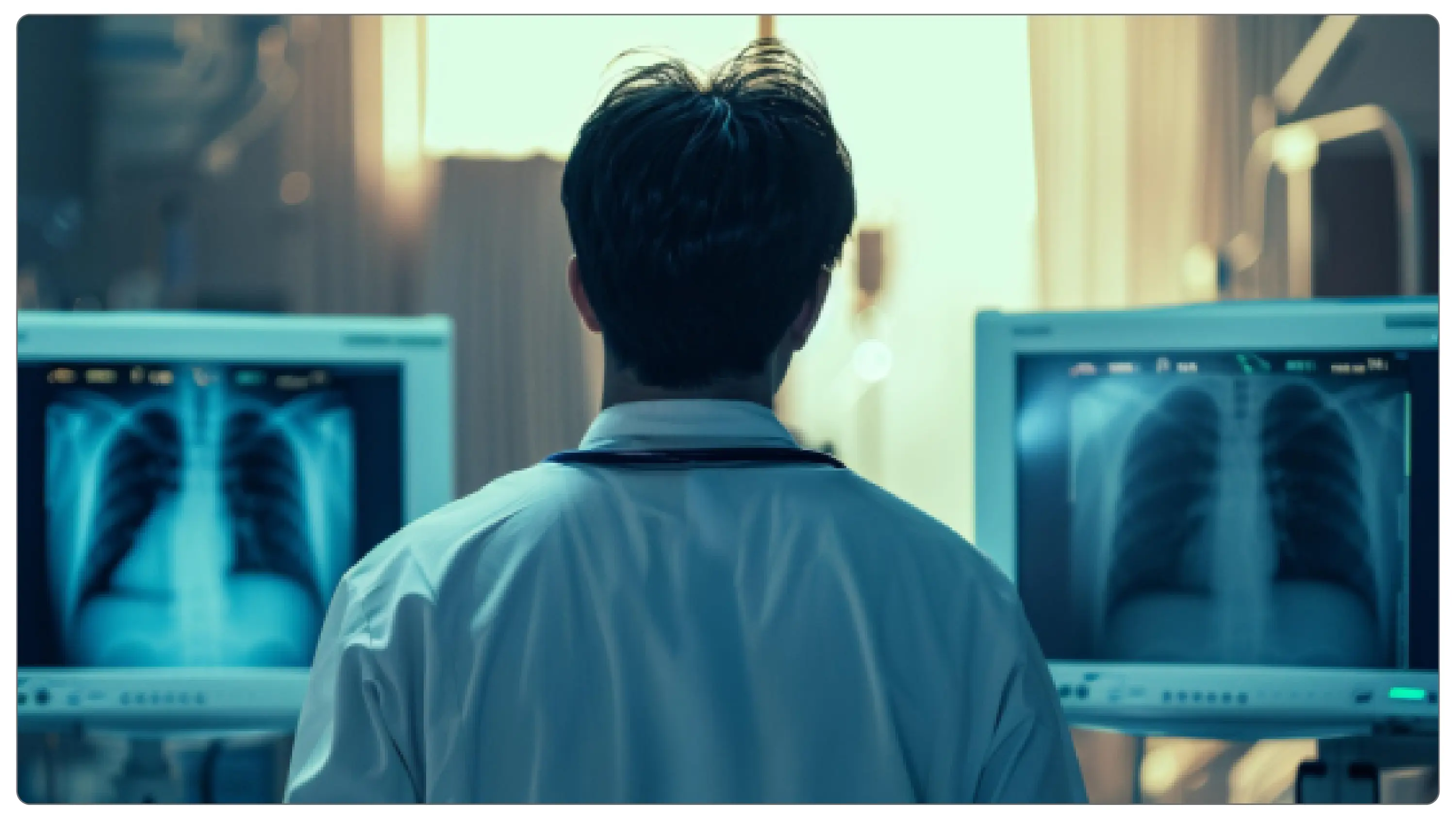
GE Healthcare and MIM Anyware jointly launched a remote imaging platform enabling healthcare providers to securely share, interpret, and analyze diagnostic images across diverse locations virtually. The remote platform integrates with existing systems through secure cloud technology, enhancing patient care delivery and protecting clinical data. The partnership underscores the importance of interoperable healthcare connecting hospitals, clinics, and specialists. It enables virtual second opinions, faster consultations, and coordinated treatment, especially for patients who need specialized imaging across facilities.
Rising preference for digital health boosts remote access, reduces delays, streamlines workflows, and promotes teamwork among physicians, radiologists, and emergency responders. This optimizes clinical collaboration, ensures better access to images, reduces repeat scans, speeds diagnoses, and improves continuity of patient care. The partnership demonstrates a commitment to digital innovation, enhancing collaboration, efficiency, and clinical results at global scale. This supports trends like digital transformation, cloud infrastructure, interoperability, and value-based care. As telemedicine expands, secure imaging platforms are vital for remote access and private healthcare infrastructure.
Impact on the Medical Imaging Industry
The global medical imaging market size is calculated at USD 52.09 billion in 2025 and is predicted to increase from USD 54.70 billion in 2026 to approximately USD 84.07 billion by 2035, expanding at a CAGR of 4.90% from 2026 to 2035.
According to Precedence Research, demand for secure remote access lets providers review studies from anywhere, enabling faster diagnoses and better patient care. The remote imaging access platform will transform medical imaging by enabling the sharing, remote access, and interpretation of diagnostic images across healthcare networks. The platform offers greater workflow flexibility, enabling remote access during emergencies.
This move reduces operational costs, speeds up reporting, and enhances patient care efficiency, interoperability, and accessibility, leading to more accurate diagnoses and improved patient care. Radiologists can cooperate with medical specialists without physically transferring images. As healthcare organizations modernize and the demand for cloud-based, interoperable solutions grows, vendors will invest in AI, automation, and advanced visualization tools that support remote access.
Impact on the Healthcare IT Industry
The global healthcare IT market size accounted for USD 880.56 billion in 2025 and is predicted to be worth around USD 3,715.34 billion by 2035, growing at a CAGR of 15.48% from 2026 to 2035.
According to Precedence Research, as hospitals digitize, integrated imaging is crucial for EHRs and healthcare apps, where a remote platform enables seamless information sharing while ensuring cybersecurity and compliance through controlled access, centralized management, and secure care connectivity. Vendors invest in cloud, identity management, cybersecurity, and interoperability to meet healthcare needs.
This remote imaging platform reflects the healthcare IT sector's move toward secure, cloud-based, interoperable digital health solutions. Connected healthcare boosts efficiency, security, and collaboration through digital infrastructure. The rise of remote care and virtual consultations highlights the requirement for secure digital tools. The platform streamlines administrative tasks by making imaging accessible across locations and supporting clinical decision-making.
Impact on the Telehealth Industry
The global telehealth market size accounted at USD 196.81 billion in 2025 and is predicted to increase from USD 244.30 billion in 2026 to approximately USD 1367.36 billion by 2035, expanding at a CAGR of 23.19% from 2026 to 2035.
According to Precedence Research, rising chronic disease rates and a focus on reducing delays improve emergency response times and support continuous monitoring. This clinical collaboration introducing secure remote access to imaging data boosts the telehealth sector. This is vital for rural clinics, hospitals, and systems relying on specialists.
The platform also opens the door to AI integration in image analysis and decision-making, fostering connected healthcare ecosystems that improve efficiency, clinical access, and patient outcomes. Additionally, by enabling healthcare professionals to securely share and review medical records and images for remote diagnostics.
Expert Opinion
From an expert perspective, GE HealthCare and MIM Anyware promote healthcare digital transformation by enabling secure, efficient access to medical images across healthcare networks. It allows authorized clinicians to review studies remotely by complying with privacy and cybersecurity protocols. As collaboration among radiologists, specialists, and teams grows, quick access to images is decisive for timely decision-making. Remote platform adoption relies on strong cybersecurity, user training, interoperability, and change management.
The platform offers controlled access, interoperability, and data governance, helping providers improve efficiency and patient care. It also supports moving to cloud infrastructure with secure data sharing and seamless integration. This move toward connected healthcare aims to improve outcomes, cut costs, and deliver responsive, tech-driven care worldwide. Future remote imaging will be crucial for digital hospitals, especially with telemedicine, regional care, and value-based healthcare expanding. Additionally, integrating AI, analytics, and EHRs can improve diagnostic speed, support predictive healthcare, and enhance workflows.