



Beyond the Scan: Immunoprecipitation Unlocks Ultra-Sensitive Alzheimer’s Detection
Published: 24 Mar 2026
Author: Precedence Research



Blood-based biomarkers enhanced by immunoprecipitation for the early detection of Alzheimer’s disease revolutionized the early AD detection and patient stratification for preventive treatment.
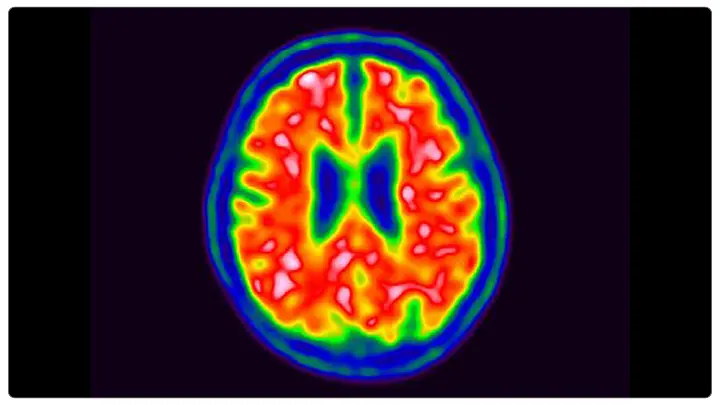
Catching Alzheimer’s Before Symptoms: The Power of IP-Enhanced Biomarkers
The way we diagnose Alzheimer’s disease (AD) is changing quickly, driven by the need for earlier, more reliable, and easier detection methods.
According to Precedence Research, the Immunoprecipitation Market size accounted for USD 806.24 million in 2025 and is predicted to increase from USD 852.68 million in 2026 to approximately USD 1411.49 million by 2035, expanding at a CAGR of 5.76% from 2026 to 2035 as demand grows for proteomics research, a surge in biopharmaceutical R&D, and the high prevalence of chronic diseases like cancer.
With the recent approval of monoclonal antibody treatments like lecanemab (Leqembi®) and donanemab (Kisunla™), the need for accurate diagnosis of preclinical and early-stage AD has become more pressing.
From Detection to Prevention: The New Era of Blood-Based AD Screening
Traditional diagnostic techniques such as cerebrospinal fluid (CSF) neurochemical tests and amyloid-PET imaging are effective but not suitable for widespread screening because they are invasive, costly, and logistically challenging. This has led to the development of blood-based biomarkers, which could revolutionize early AD detection and help in patient selection for preventive treatments.
A major technological advancement in this area is the use of immunoprecipitation (IP) as a preparatory step before high-sensitivity immunoassays (IA), known as IP-IA. This approach improves the detection of low-abundance biomarkers and increases diagnostic accuracy by enriching target proteins and removing interfering substances from the sample.
A recent report by Precedence Research highlights that the Immunoprecipitation Market is benefiting from rising R&D investments, the need for targeted, personalized medicine, and advanced diagnostic technologies, such as magnetic beads and automated systems.